Is your Ford’s check engine light blinking like a panicked firefly? That flashing light isn’t just another dashboard decoration – it’s your vehicle screaming for help. Unlike a steady light that suggests “fix me soon,” a flashing check engine light means “stop driving me NOW.”
Let’s cut through the confusion and explain exactly what this warning means, why it’s so serious, and what you need to do to avoid turning a manageable problem into a budget-crushing repair.
Why Your Ford’s Check Engine Light Is Flashing
When your Ford’s check engine light starts flashing, your engine is actively misfiring. This means some cylinders aren’t firing properly, and unburned fuel is being dumped straight into your exhaust system.
Your car’s computer is programmed to make the light flash only when there’s risk of immediate damage to expensive components. Think of it as your Ford’s version of waving red flags and sounding sirens.
The Difference Between Solid and Flashing Check Engine Lights
| Warning Type | Urgency | What It Means | Appropriate Response |
|---|---|---|---|
| Solid Light | Moderate | Minor issues like loose gas cap, minor sensor problems | Schedule service soon, safe to drive short distances |
| Flashing Light | Extreme | Engine misfire, catalytic converter danger, potential for major damage | Stop driving immediately, have vehicle towed |
A solid light means “I’m not feeling great, but I’ll survive.” A flashing light means “I’m in critical condition and need emergency care.”
Common Causes of a Flashing Check Engine Light in Fords
Faulty Spark Plugs
Worn out or fouled spark plugs are among the most common culprits. When a spark plug can’t create a strong enough spark, the fuel-air mixture in that cylinder won’t ignite properly. This leaves unburned fuel to flow into the exhaust system, causing the misfire your car is warning you about.
Signs of spark plug issues include:
- Rough idle
- Stuttering acceleration
- Decreased fuel economy
- Engine hesitation when pressing the gas
Ignition Coil Failures
Ford vehicles commonly experience ignition coil problems, especially in models like the F-150, Focus, and Edge. These coils transform your battery’s 12 volts into the thousands of volts needed for spark plugs to fire. When they fail, they prevent proper combustion.
Bad ignition coils can cause:
- Cylinder-specific misfires (identified by OBD codes)
- Engine vibrations
- Loss of power
- Hard starting
Fuel System Problems
Your Ford’s engine needs the right amount of fuel delivered at the right pressure. Clogged fuel injectors prevent proper fuel delivery, while fuel pump issues can cause system-wide pressure problems. Both can lead to the engine misfires that trigger your flashing check engine light.
A failing fuel system might show these symptoms:
- Hesitation during acceleration
- Rough running at specific RPM ranges
- Stalling or hard starting
- Inconsistent performance
Sensor Malfunctions
Your Ford relies on numerous sensors to optimize engine performance. When sensors like the mass airflow sensor (MAF) or oxygen sensors fail, they send incorrect data to your engine computer, causing it to incorrectly adjust fuel and timing parameters.
These sensor failures can create:
- Unpredictable engine behavior
- Surging or hesitation
- Poor fuel economy
- Misfires severe enough to trigger the flashing light
Vacuum Leaks
The engine’s intake system should be perfectly sealed to control airflow. When vacuum leaks develop, unmetered air enters the system, throwing off the air-fuel ratio and potentially causing misfires.
Look for these signs of vacuum leaks:
- Hissing sounds from the engine
- Rough idle that improves at higher RPMs
- Inconsistent engine performance
- Check engine light (flashing in severe cases)
What Happens If You Keep Driving
Ignoring your Ford’s flashing check engine light is like ignoring chest pain – the consequences can be severe and expensive.
Catalytic Converter Destruction
The most immediate risk is destroying your catalytic converter. When your engine misfires, unburned fuel enters the exhaust system and ignites inside the catalytic converter. These devices operate at high temperatures already, but unburned fuel can cause them to overheat catastrophically.
Replacing a catalytic converter on a Ford can cost between $1,000 and $3,000 – far more expensive than fixing the initial cause of the misfire. Some Ford owners report spending over $4,000 when multiple catalytic converters need replacement.
Engine Damage
Continuous misfiring doesn’t just harm your exhaust system. The misfire itself can cause serious internal engine damage. When combustion doesn’t occur properly, excess heat and mechanical stress affect pistons, valves, and cylinder walls.
What might start as a $100 spark plug problem can escalate to a $5,000+ engine rebuild if left unaddressed.
Safety Concerns
A severely misfiring Ford doesn’t just risk mechanical damage – it creates dangerous driving conditions. You might experience:
- Sudden power loss during critical moments (like merging or passing)
- Stalling in traffic
- Unpredictable acceleration
- Complete breakdown in dangerous locations
What to Do When Your Ford’s Check Engine Light Flashes
1. Stop Driving Immediately
The moment you notice your Ford’s check engine light flashing, find a safe place to pull over. The side of the road, a parking lot, or any safe location is better than continuing to drive. Every additional minute of driving risks expensive damage.
2. Turn Off the Engine
Once safely stopped, turn off your engine. This immediately stops the misfire and prevents further damage to your catalytic converter and other components.
3. Arrange for a Tow
Don’t try to “limp” your vehicle to a repair shop – have it towed instead. Many insurance policies and extended warranties cover towing, and Ford’s roadside assistance program (if your vehicle is eligible) can help arrange this service.
A tow might cost $100-$200, but that’s far cheaper than replacing your catalytic converter or worse.
4. Get Professional Diagnostics
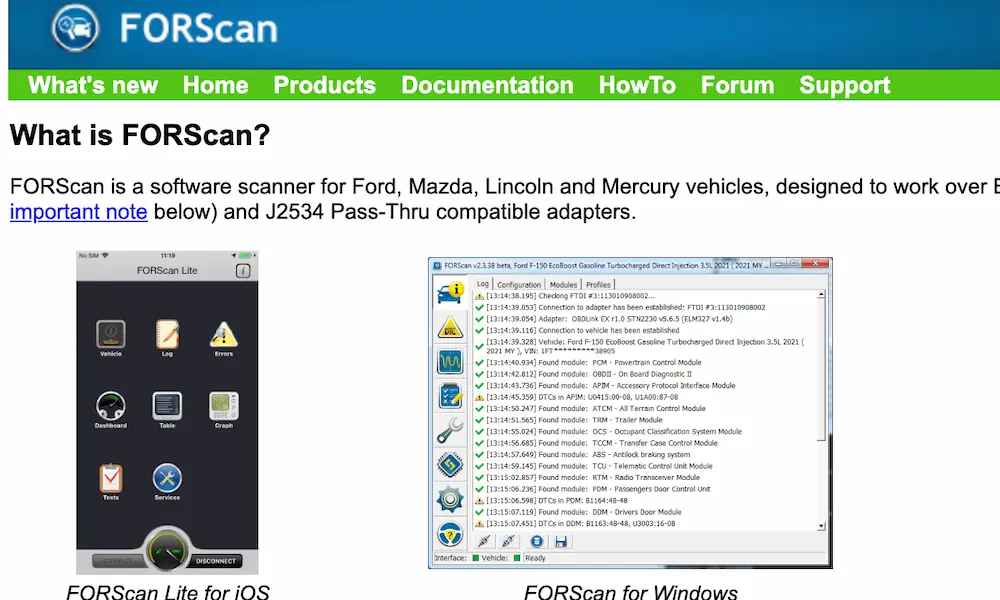
Once at a repair facility, have them scan for diagnostic trouble codes (DTCs). These codes will identify which cylinders are misfiring and offer clues about the root cause. A professional diagnosis typically costs between $50-$150 but can save thousands in unnecessary parts replacement.
Common Ford misfire codes include:
- P0300: Random/multiple cylinder misfire
- P0301-P0308: Specific cylinder misfire (the last digit indicates which cylinder)
- P0351-P0358: Ignition coil circuit malfunctions
Cost Comparison: Fix Now vs. Fix Later
The financial impact of addressing a flashing check engine light immediately versus continuing to drive is dramatic:
| Issue | Immediate Fix Cost | Delayed Fix Cost (with resulting damage) |
|---|---|---|
| Spark Plugs | $150-$300 | $150-$300 + $1,000-$3,000 (catalytic converter) |
| Ignition Coils | $300-$500 | $300-$500 + $1,000-$3,000 (catalytic converter) |
| Fuel Injectors | $300-$800 | $300-$800 + $1,000-$3,000 (catalytic converter) + potential engine damage |
| Major Engine Damage | N/A | $2,500-$8,000+ for engine repairs/replacement |
As many Ford owners have learned, ignoring a flashing check engine light can transform a relatively minor repair into a budget-crushing expense.
Real-World Ford Misfire Experiences
Ford forums are filled with stories about flashing check engine lights. A common thread on the F-150 Forum shows how quickly problems can escalate:
One owner ignored the flashing light for two days of driving. The initial problem? A $25 spark plug. The result? A $2,400 bill for a new catalytic converter and oxygen sensors.
Another F-150 owner described on Reddit how their cylinder 4 misfire started with just occasional stuttering but quickly progressed to a flashing check engine light. Replacing the ignition coil and spark plug resolved the issue for less than $150 – but only because they acted quickly.
Preventing Future Flashing Check Engine Lights
Follow Ford’s Maintenance Schedule
Your Ford has specific maintenance intervals for spark plugs, ignition components, and fuel system services. Following these recommendations can prevent many of the issues that cause engine misfires.
Use High-Quality Parts
When replacing components like spark plugs and ignition coils, using OEM or high-quality aftermarket parts is crucial. Cheap parts may save money initially but often lead to premature failure and repeated issues.
Address Minor Problems Promptly
A solid (non-flashing) check engine light or slight performance issue might seem minor, but addressing these promptly can prevent them from developing into the serious problems that trigger a flashing light.
Consider Ford-Specific Issues
Some Ford models have known issues with specific components. For example, certain F-150 engines with EcoBoost technology have experienced coil pack failures at higher rates than expected. Knowing your vehicle’s common problems can help you watch for early warning signs.
The Bottom Line: Don’t Ignore That Flashing Light
Your Ford’s flashing check engine light isn’t just another annoying dashboard warning – it’s an emergency signal that requires immediate attention. While the cause might be something relatively simple and affordable to fix, the consequences of ignoring it are virtually guaranteed to be expensive.
When that light starts flashing, remember: stop driving, get a tow, and have your vehicle properly diagnosed. Your wallet will thank you, and you’ll avoid joining the ranks of Ford owners who learned this lesson the hard way.