Dealing with car troubles is frustrating enough, but when they’re linked to a known defect, it’s even worse. If you’ve experienced jerking, shuddering, or sudden power loss in your Ford Focus, you’re likely facing the infamous PowerShift transmission problems that have plagued these vehicles for years. This comprehensive guide breaks down everything about the Ford Focus transmission recall, from identifying symptoms to understanding your rights and options for repair.
The PowerShift Transmission Problems Explained
The Ford Focus transmission recall centers around the DPS6 PowerShift dual-clutch automatic transmission installed in 2012-2016 Ford Focus and 2011-2016 Ford Fiesta vehicles. This defect impacts nearly two million vehicles in the United States alone, making it one of the most significant automotive transmission issues in recent decades.
What Makes This Transmission Defective?
Ford’s PowerShift transmission uses dry clutches instead of wet clutches – a critical design flaw compared to similar transmissions from manufacturers like Audi and BMW. While Ford marketed this transmission as combining the fuel efficiency of a manual with the convenience of an automatic, the reality has been far less impressive for owners.
The dry-clutch design lacks the necessary hydraulic fluid that typically helps ensure smooth operation. This fundamental engineering choice has led to widespread operational problems that continue to frustrate owners years after purchase.
Common Symptoms of the Defective Transmission
If you drive an affected Ford Focus, watch for these telltale signs that indicate you’re experiencing the PowerShift transmission defect:
- Shuddering and jerking when accelerating from a stop
- Rough upshifts between first and second gear
- Delayed acceleration when pressing the gas pedal
- Sudden unexpected acceleration
- Complete loss of power while driving
- Difficulty engaging reverse or drive gears
- Transmission randomly shifting to neutral
These aren’t just annoying quirks—they create genuine safety hazards, particularly when your vehicle loses power on highways or fails to accelerate when merging into traffic.
Ford’s Official Response to Transmission Problems
After years of consumer complaints and mounting legal pressure, Ford has implemented several programs to address the PowerShift transmission issues.
Extended Warranty Programs
Ford has extended coverage for affected vehicles in several ways:
- Extended powertrain warranty from 5 years/60,000 miles to 7 years/100,000 miles
- Extended Transmission Control Module (TCM) warranty to 10 years/150,000 miles
- Implemented Customer Satisfaction Program 14M02 for free TCM replacements
- Created a one-time TCM replacement program for vehicles exceeding warranty limits, available through June 30, 2025
These extensions provide some relief, but many owners continue to face challenges getting their vehicles properly repaired.
Legal Settlements and Financial Compensation
The defective transmissions have resulted in multiple class-action lawsuits and settlements:
| Settlement Region | Amount | Number of Vehicles | Benefits |
|---|---|---|---|
| United States | $35 million | ~2 million | Cash payments ($200-$2,375), discount certificates, buyback options |
| Australia | $10 million fine | – | Ongoing litigation reached High Court |
| Canada | Undisclosed | ~160,000 | Similar to US settlement |
| Thailand | $730,000 | ~300 | Compensation to affected owners |
The U.S. settlement, finalized in 2020, provides multiple compensation options based on the number of transmission repairs attempted. This includes cash payments, discount certificates for new Ford purchases, and potential buyback options through arbitration.
The Parts Shortage Crisis
Despite Ford’s warranty extensions, many owners face an ongoing crisis: the severe shortage of Transmission Control Modules (TCMs) needed for repairs.
Why Parts Are Unavailable
Since 2021, a critical shortage of TCMs has left thousands of vehicles sitting at dealerships awaiting repairs. This shortage stems from:
- Supply chain disruptions during and after the pandemic
- Semiconductor chip shortages affecting TCM production
- High failure rates creating unprecedented demand
- Manufacturing prioritization issues
The result? Repair wait times extending from months to over two years, with some owners completely unable to use their vehicles during this period.
Impact on Vehicle Owners
The parts shortage has created serious hardships for affected owners:
- Cars sitting inoperative at dealerships for extended periods
- Continued car payments on vehicles that can’t be driven
- Additional costs for rental cars or alternative transportation
- Some owners forced into voluntary repossession due to the financial strain
What makes this situation particularly frustrating is that many dealerships cannot provide realistic timelines for when parts will become available, leaving owners in limbo.
The Timeline of Ford’s Knowledge
One of the most troubling aspects of the Ford Focus transmission recall is evidence suggesting Ford knew about the problems before these vehicles ever reached consumers.
What Ford Knew and When
Internal documents revealed by the Detroit Free Press show that Ford engineers identified serious problems with the PowerShift transmission before production began. In August 2010, months before the 2012 Focus entered the market, a Ford product development engineer warned that testers couldn’t “achieve a drivable calibration” and that “the clutch torque delivery MUST BE IMPROVED!”
Despite these internal warnings, Ford proceeded with production and reportedly instructed dealers to tell customers that the problematic transmissions were operating normally.
The Consequences of Ford’s Actions
Ford’s decision to continue selling vehicles with known transmission defects has resulted in:
- Multiple class-action lawsuits worldwide
- A Department of Justice investigation for potential fraud
- Hundreds of millions in settlement costs
- Severely damaged consumer trust and brand reputation
This pattern of behavior has left many consumers questioning whether Ford prioritized profits over customer safety and satisfaction.
Checking Your Vehicle’s Eligibility for Repair
If you own a 2012-2016 Ford Focus with the PowerShift transmission, here’s how to determine your coverage status and next steps.
How to Verify Your Coverage
- Locate your Vehicle Identification Number (VIN) on your car’s dashboard or driver’s door jamb
- Check for open recalls using Ford’s official VIN lookup tool
- Verify your vehicle’s eligibility for the extended warranty programs
- You can also check your vehicle on the NHTSA’s recall database
Keep in mind that even if your vehicle doesn’t have an active recall, it may still be covered under Ford’s extended warranty programs for the PowerShift transmission.
Document Everything
If you’re experiencing transmission problems, thorough documentation is crucial:
- Record dates and detailed descriptions of all transmission symptoms
- Keep service records of all repair attempts
- Save all communication with dealerships and Ford customer service
- Take videos of the transmission problems when they occur
- Track all related expenses, including rental cars or alternative transportation
This documentation will be invaluable whether you pursue warranty repairs, legal action, or a buyback request.
Your Legal Rights and Options
Owners of affected Ford Focus vehicles have several avenues for seeking resolution beyond standard warranty repairs.
Class Action Settlement Claims
If you haven’t already done so, check if you’re eligible to file a claim under the Ford PowerShift transmission settlement. Depending on your repair history, you may qualify for:
- Cash payments ranging from $200 to $2,375
- Discount certificates toward a new Ford purchase
- Reimbursement for out-of-pocket repair costs
The settlement covers vehicles purchased or leased in the U.S., but time limits apply for filing claims.
State Lemon Law Protections
Every state has “lemon laws” designed to protect consumers who purchase defective vehicles. These laws typically require manufacturers to repurchase or replace vehicles with persistent defects.
For the Ford Focus transmission issues, lemon law claims may be your best option if:
- Your vehicle has had multiple repair attempts for the same issue
- Your car has been out of service for an extended period
- The transmission problems substantially impact the vehicle’s safety, value, or use
Lemon law protections vary by state, but most require manufacturers to buy back vehicles with persistent defects that cannot be repaired after a reasonable number of attempts.
Arbitration and Buyback Requests
The Ford PowerShift settlement includes an arbitration process for owners seeking vehicle buybacks. Through this process, you can request that Ford repurchase your defective vehicle.
To improve your chances in arbitration:
- Gather all documentation of repair attempts
- Calculate your vehicle’s usage before problems began
- Be prepared to demonstrate how the defect impacts safety or usability
- Consider consulting with a lemon law attorney before proceeding
Temporary Solutions While Awaiting Repairs
If you’re stuck in repair limbo due to parts shortages, these temporary measures might help keep your vehicle operational.
Transmission Resets and Adaptations
Some owners have found temporary relief through:
- Transmission control module resets performed by dealerships
- Battery disconnection procedures that force the transmission to “relearn” shift patterns
- Software updates that may temporarily improve performance
While these aren’t permanent solutions, they might keep your vehicle drivable until permanent parts become available.
Driving Habit Modifications
Adapting your driving habits can sometimes minimize transmission issues:
- Avoid “creeping” in traffic by fully stopping, then accelerating
- Keep your fuel tank at least half-full (required for some recall repairs)
- Use the manual shift mode when available to control gear changes
- Allow the vehicle to fully warm up before driving
These techniques won’t fix the underlying defect but might reduce symptoms in some cases.
The Future of Ford’s Transmission Issues
The fallout from the PowerShift transmission problems continues years after the issues first emerged. Ford has phased out this transmission design in newer models, but the legacy of the defect remains.
Ongoing Repair Programs
Ford’s one-time TCM replacement program runs through June 30, 2025, providing a limited window for owners of vehicles outside normal warranty coverage to receive repairs. This program covers the TCM replacement even for vehicles beyond the extended 10-year/150,000-mile warranty period.
However, parts shortages continue to plague this program, with no clear resolution in sight for thousands of owners waiting for components.
Impact on Ford’s Reputation
The PowerShift transmission crisis represents one of the most significant quality control failures in Ford’s recent history. The financial impact goes beyond the settlement costs, affecting:
- Consumer trust in Ford’s dual-clutch transmissions
- Resale values of affected models
- Ford’s reputation for quality and reliability
- Future sales of compact Ford vehicles
Ford has moved away from the problematic dry-clutch design in newer vehicles, but the legacy of the PowerShift issues continues to influence consumer perception.
Taking Action as an Owner
If you own an affected Ford Focus, being proactive is your best defense against ongoing transmission problems.
Contact Information for Assistance
- Ford Customer Service: 1-866-436-7332
- NHTSA Vehicle Safety Hotline: 1-888-327-4236
- Ford Transmission Settlement Administrator: 1-844-540-6011
Don’t wait for problems to worsen before seeking help. The earlier you document and report issues, the stronger your position for warranty repairs or other remedies.
Stay Informed About Developments
Keep up with the latest developments regarding the Ford Focus transmission recall by:
- Joining owner forums and social media groups dedicated to affected vehicles
- Checking the NHTSA website regularly for new recalls
- Following updates on the settlement website
- Subscribing to recall notifications from Ford
Knowledge is power when navigating this complex situation, and staying informed will help you make the best decisions for your specific circumstances.
Real-World Experiences with the Recall
The impact of the Ford Focus transmission recall goes beyond statistics and legal settlements. Real owners have faced significant hardships dealing with these issues.
Personal Stories and Outcomes
Many owners report similar experiences:
“After my fourth TCM failure, I was told parts were backordered indefinitely. My car sat at the dealership for 11 months while I continued making payments on a vehicle I couldn’t drive.”
“I had to fight through arbitration, but Ford eventually bought back my Focus after seven failed repair attempts. The process took nearly a year to complete.”
“My transmission started showing symptoms just after the warranty expired. Ford’s customer satisfaction program covered the repair, but I was without a car for three months waiting for parts.”
These stories highlight the human cost of Ford’s transmission defects and the ongoing struggle many owners face in getting their vehicles properly repaired.
Understanding Ford’s Extended Coverage in Detail
Ford’s warranty extensions specifically for the PowerShift transmission provide more protection than their standard coverage, but understanding the details is crucial.
| Component | Standard Warranty | Extended Warranty | One-Time Program |
|---|---|---|---|
| Powertrain | 5 years/60,000 miles | 7 years/100,000 miles | N/A |
| TCM | 3 years/36,000 miles | 10 years/150,000 miles | Through June 30, 2025 |
| Clutch | 5 years/60,000 miles | 7 years/100,000 miles | N/A |
| Labor | Included | Included | Included |
The most significant aspect is the one-time TCM replacement program, which covers this critical component even after the extended warranty period has ended. This program runs through June 30, 2025, giving owners a limited window to take advantage of this coverage.
Ford’s extended warranties don’t address the fundamental design flaws in the PowerShift transmission, but they do provide some financial relief for the most common repair needs.
The Engineering Behind the Defect
Understanding the technical aspects of the PowerShift transmission problems helps explain why these issues have been so persistent and difficult to resolve.
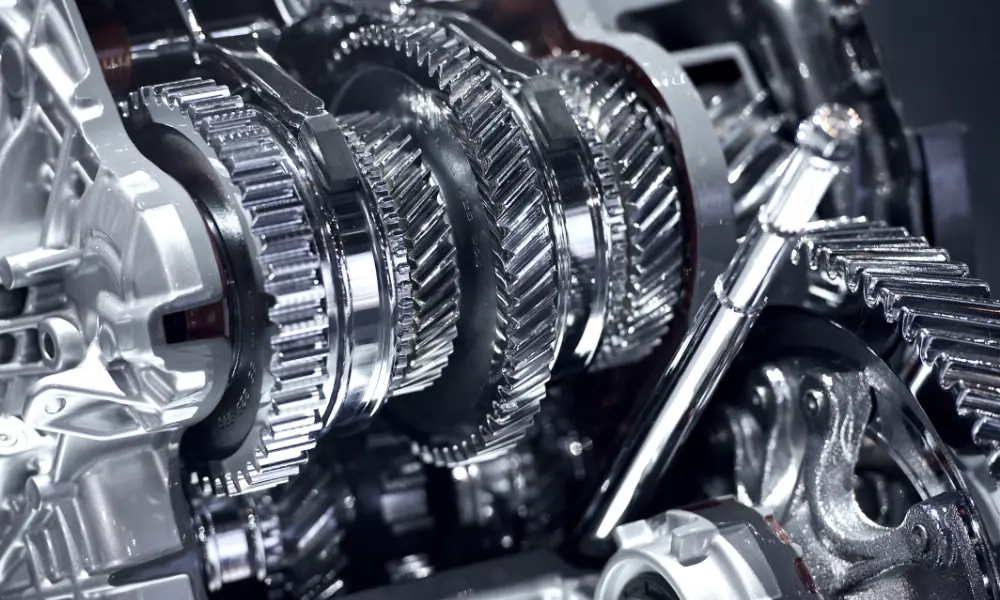
The DPS6 dry-clutch design uses two clutch packs that operate independently – one for odd-numbered gears and one for even-numbered gears. This design allows for pre-selection of the next gear, theoretically enabling faster and more efficient shifting.
However, several engineering flaws undermine this design:
- The dry clutches generate excessive heat without the cooling benefits of transmission fluid
- Seals fail prematurely, allowing contamination of critical components
- The transmission control module (TCM) lacks adequate protection from heat and vibration
- Software calibration cannot compensate for the mechanical limitations
These engineering shortcomings explain why software updates and even component replacements often fail to permanently resolve the issues. The fundamental design itself is flawed, making complete resolution challenging without a full transmission replacement.