Wondering if your Ford Fusion Hybrid’s battery is on its last legs? Or maybe you’re just planning ahead? Either way, replacing your hybrid battery is a significant expense that requires careful consideration. This guide breaks down everything from costs to DIY possibilities, helping you navigate this crucial maintenance decision.
How Long Do Ford Fusion Hybrid Batteries Last?
Ford Fusion Hybrid batteries are built to last, typically surviving 8-15 years or 100,000-150,000 miles before needing replacement. The newer lithium-ion batteries (2013-2019 models) generally outlast the older nickel-metal hydride versions found in 2010-2012 models.
Several factors affect your battery’s lifespan:
- Driving habits: Frequent short trips prevent the battery from reaching optimal operating temperature
- Climate: Extreme heat or cold can significantly reduce battery life
- Charging patterns: Deep discharges stress the battery more than partial ones
- Maintenance: Regular diagnostic checks can catch problems early
Ford’s confidence in their hybrid technology shows in their warranty coverage: 8 years or 100,000 miles in the U.S. (8 years/160,000 kilometers in Canada). However, normal capacity loss isn’t covered, so don’t expect a free replacement just because your range has gradually decreased.
Warning Signs Your Ford Fusion Hybrid Battery Is Failing
Don’t wait until you’re stranded! Here are the telltale symptoms that your hybrid battery is nearing the end:
Decreased Fuel Economy
Notice your trips to the gas station becoming more frequent? A failing hybrid battery forces the gas engine to work harder, potentially dropping your fuel efficiency by 20-30%. If your typical 40+ MPG has plummeted without explanation, your battery could be the culprit.
Dashboard Warning Lights
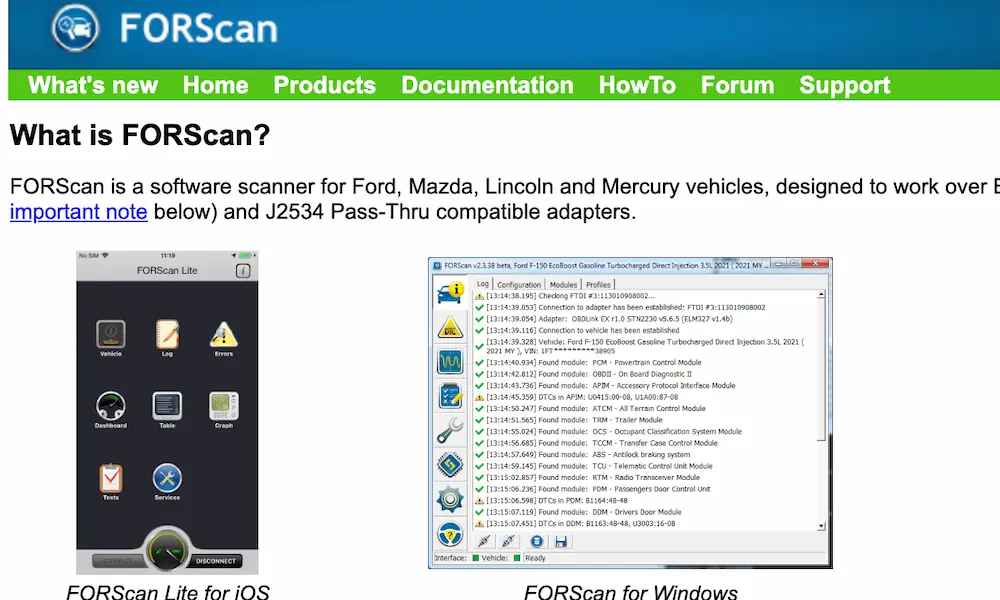
That ominous “Check Hybrid System” light isn’t something to ignore. When it illuminates, it’s often accompanied by specific diagnostic trouble codes (DTCs) that point to battery issues. Modern diagnostic tools can pinpoint exactly which cells are failing, sometimes allowing for targeted repairs instead of full replacement.
Performance Changes
Your once-zippy Fusion might feel sluggish, especially during electric-only operation. You might notice:
- Hesitation when accelerating from a stop
- Difficulty maintaining electric-only mode
- Engine running more frequently or at unusual times
- Strange noises from the battery cooling system
Battery Visual Inspection
Physical signs like swollen battery cases, leaking fluid, or corrosion around terminals indicate advanced deterioration that needs immediate attention.
Ford Fusion Hybrid Battery Replacement Cost
Prepare your wallet—hybrid battery replacement isn’t cheap. However, costs vary widely depending on several factors:
Cost Comparison By Model Year
| Model Years | Battery Type | Dealer Cost | Refurbished Cost | DIY/Used Cost |
|---|---|---|---|---|
| 2010-2012 | Nickel-Metal Hydride | $4,500-$6,000 | $1,550-$2,450 | $1,000-$2,000 |
| 2013-2019 | Lithium-Ion | $5,000-$8,000 | $2,350-$3,900 | $2,000-$2,500 |
These prices include parts and labor at different service providers. Third-party specialists often offer significant savings compared to dealerships.
Labor Costs Breakdown
Professional installation typically adds $500-$1,500 to your total, depending on:
- Dealership vs. independent shop rates
- Your location (urban centers typically charge more)
- Complexity of your specific model year
When comparing quotes, make sure you understand whether labor is included and if there are additional fees for diagnostic testing or disposal of the old battery.
OEM vs. Aftermarket Options
You have several options when replacing your battery:
- New OEM battery: The most expensive but comes with maximum reliability and often a new warranty
- Refurbished/Remanufactured: Companies like GreenTec Auto offer rebuilt packs at 30-50% less than dealer prices
- Used battery: The cheapest option but comes with significant risks regarding remaining lifespan
Many aftermarket suppliers offer warranties ranging from 1-3 years, making them an attractive middle ground between price and peace of mind.
DIY Ford Fusion Hybrid Battery Replacement
Feeling brave? DIY replacement is possible but comes with serious risks. Here’s what you should know:
Tools and Equipment Needed
This isn’t your standard oil change. You’ll need:
- Insulated gloves rated for high-voltage work
- Safety glasses and face shield
- Socket set with extensions
- Torque wrench
- Hybrid-specific diagnostic equipment
- Proper battery storage and transportation methods
Step-by-Step Process
The battery replacement process varies by model year, but generally follows these steps:
- Disconnect the 12V battery: Always start here to minimize electrical risks
- Locate and remove the high-voltage safety disconnect: This orange connector isolates the high-voltage system
- Wait at least 10 minutes: This allows capacitors to discharge
- Remove interior panels: Depending on model year, you’ll need to remove trunk liner or rear seat components
- Disconnect cooling and electrical connections: Label everything carefully
- Remove mounting brackets and the battery pack: This is heavy (roughly 150-200 pounds) and awkward
- Install new battery: Following exact reverse procedure
- Reset battery management system: Often requires dealer-level scanning tools
Safety Risks and Precautions
This isn’t a job for beginners. The hybrid battery system operates at approximately 300 volts DC—enough to cause serious injury or death. Additional risks include:
- Chemical exposure from damaged cells
- Lifting injuries from the heavy battery pack
- Vehicle damage from improper reconnection
- Fire hazards from damaged high-voltage components
If you’re not completely confident in your technical abilities, this is one job best left to professionals.
Choosing a Replacement Battery
Not all replacement batteries are created equal. Here’s what to consider:
Battery Types and Specifications
The Ford Fusion Hybrid uses different battery technologies depending on model year:
- 2010-2012: Nickel-metal hydride (NiMH)
- 2013-2019: Lithium-ion (Li-ion)
These aren’t interchangeable, so you must get the correct type for your vehicle. Specifications vary, but most Fusion hybrid batteries operate at around 300 volts with energy capacity between 1.4-1.6 kWh.
Warranty Considerations
When shopping for replacement batteries, compare warranty terms carefully:
- Length of coverage: 1-3 years is typical for aftermarket, while new OEM parts may offer longer protection
- Mileage limits: Some warranties cap at 12,000-36,000 miles
- Transferability: Can you transfer the warranty if you sell your car?
- Coverage details: What’s specifically included/excluded?
Many aftermarket suppliers now offer warranties comparable to OEM parts at much lower costs.
Post-Replacement Care and Optimization
After investing in a new battery, protect your investment with these best practices:
Maximizing Battery Lifespan
- Avoid extreme temperatures: Park in garages when possible
- Maintain 20-80% charge levels: This sweet spot reduces stress on lithium-ion cells
- Use regenerative braking: This helps recharge the battery efficiently
- Avoid long periods without driving: Occasional use keeps the battery management system working properly
Maintenance Schedule
- Regular hybrid system checks: Have a hybrid-savvy mechanic inspect the system annually
- Software updates: Ford occasionally releases updates that improve battery management
- Air filter maintenance: Keep the battery cooling system clean and functioning
Environmental Considerations
Hybrid batteries contain valuable and potentially harmful materials. Proper disposal or recycling is essential.
Recycling Options
Nearly 95% of hybrid battery materials can be recycled. When replacing your battery:
- Ask your service provider about their recycling program
- Check if the manufacturer offers a take-back program
- Look for local electronics recyclers that accept automotive batteries
- Some replacement providers offer core credits when you return your old battery
Environmental Impact
While manufacturing new batteries does have an environmental cost, remember that your hybrid vehicle’s overall environmental footprint remains significantly smaller than conventional vehicles—especially with proper battery recycling.
Extending Battery Life Before Replacement
Not ready for a full replacement? Try these interim solutions:
Battery Reconditioning Services
Some companies offer battery reconditioning services that can temporarily restore performance by:
- Rebalancing cell voltages
- Replacing only the weakest modules
- Recalibrating the battery management system
These services typically cost $500-$1,500 and might add 1-3 years of life to an aging battery.
Cell-Level Replacement
Rather than replacing the entire pack, some specialists can replace individual failed cells. This approach:
- Costs significantly less ($800-$1,500)
- Reduces waste
- Works best when only a few cells have failed
- May not be as durable as a complete replacement
Comparing Ford Fusion Hybrid to Other Hybrids
How does the Ford Fusion Hybrid battery compare to competitors?
| Vehicle | Battery Type | Typical Lifespan | Replacement Cost | Warranty |
|---|---|---|---|---|
| Ford Fusion Hybrid | Li-ion (2013+) | 8-15 years | $2,300-$8,000 | 8yr/100k mi |
| Toyota Camry Hybrid | NiMH | 10-15 years | $3,000-$4,500 | 10yr/150k mi |
| Honda Accord Hybrid | Li-ion | 8-12 years | $2,000-$4,000 | 8yr/100k mi |
Ford’s battery reliability is generally on par with the industry, though Toyota’s hybrid batteries have a slight edge in longevity according to most reliability studies.
Making the Right Decision for Your Situation
Weighing your options? Consider these factors when deciding on battery replacement:
Vehicle Value vs. Replacement Cost
If your Fusion is older (10+ years) or has high mileage (150,000+), compare the battery replacement cost against the car’s current market value. Sometimes it makes more financial sense to use that money as a down payment on a newer vehicle.
Driving Habits and Needs
Consider how you use your vehicle:
- High-mileage commuters benefit most from maintaining hybrid efficiency
- Mostly city drivers rely heavily on the battery for stop-and-go traffic
- Highway drivers might be less affected by reduced battery performance
Timing Considerations
If possible, plan your replacement strategically:
- Just before selling to maximize resale value
- When your budget allows for the expense
- During cooler months when batteries typically perform better
With proper planning and the right information, you can make this significant maintenance decision confidently and keep your Ford Fusion Hybrid running efficiently for years to come.