Is your Ford’s temperature display showing weird readings? Maybe it’s stuck at -40°F or 50°F regardless of the actual weather outside. Or perhaps your climate control system isn’t working properly. The culprit might be your outside temperature sensor. Let’s explore how you can reset it and get your vehicle back to normal operation.
What Is a Ford Outside Temperature Sensor?
Your Ford’s outside temperature sensor (also called the ambient air temperature sensor) does more than just tell you how hot or cold it is outside. This small but mighty component:
- Helps your climate control system work efficiently
- Affects engine performance and fuel economy
- Displays the outside temperature on your dashboard
The sensor is typically located behind the front bumper, near the grille, or sometimes in the passenger-side mirror assembly. When functioning correctly, it provides accurate temperature readings that help multiple vehicle systems operate properly.
Signs Your Outside Temperature Sensor Needs a Reset
How do you know if your sensor needs attention? Look for these telltale signs:
- Stuck readings: Your display shows the same temperature (often -40°F or 50°F) regardless of actual conditions
- Wildly inaccurate readings: The display shows temperatures that don’t match reality
- Erratic fluctuations: Temperature readings jump around while driving
- HVAC problems: Your air conditioning doesn’t engage properly or the recirculation mode keeps turning off
If you’re experiencing any of these issues, a sensor reset might be the solution.
Method 1: Battery Disconnection Reset
This is the simplest reset method and often works for many Ford models:
- Turn off your vehicle completely
- Open the hood
- Disconnect the negative battery terminal (the one with the “-” symbol)
- Wait 5-10 minutes
- Reconnect the battery terminal
- Start your vehicle
This procedure resets the vehicle’s electrical systems, including the temperature sensor’s learned values. Keep in mind that disconnecting the battery may also reset your radio presets and other personalized settings.
Method 2: Climate Control Button Combination
Some Ford models allow you to reset the temperature sensor using the climate control buttons:
- Turn on your vehicle (you don’t need the engine running, just the electrical system)
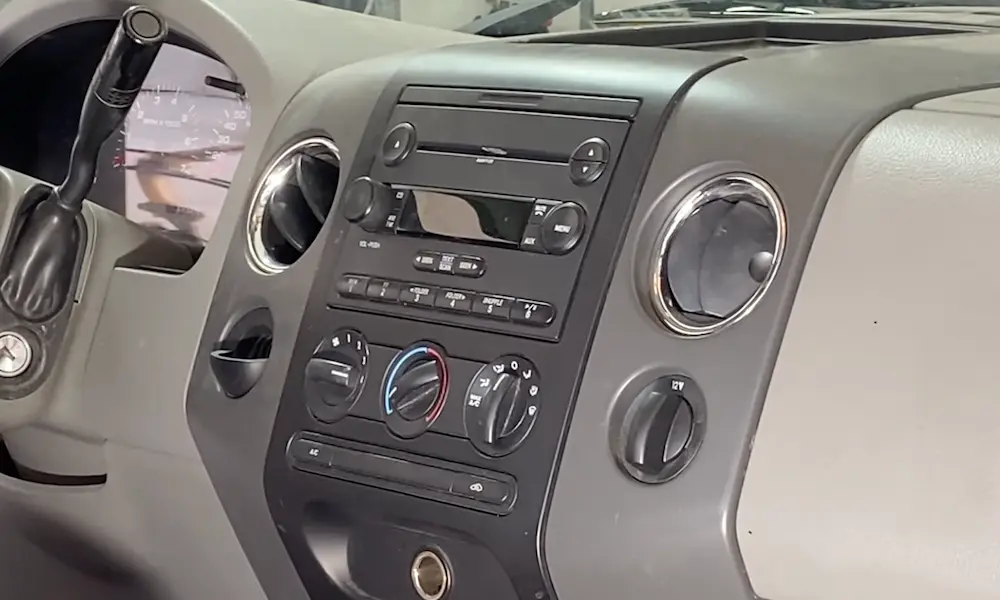
- Locate the A/C and Recirculation buttons on your climate control panel
- Press both buttons simultaneously and hold them for about 2 seconds
- Release both buttons, then quickly press the A/C button again within 2 seconds
- Check if your temperature display has reset
This method forces the Front Controls Interface Module to recalibrate the sensor input without resetting other systems.
Method 3: Driving Recalibration
Sometimes, the best reset method is simply taking your Ford for a drive:
- Start your vehicle and begin driving
- Maintain speeds above 20 mph for at least 5-10 minutes
- Monitor your temperature display for gradual correction
During this process, your vehicle’s computer system compares readings from multiple sensors and gradually adjusts the outside temperature reading to be more accurate.
Method 4: Using Diagnostic Tools
For persistent issues, you might need more advanced methods:
Using an OBD-II Scanner
- Purchase or borrow an OBD-II scanner that works with Ford vehicles
- Connect the scanner to your vehicle’s OBD-II port (usually under the dashboard)
- Navigate to the Body/HVAC module on the scanner
- Look for options like “Reset Outside Temperature” or “Clear Adaptations”
- Follow the prompts to complete the reset
Professional FDRS Tool Reset
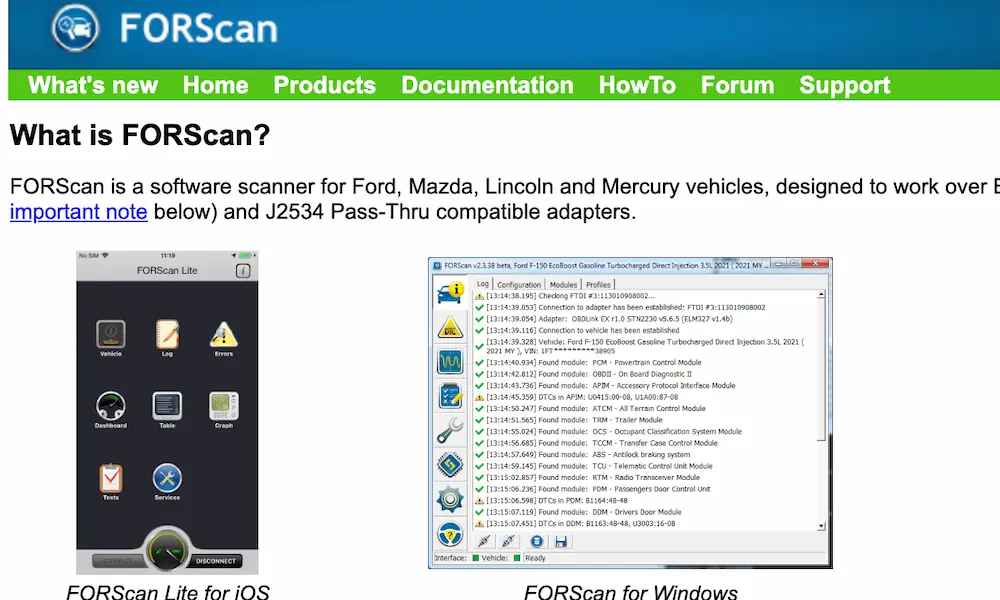
Ford dealerships and specialized mechanics use the Ford Diagnostic and Repair System (FDRS) for precise resets:
- The technician connects the FDRS scan tool to your vehicle
- They navigate to the HVAC module settings
- They select “Reset Outside Air Temperature Learned Values”
- The tool then guides them through the recalibration process
This professional-grade approach is recommended if other methods fail.
Why Your Temperature Sensor Matters
Your Ford’s temperature sensor affects more than just the number displayed on your dashboard:
Climate Control Impact
A malfunctioning sensor can cause:
- A/C compressor not engaging (the system may think it’s freezing outside)
- Recirculation mode deactivating unexpectedly
- Improper balance between heating and cooling
Engine Performance
The sensor data helps your engine control unit (ECU):
- Adjust fuel injection for optimal combustion
- Modify transmission shift patterns based on temperature
- Optimize overall performance in varying conditions
Incorrect readings can reduce fuel efficiency and potentially trigger check engine lights.
Checking If Your Sensor Needs Replacement
If reset methods don’t work, your sensor might need replacement. Here’s how to check:
Visual Inspection
- Locate your sensor (check your owner’s manual for the exact location)
- Look for visible damage, corrosion, or loose connections
- Check if the wiring harness is intact
Testing With a Multimeter
For those comfortable with basic automotive electronics:
- Disconnect the sensor’s electrical connector
- Set your multimeter to measure resistance (ohms)
- Connect the multimeter to the sensor terminals
- Compare the reading to specifications (typically around 2.2kΩ at 68°F for many Ford sensors)
- If readings are significantly off, replacement is likely needed
| Temperature | Typical Resistance |
|---|---|
| 32°F (0°C) | 3.5 – 4.0 kΩ |
| 68°F (20°C) | 2.0 – 2.5 kΩ |
| 86°F (30°C) | 1.0 – 1.5 kΩ |
| 104°F (40°C) | 0.6 – 0.8 kΩ |
Replacing Your Ford Temperature Sensor
If you’ve confirmed your sensor needs replacement:
DIY Replacement Steps
- Purchase the correct replacement sensor for your Ford model
- Locate the sensor (typically behind the front bumper or in the mirror housing)
- Disconnect the electrical connector
- Remove any mounting hardware (bolts, clips)
- Install the new sensor and reconnect the wiring
- Perform a reset using one of the methods described earlier
After Replacement
After installing a new sensor, take these steps:
- Clear any error codes using an OBD-II scanner
- Drive for 10-15 minutes to allow the sensor to calibrate
- Monitor temperature readings for accuracy
Troubleshooting Recirculation Mode Issues
If your climate control’s recirculation mode keeps turning off:
- Try selecting a specific vent mode (like panel or floor) before enabling recirculation
- Check for software updates at your Ford dealership
- Be aware that some Ford models are designed to automatically disable recirculation after a set time period
Preventive Maintenance for Temperature Sensors
To avoid future sensor issues:
- Avoid high-pressure washing directly at the front grille or mirror housing
- Regularly check for debris or buildup around sensor locations
- Address any damaged front-end components promptly
- Keep electrical connections clean and protected
Real-World Temperature Sensor Experiences
Many Ford owners have shared their experiences with temperature sensor issues. For example, on the Mustang6G forums, numerous owners reported their temperature displays being stuck at 50°F. After trying various reset procedures, most found that the button combination or driving recalibration methods resolved their issues.
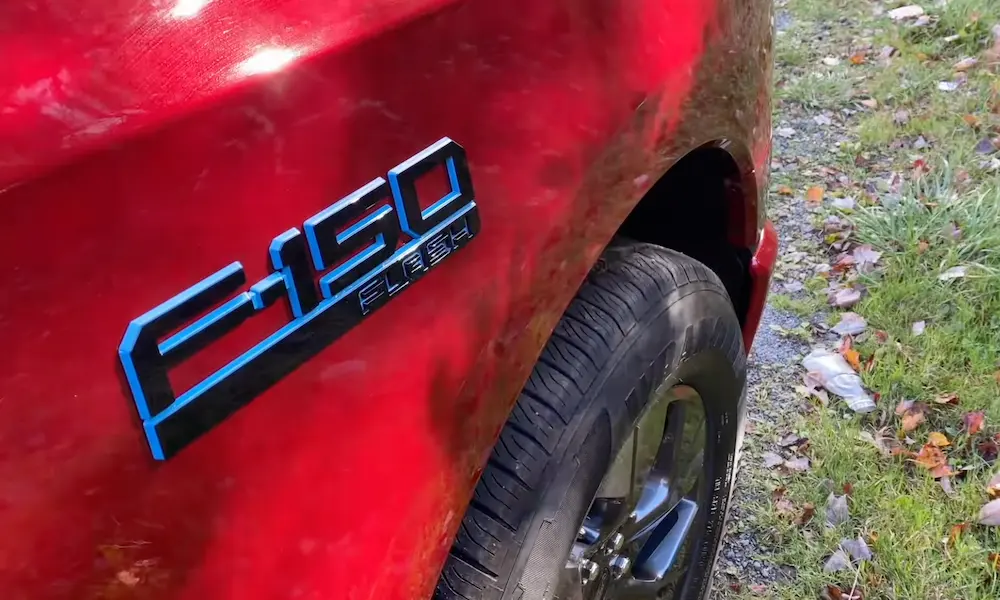
Similarly, F-150 owners on the F150Forum have successfully used the battery disconnection method to reset their sensors after noticing inaccurate readings.
The Connection Between Temperature Sensors and Vehicle Safety
While often overlooked, your outside temperature sensor does contribute to safety. The National Highway Traffic Safety Administration recognizes that proper climate control operation helps maintain driver alertness and comfort.
Additionally, some Ford models use temperature data to warn drivers of potentially icy conditions when temperatures approach freezing.
Temperature Sensor Technology Across Different Ford Models
Ford has used various temperature sensor technologies across its lineup:
| Ford Model | Typical Sensor Location | Reset Method Effectiveness |
|---|---|---|
| F-150 | Behind front grille | Battery disconnect (high), Button combo (medium) |
| Mustang | Passenger mirror | Driving calibration (high), Button combo (high) |
| Explorer | Lower bumper | Battery disconnect (medium), FDRS tool (high) |
| Edge | Front bumper assembly | Button combo (high), Driving calibration (medium) |
| Bronco | Upper grille | FDRS tool (high), Battery disconnect (medium) |
Before You Take Your Ford to the Dealer
If you’re considering a dealer visit for your temperature sensor issue, try these steps first:
- Document the exact symptoms and when they occur
- Try at least two different reset methods from this guide
- Check if your vehicle has any pending software updates
- Look for any technical service bulletins related to temperature sensors for your specific model
Many Ford owners have reported saving hundreds of dollars by performing simple resets themselves before seeking professional help.
Common Questions About Ford Temperature Sensors
How accurate should my Ford’s temperature display be?
Your display should be within 3-5 degrees of actual temperature. Keep in mind that direct sunlight can affect readings.
Will a temperature sensor issue cause a check engine light?
Not usually, but in some cases, it could trigger codes like P0073 (Ambient Air Temperature Sensor Circuit High).
How often do these sensors typically fail?
With normal use, Ford temperature sensors usually last 5-10 years. Physical damage or water intrusion can cause premature failure.
Does driving in extreme weather affect sensor life?
Prolonged exposure to very high heat or extreme cold can potentially reduce sensor lifespan, but they’re designed to withstand varying weather conditions.
By following the steps in this guide, you should be able to reset your Ford’s outside temperature sensor and restore proper operation to your vehicle’s climate control system. If problems persist, a sensor replacement or professional diagnostic may be necessary.