Hearing that shudder from your transfer case? It might just be the wrong fluid. Finding the right GM Auto Trak 2 fluid equivalent can feel confusing with so many options on store shelves. This post cuts through the noise and tells you exactly what works, what doesn’t, and why it matters for your truck’s 4WD system. Stick around — it could save your transfer case.
What Makes GM Auto Trak II So Special?
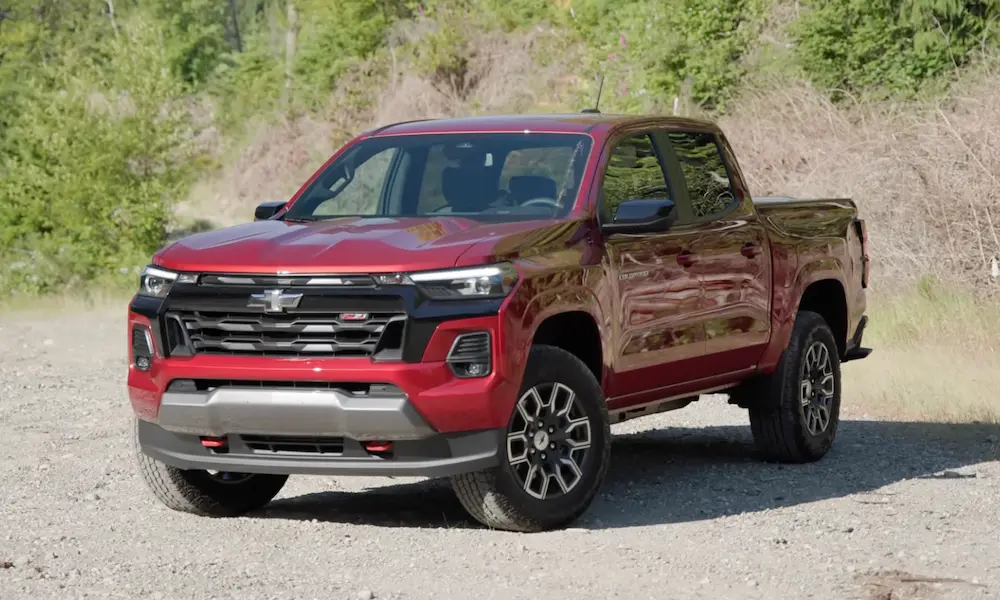
GM didn’t create Auto Trak II just to be different. They created it because older fluids like Dexron III were failing in a new generation of automatic transfer cases.
Transfer cases like the NP246 and NVG 226 use a multi-plate wet clutch pack. This clutch engages and disengages dynamically — dozens of times per drive — based on wheel speed sensors. Standard ATF wasn’t designed to handle that kind of constant, variable pressure. The result? Clutch shudder — that annoying vibration you feel during slow turns on dry pavement.
Auto Trak II solved this with a specialized friction modifier package that lets clutch plates grip and slip smoothly without generating excessive heat. It’s also got a distinctive blue color so technicians don’t accidentally pour in red transmission fluid.
Here’s a quick look at the transfer cases that need this fluid:
| Transfer Case Model | Common Vehicle Applications | Fluid Needed |
|---|---|---|
| NP246 / NV246 | Silverado, Sierra, Tahoe, Suburban, Yukon | Auto Trak II |
| NVG 226 HD | Envoy, TrailBlazer, Buick Rainier, Bravada | Auto Trak II |
| BorgWarner 44-40 | Some RAM/Chrysler variants | Auto Trak II Equivalent |
| Electronic AWD Units | Buick, Cadillac, select Chevy SUVs | Auto Trak II / OEM Specific |
What’s Actually Inside Auto Trak II?
The ACDelco Auto Trak II safety data sheet tells an interesting story. It’s built on hydrotreated petroleum base oil — processed with hydrogen at high temperatures to strip out sulfur and nitrogen. That gives it chemical stability and resistance to sludge buildup.
The additive package focuses on three things:
- Friction modifiers — keep clutch plates from chattering
- Antioxidants — prevent breakdown during towing or heavy 4WD use
- Seal conditioners — protect internal seals from drying and cracking
Here are the key specs straight from the official technical data:
| Property | Value | Test Method |
|---|---|---|
| Kinematic Viscosity @ 40°C | 34.41 cSt | ASTM D445 |
| Kinematic Viscosity @ 100°C | 7.33 cSt | ASTM D445 |
| Flash Point | 212°C (414°F) | Cleveland Open Cup |
| Pour Point | -48°C (-54°F) | ASTM D97 |
| Density | 0.8508 kg/L | At 15°C |
That -48°C pour point means it flows immediately on a cold start. And that high flash point means it won’t thin out or vaporize during heavy-duty use.
The Best GM Auto Trak 2 Fluid Equivalents Right Now
The genuine ACDelco product works perfectly. But it’s not always available locally, and it’s not cheap. Here are the aftermarket alternatives that actually hold up.
Valvoline Multi-Vehicle Transfer Case Fluid
This is probably the most popular GM Auto Trak 2 fluid equivalent on the market. Valvoline’s Multi-Vehicle Transfer Case Fluid (SKU 855459) is fully synthetic and explicitly listed to replace GM Auto Trak II, Ford XL-12, and several ATF specifications.
It’s red, not blue — that throws some people off. But the color is just dye. The friction modifier package does the same job. Field reports from GMC Envoy XL owners describe smoother shifts and resolution of the “Service 4WD” warning light after switching. It’s also available at most O’Reilly Auto Parts and AutoZone locations.
AMSOIL Signature Series Multi-Vehicle Synthetic ATF
AMSOIL takes a performance-first approach. Their Signature Series Multi-Vehicle Synthetic ATF is built for severe-duty applications — towing, off-roading, and extreme temperatures.
The big proof point? A 180,000-mile severe-service taxi fleet test in Las Vegas showed the fluid maintained oxidation resistance far beyond industry standards. For a transfer case, that means cleaner clutch packs and virtually zero sludge over the fluid’s life.
They also offer a more budget-friendly option — the AMSOIL OE Multi-Vehicle Synthetic ATF — if you don’t need quite that level of protection.
Royal Purple Synchromax
If your transfer case runs hot or makes noise, Royal Purple Synchromax is worth a look. It uses Royal Purple’s proprietary Synerlec additive technology, which reduces internal friction and lowers operating temperatures.
It’s also safe for use with yellow metals like bronze and copper — components found in many older GM drivetrain assemblies. Cooler operation means less fluid thinning, which matters a lot if you’re crawling through sand or climbing trails in the summer heat.
Red Line MTL 75W80 GL-4
Red Line’s MTL 75W80 uses ester-based synthetic base stocks. Esters provide natural detergency — they literally clean as they lubricate. They also have a very high viscosity index, so the fluid doesn’t thin out at high temperatures like cheaper petroleum-based options do.
For high-mileage trucks with some wear already on the internals, this is a solid choice. Red Line also offers the MT-LV 70W/75W for newer vehicles where a lighter viscosity helps fuel efficiency.
Ravenol DTF-1
For the international market or workshops servicing a wide range of vehicles, Ravenol’s DTF-1 is a PAO-based fully synthetic fluid designed for electronically controlled transfer cases. It’s also specified for BMW, Land Rover, and Porsche active transfer systems. That’s a strong compatibility track record.
Here’s the full comparison at a glance:
| Brand | Product | Type | Key Strength |
|---|---|---|---|
| Valvoline | Multi-Vehicle TCF | Full Synthetic | Easy availability, smooth shifts |
| AMSOIL | Signature Series | Full Synthetic | 180k-mile severe service proven |
| Royal Purple | Synchromax | Synthetic (Synerlec) | Reduces heat and gear noise |
| Red Line | MTL 75W80 | Full Synthetic (Ester) | Natural detergency, high VI |
| Ravenol | DTF-1 | Full Synthetic (PAO) | Global compatibility |
| Mobil 1 | Synthetic ATF | Full Synthetic | Thermal stability (verify fitment) |
Don’t Make the Dexron VI Mistake
This is where a lot of people go wrong. In 2005, GM released Dexron VI as a backward-compatible replacement for Dexron III in automatic transmissions. The official GM bulletin confirmed that compatibility — but only for transmissions.
Dexron VI has a completely different friction modifier package. It was engineered for “clutch-to-clutch” shifting in six-speed automatics. Your transfer case uses “clutch-on-demand” engagement — a fundamentally different system. Forum discussions and owner reports confirm that Dexron VI in an Auto Trak II transfer case can result in:
- Loss of on-the-fly 4WD engagement (system only works from a standstill)
- Clutch shudder returning despite fresh fluid
- Increased synchronizer wear over time
GM actually released a separate part (Part Number 88861800) for manual transmission applications that previously used Dexron III but can’t run Dexron VI. For your Auto Trak II transfer case, stick to fluids that explicitly list the GM 88900402 or 12378508 part numbers as compatible replacements.
How to Know Your Fluid Has Failed
Auto Trak II isn’t a lifetime fluid — especially under hard use. Here’s what to watch for:
- Clutch shudder: Rhythmic vibration during slow, dry-pavement turns — classic sign of depleted friction modifiers
- Milky or cloudy fluid: Water contamination through the vent tube after deep water crossings
- Dark, burnt-smelling fluid: Heat damage from overheating during towing or sustained 4WD use
- Gear noise: Humming or whining from the transfer case area signals bearing or gear wear
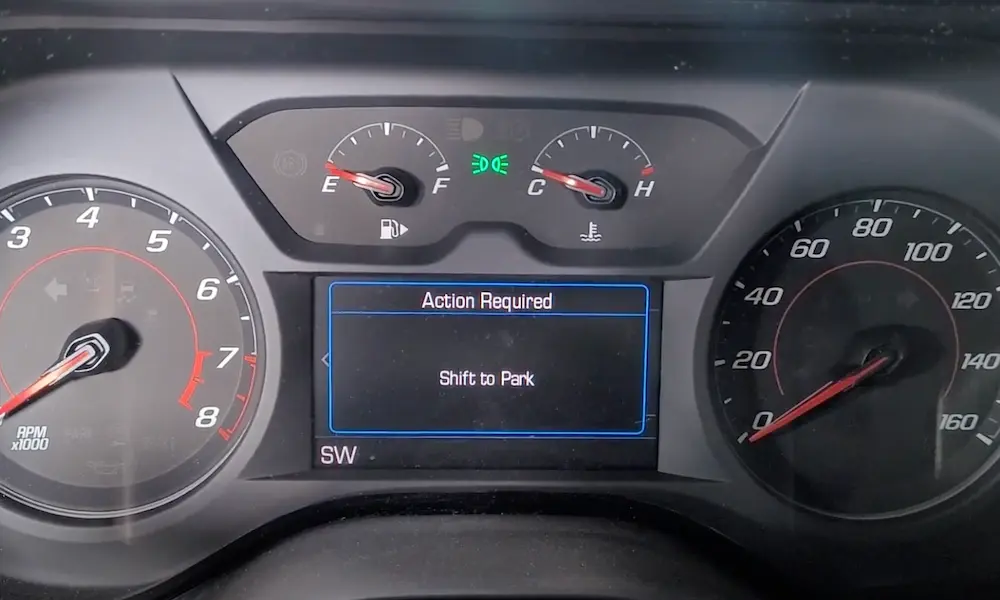
- Service 4WD light: The computer detects internal slip and throws a warning
Transfer Case Fluid Service: Capacity and Intervals
The service process is simple. Drain the old fluid, refill to the bottom of the fill plug with the vehicle level. Most GM half-ton trucks take about two quarts.
| Vehicle | Fluid Capacity | Normal Interval | Severe Interval |
|---|---|---|---|
| Chevy Silverado 1500 | 2.0 qts / 1.9L | 50,000 miles | 25,000 miles |
| GMC Envoy XL | 2.0 qts / 1.9L | Check every 15,000 miles | — |
| Chevy Suburban / Tahoe | 2.0–2.1 qts | Per owner’s manual | Per service light |
| Heavy Duty / Commercial | Varies | 15,000–30,000 miles | Per use |
If you’re towing regularly, driving off-road, or the truck has over 100,000 miles — treat it as severe duty and service it at the shorter interval.
Safe Handling and Disposal
Auto Trak II is low-risk, but it still needs proper handling. The safety data confirms it’s not classified as a hazardous substance under GHS. That said:
- Skin contact: Wash with soap and water immediately — prolonged contact irritates skin
- Eye contact: Flush with water for several minutes; get medical attention if irritation continues
- Inhalation: Move to fresh air; always work in a ventilated space
- Disposal: Never pour it down a drain — it’s insoluble in water and can contaminate groundwater. Take used fluid to an approved recycling center
What to Buy: The Bottom Line
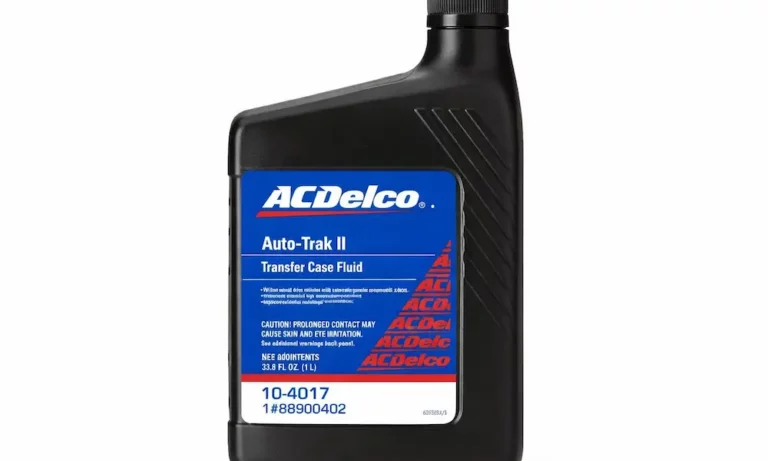
If you want the safest, most conservative option — buy the genuine ACDelco 10-4017 from Advance Auto Parts or your local dealer. It’s the benchmark.
If you want a synthetic upgrade that matches or beats OEM performance — the Valvoline Multi-Vehicle TCF is the easiest to find and most widely proven. For severe duty or high mileage trucks, AMSOIL Signature Series is the strongest choice based on real-world testing.
Just make sure whatever you buy explicitly lists GM Auto Trak II compatibility. Don’t assume Dexron VI will do the job — it won’t. Your transfer case has a specific friction requirement, and the right fluid is the only thing standing between smooth 4WD engagement and an expensive repair bill.