Thinking about a Honda with that 1.5-liter turbo engine? You’re probably wondering if it’s as bulletproof as Honda’s older engines. Here’s the straight answer: it’s reliable for a modern turbo engine, but it won’t match the legendary status of Honda’s naturally aspirated motors. Let’s break down what that really means for your wallet and peace of mind.
What Makes the Honda 1.5 Turbo Different
Honda ditched its traditional naturally aspirated engines for this turbocharged setup in 2016. It’s not just a philosophical change—it’s a completely different beast under the hood.
The L15B engine (that’s the official name) cranks out 174-205 horsepower depending on which Honda you’re driving. You’ll find it in the Civic, CR-V, and Accord. Honda built over 3 million of these engines worldwide, so they’re not exactly rare.
Here’s what’s new: direct fuel injection, a small turbocharger, and VTEC technology all working together. The goal? Better fuel economy without sacrificing power. Sounds great, right? Well, there’s a trade-off.
Where You’ll Find This Engine
The 1.5 turbo powers the higher trim levels of:
- 2016-present Civic
- 2017-present CR-V
- 2018-present Accord
Honda tweaked the engine over the years. If you’re shopping for one, know that 2019+ models got important updates that fixed early problems. We’ll get into those later.
The Oil Dilution Problem You Should Know About
Let’s talk about the elephant in the room: oil dilution. It’s the most common issue with Honda 1.5 turbo reliability, especially in 2016-2018 models.
Here’s what happens: fuel sneaks past the piston rings and mixes with your engine oil. Your oil gets thinner, doesn’t protect as well, and can cause serious wear.
Why does this happen? The direct injection system sprays fuel right into the cylinder. During cold starts or short trips, the engine doesn’t warm up enough. Fuel sticks to the cylinder walls and drips down into the oil pan.
Honda’s Fix (Sort Of)
Honda admitted there was a problem in 2018. They released a technical service bulletin and extended the warranty to six years with unlimited miles for affected cars.
The fix? Software updates that change how the engine warms up. Some cars also got new air conditioning control units. Does it work? Mostly, yes—but the problem isn’t 100% gone.
If you’ve got a 2016-2018 CR-V or Civic, check your oil regularly. If it smells like gas or the level is rising instead of dropping, you’ve got dilution happening.
Head Gasket Failures Are Getting Attention
Here’s the newer concern that’s got Honda in hot water: head gasket failures.
Recent lawsuits claim Honda’s 1.5 turbo engines blow head gaskets way too early. We’re talking 40,000-90,000 miles—that’s unacceptable for a Honda. The problem shows up most in 2018-2024 Accords.
What causes it? The cylinder head design has coolant channels between cylinders that might restrict flow and create hot spots. Add in the higher pressures from turbocharging, and you’ve got a recipe for gasket failure.
One Honda dealer tech said he’s done more head gasket replacements on these engines in recent years than on all other Honda engines combined since 2008. That’s not a great look.
What It Costs to Fix
If your head gasket goes, you’re looking at $2,500-4,000 for the repair. That’s not pocket change. The good news? Not every 1.5 turbo engine fails this way, but it happens often enough to worry about.
Carbon Buildup Is Part of the Deal
All direct injection engines—not just Honda’s—get carbon buildup on the intake valves. There’s no fuel washing over the valves to keep them clean, so oil vapor from the PCV system bakes onto them.
You’ll notice symptoms around 60,000-100,000 miles:
- Rough idle
- Less power than usual
- Worse fuel economy
- Engine misfires
The fix is walnut blasting or chemical cleaning, which runs about $500-600. Most owners need this service every 50,000-70,000 miles to keep things running smoothly.
Is it annoying? Sure. But it’s not unique to Honda—it’s just how modern direct injection works.
Other Issues to Watch For
The 1.5 turbo has a few other quirks worth mentioning.
Wastegate Rattle
The turbocharger’s wastegate can develop play over time, creating a rattling noise when you let off the gas. It’s mostly just annoying, but severe cases can mess with boost control. Some owners have filed lemon law claims over persistent wastegate problems.
Fuel Injector Problems
Direct injection fuel injectors can clog or fail, especially if you’ve got carbon buildup. Replacing them costs anywhere from several hundred to over a thousand bucks depending on how many need replacing.
Timing Chain Wear
Skip your oil changes, and you might face premature timing chain stretch. You’ll hear it as a rattle on startup. Fixing it isn’t cheap, so just do your oil changes on time.
How Long Do These Engines Really Last?
Here’s the good news: plenty of owners hit 150,000-200,000+ miles without major problems. One 2018 Civic owner even reported 300,000 miles with just routine maintenance.
But—and it’s a big but—the failure rate is higher than Honda’s naturally aspirated engines. Data from the CivicX tuning community tracking 1,600+ modified cars shows a 5.7% major failure rate. Head gaskets accounted for 30% of those engine failures.
That’s not terrible for a turbocharged engine, but it’s not Honda’s old-school reputation either.
What Maintenance Actually Costs
Budget more than you would for a naturally aspirated Honda. Annual maintenance runs $600-800 compared to $400-450 for non-turbo engines.
Here’s your essential maintenance schedule:
| Service | Interval | Cost |
|---|---|---|
| Oil changes (synthetic) | Every 5,000-6,000 miles | $60-80 |
| Carbon cleaning | Every 50,000-70,000 miles | $500-600 |
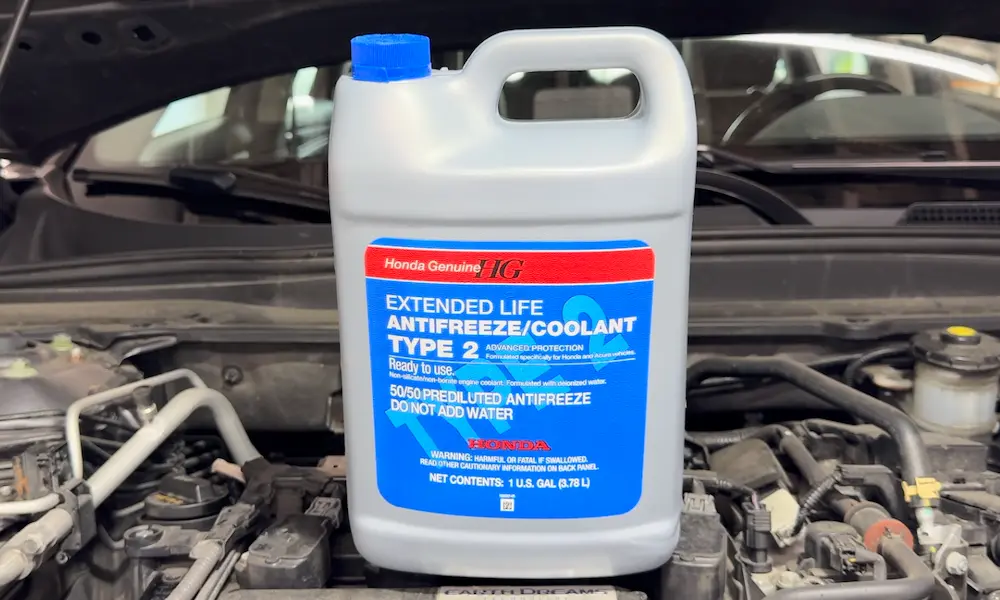
| Coolant replacement | Every 60,000 miles | $150-200 |
Don’t stretch your oil changes to Honda’s 7,500-mile recommendation. These turbo engines run hotter and work harder. Stick with 5,000-6,000 miles using good synthetic oil.
Newer Models Are Better
Honda didn’t just ignore these problems. The 2019 model year brought significant improvements:
- Updated engine software
- Better PCV systems
- Revised calibration to reduce oil dilution
Owners report way less oil dilution in 2019+ models. The 2022-2025 models seem even better, with fewer complaints across the board.
The engine’s basic design hasn’t changed, but Honda’s gotten better at managing its quirks through software tweaks and manufacturing improvements.
How It Stacks Up Against Naturally Aspirated Engines
Honda’s old naturally aspirated engines—like the 2.4-liter four-cylinder—are legendary for a reason. They routinely hit 200,000+ miles with minimal repairs and lower maintenance costs.
The naturally aspirated engines win on:
- Fewer parts to break
- Lower stress on components
- 40-50% lower annual repair costs
- Longer expected lifespan (20,000-40,000 more miles typically)
The 1.5 turbo wins on:
- Better fuel economy (15-20% improvement)
- More power
- Punchier acceleration
It’s a trade-off. If you want the most reliable Honda, go naturally aspirated—if that’s still an option in the model you want.
Compared to Other Turbocharged Engines
Against other manufacturers’ small turbo engines, the Honda 1.5 holds up pretty well. It doesn’t have the catastrophic failures you see with some GM or early Ford EcoBoost engines.
But it’s still not as reliable as Toyota’s naturally aspirated motors or even Mazda’s SkyActiv engines. Honda’s reputation took a small hit with this engine, and it’s deserved.
How to Make Your 1.5 Turbo Last
Want to beat the odds? Here’s what actually works.
Drive It Right
- Let it warm up: Don’t just start and immediately drive hard. Give it a minute.
- Avoid constant short trips: The engine needs to reach full operating temperature regularly to burn off fuel contamination.
- Use premium fuel sometimes: Higher octane reduces knock and might help with longevity. Some owners swear by it.
- Break it in gently: Keep it easy for the first 10,000 miles.
Stay on Top of Maintenance
Check your oil level frequently. If it’s rising instead of dropping between changes, or if it smells like gas, you’ve got dilution happening. Deal with it before it causes damage.
Use Top Tier gasoline from reputable stations. The detergents help keep injectors cleaner.
Don’t skip the carbon cleaning service. Yes, it’s $500-600, but it’s cheaper than dealing with misfires and reduced performance.
What Major Repairs Actually Cost
If something goes wrong, here’s what you’re facing:
| Repair | Cost Range |
|---|---|
| Head gasket replacement | $2,500-4,000 |
| Carbon cleaning | $500-600 |
| Fuel injector replacement (full set) | $800-1,500 |
| Turbocharger replacement | $2,000-3,500 |
These aren’t maintenance items—these are actual failures. Not everyone will face these, but they’re common enough that you should know the numbers.
Total Ownership Costs
Over 100,000 miles, expect to spend $1,500-2,500 more than you would on a naturally aspirated Honda. The improved fuel economy helps offset some of this, but not all of it.
If you’re planning to keep the car past 100,000 miles, factor in at least one carbon cleaning service and possibly more frequent repairs than you’d expect from an older Honda.
Should You Buy One?
The Honda 1.5 turbo reliability question doesn’t have a simple yes or no answer.
Buy one if:
- You want good fuel economy with decent power
- You’re okay with more frequent maintenance
- You can afford the higher ownership costs
- You’re getting a 2019 or newer model
- You do mostly longer trips (not just short drives)
Skip it if:
- You want maximum reliability and minimum hassle
- You drive mostly short trips in cold weather
- You plan to keep it past 150,000 miles
- You’re used to Honda’s old-school bulletproof reputation
- A naturally aspirated option is available
For most people, a 2019+ Honda 1.5 turbo will serve you fine if you maintain it properly. Just don’t expect it to be as carefree as your friend’s 2010 Accord with 250,000 trouble-free miles.
The engine isn’t bad—it’s just not what Honda used to be known for. And that’s the honest truth about Honda 1.5 turbo reliability.