Ever hit the brakes in your Honda Accord only to hear an unusual sound or feel something just isn’t right? You’re about to discover the most common brake issues affecting Honda Accord models, their warning signs, and what you can do about them. From mysterious warning lights to unexpected automatic braking, these problems can range from minor inconveniences to serious safety concerns.
The NHTSA Investigation: Phantom Braking Issues
The National Highway Traffic Safety Administration (NHTSA) has launched a major investigation into nearly 3 million Honda vehicles, including 2018-2022 Honda Accord models. This investigation focuses on a potentially dangerous issue with the Collision Mitigation Braking System (CMBS).
What’s Happening?
The CMBS is activating without any apparent obstacles in front of the vehicle, causing unexpected and sudden braking. As of April 2024, the NHTSA has received 1,294 complaints about false CMBS activation, with 31 crashes and 58 injuries reported.
Affected Vehicles
The investigation covers approximately 2,997,604 vehicles, including:
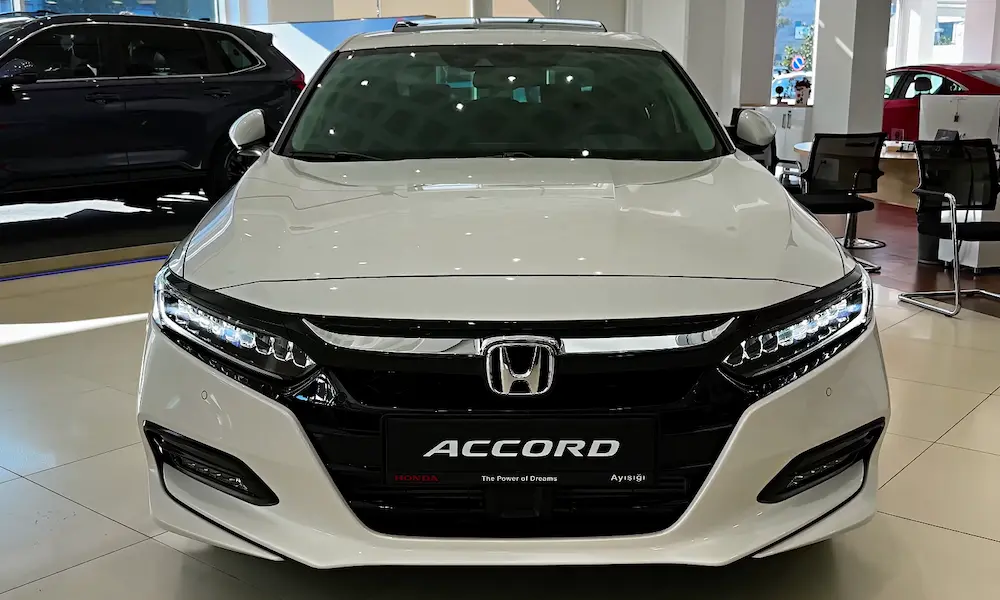
- Honda Accord (2018-2022)
- Honda Accord Hybrid (2018-2022)
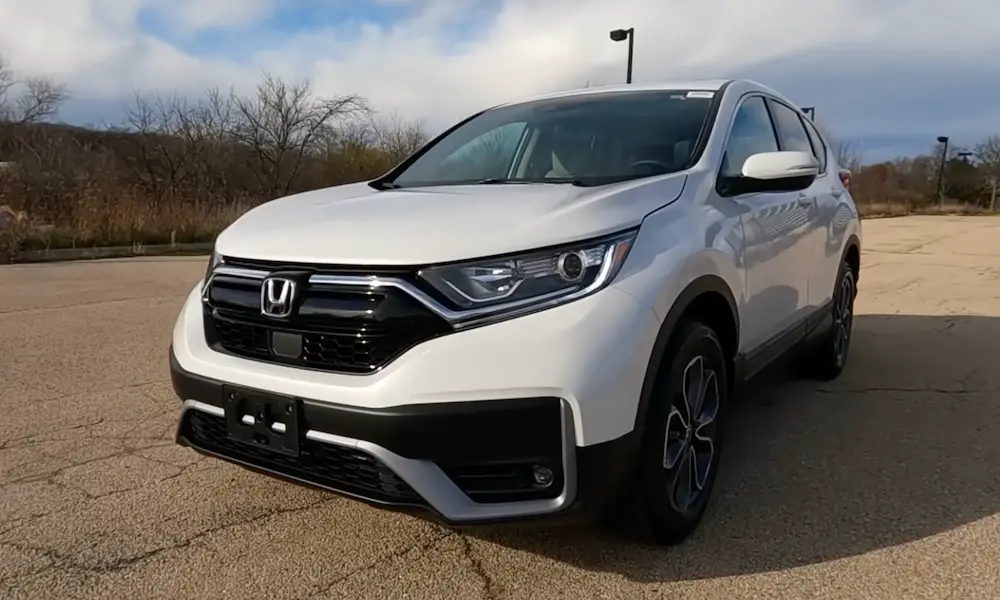
- Honda CR-V (2017-2022)
- Honda CR-V Hybrid (2020-2022)
If you experience sudden unexpected braking in your Accord, report it to NHTSA and contact your dealer immediately.
Electronic Parking Brake Problems
Modern Honda Accords feature an electronic parking brake (EPB) system that can experience several issues.
Common Symptoms
- “Brake Hold System Problem” error message on the dashboard
- Parking brake won’t engage or disengage
- EPB warning light stays illuminated
- Grinding or clicking noises when using the parking brake
Root Causes
The main culprits behind electronic parking brake problems include:
- Low 12V battery voltage: This can trigger multiple brake-related warning messages
- Failed parking brake actuator: The motor mechanism may not engage or disengage properly
- Faulty ABS sensors: Wheel speed sensors affect the brake hold system
- Auxiliary battery problems: Some models have a secondary battery that powers the EPB system
If your Honda displays the “Brake Hold System Problem” message, have your battery and charging system tested first, as this is often the simplest fix.
ABS and VSA Module Failures
Honda Accord models from 2008-2017 are particularly prone to ABS/VSA (Vehicle Stability Assist) module failures.
Warning Signs
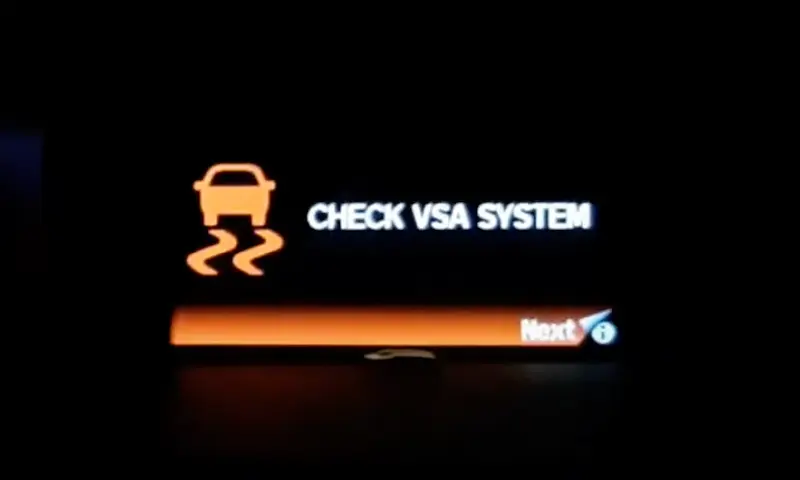
- Multiple dashboard warning lights illuminating simultaneously (ABS, VSA, brake, TPMS)
- Communication error codes (especially Code U0121)
- Loss of ABS functionality
- Speedometer malfunctions
- Wheel speed sensor codes
The Technical Problem
The root cause typically involves internal component failures within the ABS module, particularly solenoid valve malfunctions. These electronic parts wear out over time or can be damaged by moisture.
Repair Options and Costs
Complete module replacement can cost $800-2000, but many owners save money through professional module repair services. These services rebuild the existing unit for about half the cost of replacement.
Brake Pad and Rotor Issues
Even with regular maintenance, Honda Accords can experience specific issues with brake pads and rotors.
Model-Specific Problems
2013 Honda Accord: These models are covered under Technical Service Bulletin (TSB) 12-081 addressing front brake squealing during turns. The problem is caused by displaced brake pad retainer clips.
Common Brake Pad Problems
- Premature wear: Some models experience faster-than-normal pad wear, especially on rear brakes
- Uneven wear patterns: Often indicates caliper problems
- Excessive noise: Squeaking, grinding, or squealing, particularly in cold weather
How to Check Your Pads
Regular visual inspections can catch pad issues early. Look through the wheel spokes to see the pad material. If it’s less than ¼ inch thick, it’s time for replacement.
Brake Caliper Problems
Brake caliper issues are particularly common in 2009-2017 Honda Accord models.
Warning Signs of Caliper Problems
- Uneven brake pad wear (one side wearing faster than the other)
- Wheel overheating and burning smells
- Vehicle pulling to one side during braking
- Reduced braking efficiency
Why Calipers Fail
The primary causes include:
- Corrosion of guide pins: These need regular lubrication
- Contaminated brake fluid: Old fluid absorbs moisture, causing internal corrosion
- Damaged caliper seals: Allows brake fluid to leak and air to enter the system
Repair Costs
Caliper replacement or rebuilding typically costs $300-800 per caliper, depending on whether you choose OEM or aftermarket parts.
Master Cylinder and Brake Fluid Issues
The master cylinder is the heart of your Accord’s braking system, and failures present serious safety concerns.
Master Cylinder Failure Symptoms
- Spongy or soft brake pedal
- Brake pedal sinking to the floor
- Extended braking distances
- Brake fluid contamination
- External or internal fluid leaks
Brake Fluid Leak Locations
Brake fluid leaks can occur in multiple locations:
- Brake lines and hoses: Age-related deterioration and corrosion
- Master cylinder seals: Internal seal failure can cause fluid to leak
- Caliper seals: Worn piston seals let fluid escape
- ABS unit leaks: Particularly in older models
Prevention Tips
- Change brake fluid every 3 years or 30,000 miles
- Inspect the brake fluid reservoir level monthly
- Look for fluid puddles under your parked car
- Address any brake pedal softness immediately
Recent Recalls and Safety Issues
Brake Pedal Assembly Recall (2023-2025)
Honda issued a recall affecting 259,000 vehicles in the U.S., including certain Honda Accord models, for brake pedal assembly problems. The issue involves improperly staked brake pedal pivot pins that may allow the pedal to shift out of position, potentially causing:
- Unintended brake application
- Compromised ability to slow or stop
- Abnormal brake pedal feel
- Brake malfunction light activation
- Brake lights remaining illuminated
VSA Modulator Recall
Honda has also issued recalls for VSA modulator problems in certain models, where ball valves may leak brake fluid, affecting the vehicle stability assist system.
Understanding Honda Accord Brake Warning Lights
Your Honda’s dashboard warning lights provide early warnings of brake system issues.
Brake Warning Light Guide
| Warning Light | Color | Meaning |
|---|---|---|
| BRAKE | Red | Parking brake engagement, low brake fluid, or brake system malfunction |
| ABS | Amber | Anti-lock braking system problems |
| VSA | Amber | Vehicle stability assist issues |
| Brake System | Amber | Secondary brake system warnings |
Common Causes for Warning Lights
- Low brake fluid levels: Check and top up fluid if needed
- Faulty brake fluid level sensors: May need replacement
- Parking brake switch problems: Can cause false warnings
- ABS system malfunctions: Requires diagnostic scanning
If the red BRAKE light comes on while driving, treat it as an emergency and have your vehicle inspected immediately.
Maintenance Schedule and Costs
Regular maintenance can prevent many brake problems and extend the life of your Honda Accord’s braking system.
Recommended Maintenance Intervals
| Service | When to Perform | Average Cost |
|---|---|---|
| Brake fluid change | Every 3 years/30,000 miles | $100-150 |
| Brake pad replacement | Every 30,000-70,000 miles | $150-300 per axle |
| Rotor replacement | Every 50,000-70,000 miles | $250-400 per axle |
| Caliper overhaul | As needed (typically 100,000+ miles) | $300-800 per axle |
| System inspection | Every 12,000 miles | $50-100 |
DIY vs. Professional Repair
While some owners choose to perform basic brake maintenance themselves, electronic brake systems like the EPB and ABS require professional diagnosis and repair tools. Always have electronic brake issues diagnosed by qualified technicians.
Prevention and Early Detection
Keep your Honda Accord’s braking system in top shape with these proactive measures:
Preventive Tips
- Listen for changes: Any new noise when braking warrants investigation
- Feel for changes: Note any vibrations, pulsations, or softness in the brake pedal
- Check fluid regularly: Low or dirty fluid needs addressing
- Respond to warning lights: Don’t ignore even intermittent warning lights
- Follow maintenance schedules: Don’t extend service intervals beyond recommendations
Firmware Updates
Some braking issues, especially with the CMBS system, may be addressed through dealer-performed software updates. Contact your dealer to check if any updates are available for your specific model year.
How to Check Your Honda Accord’s Brake System
Here’s a simple inspection you can perform monthly:
- Check the fluid reservoir: Look for the proper level and clear, amber-colored fluid
- Inspect wheels for brake dust: Uneven dust distribution may indicate caliper issues
- Listen during a test drive: Note any unusual sounds during braking
- Feel the brake pedal: It should be firm, not spongy
- Watch for warning lights: Note any that appear during startup or driving
Your Honda Accord’s braking system is sophisticated but can still develop problems over time. By staying alert to warning signs and maintaining regular service intervals, you’ll help ensure your vehicle stops safely every time you press the brake pedal.