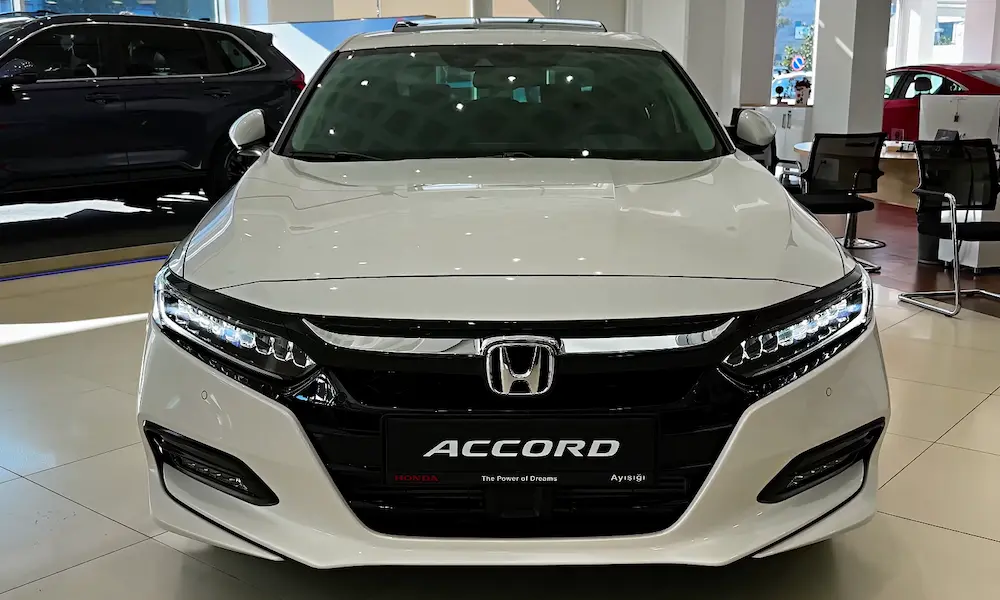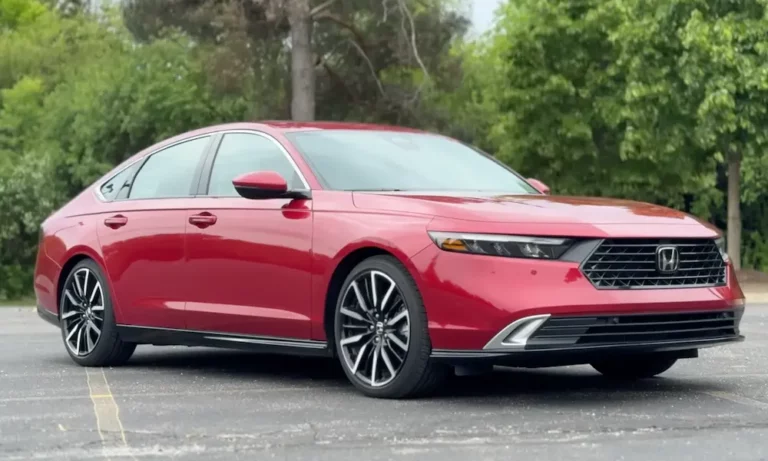
Is your Honda Accord displaying the dreaded “FCW System Failed” message on your dashboard? You’re facing a common issue that affects thousands of Honda owners. This warning indicates a problem with your Forward Collision Warning system – an important safety feature designed to prevent accidents. Let’s dive into what causes this failure, how to diagnose it, and most importantly, how to fix it without breaking the bank.
What is the Honda Accord FCW System?
The Forward Collision Warning (FCW) system is part of Honda’s suite of safety technologies designed to prevent rear-end collisions. Using a combination of radar sensors (typically located behind the front grille) and a camera (mounted near your rearview mirror), the system constantly monitors the road ahead.
When functioning properly, the system calculates the distance and closing speed between your vehicle and objects ahead. If it detects a potential collision, it warns you through visual alerts, sounds, and sometimes even haptic feedback. According to the Insurance Institute for Highway Safety, properly functioning FCW systems can reduce rear-end crashes by about 27%.
Common Causes of FCW System Failures
1. Sensor Obstructions
One of the most frequent causes of FCW failures is simply dirt, snow, or debris blocking the sensors. The radar sensor behind your front grille and the camera near your rearview mirror need a clear view to function properly.
Even small obstructions can trigger the failure warning:
- Road salt and grime buildup
- Snow or ice covering the sensors
- Mud splatter from off-road driving
- Insects or debris stuck to the front radar
2. Sensor Misalignment
Your FCW sensors require precise alignment to work correctly. Even minor accidents or bumper repairs can throw off this calibration. A YouTube demonstration shows how easily this can happen after:
- Minor front-end collisions
- Bumper replacement or repair
- Front-end body work
3. Electrical and Software Issues
The FCW system is interconnected with multiple vehicle systems and relies on complex software. Problems can include:
- Software bugs requiring updates
- Communication failures between systems
- Faulty wiring or connections
- Battery or electrical system issues
4. ABS/VSA Module Problems
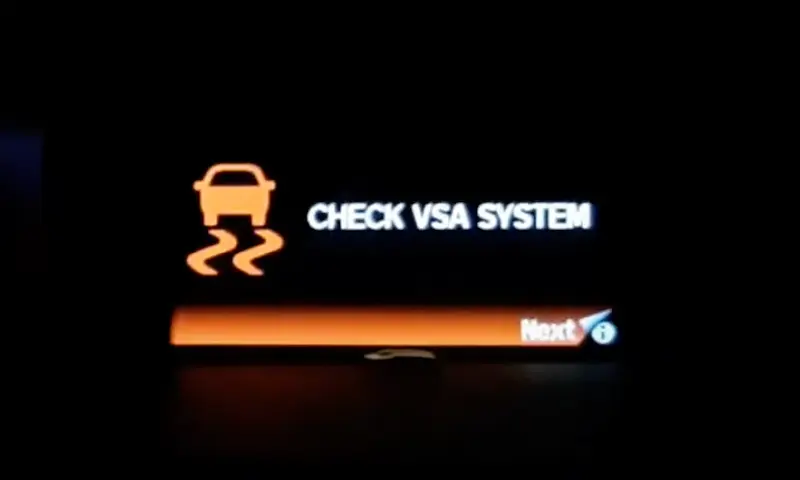
An often overlooked cause of FCW failures is problems with the ABS (Anti-lock Braking System) or VSA (Vehicle Stability Assist) modules. The FCW system depends on these components to function properly.
Many Honda Accord owners report on Reddit that ABS module failures often manifest as FCW system failures. This connection isn’t immediately obvious but is well-documented among Honda technicians.
5. Extreme Weather Conditions
Temperature extremes can affect your FCW system’s performance:
- Camera overheating in direct sunlight
- Sensor malfunction in freezing temperatures
- Condensation forming inside camera housing
Honda Accord Model Years Most Affected
2013-2014 Models: Early Adoption Problems
The 2013-2014 Honda Accord models were among the first to incorporate Honda Sensing technologies as standard equipment. These early implementations had some teething problems, including:
- Sensor calibration instabilities
- Software bugs causing intermittent failures
- False alerts in certain driving conditions
Many owners report on Drive Accord forums that warnings appear and disappear without clear triggers.
2015-2017 Models: Improved But Still Problematic
While Honda addressed some early issues, the 2015-2017 models still experienced FCW problems. Interestingly, some owners discovered unusual connections between FCW failures and other system problems. One documented case on Drive Accord found that FCW failures were actually triggered by transmission torque converter seal failures.
2018+ Models: Under NHTSA Investigation
The most recent Honda Accord models (2018-2022) fall within the scope of an expanded NHTSA investigation covering nearly 3 million vehicles. According to Lemon Law Experts, this investigation focuses on “phantom braking” incidents where the system activates unexpectedly.
How to Diagnose FCW System Failures
Basic Self-Diagnosis Steps
Before heading to a mechanic, try these simple diagnostic steps:
- Check for obvious obstructions
- Examine the front grille area for debris
- Clean your windshield, especially near the rearview mirror
- Remove any snow, ice, or mud from sensors
- Look for visual damage
- Inspect the front bumper for signs of damage
- Check if the Honda emblem (which often houses the radar) is secure
- Look for cracks or condensation in the camera housing
- Review recent vehicle history
- Did you recently have bodywork done?
- Has the vehicle been in even a minor accident?
- Was the windshield recently replaced?
Using OBD-II Scanners
For a deeper diagnosis, you’ll need an OBD-II scanner capable of reading Honda-specific codes. Basic code readers often miss critical information stored in the FCW control module.
According to a diagnostic guide, common trouble codes related to FCW failures include:
- U3000-49: ECU software malfunction
- U0416-68: CAN Bus communication issue
- 123-11: VSA solenoid valve malfunction
- 81-19: Yaw rate sensor internal malfunction
DIY Solutions for FCW System Failures
Cleaning and Basic Maintenance
- Clean the front radar sensor
- Use a soft, damp cloth to clean the area behind the Honda emblem
- Avoid harsh chemicals that might damage the radar housing
- Remove any paint overspray if your vehicle has been repainted
- Clean the camera area
- Gently clean the windshield around the camera housing
- Use automotive glass cleaner, not household products
- Make sure nothing is blocking the camera’s view
- Reset the system
- Turn off your vehicle completely
- Wait at least 10 minutes (allows systems to fully power down)
- Restart and see if the warning persists
Software Reset Procedures
For some FCW issues, a full system reset may help:
- Park your vehicle safely and turn off the engine
- Press and hold the CMBS OFF button (located on the lower left side of the dashboard)
- While holding the button, turn the ignition to ON (don’t start the engine)
- Continue holding for approximately 10 seconds until you hear a beep
- Release the button and check if the warning clears
Professional Repair Options and Costs
Professional Diagnostic Services
If DIY methods don’t resolve the issue, professional diagnosis is your next step. Expect to pay between $150-300 for comprehensive FCW system diagnostics, depending on:
- Dealership vs. independent shop rates
- Complexity of your specific issue
- Need for specialized Honda diagnostic equipment
Component Replacement Costs
Repair costs vary significantly based on which component has failed:
| Component | Estimated Cost Range | Notes |
|---|---|---|
| Radar Sensor | $500-1,200 | Plus $150-300 for recalibration |
| Camera Unit | $600-1,500 | Requires precise recalibration |
| ABS/VSA Module | $2,000-2,800 | Most expensive component to replace |
| Wiring Repairs | $200-500 | Depends on location and complexity |
Alternative Repair Options
If your FCW failure is related to the ABS/VSA module (a common and expensive fix), consider repair services rather than complete replacement. According to Reddit users, specialized repair services can save you significant money:
- Module repair services typically cost $300-600
- That’s 75-85% less than dealer replacement costs
- Companies like Module Master, Circuit Board Medics, and Module Repair Pro offer these services
- Many include warranties up to 5 years on repaired components
System Recalibration Requirements
Almost any repair to the FCW system will require professional recalibration. This isn’t optional – the system won’t work correctly without it. According to NewSmartSafe, proper calibration requires:
- Specialized equipment with precise target boards
- Flat, level surfaces for accurate measurements
- Specific target distances and heights
- Honda-approved calibration procedures
A YouTube demonstration shows the complexity of proper calibration procedures.
Preventing Future FCW System Failures
Regular Maintenance Practices
Prevent future FCW failures with these maintenance habits:
- Keep sensors clean
- Regularly wash your front bumper and grille area
- Keep your windshield clean, especially near the camera
- Remove snow, ice, and debris promptly
- Protect from environmental damage
- Park in shaded areas when possible (reduces camera overheating)
- Consider a parking location that minimizes exposure to road salt in winter
- Use appropriate windshield treatments to maintain optical clarity
- Be cautious with modifications
- Avoid aftermarket grille covers that might block the radar
- Don’t apply tint or stickers near the camera area
- Be careful with aftermarket electronic accessories that might cause interference
Software Updates
Honda periodically releases software updates that can resolve known FCW issues. According to Reddit discussions, these updates may address:
- System sensitivity adjustments
- Fixes for phantom braking issues
- Communication protocol improvements
Check with your dealer to ensure your vehicle has the latest software updates.
Making the Right Decision for Your Honda Accord
When facing FCW system failures, you have several options:
- DIY cleaning and reset – No cost, worth trying first
- Dealer repair – Most expensive but guaranteed Honda parts and procedures
- Independent shop repair – Often cheaper but ensure they have Honda-specific diagnostic tools
- Module repair service – Best value for ABS/VSA-related failures
- Trading in – If repairs are prohibitively expensive on an older vehicle
Whatever you choose, don’t ignore the warning – driving with a malfunctioning FCW system means losing a critical safety feature that could prevent a serious accident.
By understanding the causes, solutions, and costs associated with Honda Accord FCW system failures, you can make informed decisions about repairs and maintenance, keeping your vehicle safe on the road for years to come.