Keeping your Honda Civic running smoothly doesn’t have to be complicated. With a proper maintenance schedule, your vehicle can provide reliable transportation for years to come. This guide breaks down exactly when to service your Honda Civic and what each maintenance visit should include, helping you avoid costly repairs and extend your car’s life.
Understanding Your Honda Civic’s Maintenance Schedule
Honda designed the Civic with a sophisticated maintenance system that makes car care straightforward. The maintenance schedule begins at 7,500 miles and continues throughout your vehicle’s lifetime.
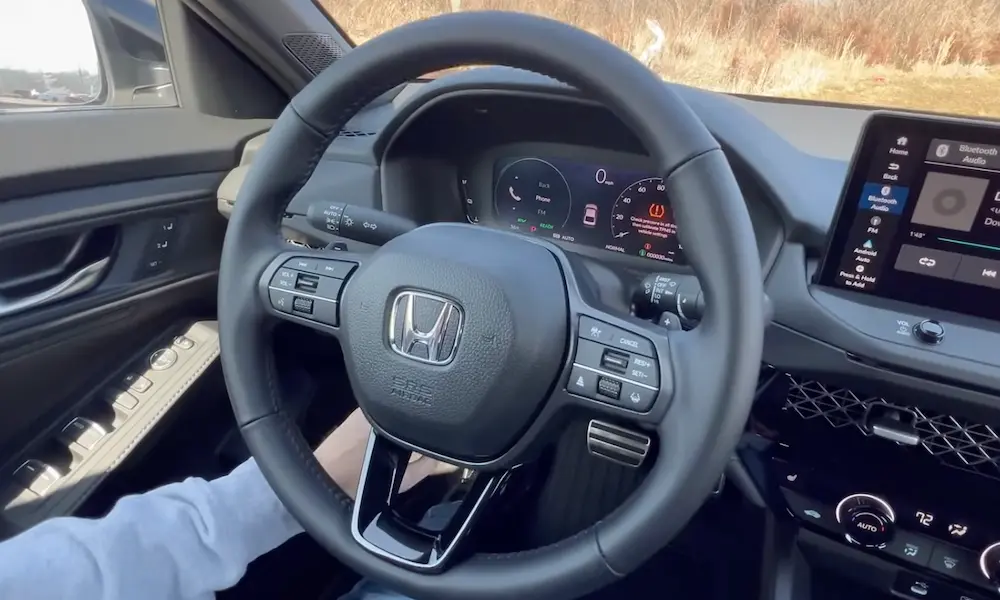
What makes Honda’s approach unique is the Maintenance Minder system – a smart technology that monitors your driving habits and conditions to determine exactly when service is needed. This means your car tells you when it needs attention rather than following a rigid schedule that might not match your driving patterns.
The Maintenance Minder System Explained
The Maintenance Minder system is Honda’s solution to personalized vehicle care. Instead of guessing when to get service, your dashboard displays specific codes that tell you exactly what your Civic needs:
Main Codes:
- Code A: Time for an oil change
- Code B: Oil change plus comprehensive inspection (brakes, fluids, etc.)
Sub-Codes (Usually shown with main codes):
- 1: Rotate tires
- 2: Replace air and cabin filters
- 3: Change transmission fluid
- 4: Replace spark plugs and timing belt (if equipped)
- 5: Replace engine coolant
- 6: Replace rear differential fluid (if equipped)
- 7: Replace brake fluid
For example, if you see “B1” on your dashboard, your Honda needs an oil change, comprehensive inspection, and tire rotation.
Remember: If no Maintenance Minder code appears within 12 months, change your oil annually regardless of mileage.
Essential Honda Civic Service Intervals
While the Maintenance Minder provides personalized recommendations, here’s a general timeline of what services your Honda Civic typically needs:
Every 7,500 Miles
- Engine oil and filter change
- Brake inspection
- Tire rotation
- Fluid level checks
- Tire pressure inspection
Every 15,000 Miles
Services become more comprehensive, adding:
- Chassis and hinge lubrication
- A/C and heater inspection
- Wheel balancing
- Undercarriage inspection
- Air conditioning filter replacement
Every 30,000 Miles
Major service interval including:
- PCV valve service
- Battery inspection
- Fuel system inspection
- All previous services plus more thorough inspections
Fluid Change Intervals for Your Honda Civic
Fluids are your Civic’s lifeblood, and maintaining them properly is crucial for longevity. Here’s when to change each:
Engine Oil
- Standard interval: Every 7,500 miles
- With Maintenance Minder: Typically between 5,000-10,000 miles
- Severe conditions: Every 5,000 miles
The right oil change frequency depends on your driving habits. If you frequently drive in stop-and-go traffic, extremely hot or cold weather, or take many short trips, you should change your oil more frequently.
Transmission Fluid
- CVT transmission: Every 30,000 miles
- Manual transmission: Every 30,000 miles
- Automatic transmission: Every 60,000-100,000 miles
Your transmission fluid type matters. Honda Civics require Honda-specific transmission fluid for optimal performance. Using incorrect fluid can cause shifting problems and premature transmission failure.
Brake Fluid
- Standard interval: Every 3 years
- Alternative recommendation: Every 30,000 miles or 3 years (whichever comes first)
Brake fluid is hygroscopic, meaning it absorbs moisture over time, which reduces its effectiveness. Fresh brake fluid helps maintain stopping power and prevents costly brake system damage.
Engine Coolant
- First replacement: 7 years or 100,000 miles
- Subsequent changes: Every 5 years or 60,000 miles
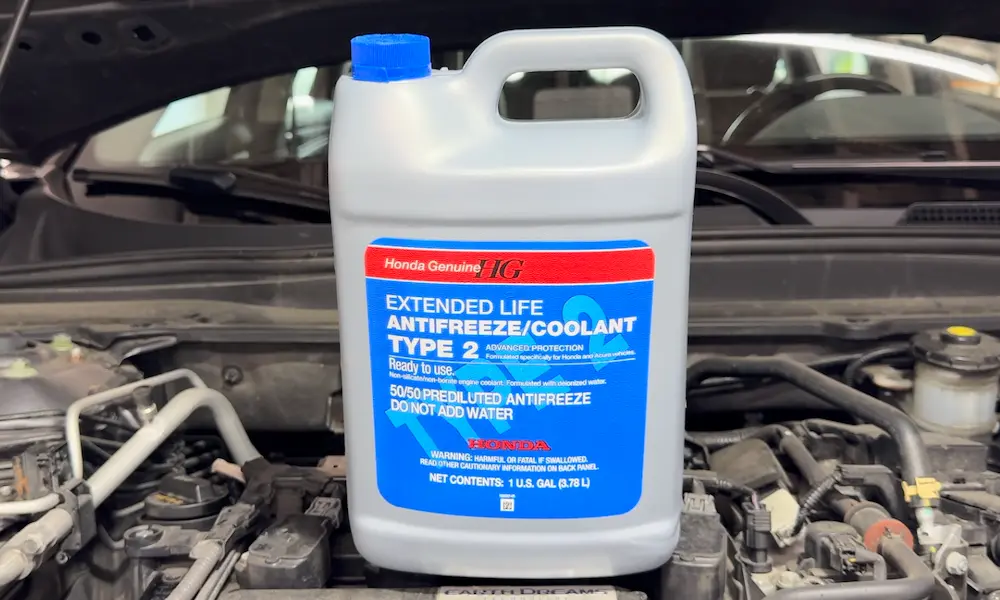
Engine coolant prevents your engine from overheating and freezing, while also providing corrosion protection. As coolant ages, its protective properties diminish, making regular replacement essential.
Component Replacement Schedule
Beyond fluids, several components need regular attention:
Spark Plugs
- Standard interval: Every 100,000-120,000 miles
- For optimal performance: Some recommend every 30,000 miles
- Tuned engines: Every 30,000 miles
Spark plugs ignite the fuel in your engine, and worn plugs can reduce fuel economy and performance. Modern Honda Civics use long-life plugs, but replacement intervals can vary based on driving conditions and engine modifications. Some enthusiasts debate the optimal replacement schedule.
Air Filters
- Engine air filter: Every 30,000-40,000 miles
- Cabin air filter: Every 15,000-30,000 miles
Air filters prevent contaminants from entering your engine and cabin. A clogged engine air filter reduces performance and fuel economy, while a dirty cabin filter affects air quality inside your car and reduces HVAC efficiency.
Maintenance Based on Mileage Milestones
Let’s break down the comprehensive services recommended at key mileage points:
30,000-Mile Service
This is your first major service, including:
- Complete fluid inspection and replacement as needed
- Comprehensive brake system check
- Suspension inspection
- Exhaust system check
- Battery and electrical system test
60,000-Mile Service
At this milestone, your Civic needs:
- All 30,000-mile services
- More thorough inspection of major components
- Timing belt inspection (if equipped)
- Cooling system service
- Engine and transmission mounts inspection
100,000-Mile Service
By this point, your Civic requires:
- Replacement of spark plugs
- Valve adjustment inspection
- Comprehensive fuel system service
- Timing belt replacement (if equipped)
- Thorough inspection of all major vehicle systems
Driving Conditions That Affect Your Maintenance Schedule
Your Honda Civic’s maintenance needs can change dramatically based on how and where you drive:
Severe Driving Conditions
If you experience any of these, you’ll need more frequent maintenance:
- Extremely hot (over 90°F) or cold (below 10°F) temperatures
- Stop-and-go traffic or short trips (less than 5 miles)
- Driving on dusty, muddy, or salt-treated roads
- Towing or carrying heavy loads
- Mountain driving
Under these conditions, oil changes should happen every 5,000 miles instead of 7,500, and other services may need to be performed up to twice as often.
DIY vs. Professional Honda Civic Maintenance
Some maintenance tasks are perfect for DIY enthusiasts, while others require professional attention:
DIY-Friendly Tasks
- Oil and filter changes
- Air filter replacement
- Windshield wiper replacement
- Tire pressure checks
- Fluid level inspections
Professional Service Recommended
- Transmission fluid changes
- Timing belt replacement
- Brake system service
- Engine diagnostics
- Cooling system service
Maintenance Costs for Honda Civic
Understanding maintenance costs helps with budgeting. Here’s what to expect:
| Service Type | Approximate Cost | Frequency |
|---|---|---|
| Oil Change | $40-$80 | Every 7,500 miles |
| Brake Service | $150-$300 per axle | Every 30,000-50,000 miles |
| Timing Belt | $500-$900 | 100,000 miles (if equipped) |
| Transmission Service | $100-$200 | Every 30,000-60,000 miles |
| Full 30k Service | $300-$600 | Every 30,000 miles |
These prices can vary based on your location, model year, and whether you choose a dealership or independent shop.
Benefits of Following Honda’s Recommended Service Schedule
Sticking to your Honda Civic’s maintenance schedule isn’t just about preventing breakdowns—it delivers multiple benefits:
Extended Vehicle Life
Regular maintenance can help your Civic reach 200,000+ miles. Many Honda owners report their well-maintained vehicles exceeding 300,000 miles.
Improved Fuel Economy
Proper maintenance keeps your engine running efficiently. Regular oil changes, clean air filters, and properly inflated tires can improve gas mileage by up to 10%.
Higher Resale Value
A Honda Civic with complete service records typically sells for 10-20% more than one with spotty maintenance history.
Warranty Protection
Following the manufacturer’s maintenance schedule keeps your warranty valid, protecting you from potentially expensive repairs.
Using Digital Resources to Track Maintenance
Modern technology makes tracking your Honda Civic’s maintenance easier than ever:
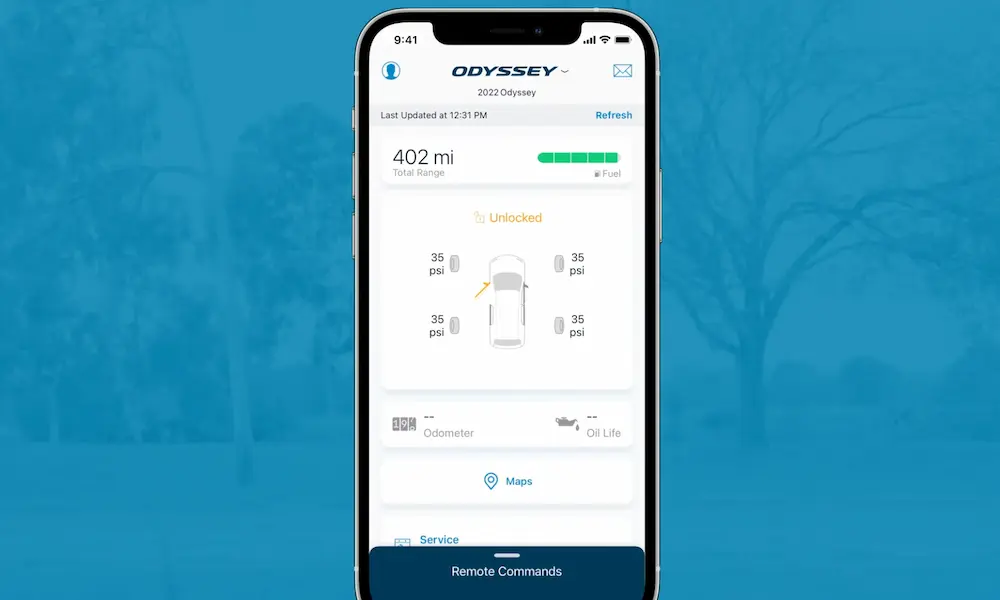
Honda Owner’s Website and App
The official Honda owner’s portal lets you:
- View your specific maintenance schedule
- Get maintenance reminders
- Store service records
- Access your owner’s manual
Third-Party Maintenance Apps
Apps like CarFax Car Care, MyCarFax, and AUTOsist help you:
- Track service history
- Get maintenance reminders
- Store receipts digitally
- Calculate maintenance costs over time
Special Considerations for Different Honda Civic Models
Different Civic generations and engine types have specific maintenance needs:
Turbocharged Models (1.5L Turbo)
- More sensitive to oil quality and change intervals
- May require premium fuel for optimal performance
- Need special attention to cooling system maintenance
Civic Type R
- Requires more frequent oil changes (5,000 miles recommended)
- Needs high-performance brake components
- Benefits from more frequent tire rotations due to performance driving
Older Civic Models (Pre-2016)
- May have timing belts instead of timing chains
- Often need valve adjustments at higher mileages
- Might require more frequent suspension component inspections
The Environmental Impact of Regular Maintenance
Proper maintenance isn’t just good for your car—it’s good for the planet:
- A well-maintained engine produces fewer emissions
- Regular fluid changes prevent leaks that can contaminate soil and water
- Proper tire inflation improves fuel economy and reduces tire waste
- Functioning emissions systems reduce your carbon footprint
A properly maintained Honda Civic can produce up to 30% less harmful emissions than a poorly maintained one.
Essential Maintenance Tips for Honda Civic Owners
These practical tips will help keep your Civic in top condition:
Use Honda-Recommended Products
Using genuine Honda parts and fluids ensures compatibility and performance. This is especially important for:
- Engine oil (Honda typically recommends 0W-20)
- Transmission fluid (Honda ATF or CVT fluid only)
- Air and cabin filters
- Brake components
Pay Attention to Warning Signs
Address these symptoms immediately:
- Check engine light
- Unusual noises or vibrations
- Reduced fuel economy
- Fluid leaks
- Burning smells
Perform Regular Visual Inspections
Once a month, check:
- Tire tread depth and pressure
- All exterior lights
- Windshield wipers
- Fluid levels
- Battery terminals for corrosion
By following this comprehensive Honda Civic service schedule, you’ll enjoy better performance, fewer repairs, and a longer vehicle lifespan. Your Civic was built to last—proper maintenance ensures it will.