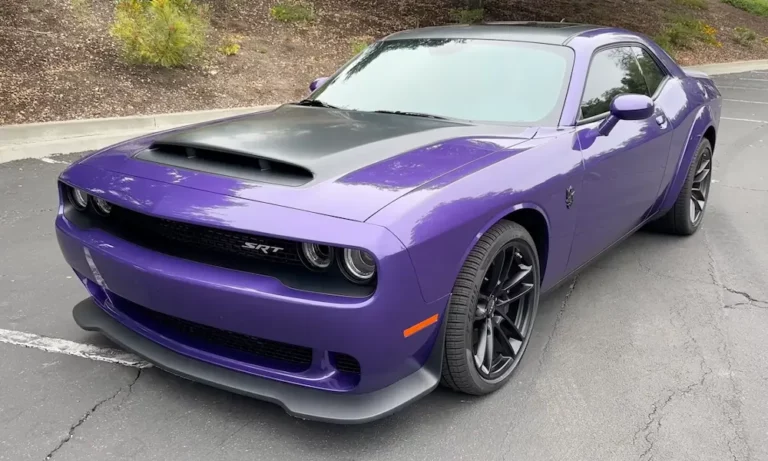
Thinking about buying a Dodge Challenger? That rumbling HEMI V8, aggressive styling, and pure American muscle appeal make it hard to resist. But before you sign on the dotted line, you’re probably wondering about reliability. Can this tire-shredding performance machine also be your dependable daily driver? Let’s cut through the marketing hype and look at what real data tells us about Challenger reliability.
Dodge Challenger Reliability: The Quick Answer
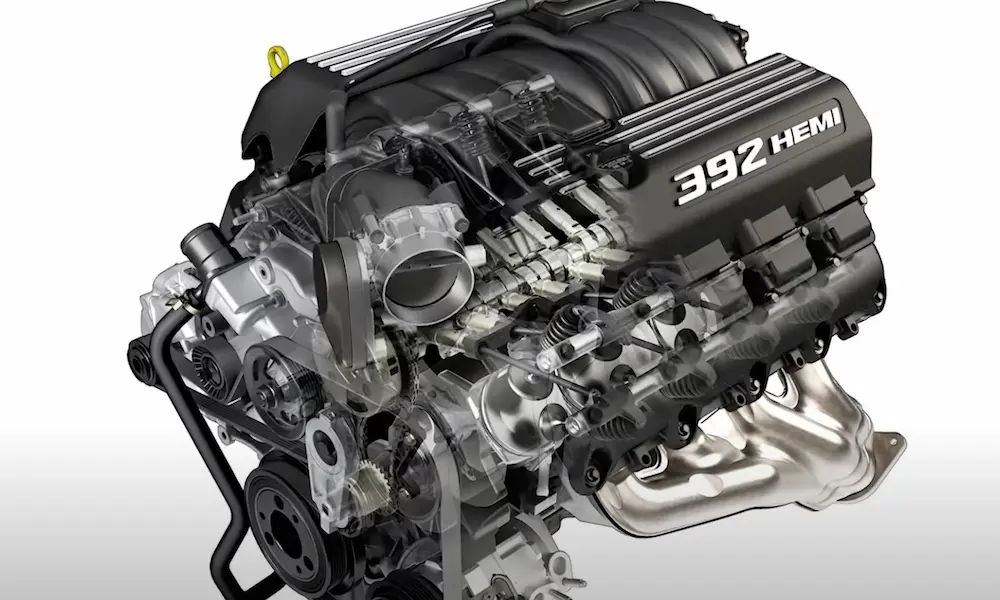
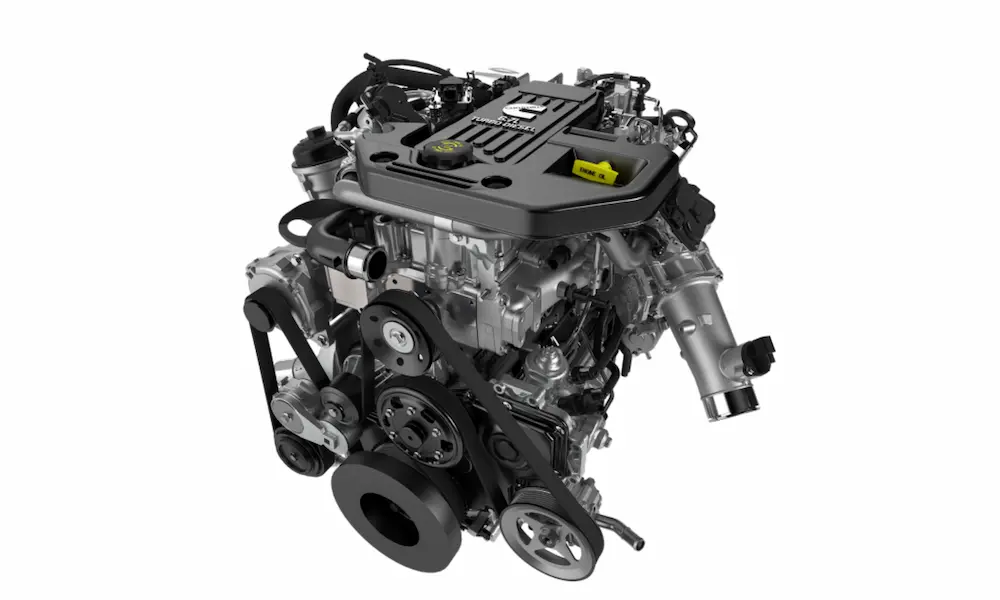
Dodge Challengers offer mixed reliability, scoring 3.5 out of 5 according to RepairPal. This puts them slightly below average compared to other vehicles. The good news? The naturally aspirated HEMI V8 engines (5.7L and 6.4L) have proven surprisingly durable, with many reaching 200,000+ miles when properly maintained.
However, not all model years are created equal:
- Most Reliable: 2015-2019 models score highest in dependability studies
- Most Problematic: 2008-2014 and 2021+ models have more reported issues
- Average Repair Cost: $650 annually, about 17% higher than the average car
Challenger Reliability By Model Year: Which to Buy (And Avoid)
The Best Years for Reliability (2015-2019)
The 2015-2019 Challengers represent the sweet spot in the model’s reliability history. These years benefit from:
- Revised 8-speed ZF transmission with better shift calibration
- Improved suspension design with Frequency Response Damping shocks
- More refined electrical systems with fewer TIPM failures
The 2017 Challenger SXT particularly stands out with a solid J.D. Power dependability score of 78/100 and significantly fewer NHTSA complaints (43) compared to newer models like the 2021 (112 complaints). The 2019 Scat Pack with its 6.4L HEMI also demonstrates excellent powertrain reliability with a minuscule 0.011% catastrophic failure rate under warranty.
Years to Approach with Caution (2008-2014, 2021+)
First-generation Challengers (2008-2014) suffered from several teething problems:
- TIPM failures affecting 34% of vehicles, causing electrical havoc
- Higher oil consumption rates in the 3.6L Pentastar V6
- Connecting rod bearing wear in early 5.7L HEMI engines
Recent models (2021+) have introduced new concerns:
- Transmission reliability issues in high-horsepower versions, particularly the SRT Hellcat Redeye
- Increased electrical system complexity leading to more failure points
- Torque converter shudder reported in 32% of high-performance models
Common Dodge Challenger Problems & Repair Costs
1. TIPM (Totally Integrated Power Module) Issues
The TIPM serves as the Challenger’s electrical nerve center, and when it fails, chaos ensues:
- Symptoms: Random door lock cycling, false “Key Not Detected” warnings, intermittent fuel pump failure
- Frequency: Affects 22-34% of vehicles, especially 2008-2014 models
- Repair Cost: Approximately $1,200 for module replacement and programming
- Prevention: Little can be done beyond regular battery maintenance
According to CarParts.com, TIPM failures account for about 23% of all NHTSA complaints on the Challenger.
2. Transmission Problems
The ZF 8-speed automatic transmission is generally robust, but issues do occur:
- Symptoms: Harsh 2-1 downshift clunks, delayed reverse engagement, shift flare between 4-5 gears
- Frequency: More common in high-performance models and those with aftermarket tuning
- Repair Cost: $2,500-4,500 for major repairs
- Prevention: Fluid changes every 60,000 miles reduce torque converter problems by 51%
The Lemon Law Firm reports that the 8HP75 transmission units in SRT Hellcat Redeye models are particularly prone to issues due to the massive 797hp being channeled through them.
3. Suspension & Chassis Issues
The Challenger’s weight and performance potential can take a toll on suspension components:
- Symptoms: Clunking noises, uneven tire wear, reduced handling precision
- Frequency: Rear suspension bushings commonly wear by 60,000 miles
- Repair Cost: $400-800 depending on components needed
- Prevention: Regular alignment checks and avoiding harsh impacts
Challenger Reliability vs. Competitors: How Does It Compare?
| Vehicle | RepairPal Rating | Avg. Annual Repair | Severe Issue Probability |
|---|---|---|---|
| Dodge Challenger | 3.5/5 | $650 | 14% |
| Ford Mustang | 4.0/5 | $554 | 11% |
| Chevrolet Camaro | 3.8/5 | $585 | 13% |
While the Challenger lags slightly behind its American muscle car competitors, the differences aren’t enormous. The Challenger tends to have higher annual costs and a slightly greater chance of severe issues requiring expensive repairs.
Engine Reliability: V6 vs. V8 Models
One of the most surprising aspects of Challenger reliability is how well the V8 engines hold up despite their power output:
3.6L Pentastar V6 (SXT Models)
- Reliability Rating: Good, with some oil consumption concerns
- Expected Longevity: 175,000-200,000 miles with proper maintenance
- Common Issues: Oil pressure sensor failures, valve guide wear in early models
- Long-term Outlook: 29% reach 200,000+ miles
5.7L HEMI V8 (R/T Models)
- Reliability Rating: Very good for a performance engine
- Expected Longevity: 200,000+ miles possible with maintenance
- Common Issues: Lifter failures, exhaust manifold bolt breakage
- Long-term Outlook: 41% reach 200,000+ miles with regular maintenance
6.4L HEMI V8 (Scat Pack Models)
- Reliability Rating: Surprisingly robust despite high output
- Expected Longevity: 180,000+ miles with careful maintenance
- Common Issues: Oil consumption at high RPM, camshaft sensor failures
- Long-term Outlook: Similar to the 5.7L, with proper care
6.2L Supercharged HEMI (Hellcat Models)
- Reliability Rating: Fair, considering extreme performance
- Expected Longevity: Highly dependent on driving style
- Common Issues: Fuel system failures, supercharger bearing wear
- Long-term Outlook: Less data available, but significantly reduced with aggressive driving
According to discussions on Reddit, many owners report their HEMI V8s lasting well beyond 150,000 miles with basic maintenance.
Maintenance Impact on Challenger Longevity
Your maintenance habits dramatically affect how reliable your Challenger will be:
Critical Maintenance Intervals
- Oil Changes:
- Full synthetic oil every 5,000 miles reduces lifter failure risk by 38%
- Conventional oil users experience 22% more camshaft lobe wear by 100,000 miles
- Transmission Service:
- Fluid changes every 60,000 miles decrease torque converter issues by 51%
- Transmission filter replacement recommended at same interval
- Cooling System:
- Coolant flushes every 60,000 miles prevent premature water pump failure
- Radiator cap testing to ensure proper pressure maintenance
Failure Distribution By Mileage
Understanding when problems typically occur can help you budget for repairs:
- 0-60,000 miles: 18% of major repairs (mostly warranty-covered)
- 60,000-120,000 miles: 34% (peak failure window as components age)
- 120,000+ miles: 48% (cumulative wear failures become common)
Data from RepairPal shows that diligent maintenance can significantly extend your Challenger’s lifespan and reduce annual repair costs.
How Modifications Affect Reliability
The Challenger is a popular platform for modifications, but these upgrades can impact reliability:
- ECU Tuning: Modified vehicles show 73% higher drivetrain failure rates versus stock
- Forced Induction: Aftermarket superchargers increase engine stress exponentially
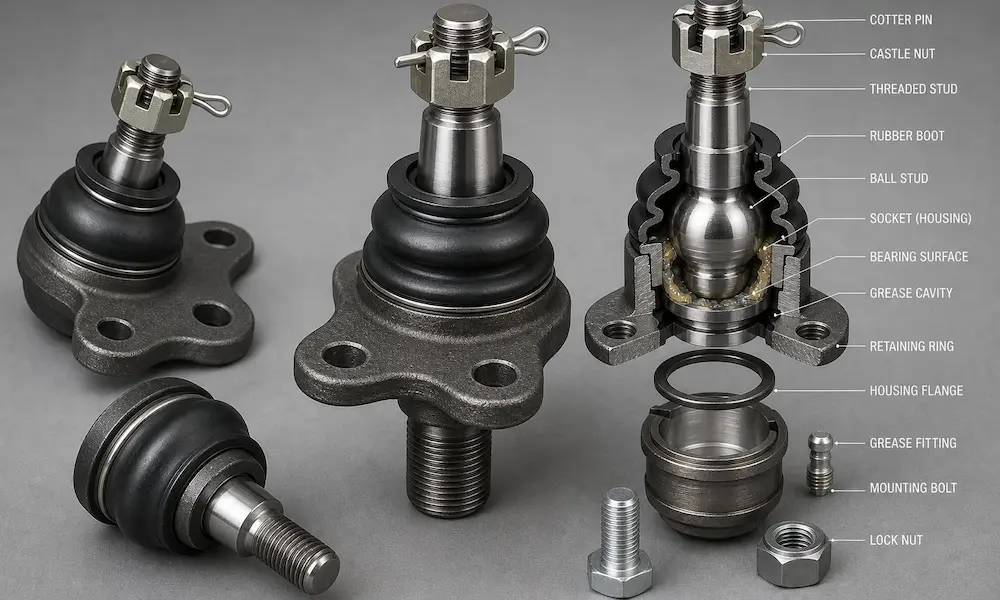
- Suspension Mods: Lowering springs may accelerate bushing and ball joint wear
If you plan to modify your Challenger, budget for stronger supporting components and more frequent maintenance.
Real Owner Experiences
Dodge Challenger owners report a fascinating contradiction in Consumer Reports and other surveys: despite below-average reliability ratings, they report among the highest owner satisfaction of any vehicle.
Typical owner comments include:
“My 2017 Scat Pack has 87,000 miles with zero major issues. Just regular maintenance and it runs like day one.”
“The 5.7 HEMI in my R/T has been bulletproof for 112k miles. Changed the plugs once and regular oil changes.”
“Hellcat ownership means accepting higher maintenance costs for the performance. Worth every penny.”
Is a Used Challenger a Reliable Choice?
Buying a used Challenger can be a smart move if you choose carefully:
Used Buying Tips
- Focus on 2015-2019 models for the best reliability/value balance
- Avoid heavily modified examples unless work was professionally done
- Check for maintenance records – oil change history is particularly important
- Look for certified pre-owned vehicles with remaining warranty
- Budget for a pre-purchase inspection by a shop familiar with Challengers
Red Flags When Shopping Used
- Multiple owner changes in a short period
- Missing service history
- Signs of track use (excessive tire wear, brake modifications)
- Aftermarket engine modifications without supporting reliability upgrades
- Any hesitation in the transmission or unusual sounds
The Truth About Challenger Reliability
The Dodge Challenger offers reasonable reliability for a performance vehicle, though not on par with Japanese or Korean competitors. Here’s the reality:
- Naturally aspirated V8 models tend to be surprisingly durable despite their power
- Electrical systems represent the most common failure points
- Model year matters significantly more than engine choice
- Maintenance habits dramatically impact long-term reliability
- Higher repair costs should be expected versus non-performance vehicles
For buyers who prioritize the visceral muscle car experience, the Challenger’s moderate reliability concerns are often an acceptable tradeoff for its performance, style, and character.
With proper maintenance and informed model selection, a Dodge Challenger can provide many years of relatively trouble-free enjoyment. Just be prepared for more frequent maintenance and higher costs than you’d experience with a typical family sedan.