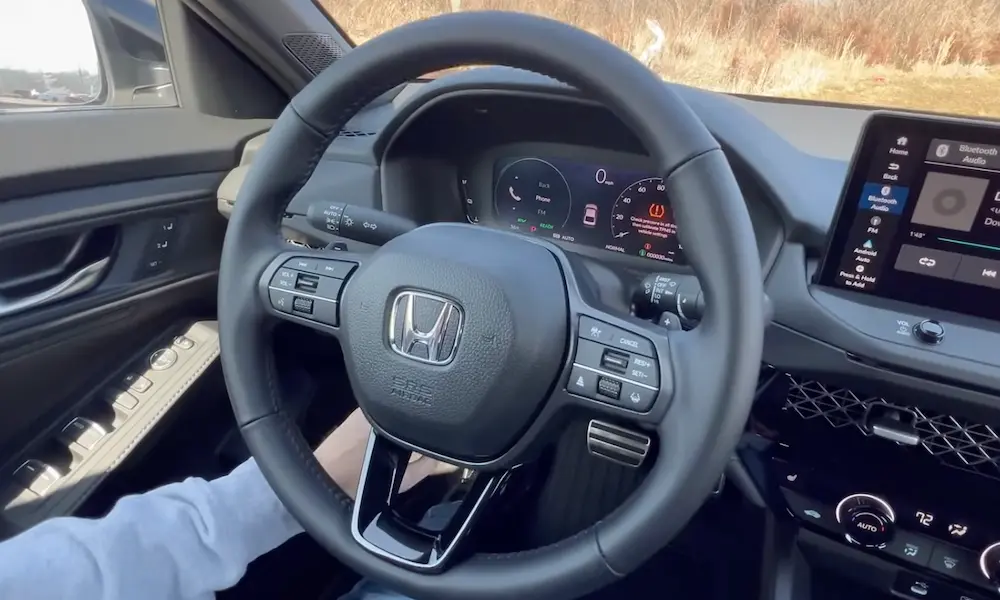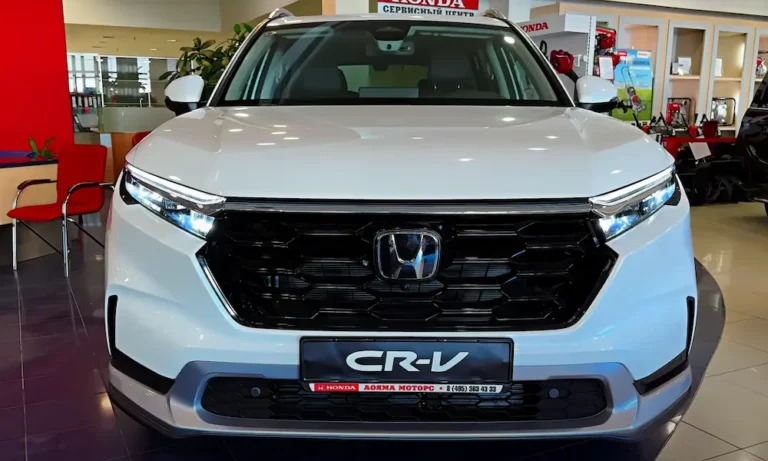
Is your Honda CR-V’s “D” light flashing on your dashboard? Don’t panic, but don’t ignore it either. That blinking drive indicator is your car’s way of waving a red flag about your transmission. While it might seem tempting to keep driving and hope it goes away, that small flashing light could save you from thousands in repair costs if you address it quickly.
What Does a Blinking Drive Light Mean on a Honda CR-V?
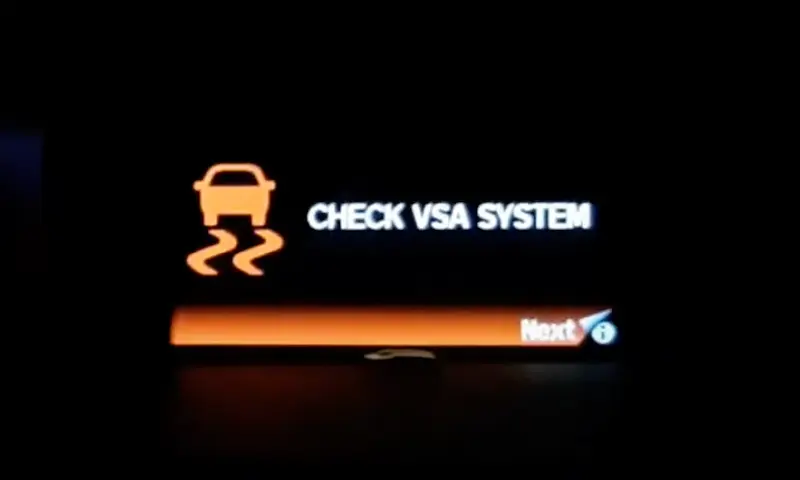
When the “D” light starts blinking on your Honda CR-V’s dashboard, it’s specifically warning you about a transmission problem. Unlike the more general check engine light, this flashing indicator is dedicated to transmission issues only.
Think of it as your transmission’s personal SOS signal. The vehicle’s powertrain control module (PCM) has detected something wrong with the transmission system and is trying to get your attention before more serious damage occurs.
Important: You should stop driving your vehicle as soon as safely possible when this light appears. Continuing to drive with a blinking D light can lead to catastrophic transmission failure and far more expensive repairs.
Common Causes of a Blinking Drive Light
1. Faulty Pressure Switches
By far, the most common culprit behind a blinking D light is a failed transmission fluid pressure switch. These small switches monitor hydraulic pressure in your transmission and have a relatively high failure rate in Honda vehicles.
The most frequent diagnostic codes include:
- P0847: Third clutch transmission fluid pressure switch problems
- P0843: Transmission fluid pressure sensor switch circuit high
- P0842: Pressure switch circuit low
- P0848: Pressure switch B circuit issues
2. Transmission Fluid Problems
Your CR-V’s transmission depends on clean fluid at the proper level. When fluid gets low, dirty, or contaminated, the transmission can malfunction and trigger the warning light. Signs of transmission fluid issues include:
- Dark brown or black fluid (should be bright red)
- Burnt smell from the dipstick
- Fluid level below the minimum mark
- Visible metal particles in the fluid
3. Overheating Transmission
If your transmission gets too hot, it can cause the drive light to blink. Overheating typically happens when:
- Towing heavy loads
- Driving in stop-and-go traffic for extended periods
- Climbing steep hills in hot weather
- Having low transmission fluid levels
4. Wiring or Electrical Issues
Sometimes the problem isn’t with the transmission itself but with the wiring that connects to various sensors. Damaged, corroded, or disconnected wires can cause false signals that trigger the warning light.
5. Internal Transmission Damage
In more serious cases, mechanical problems inside the transmission can cause the D light to blink. These issues are typically more expensive to fix but are less common than the problems listed above.
Honda CR-V Models Commonly Affected
This issue appears across multiple generations of Honda CR-Vs:
| Model Years | Common Issues | Typical Codes |
|---|---|---|
| 2002-2006 | Third clutch pressure switch failures | P0847 |
| 2007-2011 | Multiple pressure switch issues | P0843, P0847 |
| 2012-2016 | Both 5-speed and CVT transmission problems | Various |
| 2015-2017 AWD | Pressure switch A failures | P0843 |
How to Diagnose a Blinking Drive Light
Check Your Transmission Fluid
Start with the basics. When your CR-V is on level ground and warmed up:
- Locate the transmission dipstick (consult your owner’s manual if unsure)
- Pull it out and wipe it clean
- Reinsert fully, then pull it out again to check the level
- Verify the fluid is bright red and doesn’t smell burnt
- Ensure the level falls between the minimum and maximum markers
Scan for Diagnostic Codes
The next step is retrieving the error codes stored in your CR-V’s computer:
- Connect an OBD-II scanner to the port under your dashboard
- Power on the scanner and select “Read Codes”
- Look for transmission-related codes starting with “P08xx”
Note: Basic code readers might not access transmission codes. You may need a Honda-specific or professional-grade scanner.
If you don’t have a scanner, most auto parts stores offer free code reading services, or you can visit a Honda dealership for accurate diagnosis.
How to Fix a Blinking Drive Light
Replacing Transmission Pressure Switches
If diagnostic codes point to pressure switch failure (which is very common), you’re in luck—this is one of the more affordable fixes:
DIY Approach:
- Locate the specific pressure switch on your transmission case
- Disconnect the electrical connector
- Remove the switch using a 22mm or 24mm socket
- Install the new switch with a fresh crush washer
- Reconnect the electrical connector
- Clear the error codes and test drive
Cost Breakdown:
- OEM Honda pressure switch: $60-$110
- Aftermarket switch: $30-$90 (not recommended)
- Professional labor: $50-$150
- Total professional repair: Usually under $200
Pro tip: Always use genuine Honda pressure switches rather than aftermarket parts. Numerous owners report that aftermarket switches fail quickly, causing the problem to return.
Transmission Fluid Service
If fluid issues are causing your blinking D light, a proper transmission service includes:
- Draining the old fluid
- Replacing the transmission filter (if applicable)
- Installing fresh Honda DW-1 transmission fluid
- Resetting the transmission control module
This service typically costs $150-$300 at a professional shop but can solve numerous transmission problems.
Wiring Repairs
For electrical issues, a technician will:
- Perform a visual inspection of all transmission-related wiring
- Test connections with a multimeter
- Repair or replace damaged sections
- Check for proper signal transmission
Wiring repairs can vary widely in cost depending on the extent of damage.
When More Serious Repairs Are Needed
If the basic fixes don’t solve your blinking D light problem, your CR-V might need more extensive transmission work. Signs that you’re facing a more serious issue include:
- Harsh shifting between gears
- Slipping transmission (engine revs but car doesn’t accelerate)
- Strange noises when shifting
- Complete failure to engage certain gears
Major transmission repairs or replacement can cost between $2,000-$4,000, which is why addressing the blinking D light immediately is so important.
Preventing Transmission Problems in Your Honda CR-V
Regular Maintenance Schedule
To avoid transmission problems and that dreaded blinking light:
- Change transmission fluid every 30,000-50,000 miles
- Use only Honda DW-1 transmission fluid
- Have transmission pressure switches inspected at major service intervals
- Address any transmission issues at the first sign of trouble
Driving Habits That Protect Your Transmission
Your driving style impacts transmission longevity:
- Allow your car to warm up before driving in cold weather
- Avoid aggressive acceleration and braking
- Don’t shift between Drive and Reverse while the car is moving
- Give your transmission time to cool after towing or driving in mountainous areas
The Honda CR-V Transmission Reliability Factor
While Honda has a strong reputation for reliability, the CR-V has experienced its share of transmission issues across various generations. The blinking D light is actually a helpful early warning system that can prevent catastrophic failure.
Most owners who address the blinking light immediately end up with relatively simple, inexpensive fixes. Those who ignore it often face complete transmission failure and much higher repair bills.
The good news? The most common cause—pressure switch failure—is relatively inexpensive to fix compared to internal transmission problems. Early intervention is key.
Remember: that small blinking light on your dashboard isn’t just an annoyance—it’s potentially saving you thousands of dollars by alerting you to a problem before it becomes a disaster. Pull over safely, get it diagnosed, and address the issue promptly to keep your Honda CR-V running smoothly for years to come.