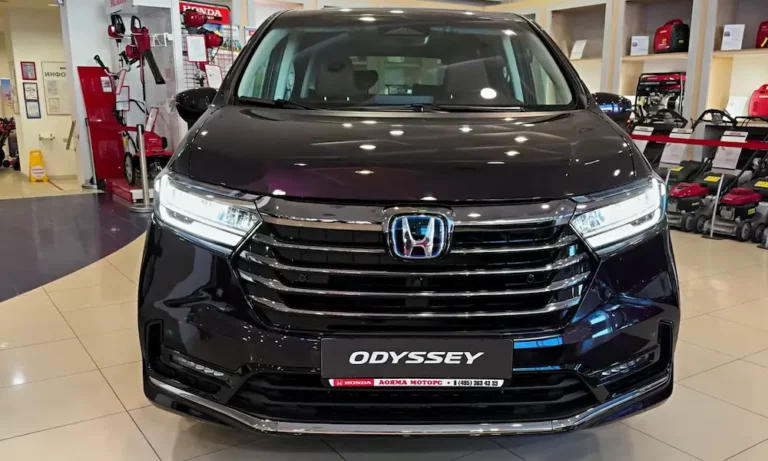
Are you noticing excessive oil consumption, mysterious vibrations, or engine problems in your Honda Odyssey? The culprit might be hiding in plain sight: your minivan’s Variable Cylinder Management (VCM) system. This fuel-saving technology has been linked to a range of serious issues that could cost you thousands in repairs. Keep reading to discover what causes these problems and, more importantly, what you can do about them right now.
What Is VCM and Why Does It Cause Problems?
Honda’s Variable Cylinder Management technology was designed with good intentions—to improve fuel economy by shutting down cylinders when you don’t need full engine power. But this efficiency comes at a cost.
VCM works by deactivating cylinders (either three or four depending on the model year) during light engine loads, typically when cruising at steady speeds. When active, the system uses oil pressure to disengage rocker arms, stopping the valves from opening while the pistons continue to move.
This seemingly clever design creates three major problems:
- Oil gets pulled past piston rings in deactivated cylinders
- Engine vibrations increase, requiring special mounts to compensate
- Constant switching between modes stresses engine components
Honda introduced VCM in 2005, with significant revisions in 2008 (VCM-2) and 2018 (VCM-3). While each iteration attempted improvements, the fundamental issues remained.
Common Signs of Honda Odyssey VCM Problems
Excessive Oil Consumption
If you’re constantly adding oil between changes, VCM is likely the culprit. Many Odyssey owners report their vehicles consuming one quart of oil every 1,000-1,200 miles—far above normal rates.
When cylinders deactivate, vacuum pressure pulls oil past the piston rings into combustion chambers. This not only depletes your oil but creates a cascade of other problems:
- Spark plug fouling causes misfires and rough running
- Catalytic converter damage from unburned oil
- Carbon buildup on valves and pistons
These issues typically become noticeable around 50,000-70,000 miles, with more severe cases requiring engine rebuilds by 150,000 miles.
Vibration and Shuddering
Do you feel vibrations when your dashboard’s “ECO” light illuminates? That’s VCM activating. While Honda installed Active Control Engine Mounts (ACMs) to counteract these vibrations, these mounts frequently fail.
Failed engine mounts typically manifest as:
- Shuddering sensation between 20-45 mph
- Vibration during idle when ECO mode engages
- Excessive cabin noise during highway cruising
Replacing these specialized mounts isn’t cheap—the parts and labor often exceed $2,000 due to their complex design and difficult access points.
Check Engine Lights and Misfires
VCM issues often trigger check engine lights with misfire codes:
- P0301-P0306: Cylinder misfire detected
- P3400/P3497: VCM system malfunction
- P0420: Catalyst system efficiency below threshold
These codes frequently appear after oil consumption has allowed spark plugs to become oil-fouled, creating a misfire condition that the engine computer detects.
VCM Problems by Odyssey Model Year
Different generations of the Honda Odyssey experience VCM issues with varying severity:
| Model Years | VCM Version | Common Issues | Approximate Repair Costs |
|---|---|---|---|
| 2005-2007 | VCM-1 (3-cylinder deactivation) | Milder oil consumption, fewer mount failures | $800-1,500 |
| 2008-2017 | VCM-2 (3 or 4-cylinder deactivation) | Severe oil consumption, frequent mount failures, spark plug fouling | $1,500-4,000 |
| 2018-Present | VCM-3 (3-cylinder deactivation) | Improved but still problematic oil consumption, redesigned mounts | $1,000-2,500 |
The 2008-2017 models using VCM-2 technology experience the most severe issues, leading to a class action lawsuit (Soto v. Honda) and subsequent warranty extensions for some vehicles.
Spool Valve Leaks: Another VCM-Related Headache
A particularly frustrating VCM complication is spool valve leakage. This valve controls oil flow to the VCM system, and its seals frequently fail after prolonged use.
When the spool valve leaks, oil typically drips onto the alternator or other electrical components, causing:
- Oil puddles beneath the vehicle
- Burnt oil smell from the engine bay
- Electrical system failures from contaminated components
Many dealerships misdiagnose this as a simple valve cover gasket leak, leading to ineffective repairs that don’t address the underlying VCM-related cause.
Honda’s Response to VCM Problems
Honda has acknowledged some VCM issues through Technical Service Bulletins (TSBs) and warranty extensions:
- TSB 13-081 addressed piston ring and spark plug issues in 2011-2013 models
- TSB 17-043 updated transmission software to reduce torque converter shudder
- TSB 20-023 revised spool valve seal designs
Additionally, following the class action settlement, Honda extended powertrain warranties to 8 years with unlimited mileage for certain model years affected by oil consumption.
However, these measures have been criticized as insufficient. Many owners report that problems return even after dealer repairs, and warranty extensions don’t cover all affected components.
Effective Solutions for VCM Problems
VCM Muzzlers: The Most Popular Fix
The most effective solution embraced by thousands of Odyssey owners is installing a VCM muzzler or disabler. These aftermarket devices prevent the VCM system from activating, effectively keeping all cylinders firing at all times.
Popular options include:
- VCM Tuner II ($129-$199)
- VCM Muzzler ($100-$150)
- S-VCM Controller ($130-$180)
These devices work by intercepting and modifying sensor signals to the engine computer, preventing it from engaging VCM mode. Installation typically takes 20-30 minutes and requires minimal technical skill.
Benefits reported by owners include:
- Eliminated oil consumption
- Improved engine responsiveness
- Extended engine and component life
- Smoother driving experience
The only downside is a slight decrease in fuel economy (1-2 MPG), which most owners consider a worthwhile trade-off for protecting their engine.
Preventative Maintenance Strategies
If you’re not ready to install a VCM disabler, consider these maintenance modifications:
- More frequent oil changes: Use full synthetic oil and change every 5,000 miles instead of the recommended 7,500-10,000 miles
- Regular transmission fluid services: Perform drain-and-fill cycles every 30,000 miles to prevent torque converter issues
- Spark plug inspections: Check plugs every 30,000 miles for oil fouling and replace as needed
- Carbon cleaning: Consider intake valve cleaning at 60,000-mile intervals
These practices won’t eliminate VCM problems but can reduce their severity and provide early warning of developing issues.
Real-World Owner Experiences with VCM Issues
Many Odyssey owners report similar experiences with VCM problems:
“I was adding a quart of oil every 1,000 miles in my 2011 Odyssey. After installing a VCM muzzler, oil consumption dropped to nearly zero, and my engine runs smoother than ever.”
“The constant vibration was driving me crazy until I realized it was the ECO mode. My dealer replaced the engine mounts under warranty, but they failed again 30,000 miles later.”
“Honda’s warranty extension covered my piston ring replacement, but the oil consumption returned within a year. The VCM Tuner was the only permanent solution.”
These testimonials reflect the frustration many owners feel and the relief they experience when properly addressing the root cause.
Cost Comparison: Prevention vs. Repairs
Let’s compare the cost of preventative measures versus waiting for VCM-related failures:
| Preventative Measure | Cost | VCM-Related Repair | Cost |
|---|---|---|---|
| VCM Muzzler/Tuner installation | $100-$200 | Engine rebuild due to oil consumption | $3,000-$5,000 |
| Regular synthetic oil changes | $60-$80 every 5,000 miles | Spark plug and coil replacement | $500-$800 |
| Transmission fluid services | $150-$200 every 30,000 miles | Active Control Engine Mount replacement | $1,200-$2,500 |
| Spark plug inspection | $100-$150 | Catalytic converter replacement | $1,000-$1,500 |
The numbers speak for themselves—prevention is significantly more economical than waiting for catastrophic failures.
How to Check if Your Odyssey Has Active VCM Issues
Before spending money on solutions, confirm whether your vehicle is actively experiencing VCM problems:
- Monitor oil consumption: Mark your oil level after a fresh oil change, then check weekly to track consumption
- Observe ECO light behavior: Note any vibrations or performance changes when the ECO light comes on
- Listen for unusual noises: VCM activation often creates a distinct drone or vibration around 25-45 mph
- Check for pending codes: Some auto parts stores will scan for pending codes that haven’t yet triggered the check engine light
If you notice excessive oil consumption (more than a quart every 3,000 miles) or consistent vibrations during ECO mode, you’re likely experiencing VCM issues.
Making the Right Decision for Your Honda Odyssey
Despite these issues, the Honda Odyssey remains a practical and generally reliable minivan. The key is addressing VCM problems before they cause expensive damage.
Consider your situation:
- If your Odyssey is under 50,000 miles, preventative measures make the most sense
- For vehicles with active symptoms, a VCM disabler offers the most direct solution
- If you’re already experiencing serious engine problems, check if you’re covered by Honda’s warranty extension before paying for repairs
Remember that disabling VCM won’t harm your engine—in fact, it preserves it by returning operation to a more conventional (and proven) firing pattern.
The Future of Honda’s VCM Technology
Honda has recognized some of the issues with VCM, making improvements in newer models. The latest generation of VCM (VCM-3) in 2018+ models shows reduced oil consumption, though not elimination of the problem.
Interestingly, Honda has moved away from VCM in some of its newest vehicles, suggesting an acknowledgment of the technology’s limitations. The company’s newest 3.5-liter V6 engines in other models have ditched VCM entirely.
For current Odyssey owners, however, understanding and addressing these issues remains critical for long-term satisfaction and avoiding expensive repairs.
By taking proactive steps now, you can enjoy your Honda Odyssey’s many positive qualities without falling victim to its most notorious mechanical weakness.