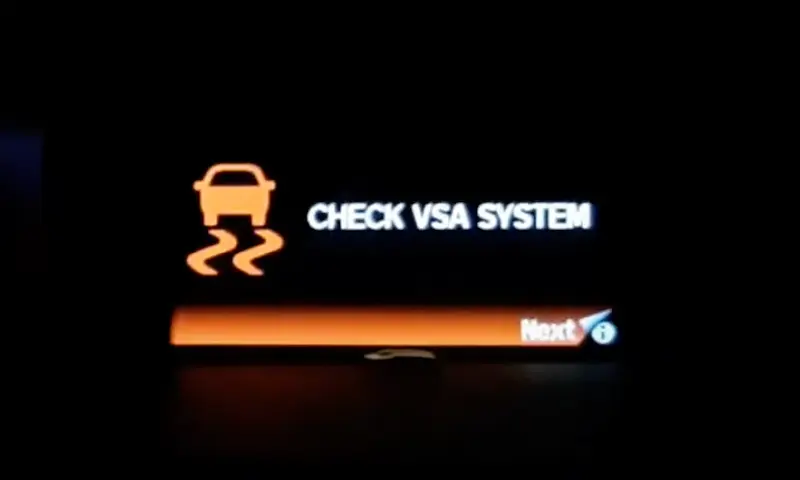
When your Honda’s check engine light comes on and you scan a P0420 code, it’s easy to jump straight to replacing the catalytic converter. But hold on—that could be an expensive mistake. This code isn’t a diagnosis; it’s just the starting point for proper troubleshooting. Let’s break down what this code really means and how to approach it like a professional mechanic would.
What Does Honda P0420 Actually Mean?
The P0420 code stands for “Catalyst System Efficiency Below Threshold (Bank 1).” In simple terms, your Honda’s computer thinks the catalytic converter isn’t cleaning exhaust gases efficiently enough. But here’s the key insight: the converter is often the victim, not the cause.
Your Honda monitors converter efficiency by comparing two oxygen sensors:
- The upstream sensor (before the converter) should show rapid voltage fluctuations
- The downstream sensor (after the converter) should show steady, higher voltage
When both sensors start showing similar patterns, your Honda triggers the P0420 code. This “mirroring” indicates the converter isn’t properly processing the exhaust gases.
Common Symptoms of P0420 in Honda Vehicles
You might notice:
- Check engine light (often the only symptom initially)
- Reduced fuel economy
- Slightly decreased performance
- Sulfur or “rotten egg” smell from exhaust
- Rattling sound underneath the vehicle (serious – stop driving!)
The absence of symptoms doesn’t mean you should ignore the code. Even without obvious performance issues, continued driving could lead to more expensive problems.
Why Your Honda Triggered P0420: The Most Likely Causes
Instead of immediately blaming the catalytic converter, consider these common culprits:
1. Software/ECU Issues
Honda has released multiple Technical Service Bulletins acknowledging that their programming can sometimes be too sensitive, triggering false P0420 codes. Before replacing anything, check if there’s a software update available for your vehicle.
2. Oxygen Sensor Problems
Faulty O2 sensors frequently cause false P0420 codes. The downstream sensor (after the converter) is particularly suspect if:
- It’s responding too slowly with age
- It can’t maintain the steady signal expected with a good converter
- Its wiring or connectors are damaged
3. Exhaust Leaks
Even small exhaust leaks between the two sensors can allow extra oxygen in, confusing the system and triggering a P0420. Check for:
- Cracked exhaust manifolds
- Damaged flex pipes
- Loose connections or gaskets
- Black sooty marks (telltale signs of leaks)
4. Engine Performance Issues
These actively damage your converter:
- Misfires (the #1 “cat killer”)
- Oil or coolant leaks into the combustion chamber
- Fuel system problems leading to rich running conditions
- Faulty coolant temperature sensors
5. The Catalytic Converter Itself
Only after ruling out all the above should you consider the converter failed. Converters typically last 100,000+ miles unless something else damages them.
Professional Diagnostic Protocol for Honda P0420
Step 1: Retrieve All Codes and Freeze Frame Data
Use a scan tool to get all codes, not just P0420. Additional codes like misfire codes (P0300-P0306) or fuel trim codes (P0171/P0172) point to the real problem.
The freeze frame data shows exactly what conditions existed when the code was set—an invaluable clue for diagnosis.
Step 2: Check for Honda Technical Service Bulletins
Honda has issued several TSBs for P0420 problems:
| TSB / Campaign ID | Affected Honda Models | Issue | Solution |
|---|---|---|---|
| MC-11010549-0001 | 2018-24 Accord (1.5L), 2021-24 Civic (1.5L), 2023-24 CR-V (1.5L) | Active investigation into P0420 causes | Contact dealer for assessment |
| MC-10222076-0001 | 2014-16 Honda CR-Z | Overly sensitive PGM-FI software | Software update |
| MC-10187289-0001 | 2018-19 Odyssey, 2016-19 Pilot, 2017-19 Ridgeline (3.5L) | Faulty fuel injectors | Injector replacement under extended warranty |
Step 3: Visual and Physical Inspection
Thoroughly inspect the exhaust system for:
- Leaks at connections, gaskets, and flexible sections
- Physical damage to converter shell
- Rattling sounds when tapping the converter (indicates broken substrate)
Step 4: Test O2 Sensor Operation
With a graphing scan tool, examine the oxygen sensor waveforms:
- Upstream sensor should show rapid switching
- Downstream sensor should hold steady above 0.45 volts
- If downstream “mirrors” upstream, converter efficiency is low
Step 5: Check Engine Health
Monitor fuel trim values (should be within ±10%) and look for:
- Hidden misfires in Mode $06 data
- Oil or coolant consumption
- Rich or lean running conditions
Repair Cost Analysis: What You Might Pay
Costs vary widely depending on what’s actually causing your P0420 code:
| Repair Type | Honda Civic | Honda Accord | Honda CR-V |
|---|---|---|---|
| Downstream O2 Sensor | $432-$504 | $441-$496 | $550-$677 |
| Exhaust Leak Repair | ~$200-$400 | $133-$305 | ~$200-$400 |
| Flex Pipe Repair | $924-$991 | $1,528-$1,671 | $1,489-$1,557 |
| Catalytic Converter Cleaner | $15-$50 | $15-$50 | $15-$50 |
| Aftermarket Converter | ~$600-$1,200 | ~$700-$1,500 | ~$700-$1,500 |
| OEM Converter | $1,970-$3,244 | $2,039-$2,734 | $1,710-$2,395 |
This price difference makes proper diagnosis critically important—fixing an O2 sensor is much cheaper than unnecessarily replacing a converter.
The Truth About “Quick Fixes”
Before spending big money, you might consider:
Catalytic Converter Cleaners: Fuel additives like Cataclean ($15-50) may help with minor carbon buildup. They occasionally work for mild cases but won’t fix serious problems or physical damage.
O2 Sensor Spacers: These $20 devices pull the sensor slightly out of the exhaust stream, potentially tricking the computer. While they might make the light go off, they:
- Don’t fix the actual problem
- Are illegal in many areas
- Will fail visual emissions inspections
Special Honda-Specific Considerations
Honda VCM System and P0420
Honda’s 3.5L V6 engines (in Odyssey, Pilot, and Ridgeline) use Variable Cylinder Management (VCM), which deactivates cylinders to save fuel. This system has been linked to P0420 codes because:
- Deactivated cylinders run cooler
- This causes carbon buildup and increased oil consumption
- Oil contamination damages the catalytic converter
If your V6 Honda has a P0420 code, check for oil consumption and inspect the rear bank injectors and spark plugs.
Honda PGM-FI Sensitivity
Honda’s engine management system is particularly sensitive to converter efficiency. This is why:
- Software updates often solve P0420 problems
- Aftermarket converters that work fine on other brands might not satisfy Honda’s strict parameters
- OEM Honda converters, while expensive, are more likely to permanently fix the issue
Preventative Maintenance to Avoid P0420
The best way to prevent P0420 is proper maintenance:
- Address any check engine light immediately, especially if flashing
- Follow Honda’s recommended spark plug replacement schedule
- Use quality fuel and consider periodic injector cleaners
- Keep up with oil changes using the correct grade
- Drive moderately until the engine reaches operating temperature
Questions to Ask Your Mechanic
When discussing a P0420 code with your repair shop, ask:
- “Have you checked for Honda TSBs for my specific model?”
- “Can you show me the oxygen sensor graph data?”
- “What are my fuel trim readings?”
- “Have you thoroughly checked for exhaust leaks?”
- “What’s causing the code, not just what part needs replacement?”
With the knowledge from this guide, you’re armed to avoid unnecessary expenses and ensure you get the right repair for your Honda’s P0420 code. Remember—fix the cause, not just the symptom.