Having trouble with your Honda and seeing the U0401-68 error code? This communication error between your vehicle’s ECM and other systems can be frustrating, but you don’t need to panic. Let’s break down what this code means, why it happens, and how you can fix it—potentially saving you hundreds in unnecessary repairs.
What Does the Honda U0401-68 Code Actually Mean?
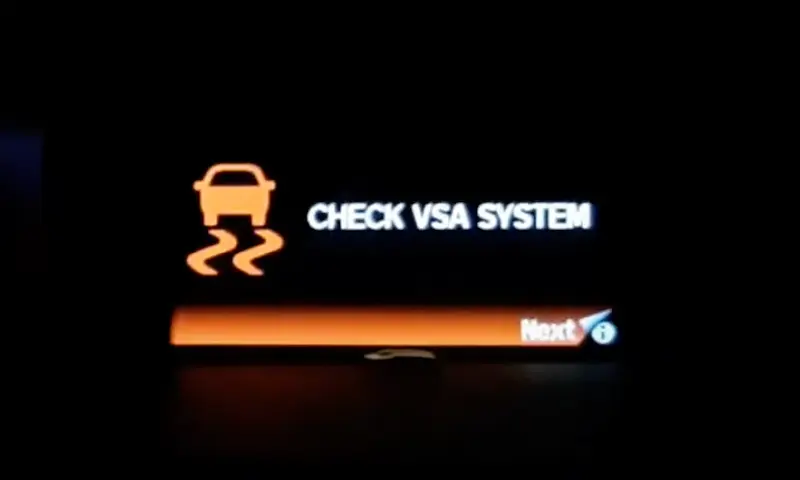
When your Honda displays the U0401-68 code, it’s telling you there’s an issue with data transmission from the Engine Control Module (ECM) to other vehicle systems, particularly the Vehicle Stability Assist (VSA) system.
The “U” in the code indicates it’s a network communication issue, while the specific “-68” subcode is Honda’s way of saying the VSA system has detected a problem when there are existing PGM-FI (Programmed Fuel Injection) trouble codes present. In simpler terms, your car’s stability control system isn’t getting the information it needs from the engine computer.
Common Symptoms You Might Notice
When the U0401-68 code appears, you’ll likely experience:
• An illuminated check engine light or VSA warning light
• Disabled stability control and traction control
• Your ABS or brake hold features might stop working
• Potential erratic engine performance
• In severe cases, your car might not start at all
Many Honda owners report the frustration of thinking they need an expensive ECM replacement when these symptoms appear, but that’s often not the case.
Why Your Honda is Showing the U0401-68 Code
This error typically stems from one of these common causes:
1. Existing PGM-FI Trouble Codes
The most common trigger for U0401-68 is the presence of other engine-related codes. When your Honda’s VSA system detects any active PGM-FI codes, it will automatically set the U0401-68 code as a response. This is actually a safety feature, not necessarily a new problem.
2. Wiring and Connector Issues
Corroded, loose, or damaged CAN-bus wiring can interrupt communication between your ECM and other modules. Poor connections at the ECM itself or bad ground connections are frequent culprits that are much cheaper to fix than replacing the entire module.
3. Voltage Problems
A weak battery, poor charging system performance, or blown fuses can lead to unstable voltage that corrupts data transmission between modules. When voltage drops below a certain threshold, the ECM can’t reliably communicate with other systems.
4. Sensor Failures
Faulty sensors that trigger codes like P0304 (misfire detection) can cascade into communication errors. When your engine is running poorly due to sensor issues, the ECM may send data that other modules consider implausible.
5. Actual ECM Hardware or Software Faults
Though less common than the above causes, internal ECM failure, burnt circuitry, or outdated software can require a reflash or module replacement. But this should be your last suspected cause, not your first.
Step-by-Step Diagnostic Process
Let’s tackle this systematically to avoid unnecessary parts replacement:
1. Scan for All DTCs
Use a quality scan tool (Honda’s HDS or equivalent) to retrieve all trouble codes from both the engine and body control systems. Don’t just focus on the U0401-68 code—look for any PGM-FI codes that might be the root cause.
| Recommended Scan Tools | Features | Approximate Cost |
|---|---|---|
| Honda HDS | OEM-level diagnostics | $2,500+ |
| Autel MaxiCOM MK908P | Full system scanning | $1,200 |
| Launch X431 | Good Honda coverage | $600-900 |
| BlueDriver Bluetooth | Basic but effective | $100 |
2. Clear Codes and Attempt to Reproduce
After recording all codes, clear them using your scan tool. Turn the ignition ON, allow the car to enter READY mode, then take it for a short drive at speeds over 6 mph. Scan again to see which codes return.
3. Address PGM-FI Codes First
This is crucial: if you have any engine-related codes like misfires or sensor faults, tackle those before worrying about the U0401-68. According to Honda’s own troubleshooting documentation, resolving PGM-FI codes will often clear the U0401-68 code automatically.
4. Inspect Wiring and Connections
Perform a thorough visual inspection of all harnesses, connectors, and fuses—particularly those related to the ECM. Look for:
- Corrosion on connector pins
- Damaged wire insulation
- Loose connections
- Signs of water damage
5. Check Voltage and Ground Connections
Verify your battery is healthy and charging properly:
- Battery voltage should be 12.6V when off, 13.5-14.5V when running
- Test ECM fuses for continuity
- Check ground connections for tightness and corrosion
6. Test CAN-Bus Network Integrity
The CAN-bus network is how your vehicle’s computers talk to each other:
- Measure resistance between CAN-High and CAN-Low terminals (should be approximately 60 ohms end-to-end)
- Look for shorts or open circuits in the CAN wiring
7. Verify ECM Software and Hardware
Before considering replacement:
- Check for Technical Service Bulletins that might recommend ECM reprogramming
- Inspect the ECM itself for signs of physical damage like burn marks or swelling capacitors
Effective Repair Strategies
Based on your diagnosis, here are the most effective repairs:
For Wiring and Connector Issues
Clean corroded pins using electrical contact cleaner and a small brush. Secure any loose ground connections, and repair or replace damaged sections of the wiring harness.
For Sensor-Related Problems
Replace faulty components that triggered the initial PGM-FI codes. Common culprits include:
- Ignition coils
- Fuel injectors
- Oxygen sensors
- Crankshaft/camshaft position sensors
For Software Issues
Have your ECM reprogrammed with the latest Honda software update. Many dealerships and some independent shops can perform this service, often resolving communication glitches without part replacement.
For Confirmed ECM Failure
Only after ruling out all other possibilities should you consider ECM replacement. According to repair cost data, expect to pay between $800-$2,500 including parts and dealer programming.
Real-World Example: The Battery Connection
A Honda Civic owner on the CivicX forum reported multiple codes including U0401-68 after replacing their battery. The issue wasn’t the ECM at all, but rather the battery replacement had caused a temporary voltage drop that confused the vehicle’s modules. After proper relearning procedures and clearing codes, the problem disappeared completely.
How to Prevent Future U0401-68 Codes
Take these preventive steps to avoid seeing this code again:
- Maintain your battery and charging system—replace batteries before they fail completely
- Use OEM-quality parts when replacing sensors or other electronic components
- Keep your Honda’s software up-to-date with manufacturer updates
- Regularly inspect CAN-bus harnesses, especially after any water exposure or collision repairs
- Address check engine lights promptly rather than letting multiple codes accumulate
The Bottom Line on Honda U0401-68
The U0401-68 code might seem scary, but it’s rarely an immediate death sentence for your ECM. A systematic approach—starting with resolving any PGM-FI codes, then checking electrical connections and power supply—will typically clear this communication error without expensive module replacement.
Remember that dealers and some shops might jump straight to recommending an ECM replacement because it’s profitable, not because it’s necessary. By understanding this code and its common causes, you can make informed decisions and potentially save thousands in unnecessary repairs.