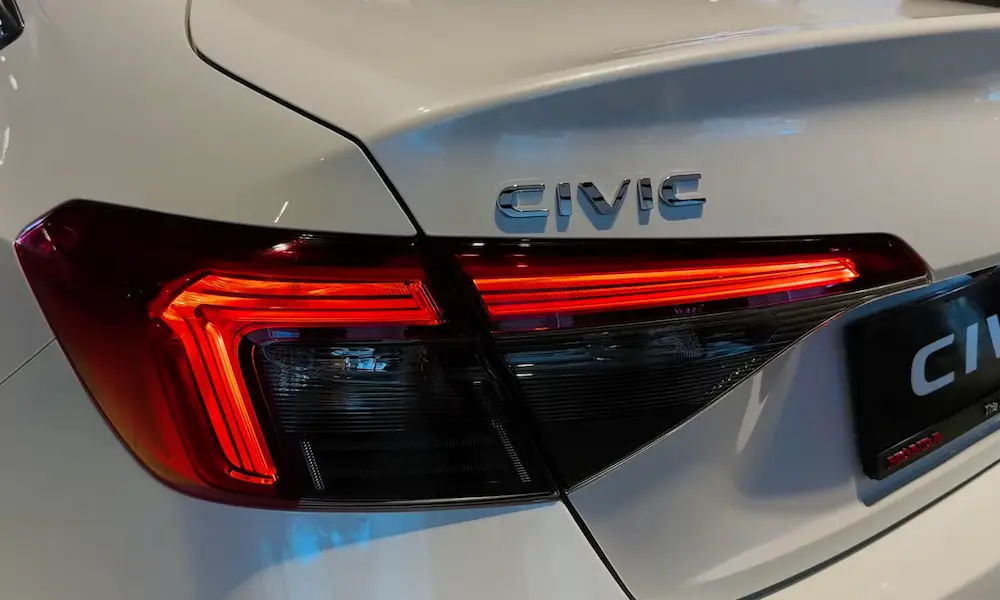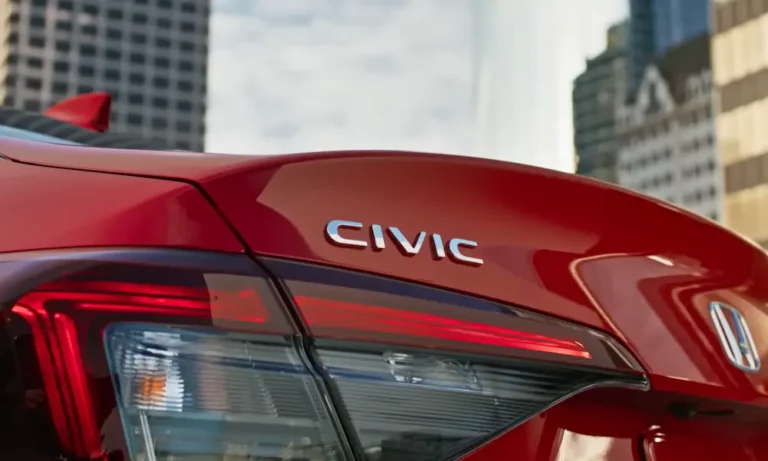
Shopping for a reliable car that won’t quit on you? You’re probably wondering how long do Honda Civics last before they turn into money pits. Here’s the good news: with proper care, these compact cars routinely hit 200,000 to 300,000 miles. Some even push past 500,000 miles. Let’s dig into what makes them tick and how you can squeeze every last mile out of yours.
What’s the Actual Lifespan of a Honda Civic?
Most Honda Civics will give you 200,000 to 300,000 miles before major issues crop up. That’s roughly 15-20 years if you’re driving the average 13,000-15,000 miles annually.
Here’s what makes this impressive: while many vehicles start showing their age around 150,000 miles, well-maintained Civics keep chugging along. Canadian drivers report some models reaching 400,000 kilometers (about 250,000 miles), and exceptional cases have documented 500,000+ miles.
The “high mileage” threshold for Civics sits around 200,000 miles. But don’t let that scare you off—plenty of these cars perform reliably well beyond this point. The key is maintenance history. A meticulously maintained Civic with 180,000 miles beats a neglected one with 80,000 miles every time.
Which Civic Generations Last the Longest?
Not all Civics are created equal. Some generations will treat you right for decades, while others might drain your wallet.
The Champions
Sixth Generation (1996-2000): These are bulletproof. The 1999 and 2000 models stand out as some of the most reliable Civic years ever made. They feature rock-solid D-series engines in base models. If you’re looking at the EM1 Si coupe, you’ll get the legendary B16A2 engine that loves to rev and rarely complains.
Ninth Generation (2012-2015): After some rough years, Honda got back on track. The 2013-2015 Si models pack the K24Z7 2.4L engine that cranks out 205 horsepower and easily handles 300,000+ miles. These models redeemed Honda’s reputation.
Tenth Generation (2019-2020): Modern doesn’t mean unreliable. These earn a 4.7 out of 5 reliability rating from Kelly Blue Book. Just stick with the 2.0L naturally aspirated K20C2 engine and skip the problematic 1.5L turbo.
The Troublemakers
Seventh Generation (2001-2005): Avoid these if you can. The 2001 Civic holds the unfortunate title of worst model year, racking up 1,228 complaints and 27 recalls. Automatic transmissions in these models typically fail around 105,000 miles, costing $2,300-$4,000 to fix.
Eighth Generation (2006-2011): Mixed bag here. The 2006 model suffers from cracked engine blocks in the R18A1 1.8L engine. This disaster usually shows up around 98,000 miles with repair bills approaching $3,000. Honda extended the warranty to 10 years because this problem was so widespread.
What’ll You Spend on Maintenance?
Here’s where Civics shine—they’re cheap to keep running. The average annual maintenance cost sits at $368, which beats most competitors. Over 10 years, you’ll spend roughly $5,639 on maintenance and repairs, coming in $126 cheaper than the industry average for popular sedans.
Honda recommends maintenance every 7,500 miles under normal driving conditions. That includes oil changes, tire rotations, brake inspections, and system checks. Drive in stop-and-go traffic, extreme temperatures, or dusty conditions? You’ll need more frequent service, with oil changes every 3,750 miles.
Major Maintenance Timeline
| Mileage | What Needs Attention | Estimated Cost Range |
|---|---|---|
| 30,000 | Spark plugs, air cleaner, drive belt inspection | $200-$400 |
| 60,000-100,000 | Timing belt replacement (varies by engine) | $500-$900 |
| 90,000 | Transmission fluid replacement | $150-$250 |
| 105,000 | Major fluid changes and comprehensive inspections | $400-$600 |
Common Problems You Should Watch For
Even reliable cars have their quirks. Knowing what to expect helps you budget and plan.
Transmission Headaches
The biggest concern across multiple generations. Automatic transmissions in 2001-2005 models are notorious for failing. CVT transmissions introduced in 2014 show better reliability but still need proper maintenance. Don’t skip those fluid changes.
Engine Issues
Problems vary by generation. The 2006-2008 models with R18A1 engines crack their blocks. The 2016-2019 models with 1.5L turbo engines experienced oil dilution, though Honda addressed this through technical bulletins.
Other Recurring Issues
Airbag sensor failures pop up frequently, affecting occupant position sensors. It’s not catastrophic, but it’ll trigger warning lights and needs fixing.
Paint problems plague 2006-2011 models. Honda switched to eco-friendly paint that proved too thin. Expect peeling and fading.
AC system troubles in early 2000s models usually trace back to faulty thermal fuses. Florida and Texas owners know this pain well.
Electrical gremlins affect some newer models, including infotainment system glitches that’ll make you want to throw your phone out the window.
What Makes Some Civics Last Longer Than Others?
Several factors separate the 300,000-mile Civics from the ones dying at 150,000.
Maintenance Consistency Wins
This is huge. Regular oil changes, fluid replacements, and following Honda’s recommended service schedule can double your car’s lifespan. Owner testimonials consistently show that documented maintenance histories predict longevity better than anything else.
Skip oil changes? Expect sludge buildup, worn bearings, and eventually a seized engine. It’s not if, it’s when.
Driving Conditions Matter
Highway miles are gentler than city driving. Stop-and-go traffic beats up transmissions, brakes, and engines. Winter driving with road salt accelerates rust if you don’t wash the undercarriage regularly.
Cleveland and Milwaukee drivers know this struggle. Seasonal maintenance preparations and rust protection treatments aren’t optional—they’re investments.
Choose Your Model Wisely
Picking the right year saves thousands. Avoiding 2001-2002 and 2006 models prevents expensive transmission failures and engine problems. When shopping 10th generation models, the 2.0L naturally aspirated engine outlasts the 1.5L turbo.
Honda Civic vs. Toyota Corolla: The Longevity Showdown
This debate never dies. Both cars routinely surpass 200,000 miles, but there are differences.
The Toyota Corolla edges out the Civic slightly in 2016-2020 reliability, with fewer reported engine, steering, and transmission issues. Consumer Reports ranks Honda fourth in brand reliability, behind Subaru, Lexus, and Toyota.
Maintenance costs? Nearly identical. The Civic averages $368 annually while the Corolla runs $362. Both can hit 300,000+ miles with proper care.
The Civic offers sportier handling and more engaging driving dynamics. The Corolla delivers slightly better long-term dependability. Pick your priority.
| Feature | Honda Civic | Toyota Corolla |
|---|---|---|
| Expected Lifespan | 200,000-300,000+ miles | 200,000-300,000+ miles |
| Annual Maintenance Cost | $368 | $362 |
| Brand Reliability Ranking | #4 | #3 |
| Driving Dynamics | Sportier, more engaging | Softer, more comfortable |
How to Squeeze Every Mile Out of Your Civic
Want to join the 300,000-mile club? Here’s your roadmap.
Follow the Maintenance Schedule Religiously
This isn’t negotiable. Timely oil changes every 7,500 miles, regular fluid checks, and addressing issues immediately prevent small problems from becoming expensive disasters.
That check engine light? Don’t ignore it. Small issues snowball.
Invest in Quality Parts and Fluids
Cheap oil and aftermarket parts save money upfront but cost more long-term. Use Honda genuine parts and recommended fluids, especially synthetic 0W-20 oil. Your engine will thank you at 200,000 miles.
Protect Against Environmental Damage
Regular undercarriage washing in winter climates prevents rust. Rust protection treatments cost $100-200 but can add years to your car’s life. Park in shade when possible—UV rays destroy paint and interior materials.
Drive Like You Care
Aggressive acceleration, hard braking, and ignoring warm-up time stress mechanical components. Gentle driving habits and steady speeds reduce wear significantly.
Your Civic isn’t a race car (unless it’s an Si, then maybe occasionally).
The Bottom Line on Civic Longevity
Honda Civics earn their reputation as long-lasting workhorses. With proper maintenance, most will easily surpass 200,000 miles, and many reach 300,000 miles or beyond. That translates to 15-20 years of dependable transportation.
The formula is straightforward: choose the right generation (stick with 1996-2000, 2012-2015, or 2019-2020 models), maintain it according to manufacturer specs, and address issues promptly. Avoid the problematic 2001-2005 and 2006 years if possible.
The combination of robust engineering, affordable maintenance costs, and widespread parts availability makes the Civic an excellent choice for maximum longevity. You won’t find flashy luxury features, but you will get a car that starts every morning and doesn’t drain your bank account.
At $368 per year in average maintenance costs and a proven track record of high-mileage reliability, the Civic delivers exceptional value. Whether you’re a college student needing cheap transportation or a budget-conscious family wanting dependability, a well-chosen Civic won’t let you down.
Just remember: the difference between a 150,000-mile failure and a 300,000-mile success story comes down to you. Maintain it properly, drive it sensibly, and your Civic will likely outlast your desire to keep driving it.