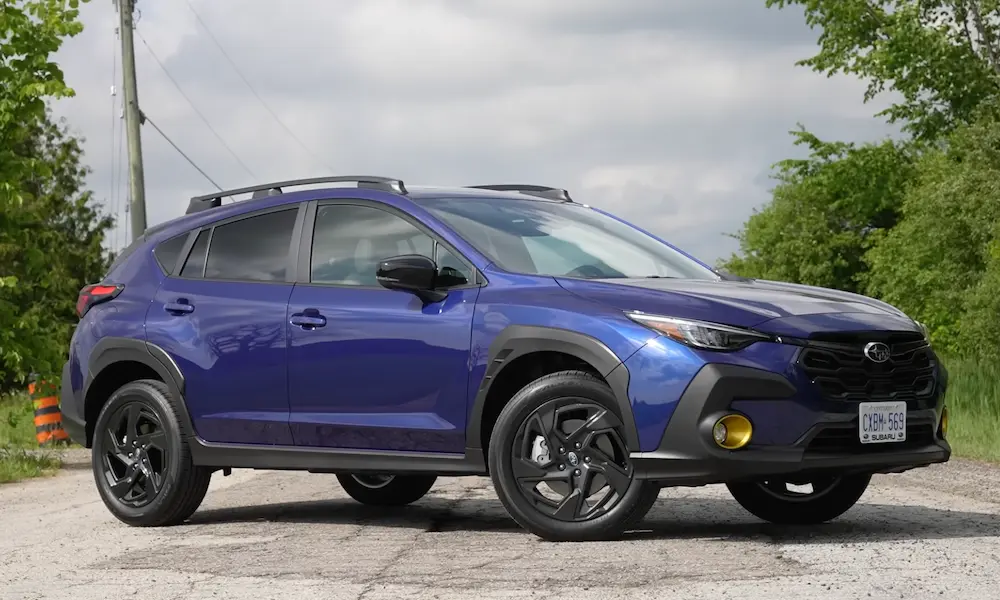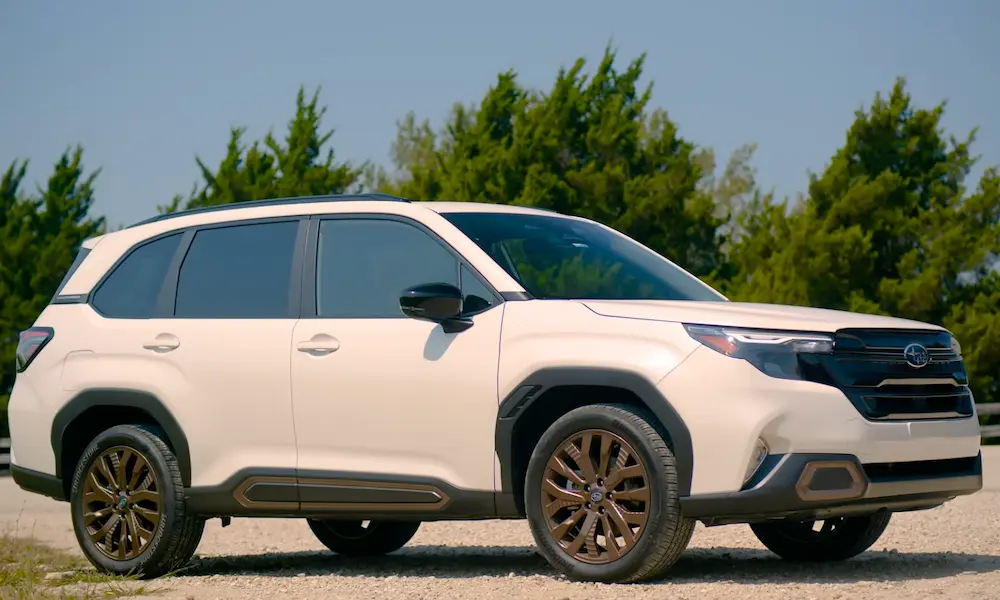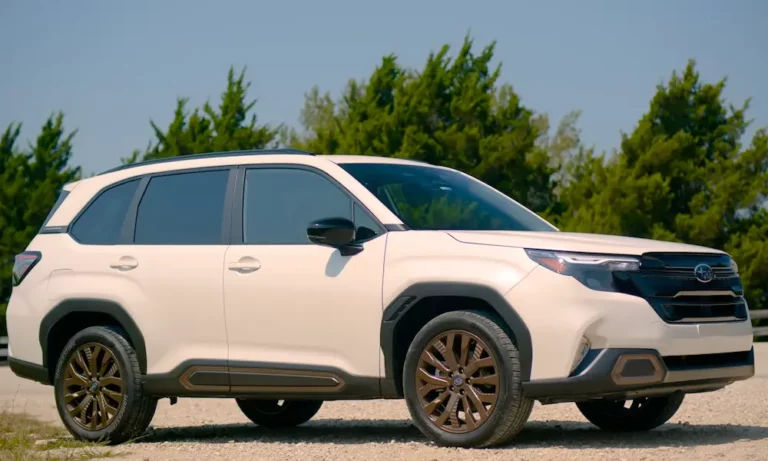
Ever wondered if that Subaru Forester you’ve been eyeing will still be running when your toddler heads off to college? You’re not alone. Subaru has built quite a reputation for durability, but does the Forester live up to the hype?
I’ve dug deep into maintenance records, owner testimonials, and reliability ratings to give you the real scoop on Forester longevity. Whether you’re shopping for your first Subaru or trying to decide if your current Forester is worth that next repair, this guide has you covered.
The Average Lifespan of a Subaru Forester
A well-maintained Subaru Forester typically lasts between 200,000 to 250,000 miles, which translates to about 13-17 years of service if you drive the average 15,000 miles annually. Many owners report their Foresters surpassing the 300,000-mile mark with proper care.
This impressive lifespan stems from Subaru’s engineering approach. The Symmetrical All-Wheel Drive system distributes power evenly across all wheels, reducing overall drivetrain stress. Combined with the horizontally-opposed Boxer engine design that minimizes vibration, these features contribute significantly to the vehicle’s durability.
Several key factors affect how long your Forester will last:
- Maintenance schedule adherence (most important)
- Driving conditions and habits
- Climate and road conditions
- Build year and generation
- How quickly issues are addressed
Forester Reliability By Generation
Not all Forester generations are created equal. Here’s how they stack up:
| Generation | Years | Expected Mileage | Common Issues | Overall Reliability |
|---|---|---|---|---|
| 1st Gen | 1997-2002 | 200,000+ | Head gasket failures | Good with proper repairs |
| 2nd Gen | 2003-2008 | 200,000-250,000 | Improved reliability (2004-05 best) | Very Good |
| 3rd Gen | 2009-2013 | 200,000+ | Oil consumption (2011-2014) | Good |
| 4th Gen | 2014-2018 | 200,000-250,000 | CVT concerns, oil issues | Good |
| 5th Gen | 2019-present | 250,000+ (projected) | Fewer major issues | Excellent |
The fifth-generation Foresters (2019-present) benefit from significant improvements in CVT reliability and overall build quality. These models come standard with the EyeSight safety suite, which not only enhances safety but can help prevent accidents that might otherwise shorten your vehicle’s lifespan.
Common Issues That Can Impact Forester Longevity
Understanding the most frequent problems can help you maximize your Forester’s lifespan:
Head Gasket Failures
The Achilles’ heel of many pre-2015 Foresters, particularly those with the 2.5L EJ25 engine, is head gasket failure. This typically occurs between 100,000-150,000 miles and manifests as oil or coolant leaks and engine overheating.
Head gasket replacement costs between $2,000-$3,000 but can extend engine life significantly. Using high-quality aftermarket gaskets like Fel-Pro and adding Subaru’s recommended coolant additive can help prevent recurrence.
Oil Consumption Issues
Many 2011-2014 Foresters developed excessive oil consumption problems (burning about 1 quart per 1,000 miles) due to faulty piston rings. This can lead to engine damage if not monitored.
Subaru extended warranties for some affected vehicles, so check if yours qualifies. Otherwise, vigilant oil level monitoring and regular changes are your best defense.
CVT Transmission Concerns
Foresters built after 2010 use Lineartronic CVT transmissions, which require strict maintenance. While CVTs can last 300,000 miles with proper care, neglecting fluid changes can lead to catastrophic failures costing upwards of $7,000 to replace.
Changing the CVT fluid every 60,000 miles (rather than the 100,000 miles sometimes suggested) can dramatically extend transmission life.
Essential Maintenance to Extend Your Forester’s Life
Follow these maintenance guidelines to maximize longevity:
Engine Maintenance
- Oil changes: Every 5,000-6,000 miles using Subaru-recommended synthetic oil
- Timing belt replacement: At 90,000-105,000 miles for models with timing belts
- Spark plugs: Every 60,000-100,000 miles depending on model year
Transmission Care
- CVT fluid service: Every 60,000 miles (more frequently in severe driving conditions)
- Differential fluid: Every 30,000-60,000 miles
Other Critical Maintenance
- Coolant flushes: Every 30,000 miles to prevent corrosion
- Brake fluid replacement: Every 2-3 years regardless of mileage
- Fuel system cleaning: Every 30,000 miles to maintain fuel efficiency
Skipping these services might save money short-term, but will likely reduce your Forester’s lifespan significantly. The average annual maintenance cost for a Forester is about $632—slightly above the compact SUV segment average of $521.
How Foresters Compare To Other SUVs In Longevity
The Forester stands out when compared to competitors in long-term durability:
| Model | Average Lifespan | Reliability Rating | Long-Term Value |
|---|---|---|---|
| Subaru Forester | 200,000-250,000 miles | 4/5 | Excellent |
| Honda CR-V | 200,000-250,000 miles | 4.5/5 | Excellent |
| Toyota RAV4 | 250,000-300,000 miles | 4.5/5 | Excellent |
| Nissan Rogue | 150,000-200,000 miles | 3.5/5 | Good |
| Ford Escape | 150,000-200,000 miles | 3/5 | Fair |
While the Toyota RAV4 slightly edges out the Forester in pure longevity, the Forester offers superior all-wheel-drive performance and better resistance to rust and corrosion. This makes Foresters particularly valuable in snowy regions where road salt accelerates vehicle deterioration.
The Forester’s zinc-galvanized body panels and anti-corrosion treatments help the body outlast mechanical components—a rarity in the compact SUV segment.
Real-World Examples of High-Mileage Foresters
Don’t just take my word for it—real owners have pushed their Foresters to impressive mileages:
- A 1997 Forester with 280,000 miles after two head gasket replacements
- A 2012 Forester reaching 242,500 miles with only routine maintenance
- Multiple 2003-2008 models exceeding 200,000 miles with minimal repairs
One Forester owner on Reddit reported: “My 2004 just clicked over 255,000 miles. Original engine and transmission, though I did replace the head gaskets at 150k as preventative maintenance. It still runs like new.”
Best Model Years For Longevity
If you’re shopping for a used Forester with longevity in mind, these model years stand out:
- 2004-2005: Second generation with improved head gasket design and overall reliability
- 2009-2010: Early third-generation models before oil consumption issues
- 2017-2018: Late fourth-generation with most initial problems resolved
- 2020-present: Current generation with the most refined powertrains
Conversely, the 2011-2014 model years are generally considered less desirable due to oil consumption problems, while 2014-2016 models experienced some CVT teething issues.
How Driving Habits Affect Forester Lifespan
Your driving style significantly impacts how long your Forester will last:
Driving Habits That Extend Lifespan
- Allowing the engine to warm up properly before driving hard
- Smooth acceleration rather than aggressive starts
- Complete stops before shifting from reverse to drive
- Avoiding excessive idling
- Proper braking technique instead of hard stops
Driving Conditions That Reduce Longevity
- Frequent short trips that don’t allow the engine to reach operating temperature
- Extreme off-road use without appropriate maintenance adjustments
- Stop-and-go city traffic (harder on transmissions than highway driving)
- Towing near or at maximum capacity regularly
- Driving on roads with heavy salt use without frequent undercarriage washing
Highway driving is generally easier on your Forester than city driving or off-roading. If you frequently take your Forester off-pavement, consider more frequent fluid changes and inspections.
Signs Your Forester Is Reaching Its Limit
How do you know when your Forester is approaching the end of its useful life? Watch for these warning signs:
- Repair costs consistently exceeding $1,000 per year
- Increasing oil consumption despite repairs
- Transmission slipping or hesitation that worsens after fluid changes
- Persistent engine overheating not resolved by cooling system repairs
- Significant rust affecting structural components
- Multiple systems failing simultaneously
When multiple major components need replacement within a short timeframe, it’s often more economical to replace the vehicle, especially if it’s already exceeded 200,000 miles.
Cost-Benefit Analysis of Keeping an Aging Forester
When deciding whether to repair or replace your high-mileage Forester, consider:
- Current market value: If repairs exceed 50% of the vehicle’s value within a year, replacement might make more financial sense
- Reliability needs: Do you depend on this vehicle for critical transportation?
- Repair frequency: Occasional expensive repairs may still be cheaper than new car payments
- Safety considerations: Newer models have advanced safety features older Foresters lack
- Emotional attachment: Some owners value keeping their beloved Forester running regardless of cost
For many owners, the turning point comes around 220,000-250,000 miles when major systems begin failing in succession.
Tips for Buying a Used Forester with Longevity in Mind
If you’re shopping for a pre-owned Forester, follow these steps to find one with plenty of life left:
- Check maintenance records: Complete service history is the strongest indicator of potential longevity
- Look for timing belt replacement: On applicable models, verify this critical service was done on schedule
- Get a pre-purchase inspection from a Subaru specialist, not just a general mechanic
- Check for head gasket work on pre-2015 models—replaced gaskets with proper parts may actually indicate a well-maintained vehicle
- Verify CVT fluid changes on models with the Lineartronic transmission
- Look for one-owner vehicles with highway miles rather than city miles
- Check the NHTSA database to ensure all recalls have been addressed
A 100,000-mile Forester with complete service records is often a better buy than a 50,000-mile example with unknown history.
The Bottom Line on Forester Longevity
The Subaru Forester is genuinely built to last, with most examples easily reaching 200,000 miles and many surpassing 300,000 miles with proper care. Its combination of durable engineering, all-wheel-drive capability, and corrosion resistance makes it an excellent long-term investment, particularly in challenging climates.
Ultimately, how long your Forester lasts depends largely on your commitment to maintenance. Follow the manufacturer’s recommended service schedule (or even exceed it for critical items like transmission fluid), address small issues before they become major problems, and your Forester will likely reward you with many years of reliable service.
For the best balance of modern features and proven reliability, the current fifth-generation (2019-present) models offer the most refined experience while maintaining the durability that has made the Forester a perennial favorite among long-term owners.