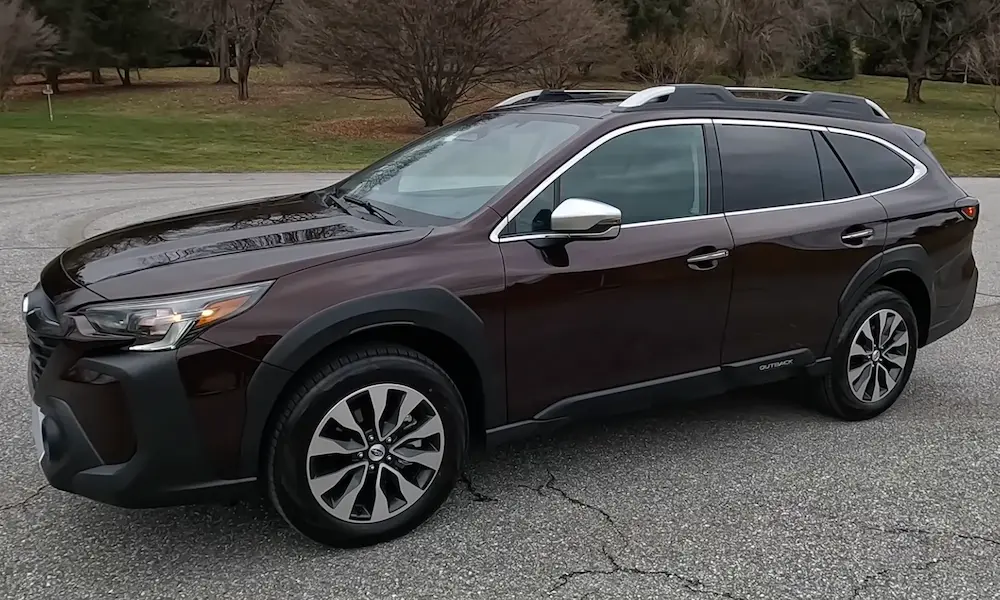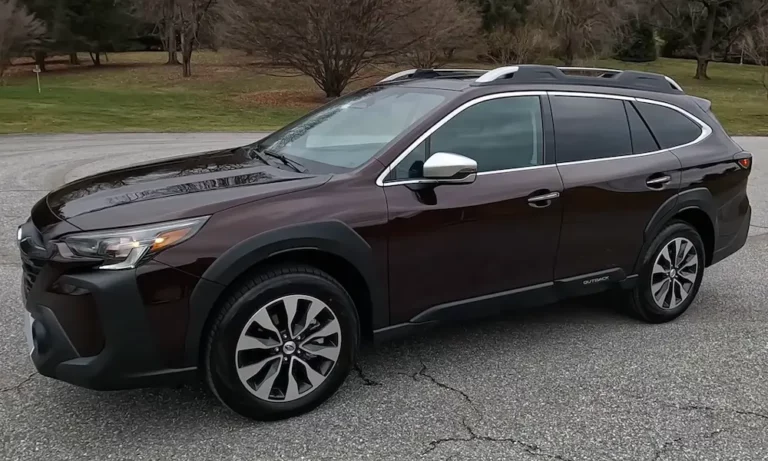
Shopping for a Subaru Outback and wondering if it’ll go the distance? You’re asking the right question. Here’s what the data shows: with proper care, these wagons can rack up 200,000 to 300,000 miles—and some push well beyond that. Let’s break down what really determines how long your Outback will last.
What’s the Typical Lifespan of a Subaru Outback?
A well-maintained Subaru Outback typically lasts 200,000 to 300,000 miles or 10 to 20 years. That’s not marketing hype—it’s backed by real-world owner experiences and industry data.
Here’s something impressive: Subaru claims 96% of their vehicles sold over ten years are still on the road. That’s one of the highest retention rates in the automotive industry.
The sweet spot? Most Outbacks cruise past 200,000 miles without major drama. RepairPal gives the Outback a 3.5 out of 5.0 reliability score, ranking it 14th out of 32 vehicles in its class. Not perfect, but definitely above average.
How Many Miles Can You Realistically Expect?
Let’s talk real numbers. You’ll find plenty of owners reporting smooth operation at 230,000 miles, 290,000 miles, and even documented cases exceeding 400,000 miles.
The catch? It’s not luck—it’s maintenance. The difference between an Outback dying at 150,000 miles and one cruising at 300,000 comes down to how you treat it.
Highway miles beat city driving every time. The boxer engine design thrives on consistent operating temperatures, making highway commuting ideal for longevity. Short trips and stop-and-go traffic? Not so much.
Which Outback Years Last the Longest?
Not all Outback generations are created equal. Here’s the breakdown you need.
First Generation (1995-1999): The Tank
These are the gold standard. First-gen Outbacks show the fewest complaints and recalls, with many examples running smoothly past 300,000 miles. The simple design and proven mechanical components make these nearly bulletproof.
Only one major recall affected this generation—front coil spring corrosion in salt-belt states. That’s it. If you can find a clean first-gen model, grab it.
Second Generation (2000-2004): Proceed with Caution
Here’s where things get tricky. Models from 2000-2004 suffer from notorious head gasket issues affecting the EJ251, EJ252, and EJ253 engines. It’s not a matter of if, but when.
That said, many owners report successful high-mileage service after getting the head gaskets replaced. Just budget for it.
Third Generation (2005-2009): Back on Track
These years are considered among the best Outback years. Subaru finally sorted out the head gasket problems (mostly), and these models deliver solid reliability.
Fourth Generation and Beyond (2010+): Modern Complexity
The 2010+ models introduced CVT transmissions and more electronics. They’re refined and fuel-efficient, but they require more diligent maintenance to hit those high-mileage marks.
The standout modern years? 2016-2017 models benefit from resolved CVT issues and improved manufacturing quality.
What Are the Common Problems at Different Mileage Points?
Understanding what breaks when helps you plan ahead and budget accordingly.
Under 100,000 Miles: The Honeymoon Period
Most Outbacks sail through their first 100,000 miles with minimal fuss. You might see minor electrical glitches, particularly in 2015-2018 models, and occasional oxygen sensor failures.
The big exception? The 2013 model year has piston ring defects causing excessive oil consumption. Skip this year entirely.
100,000-200,000 Miles: Where Maintenance Matters
This is when your Outback starts demanding attention. Head gasket issues become prominent in 2000-2009 models, especially those with 2.5-liter boxer engines.
Cooling system components—radiators, thermostats, coolant hoses—frequently need replacement during this range. And if you’ve got a CVT from 2010-2015? Neglected fluid changes can cause shuddering and slipping.
Beyond 200,000 Miles: The Veteran Stage
Past 200,000 miles, you’re looking at more comprehensive maintenance. Engine oil leaks from valve cover gaskets and cam seals become common. Suspension components, wheel bearings, and brake systems need more frequent attention.
But here’s the good news: many owners report continued reliable operation well into the 250,000-300,000 mile range with appropriate care.
What Maintenance Does an Outback Need to Last?
Want your Outback to hit 300,000 miles? Here’s your playbook.
Oil Changes: Don’t Skip These
Subaru recommends oil changes every 6,000 miles or 6 months, whichever comes first. High-mileage owners swear by even shorter intervals.
Boxer engines are sensitive to oil condition. Use quality synthetic oil and check your levels regularly. It’s the cheapest insurance you can buy.
CVT Fluid: The Controversy That Matters
Here’s where Subaru of America and Subaru Japan disagree. While Subaru of America initially claimed “lifetime fluid,” Japanese market recommendations call for changes every 36,000 miles.
The smart move? Change CVT fluid every 30,000-60,000 miles. Owners who follow this schedule report significantly better transmission longevity, with some hitting 200,000+ miles on original transmissions.
Cooling System: Your Head Gasket’s Best Friend
Given the prevalence of head gasket issues in certain model years, maintaining your cooling system isn’t optional—it’s critical.
Regular coolant changes, timely thermostat replacement, and radiator maintenance help prevent costly head gasket failures. Using Subaru’s recommended coolant conditioner adds extra protection.
Which Outback Years Should You Avoid?
Let’s be blunt about the problem children.
2013: The Worst Year
The 2013 model has widespread piston ring defects causing excessive oil consumption. Some owners report adding a quart of oil every 1,000 miles. Hard pass.
2010-2015: CVT Growing Pains
Early CVT reliability issues plague these years. Subaru extended CVT warranties to 10 years/100,000 miles on many of these models—that should tell you something.
If you’re looking at these years, verify the CVT has been properly maintained or replaced under warranty.
2000-2004: Budget for Head Gaskets
Head gasket failures are common during this period. The repair costs $1,600-3,500. If you’re buying one of these years, assume you’ll need this repair and negotiate accordingly.
CVT vs Traditional Transmission: Which Lasts Longer?
This matters more than you might think.
Traditional Automatics: The Reliable Workhorse
Pre-2010 models with 4EAT and 5EAT transmissions demonstrate exceptional durability. These often last the vehicle’s entire life with just basic fluid changes.
CVT Transmissions: Maintenance-Dependent
CVTs get a bad rap, but the truth is nuanced. Post-2015 CVT improvements addressed many early issues. With proper fluid maintenance, they can achieve substantial longevity.
The key phrase? “With proper fluid maintenance.” Skip those CVT services and you’re asking for trouble.
What Do Real Owners Say About High-Mileage Outbacks?
Numbers are great, but let’s hear from people actually driving these things.
One owner documented a 2002 Outback reaching 300,000 miles with total ownership costs of about $46 per month compared to $865 for a new vehicle. Another reported over 417,000 miles on a 1999 Legacy Outback with only one head gasket and one transmission replacement.
These aren’t flukes. They’re what happens when you combine a well-engineered vehicle with consistent maintenance.
What Does It Really Cost to Keep an Outback Running?
High-mileage ownership involves predictable maintenance cycles. Major service intervals happen every 30,000 miles, with more comprehensive work every 60,000-90,000 miles.
Yes, individual repairs can be pricey. Head gasket replacement costs $1,600-3,500. But spread that over 200,000+ miles? It’s still cheaper than a new car payment.
What Factors Affect How Long Your Outback Lasts?
Not every Outback reaches 300,000 miles. Here’s why some make it and others don’t.
Your Driving Style Matters
Highway driving promotes longer engine life compared to constant short trips. Aggressive driving, excessive towing, and ignoring warning lights will shorten any vehicle’s lifespan.
Where You Live Makes a Difference
Climate and storage conditions substantially impact longevity. Harsh winter climates accelerate corrosion and component wear. Garage storage and regular washing help preserve both mechanical bits and body integrity.
Salt-belt driving requires more frequent undercarriage maintenance to prevent structural rust.
Proactive vs. Reactive Maintenance
This is the big one. Owners who follow manufacturer schedules and address minor issues promptly consistently achieve higher mileage. Deferred maintenance leads to cascading failures and early retirement.
It’s simple: fix small problems before they become big ones.
Smart Buying Strategy for Long-Term Outback Ownership
Here’s your cheat sheet for maximum longevity.
Best Years to Buy:
- 1995-1999 (first generation): Exceptional durability, minimal issues
- 2005-2009 (third generation): Resolved head gasket problems, solid reliability
- 2016-2017 (fifth generation): Modern features with improved CVT reliability
Maintenance Priorities:
- Oil changes every 6 months maximum
- CVT fluid service every 30,000-60,000 miles
- Cooling system maintenance on schedule
- Address issues promptly before they cascade
Red Flags to Watch:
- Any 2013 model (piston ring defects)
- 2010-2015 CVTs without documented fluid changes
- 2000-2004 models without head gasket replacement documentation
The Subaru Outback’s reputation for lasting 200,000 to 300,000 miles isn’t just marketing—it’s proven by countless owners who’ve hit those numbers. The difference between an Outback that makes it and one that doesn’t comes down to maintenance commitment. Treat it right, and you’ll have a wagon that outlasts your car payments by a decade or more.