Dealing with a car that won’t start due to an anti-theft system can be incredibly frustrating. Whether you’ve replaced your car battery, lost your keys, or your system is malfunctioning, knowing how to reset or reprogram your vehicle’s anti-theft system can save you time and money. I’ll walk you through the process step by step, so you can get back on the road without an expensive trip to the dealership.
Understanding Your Car’s Anti-Theft System
Modern cars use sophisticated anti-theft systems that include electronic immobilizers, transponder keys, and encrypted communication protocols. These systems create a security triangle between your key, the immobilizer control unit, and the engine control module.
When you insert your key, the system runs a verification process before allowing your car to start. If this process fails, your car’s anti-theft system activates, preventing engine start.
There are three main situations when you might need to reprogram your system:
- Adding or replacing transponder keys
- Replacing the engine control unit
- Resetting the system after a false trigger
Common Signs Your Anti-Theft System Needs Reprogramming
Before attempting to reprogram your system, it’s important to recognize the symptoms:
- Security light staying on or flashing on your dashboard
- Car cranks but won’t start
- Key turns in ignition but nothing happens
- Dashboard lights up but engine doesn’t crank
- Car starts then immediately shuts off
If you’re experiencing any of these issues, your anti-theft system might be the culprit.
General Method to Reset Your Anti-Theft System
While specific procedures vary by manufacturer, here’s a general approach that works for many vehicles:
- Insert your key into the driver’s door lock (not the ignition)
- Turn the key toward the rear of the car (unlock position) and hold for 30 seconds
- Turn the key back to the center position, then toward the front of the car (lock position)
- Remove the key and try starting the vehicle
If this doesn’t work, try this alternative method:
- Insert the key in the ignition
- Turn to the “ON” position (don’t start the engine)
- Leave it in this position for 10-15 minutes
- Turn back to “OFF” then try starting the car
How to Reprogram Anti-Theft Systems by Car Brand
Ford Anti-Theft System Reset
Ford vehicles use the Passive Anti-Theft System (PATS), which can be reset with this procedure:
- Insert your programmed key into the ignition
- Turn to the “ON” position for 3 seconds (don’t start the engine)
- Turn back to “OFF” and remove the key
- Within 10 seconds, insert your second programmed key
- Turn to “ON” and back to “OFF”
- The security light should flash to confirm successful programming
For newer Ford models with push-button start, place the key fob near the start button while pressing the brake pedal and pushing the start button.
General Motors (GM) Reset Procedure
GM vehicles with the Passkey II system require a specific timing sequence:
- Insert the key and turn to “ON” position (don’t start)
- Leave it in this position for about 11 minutes until the security light turns off
- Turn key to “OFF” for 30 seconds
- Repeat this ON/OFF cycle two more times
- After the third cycle, the system should reset
This timeout-based approach works on many Chevrolet, GMC, Buick, and Cadillac models.
Honda Immobilizer Reset
Honda vehicles often require a specific sequence, especially after battery replacement:
- Fully depress the brake or clutch pedal before turning the key
- Maintain pressure on the pedal during the 30-second system wake cycle
- Wait until the immobilizer indicator goes out before attempting to start
For newer Honda models, you may need to hold the key fob against the start button while pressing it.
Toyota/Lexus Transponder Programming
Toyota vehicles have a unique approach:
- Enter the vehicle with all doors closed
- Insert key in ignition and rapidly cycle between “ON” and “OFF” positions 5 times within 15 seconds
- The security light should flash or stay solid
- Wait for the light to turn off, then try starting the car
For programming new keys, Toyota uses a system where you can bridge the TC and CG terminals in the diagnostic port to enter programming mode.
Using OBD-II Diagnostic Tools
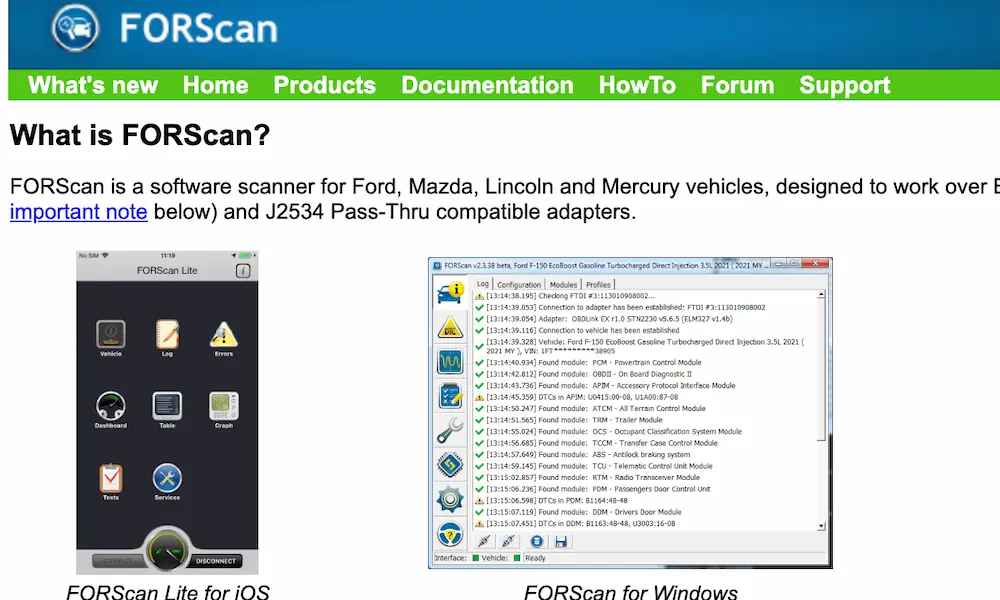
For more complex reprogramming needs, OBD-II diagnostic tools can provide direct access to your vehicle’s security systems.
Key Programmers
Dedicated key programmers like the Ancel DP500 allow you to:
- Connect to your car’s 16-pin diagnostic port
- Navigate to the immobilizer module
- Program new keys directly to your vehicle’s ECU
These programmers typically cost between $100-500 and can save multiple trips to the dealership for key programming needs.
VCDS/VAG-COM for Volkswagen Group Vehicles
Volkswagen, Audi, Seat, and Skoda vehicles use a specialized system that requires:
- Logging in with a 7-digit security code
- Accessing adaptation channel 21 to specify key quantity
- Cycling the ignition with each new transponder key
This method requires separation of keys during programming to prevent RF interference.
Advanced DIY Method: EEPROM Reprogramming
For those with electronic expertise, EEPROM reprogramming offers a more direct approach:
| Equipment Needed | Purpose | Approximate Cost |
|---|---|---|
| EEPROM Reader/Writer | Reads and writes memory chip data | $150-300 |
| Soldering Equipment | For chip removal/reinstallation | $50-100 |
| EEPROM Software | Programs specific memory locations | $0-200 |
This method involves:
- Locating and removing the EEPROM chip from the immobilizer module
- Reading the current data
- Modifying the security bytes in memory sectors
- Writing the modified data back to the chip
- Reinstalling the chip
While effective, this method requires technical skill and can potentially damage your vehicle’s electronics if done incorrectly. It’s typically used for completely resetting immobilizer systems when all keys are lost.
Smart Key System Reprogramming
Modern keyless entry systems require different approaches:
- For proximity issues, ensure proper alignment of the key fob with the vehicle’s antenna
- Some vehicles require calibration of the low-frequency (125kHz) antenna
- Replace the key fob battery if it’s weak or dead
In Honda Civics and similar vehicles, improper battery replacement can disrupt the sensitive RF communication. Place the key fob close to the start button while pressing it to temporarily overcome this issue.
Common Mistakes to Avoid
When reprogramming your anti-theft system, avoid these common pitfalls:
- Rushing through the timing sequences (many systems rely on precise timing)
- Using keys with damaged transponder chips
- Attempting to program keys near electronic interference
- Disconnecting the battery mid-procedure (this can lock some systems)
- Using incompatible aftermarket keys without proper chip cloning
Taking your time and following manufacturer procedures exactly will increase your chances of success.
Manufacturer-Specific Security Features
Different car brands implement unique security features that affect reprogramming:
| Manufacturer | Security Feature | Reprogramming Consideration |
|---|---|---|
| BMW | Individual Serial Number (ISN) | Requires dealer tools with cloud authentication |
| Mercedes | FBS4 System | Needs online server access for key authorization |
| Hyundai/Kia | Smart Key Teaching | Requires proximity calibration |
| Ford | SecuriLock/PATS | 10-second timing window between keys |
| GM | PassKey III+ | Requires “Seed and Key” challenge-response |
Modern luxury vehicles now use 2048-bit RSA encryption with centralized key generation that often requires dealer-level tools.
Professional Options When DIY Fails
If your DIY attempts don’t succeed, consider these professional options:
- Automotive Locksmith: Typically charges $75-200 for reprogramming services
- Dealership Service: Usually costs $150-400 depending on vehicle and issue
- Independent Mechanic with Proper Diagnostic Tools: Often $100-250
For complex systems in newer vehicles, professional help may be necessary as they have access to manufacturer databases and specialized equipment.
Preventative Measures
To avoid future anti-theft system issues:
- Keep at least two programmed keys for your vehicle
- Replace key fob batteries regularly
- Avoid electrical system modifications that could trigger the immobilizer
- Keep a record of any security codes provided with your vehicle
- Consider having spare keys programmed before emergencies occur
Following these preventative steps can save significant hassle down the road.