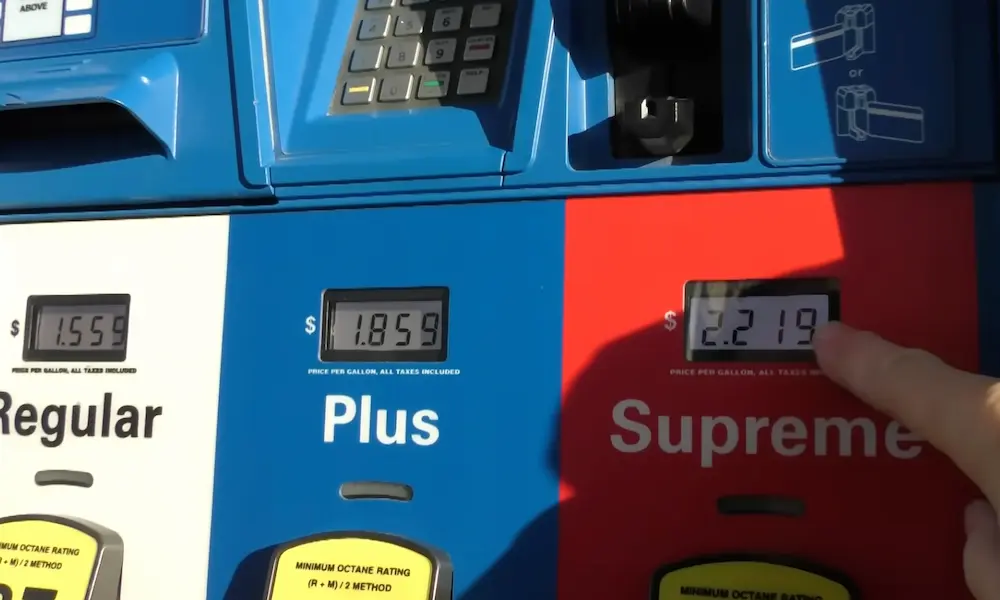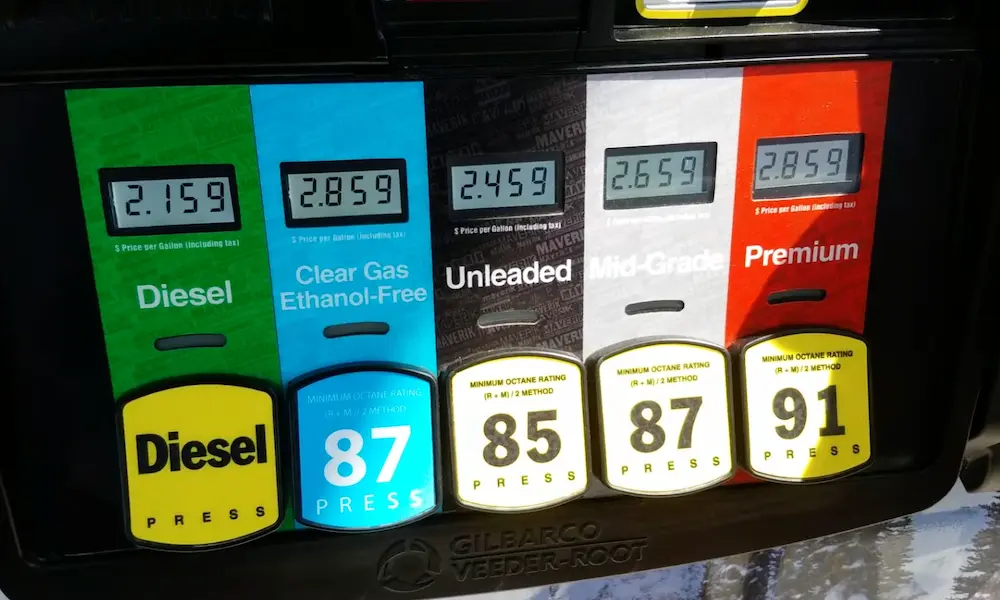
You’re standing at a Conoco pump, wondering if you’re about to make a smart fuel choice or waste your money. It’s a fair question—especially when you’re trying to protect your engine without overspending. This guide cuts through the marketing claims and shows you exactly what you’re getting (or not getting) when you choose Conoco. Stick around, because what you discover might change where you fuel up.
What Makes Gas “Good” in the First Place
Here’s the truth: octane ratings don’t tell you much about quality. The real measure of good gasoline is what’s in it—specifically, the detergent additives that keep your engine clean.
Since 1996, the EPA has required a minimum level of detergent in all gasoline. But here’s the kicker: that standard is outdated and doesn’t go far enough for modern engines. Today’s high-precision engines, especially those with direct injection, need way more protection than the government requires.
That’s where TOP TIER™ gasoline comes in. Major automakers—including BMW, Honda, Toyota, and GM—created this stricter standard because they knew the EPA’s minimum wasn’t cutting it. TOP TIER™ fuel contains significantly higher concentrations of detergent additives that actually prevent the carbon buildup that robs your engine of power and efficiency.
The Science Behind Clean Engines
AAA’s independent lab testing delivered eye-opening results. They simulated 4,000 miles of driving and found that non-TOP TIER™ gasolines caused 19 times more engine deposits than TOP TIER™ brands.
Think about that for a second. Using the wrong gas creates nearly 2,000% more gunk in your engine.
TOP TIER™ fuels reduced intake valve deposits by almost 95% compared to regular gas. This isn’t marketing hype—it’s verifiable science from one of the most trusted automotive organizations in the country.
And it won’t break your bank. AAA found that TOP TIER™ fuel costs just three cents more per gallon on average. That’s roughly 45 cents per fill-up to protect an investment worth thousands of dollars.
Is Conoco Gas Good? The Complicated Answer
So, is Conoco gas good? Here’s where it gets tricky.
Conoco is officially a licensed TOP TIER™ retailer, which is a solid foundation. But they don’t stop there. Conoco claims their fuel contains “30% more than the TOP TIER® Detergent Gasoline standard”—making it theoretically one of the best fuels you can buy.
On paper, that’s impressive. In practice? It’s a different story.
The Asterisk That Changes Everything
Notice that little asterisk after Conoco’s “30% more” claim? That’s not just legal fine print. It says “at participating locations“, which fundamentally undermines the entire quality promise.
What good is a brand if you can’t trust that every station delivers the same product?
This loophole isn’t theoretical. During a 2022 fuel shortage, Conoco officially admitted that stations in six states would sell fuel “may not meet TOP TIER™ standards”. They prioritized keeping stations open over maintaining their quality promise.
That set a dangerous precedent. It told franchisees that selling substandard fuel under the Conoco name was acceptable in certain circumstances.
Real-World Evidence of Non-Compliance
A customer in Boulder, Colorado discovered something disturbing at their local Conoco. The TOP TIER™ stickers were “seemingly scratched off of the pumps”. When they asked about it, station personnel confirmed they “ARE using a cheap generic gas with no detergents” while charging premium Conoco prices.
That’s deliberate deception. A franchisee leveraging the Conoco brand while knowingly selling inferior fuel.
This isn’t an isolated incident—it’s what happens when a brand allows franchisees to opt out of quality standards while still using the company logo.
The Bigger Risk: Contaminated Fuel
Forget detergent levels for a moment. Some Conoco stations have sold fuel contaminated with water—and that can destroy your engine in minutes.
When “Good Gas” Goes Catastrophically Bad
In Englewood, Colorado, a driver filled their 2017 Acura with premium Conoco gas. The car immediately died. The diagnosis? Highly contaminated gasoline requiring a $2,000 fuel pump replacement.
This wasn’t hearsay. The Colorado Division of Oil and Public Safety investigated, found water in the 91-grade fuel line, and shut down the premium pump.
A separate incident in Lawrence, Kansas revealed something even more disturbing. After a driver experienced fuel-related car trouble requiring an expensive system purge, the station manager admitted “they have a leak in their gas storage that lets water in when it rains” and that it “has happened in the past”.
Let that sink in. A known, recurring problem that destroys customer vehicles—and apparently nobody fixed it.
Why Water Contamination Is So Dangerous
Water is heavier than gasoline, so it settles at the bottom of storage tanks—right where the fuel pump pickup sits. When you fill up from a contaminated tank, your car’s fuel pump sucks in pure water.
What happens next is catastrophic:
- The fuel pump dies (it’s lubricated by gasoline, not water)
- Your entire fuel system corrodes
- Injectors and filters get damaged
- Your engine fails immediately
We’re talking thousands of dollars in repairs from a single fill-up.
How Conoco Compares to Other Gas Stations
Understanding is Conoco gas good requires context. Let’s look at how it stacks up against competitors in the TOP TIER™ category.
The Premium Brand Landscape
Shell promotes its V-Power NiTRO+ as “proven to keep valves and internals cleaner” than competitors. Chevron’s Techron additive is one of the industry’s most recognized and trusted formulations.
Notice the difference? These brands have named their additives, creating tangible brand loyalty. Conoco just calls theirs “quality fuel”—no catchy name, no ingredient branding.
That makes it harder for consumers to know what they’re getting. It also makes it easier for non-compliant stations to fly under the radar.
The Costco Advantage
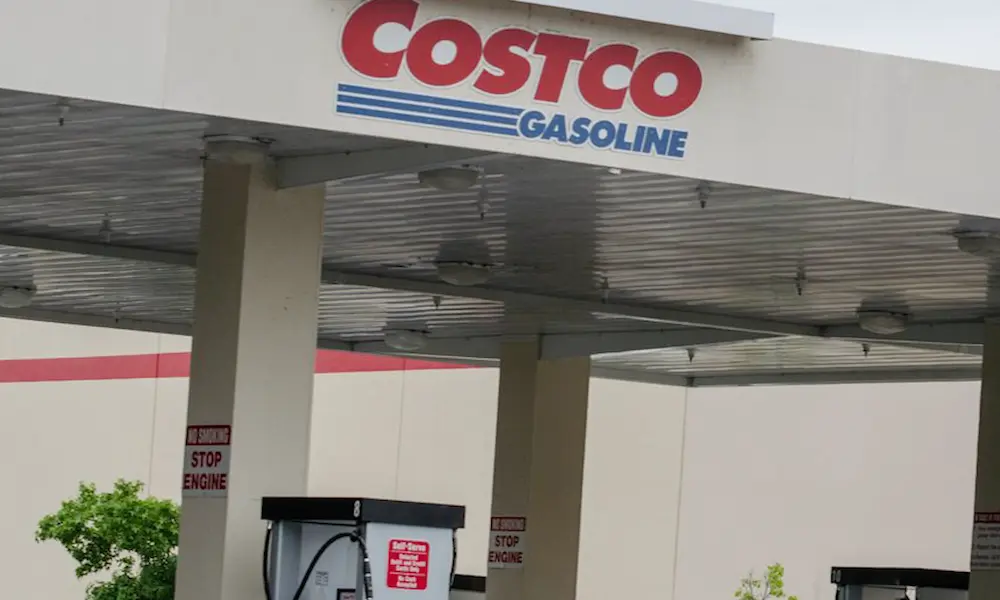
Here’s where it gets interesting. Costco sells TOP TIER™ gasoline at competitive prices—and they have a crucial advantage over Conoco.
Costco stations are corporate-owned, not franchised. There’s no “participating locations” loophole. Every Costco fuel pump delivers the same quality-controlled product because the company’s reputation depends on consistency.
When you buy Kirkland Signature gasoline, you know you’re getting genuine TOP TIER™ fuel with proper detergent additives. No asterisks, no exceptions.
TOP TIER™ Brand Comparison
| Brand | TOP TIER™ Certified | Special Claim | The Catch |
|---|---|---|---|
| Conoco | Yes | “30% more detergent” | “*at participating locations” |
| Shell | Yes | V-Power NiTRO+ formula | None found |
| Chevron | Yes | Techron additive | None found |
| Costco | Yes | Corporate quality control | None (corporate-owned) |
Don’t Confuse Octane with Quality
Quick clarification, because this trips up a lot of people: premium gas isn’t automatically better gas.
Octane rating measures a fuel’s resistance to engine knocking, not its cleaning power. Unless you’re driving a high-performance, turbocharged, or luxury vehicle that specifically requires premium fuel, you’re wasting money buying 93 octane.
AAA confirmed that using premium in a regular-grade vehicle offers no significant horsepower, fuel economy, or emissions benefits in typical driving.
What does matter? The detergent additive package. That’s what determines quality—and it should be the same across all octane grades at any legitimate TOP TIER™ station.
So is Conoco gas good if you buy premium? Only if you need premium octane and that specific station is actually delivering TOP TIER™ fuel. The grade doesn’t guarantee the quality.
How to Protect Yourself at Conoco Stations
If you’re going to use Conoco, you can’t just trust the logo. You need to verify quality yourself, every single time.
Step 1: Verify Before You Drive There
Don’t use Conoco’s station finder or their Fuel Forward® App. These tools just locate Conoco-branded stations—they don’t verify TOP TIER™ compliance.
Instead, use the official TOP TIER™ Station Finder. This independent directory is administered by the Center for Quality Assurance and only lists genuinely compliant stations.
If a Conoco station isn’t on that list, don’t go there. Period.
Step 2: Inspect the Pumps
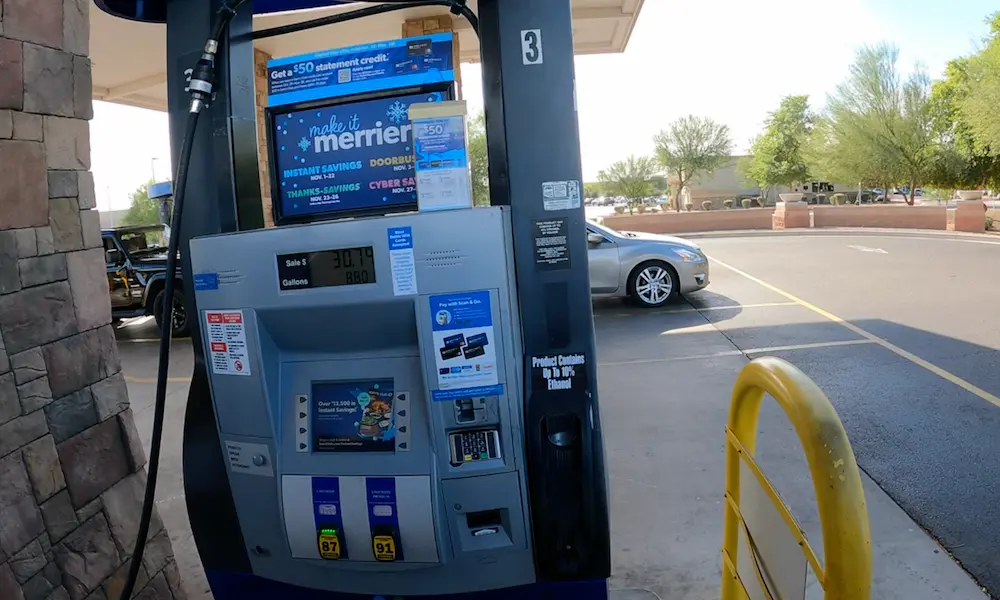
Once you arrive, look for TOP TIER™ logos on the pump, handle, or canopy. This is your visual confirmation that the station is currently selling certified fuel.
Now here’s the critical part: check if those stickers have been scratched off or removed. That Boulder customer noticed this red flag—and it turned out the station was indeed selling generic, non-detergent fuel.
Defaced or missing TOP TIER™ stickers aren’t accidents. They’re evidence of deception.
Step 3: Assess Station Maintenance
Take 30 seconds to look around. Is the station visibly run-down? Are the pumps old and damaged? Do you see deep water pooling near the underground tank access points?
These are warning signs of poor maintenance—the kind that leads to leaking storage tanks that let rainwater contaminate the fuel.
If the station looks sketchy, drive away. Saving $2 on a fill-up isn’t worth a $2,000 repair bill.
What “Good” Conoco Gas Looks Like
When a Conoco station does everything right, its enhanced-additive formula is genuinely excellent for your engine. Conoco claims their fuel can help your engine “run like new in as few as five tanks” thanks to deposit-cleaning additives.
But you can only trust that claim at verified, well-maintained locations.
Why Gas Station Quality Matters More Than You Think
Your fuel choice has long-term consequences. TOP TIER™ gasoline prevents carbon buildup that reduces performance and fuel economy over time.
Think of it this way: you wouldn’t skip oil changes to save $30, right? So why risk engine deposits by choosing cheap, low-detergent fuel to save 45 cents per fill-up?
AAA found that consumers are “six times more likely to choose a gas station based on price rather than quality”. That’s understandable—but economically irrational when you consider the cost of poor fuel economy and costly repairs down the road.
The “Gas Is Gas” Myth
You’ll hear people say “gas is gas” because all fuel comes from the same refineries. That’s only partially true.
Yes, gasoline of the same octane rating starts as a “shared source” commodity. But here’s what happens next: when tanker trucks fill up at distribution terminals, each brand adds its own proprietary detergent additive package—the “secret sauce” that differentiates Shell from Chevron from generic no-name fuel.
That additive package is the only difference between brands. And it’s the most important difference for your engine’s health.
So is Conoco gas good? Only when it actually contains Conoco’s advertised additive formula. At non-compliant stations, you’re just getting that generic commodity fuel—without the cleaning benefits you’re paying for.
What Automakers Actually Recommend
Major automakers don’t just endorse TOP TIER™ fuel—they created the standard because EPA regulations failed to protect modern engines.
The TOP TIER™ program is backed by Audi, BMW, General Motors, Honda, Toyota, Volkswagen, and Mercedes-Benz. These manufacturers spent millions developing fuel injection and direct injection systems. They know exactly what those systems need to stay clean.
When you use TOP TIER™ gasoline as the “best choice for ongoing performance and economy”, you’re following manufacturer recommendations—even if your owner’s manual doesn’t specifically mention the program by name.
Check your manual for the recommended octane rating, then buy that octane grade from a verified TOP TIER™ station. That’s the winning formula.
The Final Verdict on Conoco Quality
So, is Conoco gas good? The honest answer: it depends entirely on the specific station.
Conoco’s advertised fuel formula, with 30% more detergent than TOP TIER™ standards, is legitimately excellent—when you actually get it. The problem is that “at participating locations” disclaimer creates an unacceptable level of uncertainty.
The evidence shows:
- Some Conoco stations openly sell generic, non-detergent fuel while charging premium prices
- Multiple stations have sold water-contaminated fuel causing thousands in damage
- Conoco corporate has admitted to selling sub-standard fuel during supply issues
Compare that to Shell, Chevron, or Costco—brands where these systemic quality control failures aren’t regularly documented.
The Smarter Choice
If you want guaranteed engine protection without playing detective at every fill-up, choose a brand with corporate-controlled quality assurance. Costco delivers consistent TOP TIER™ fuel at competitive prices, with zero franchisee loopholes.
If you insist on using Conoco, follow the verification protocol religiously:
- Check the independent TOP TIER™ Station Finder first
- Visually confirm TOP TIER™ logos at the pump
- Inspect for scratched-off or missing stickers
- Assess overall station maintenance and condition
A compliant, well-maintained Conoco station sells excellent fuel. But the Conoco brand itself can’t be trusted blindly—and that’s a fundamental failure of brand promise that puts the burden entirely on you, the customer.
Your engine deserves better than a gamble. Choose fuel from stations where quality is guaranteed, not optional.