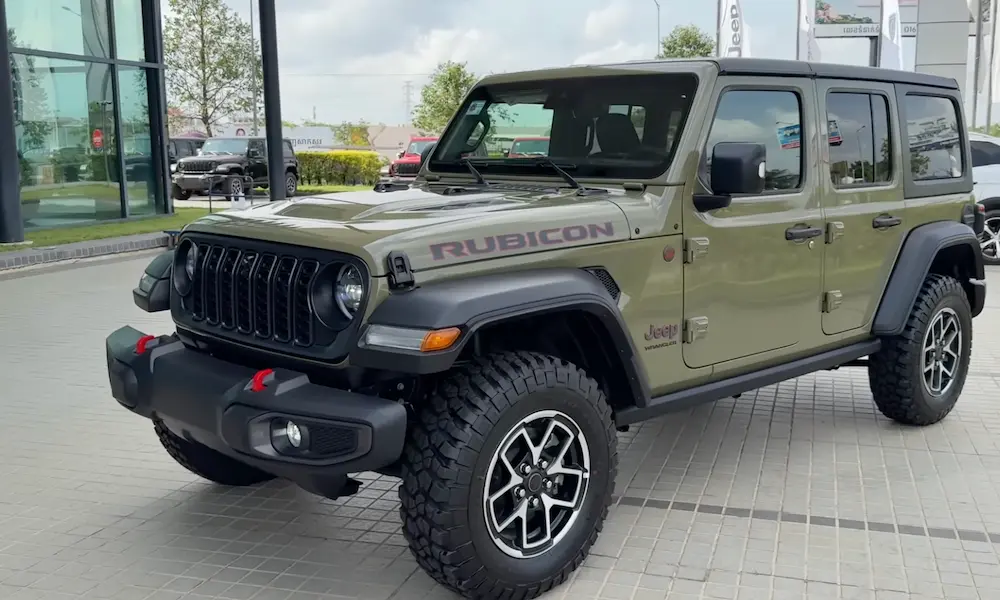
Picking the right gas for your Jeep Grand Cherokee isn’t just about filling up and driving away. The correct fuel type keeps your engine running smoothly and protects your investment for years to come. Whether you’re cruising highways or tackling off-road adventures, understanding your Jeep’s fuel needs is essential for optimal performance.
Which Gas Type Should You Use in Your Jeep Grand Cherokee?
Your Jeep Grand Cherokee’s recommended fuel type depends entirely on which engine sits under the hood. Here’s a straightforward breakdown:
- 3.6L Pentastar V6: 87-octane regular unleaded gasoline
- 5.7L HEMI V8: 89-octane mid-grade fuel (though it can tolerate 87 octane with slight performance reduction)
- 6.4L SRT V8: 91-octane premium fuel
- 6.2L Supercharged V8 (Trackhawk): 91-octane premium fuel
- 2.0L Turbocharged I4 (4xe Hybrid): 87-octane regular unleaded gasoline
- 3.0L EcoDiesel V6: Ultra-low sulfur diesel (ULSD) only
The majority of Grand Cherokee owners drive models with the 3.6L Pentastar V6, which runs perfectly fine on regular 87-octane gasoline. This keeps your fuel costs lower without sacrificing performance.
Understanding Octane Ratings for Your Jeep
Octane rating measures a fuel’s ability to resist “knocking” or “pinging” during combustion. These sounds indicate premature fuel combustion, which can damage your engine over time.
Higher-compression engines (like those in performance models) need higher-octane fuel to prevent knocking. Here’s why octane ratings matter:
- 87 (Regular): Standard fuel suitable for most everyday driving in base models
- 89 (Mid-Grade): Better for the 5.7L HEMI, especially when towing or hauling
- 91+ (Premium): Required for high-performance SRT and Trackhawk models
Using a lower octane than recommended can trigger your Jeep’s knock sensors, which respond by adjusting engine timing. This protective measure reduces power output and fuel economy.
The 3.6L Pentastar V6: Regular Fuel Is All You Need
The 3.6L Pentastar V6 engine—standard in most Grand Cherokee trims like Laredo, Limited, and Overland—is engineered specifically for 87-octane gasoline. This engine delivers 293 horsepower and 260 lb-ft of torque while keeping fueling costs reasonable.
Some owners wonder if premium fuel might boost performance in the Pentastar. According to testing and user reports, there’s virtually no benefit to using higher-octane fuel in this engine. One Reddit user reported almost identical mileage between 87 and 93 octane (22.8 vs. 23 MPG).
The Pentastar’s compression ratio of 11.3:1 is specifically designed to work perfectly with regular 87-octane fuel, making premium gas an unnecessary expense.
The 5.7L HEMI V8: Mid-Grade Preferred but Flexible
If your Grand Cherokee sports the 5.7L HEMI V8, available in Trailhawk, Overland, and Summit trims, Jeep recommends 89-octane mid-grade fuel. This powerful engine generates 357 horsepower and 390 lb-ft of torque for impressive towing capacity and acceleration.
While the 5.7L HEMI can run on 87-octane fuel, you might notice:
- Slightly reduced power output
- Lower fuel economy
- Less responsive acceleration
For everyday driving, the difference between 87 and 89 octane may be barely noticeable. However, when towing heavy loads or driving in high-temperature conditions, the mid-grade fuel becomes more important for maintaining performance and preventing knock-related issues.
High-Performance Models: Premium Fuel Is Mandatory
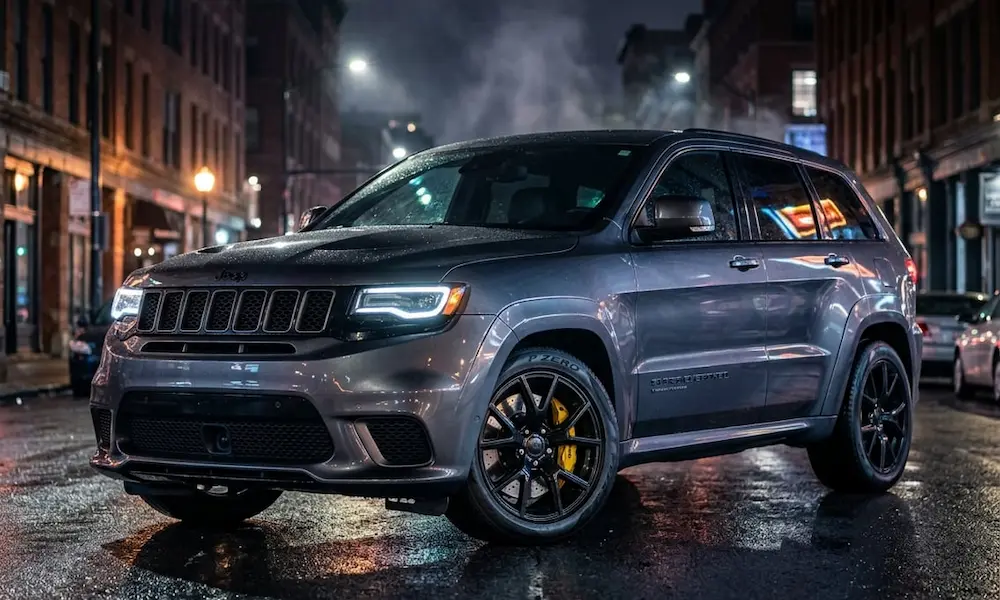
The Grand Cherokee SRT with its 6.4L HEMI V8 (475 horsepower) and the Trackhawk with its supercharged 6.2L V8 (707 horsepower) both require premium 91-octane fuel or higher.
Using regular fuel in these high-performance engines isn’t just a bad idea—it could:
- Significantly reduce power output
- Damage engine components over time
- Potentially void your warranty
The SRT’s 10.9:1 compression ratio and the Trackhawk’s forced induction system create conditions that absolutely require premium fuel’s higher knock resistance. The extra cost at the pump is necessary to protect these specialized engines and maintain their impressive performance capabilities.
The 4xe Plug-In Hybrid: Efficiency with Regular Fuel
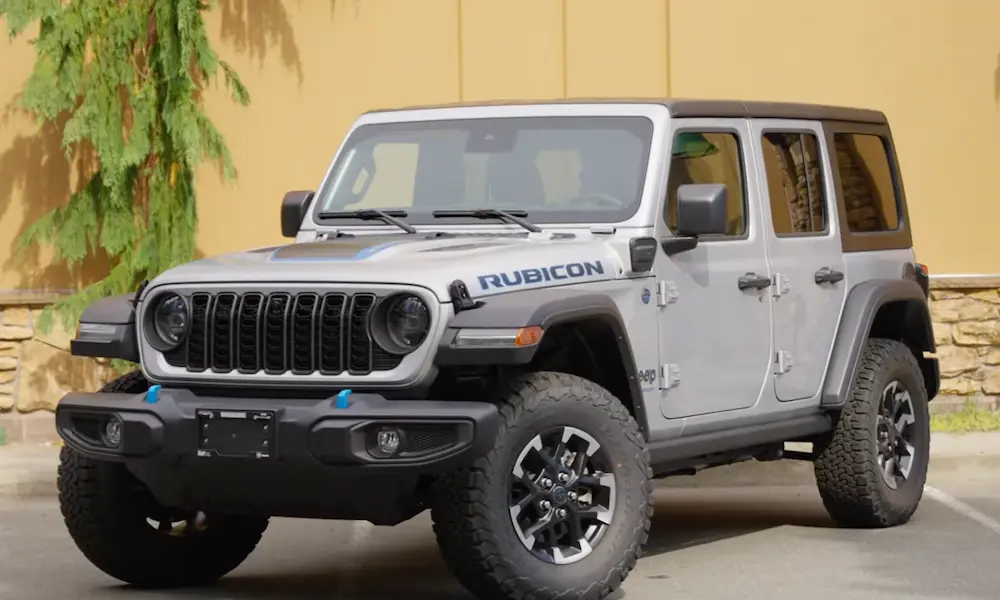
The innovative Grand Cherokee 4xe combines a 2.0L turbocharged four-cylinder engine with electric motors to achieve an EPA-estimated 56 MPGe (miles per gallon equivalent). Despite its turbocharger, this system runs efficiently on regular 87-octane fuel.
The hybrid’s 26-mile all-electric range means many short trips can be completed without using any gasoline at all. This versatility makes the 4xe an economical choice despite its higher initial cost.
Diesel Fuel Requirements for EcoDiesel Models
If you’re driving a Grand Cherokee with the 3.0L EcoDiesel V6, you’ll need to use only ultra-low-sulfur diesel (ULSD) fuel. This engine delivers impressive torque (442 lb-ft) and excellent fuel economy (around 22 MPG city and 28 MPG highway).
Diesel-specific maintenance requirements include:
- Using only ULSD fuel (standard at all U.S. pumps)
- Avoiding gasoline completely (even small amounts can cause serious damage)
- Being aware of diesel exhaust fluid (DEF) levels for emissions control
- Understanding that cold-weather performance may require fuel additives in extreme conditions
What Happens If You Use the Wrong Fuel Type?
Using incorrect fuel in your Grand Cherokee can have varying consequences:
Using Lower Octane Than Recommended
If you put 87-octane in an SRT or Trackhawk that requires premium:
- The engine’s knock sensors will detect pre-ignition
- The computer will retard ignition timing to prevent damage
- Power and fuel economy will decrease significantly
- Continuous use may lead to engine damage
Occasional use of 87 in the 5.7L HEMI (which prefers 89) is less problematic but still not ideal for performance or efficiency.
Using Higher Octane Than Needed
If you fill your 3.6L Pentastar with premium when it only needs regular:
- The engine will run normally
- You won’t see any performance or efficiency benefits
- You’ll spend unnecessarily more money at each fill-up
Higher octane fuel doesn’t contain more energy—it simply resists knock better, which isn’t needed in engines designed for regular fuel.
Diesel/Gasoline Mix-Ups
Accidentally putting diesel in a gasoline engine or vice versa creates serious problems:
- Diesel in a gasoline engine: The vehicle typically won’t start or will stall quickly
- Gasoline in a diesel engine: Can cause significant damage to the fuel pump and injectors
If you realize your mistake before starting the engine, have the fuel system drained immediately by professionals. If the engine was run, more extensive repairs may be needed.
Ethanol Content Considerations
Most U.S. gasoline contains up to 10% ethanol (E10), which is compatible with all Grand Cherokee engines. However:
- E15 (15% ethanol) is only approved for 2021 and newer models
- E85 (85% ethanol) is not recommended for any non-FlexFuel Grand Cherokee
While occasional use of E15 in newer models is acceptable, regular use in older vehicles may cause fuel system corrosion over time. The EcoDiesel engine cannot use any ethanol-blended fuels.
Regional Fuel Considerations
High Altitude Adjustments
If you drive in mountainous regions above 6,000 feet elevation, you might notice 85-octane fuel available at pumps. The lower air pressure at high elevations reduces the likelihood of engine knock, making this fuel usable in naturally aspirated engines like the 3.6L Pentastar.
However, for turbocharged, supercharged, or high-compression engines, stick with the factory-recommended octane rating regardless of altitude.
Cold Weather Operation
In extreme cold (below -22°F/-30°C), your Grand Cherokee’s computer will automatically adjust the fuel mixture to aid starting and prevent stalling. Using the recommended fuel type becomes even more important in these conditions to ensure reliable cold-weather performance.
According to the Jeep owner’s manual, adhering to the proper octane rating helps prevent cold-weather starting issues.
Fuel Economy Comparison by Engine Type
Different Grand Cherokee engines offer varying fuel economy. Here’s what you can expect:
| Engine | City MPG | Highway MPG | Recommended Fuel | Annual Fuel Cost* |
|---|---|---|---|---|
| 3.6L V6 | 19 | 26 | Regular (87) | $1,900 |
| 5.7L V8 | 14 | 22 | Mid-Grade (89) | $2,400 |
| 6.4L SRT | 13 | 19 | Premium (91+) | $2,700 |
| 6.2L Trackhawk | 11 | 17 | Premium (91+) | $3,100 |
| 4xe Hybrid | 23 | 24 (56 MPGe) | Regular (87) | $1,500 |
| 3.0L EcoDiesel | 22 | 28 | ULSD Diesel | $1,800 |
*Annual fuel costs estimated based on 15,000 miles per year and average fuel prices. Your costs may vary.
Performance Impact of Fuel Choice
Your fuel choice directly affects your Jeep’s performance capabilities. Here’s how different fuels impact various driving scenarios:
| Engine | Recommended Fuel | Performance with Lower Octane | Towing Impact |
|---|---|---|---|
| 3.6L V6 | 87 (Regular) | N/A (already uses regular) | No impact |
| 5.7L V8 | 89 (Mid-Grade) | 5-10% power reduction | Reduced capacity, increased transmission heat |
| 6.4L SRT | 91+ (Premium) | 10-15% power reduction, possible engine damage | Not recommended for towing |
| 6.2L Trackhawk | 91+ (Premium) | Significant power loss, potential engine damage | Not recommended for towing |
| 4xe Hybrid | 87 (Regular) | N/A (already uses regular) | Reduced EV range when towing |
| 3.0L EcoDiesel | ULSD Diesel | N/A (requires diesel only) | Excellent towing performance |
Making the Right Fuel Choice for Your Jeep
To summarize the key points about your Jeep Grand Cherokee’s fuel needs:
- Check your owner’s manual for the definitive fuel recommendation for your specific model and engine
- Don’t upgrade unnecessarily – the 3.6L V6 gains nothing from premium fuel
- Don’t downgrade critical engines – the SRT and Trackhawk require premium fuel for a reason
- Consider your driving habits – if you tow with the 5.7L HEMI, mid-grade fuel becomes more important
- Be cautious with newer ethanol blends like E15, especially in older models
Your Jeep Grand Cherokee represents a significant investment. Protecting that investment means using the appropriate fuel as recommended by Jeep engineers.
Following these guidelines will help ensure your Grand Cherokee delivers the performance, reliability, and longevity you expect from this capable SUV.