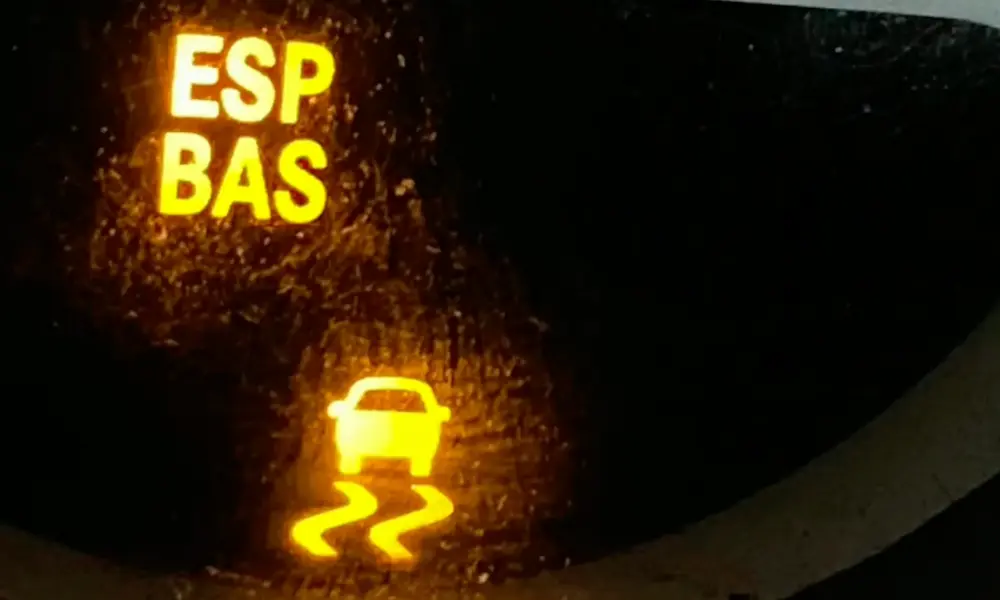
That orange glow on your dashboard can turn a perfect trail day into a worry fest. Your Jeep Wrangler’s check engine light isn’t just an annoying dashboard decoration—it’s your vehicle’s way of flagging something that needs attention. But before you panic or call a tow truck, let’s decode what those mysterious trouble codes actually mean and what you can do about them.
How to Read Jeep Wrangler Check Engine Light Codes
DIY Methods to Retrieve Codes
Your Jeep actually has some built-in ways to tell you what’s wrong without any special tools. The method varies by model year:
For JK Wranglers (2007-2018):
- Put your key in the ignition
- Turn to “ON” position (don’t start the engine)
- Push the key in and cycle it OFF-ON-OFF-ON-OFF-ON (ending in ON position)
- The odometer will display any stored codes where mileage normally appears
For TJ, YJ, and XJ Models:
- Insert key into ignition
- Turn the key ON-OFF-ON-OFF-ON within 5 seconds
- Watch for check engine light flashes (example: code 24 will flash twice, pause, flash four times)
For JL Wranglers (2018+):
Newer models with push-button start typically need an OBD-II scanner to pull codes. Many auto parts stores offer free code reading services.
Understanding the Code Format
Diagnostic Trouble Codes (DTCs) follow a specific pattern. Here’s how to interpret them:
- First character: A letter indicating system (P = Powertrain, B = Body, C = Chassis, U = Network)
- Second digit: 0 (generic/standard) or 1 (manufacturer-specific)
- Third digit: Identifies subsystem (1-8)
- Final two digits: Specific fault (00-99)
For example, P0300 means: Powertrain (P), Generic code (0), Ignition System (3), Multiple Cylinder Misfire (00).
Common Jeep Wrangler Check Engine Light Codes
P0300-P0308: Engine Misfire Codes
These are among the most common codes you’ll see in Wranglers. They indicate misfires detected in specific cylinders:
- P0300: Multiple cylinder misfire
- P0301-P0306: Misfire in cylinders 1 through 6
What causes it: Usually worn spark plugs, bad ignition coils, vacuum leaks, or fuel delivery issues.
DIY fix: Check and replace spark plugs and wires if they’re worn. They should be changed every 30,000-60,000 miles anyway. For the JK Wrangler’s 3.6L engine, this is a relatively straightforward job.
P0440-P0457: EVAP System Codes
These codes relate to your evaporative emissions control system and are often triggered by something as simple as a loose gas cap.
- P0440: General EVAP system failure
- P0456: Small EVAP leak detected
- P0457: Large EVAP leak detected
What causes it: Loose gas cap (most common), damaged fuel tank vent valve, cracked EVAP hoses.
DIY fix: Tighten your gas cap until it clicks. You’ll typically need to drive several cycles before the code clears itself. If the problem persists, check for damaged hoses or the purge valve.
P0113: Mass Airflow Sensor Issues
This code indicates a problem with your mass airflow sensor that measures how much air enters your engine.
What causes it: Dirty sensor, wiring issues, or sensor failure.
DIY fix: Try cleaning the sensor with MAF sensor cleaner (never use regular cleaner or touch the sensitive elements). If that doesn’t work, replacement is usually straightforward.
P0320 and P0340: Sensor Signal Issues
- P0320: No crankshaft position sensor signal
- P0340: No camshaft position sensor signal
What causes it: Failed sensors, damaged wiring, or connector issues.
DIY fix: These sensors are often accessible with basic tools. The crankshaft position sensor on many Wrangler models is located near the crankshaft pulley, while the camshaft sensor is typically on the cylinder head.
P050D: Cold Start Rough Idle
This code is especially common in the 3.6L Pentastar engine found in JK Wranglers.
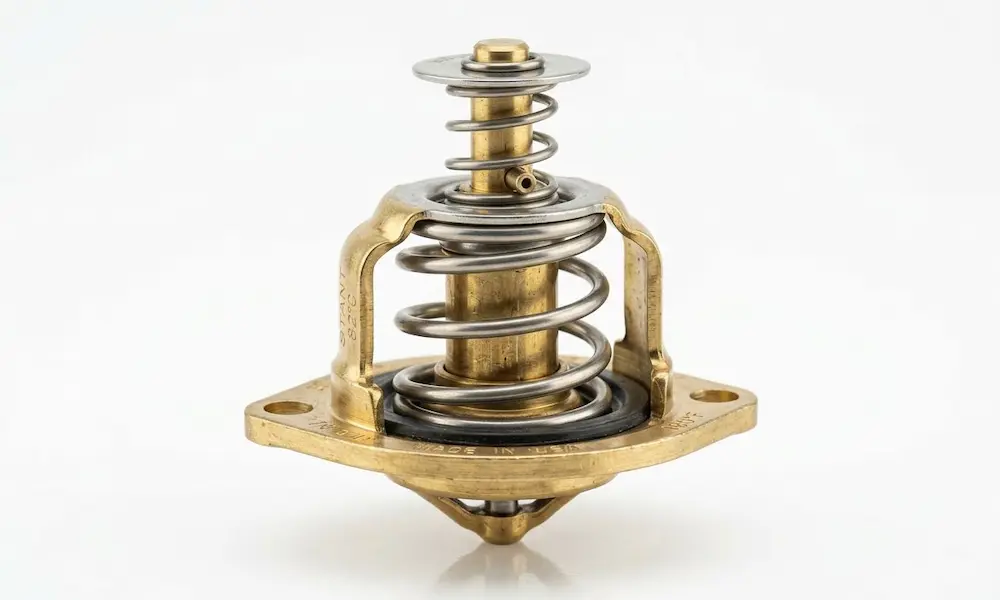
What causes it: Carbon buildup on valves, dirty injectors, thermostat issues, or PCM software issues.
DIY fix: Try a fuel system cleaner first. If persistent, Jeep issued a Technical Service Bulletin (TSB) addressing this issue in some models by updating the Powertrain Control Module software.
Is Your Check Engine Light Flashing or Solid?
The way your check engine light behaves tells you a lot about the severity of the problem:
Solid light: The system has detected an issue but it’s not immediately dangerous. You can continue driving but should get it checked soon.
Flashing light: This indicates a serious problem that could cause catalytic converter damage. Reduce speed immediately and get your Jeep serviced as soon as possible.
Gas Cap: The Simplest Fix You Might Overlook
About 25% of all check engine lights are caused by nothing more than a loose or damaged gas cap. Before you do anything else:
- Pull over safely
- Tighten your gas cap until it clicks (usually 3-4 clicks)
- Drive normally for several cycles
Many times, this simple fix will clear the code automatically after a few driving cycles. If your cap is cracked or damaged, replace it—they’re inexpensive and available at any auto parts store.
Tools That Make Diagnosis Easier
While the built-in methods work in a pinch, having the right tools makes troubleshooting much easier:
Basic OBD-II Scanners
A basic code reader ($25-50) will display the code number and allow you to clear codes. These are great for occasional use and can connect to your smartphone.
Advanced Diagnostic Tools
For frequent off-roaders or modified Jeeps, consider Jeep-specific tools:
- Tazer JL Mini ($200): Popular for JL/JT Wranglers and Gladiators
- JScan ($100+): Software that provides deeper Jeep-specific diagnostics
Understanding Check Engine Light After Modifications
If you’ve modified your Wrangler with aftermarket parts, you might trigger check engine lights for non-critical reasons:
- Larger tires without recalibration can cause speedometer errors and trigger codes
- Cold air intakes can sometimes trigger MAF sensor codes
- Aftermarket exhaust systems may trigger O2 sensor codes
Many of these can be resolved by using a tuner to recalibrate your Jeep’s computer or installing calibration devices.
Common Causes and Solutions Table
| Code Range | System | Common Causes | Typical Solutions |
|---|---|---|---|
| P0300-P0308 | Engine Misfires | Worn spark plugs, bad coils, vacuum leaks | Replace spark plugs/wires, check for vacuum leaks |
| P0440-P0457 | EVAP System | Loose gas cap, damaged hoses | Tighten cap, inspect and replace hoses |
| P0171-P0174 | Fuel System | Vacuum leak, dirty MAF, fuel pressure | Check intake for leaks, clean MAF sensor |
| P0401-P0409 | EGR System | Clogged EGR valve, broken vacuum lines | Clean/replace EGR valve, check vacuum lines |
| P0113/P0123 | Sensor Circuit | Dirty sensor, wiring issues | Clean sensor, check connections, replace if needed |
Preventative Maintenance to Avoid Check Engine Lights
Keep your Wrangler happy and that pesky light off with these maintenance habits:
- Follow the factory service schedule in your owner’s manual
- Use quality replacement parts (cheap sensors often fail prematurely)
- Keep your fuel system clean with occasional fuel system cleaners
- Change your air filter regularly, especially if you off-road
- Address small issues before they become bigger problems
What About Clearing Codes?
After fixing an issue, you can clear the code using a scanner. The light will go off on its own after several driving cycles if the problem is fixed, but this can take days.
Be cautious about clearing codes without fixing the underlying issue. Your vehicle needs to complete certain drive cycles to be “ready” for emissions testing, so clearing codes right before an inspection might cause you to fail.
Battery Disconnection: Not Always the Best Solution
Some Jeep owners disconnect the battery to clear codes. While this works, it’s not ideal:
- Resets all your radio presets
- Erases learned adaptive settings in the transmission
- May cause rough idle until the computer relearns your driving style
- Won’t prevent the code from returning if the problem persists
It’s better to use a code reader to clear codes after fixing the problem.
Case Study: The Infamous Pentastar Ticking
Many 2012-2014 JK Wrangler owners with the 3.6L Pentastar engine have experienced a ticking sound accompanied by a check engine light and misfire codes. This was caused by a manufacturing issue with the left cylinder head.
Jeep extended the warranty for this specific problem to 10 years/150,000 miles on affected vehicles. If your 3.6L engine shows misfire codes with a ticking sound, reference this TSB at your dealership.
How to Prepare for Trail Emergencies
If you’re planning to take your Wrangler off-road, it’s smart to be prepared for check engine lights in remote areas:
- Carry a portable OBD-II scanner in your trail gear
- Bring basic tools and common replacement parts (spark plugs, sensors)
- Download and save common Jeep repair procedures on your phone
- Know how to reach roadside assistance with your coordinates
- Consider a satellite communicator for truly remote areas
Interpreting Codes in Modified Wranglers
If your Wrangler has significant modifications, standard diagnostic procedures might need adjustment:
- Lifted Jeeps with larger tires may need recalibration to prevent speed sensor codes
- Aftermarket exhausts can trigger O2 sensor codes even when everything is working correctly
- Cold air intakes may need MAF sensor adjustments
Many of these issues can be resolved with a programmer or tuner that recalibrates your Jeep’s computer for the modifications.
The Check Engine Light and Emissions Testing
In states with emissions testing, a check engine light is an automatic failure. Before your test:
- Address any codes well in advance
- Drive normally for several days after clearing codes
- Complete a “drive cycle” to ready all monitors (typically involves a mix of highway and city driving)
- Use a scanner to verify all monitors are “Ready” before testing
These steps will help ensure you pass your emissions test without complications.
When Intermittent Lights Drive You Crazy
Some of the most frustrating check engine lights come and go. To diagnose these:
- Note the conditions when the light appears (weather, driving conditions, fuel level)
- Check for loose connections or damaged wiring
- Look for pattern failures common to your Wrangler model year
- Consider logging data with an advanced scanner during your normal driving
Intermittent problems often relate to wiring, connectors affected by vibration, or temperature-sensitive components.
The Jeep Wrangler is an amazingly capable vehicle, but even the best machines need maintenance. Understanding your check engine light codes gives you the power to fix small problems before they become trail-ending breakdowns. Whether you’re a do-it-yourself mechanic or prefer professional help, knowing what those codes mean puts you in the driver’s seat.