Shopping for the most spacious 3rd row SUV feels like homework nobody signed up for. The specs are confusing, the salespeople are optimistic, and that “8-passenger” label doesn’t always tell the whole story. This guide cuts through the noise. We’ve done the measuring so you don’t have to — keep reading to find your perfect match.
Why Third-Row Space Actually Matters More Than You Think
Here’s the thing most car ads won’t tell you: not all third rows are created equal.
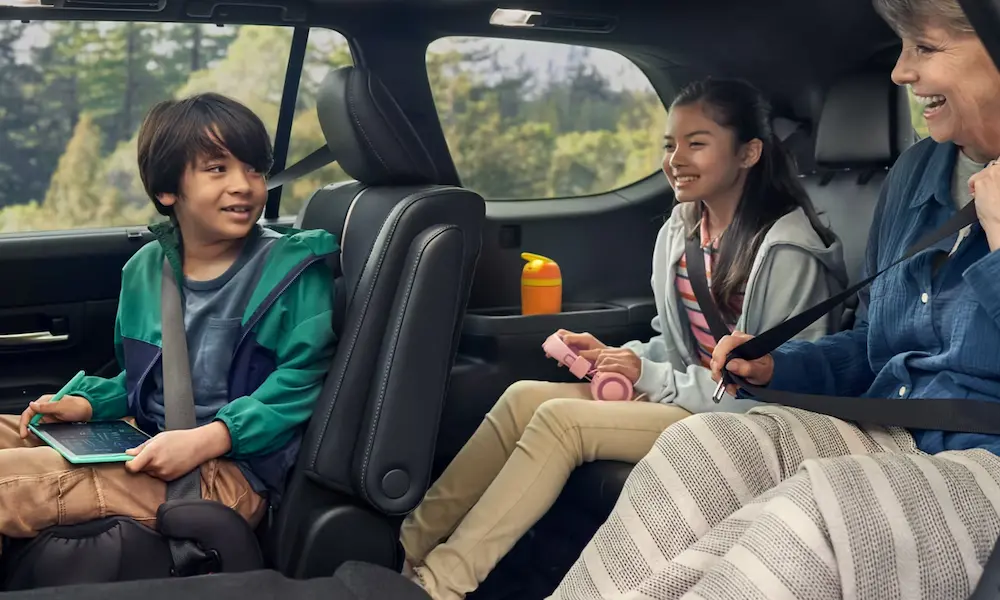
Many SUVs technically have a third row, but squeeze into one and you’ll feel like you’re sitting in a cereal box. The real issue is the hip-point — where your hip joint sits relative to the floor. A low hip-point forces your knees up near your chin. That’s fine for a 10-minute school run. It’s miserable on a 5-hour road trip.
The best third-row SUVs use independent rear suspension to lower the floor and raise the seat cushion. The result? A natural sitting position that adults can actually survive.
So when we talk about the most spacious 3rd row SUV, we’re measuring legroom, headroom, shoulder room, AND cargo space when all seats are occupied.
The Extended Full-Size Champions: Maximum Space, No Compromises
These are the big guns. If space is your top priority, start here.
Chevrolet Suburban and GMC Yukon XL: The Classics Still Deliver
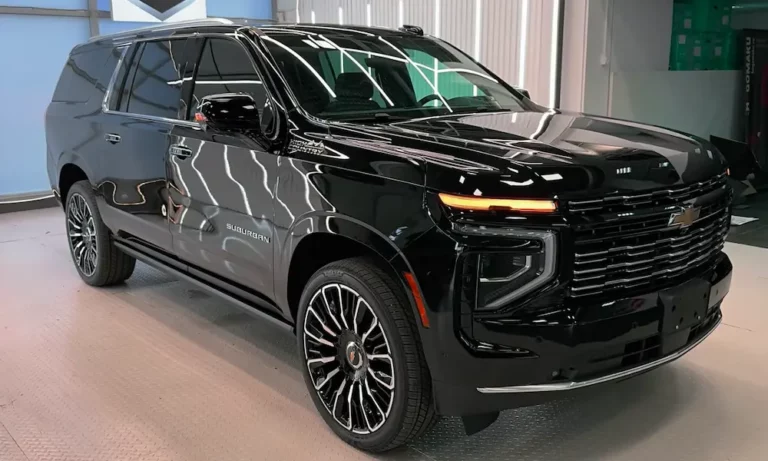
The Chevrolet Suburban and its twin, the GMC Yukon XL, sit at the top of almost every spacious SUV list — and for good reason.
Both ride on a body-on-frame platform with independent rear suspension, which eliminates the bulky rear axle that used to rob third-row passengers of foot space. The result is a third row that rivals the rear legroom of mid-size sedans.
| Spatial Metric | 2026 Chevrolet Suburban | 2026 GMC Yukon XL |
|---|---|---|
| Third-Row Legroom | 36.7 inches | 36.7 inches |
| Third-Row Headroom | 38.2 inches | 38.2 inches |
| Third-Row Shoulder Room | 62.8 inches | 62.7 inches |
| Cargo Behind 3rd Row | 41.5 cu. ft. | 41.5 cu. ft. |
| Maximum Cargo Volume | 144.5 cu. ft. | 144.7 cu. ft. |
The Suburban wins one unique distinction: it’s one of the few vehicles in the US offering a front bench seat option on the LS trim, pushing passenger count to nine. That 41.5 cubic feet behind the third row fits multiple full-sized suitcases without folding a single seat.
The GMC Yukon XL targets buyers who want the same space with a premium finish. Think higher-grade leather, real wood trim, and quieter ride tuning — small upgrades that matter when your third-row passengers spend hours back there.
Jeep Wagoneer L and Grand Wagoneer L: The Width Champions
Jeep built the Wagoneer L specifically to win the spacious SUV argument. And on paper, it does exactly that.
Where GM focuses on cargo volume, Jeep focused on the personal space of each passenger. The Wagoneer L’s 64.4 inches of third-row shoulder room means three adults can sit shoulder-to-shoulder without that uncomfortable squeezing feeling. At 39.1 inches of headroom, it’s the tallest gasoline-powered third row in the segment.
| Interior Dimension | Jeep Wagoneer L | Jeep Grand Wagoneer L |
|---|---|---|
| Third-Row Legroom | 36.6 inches | 36.6 inches |
| Third-Row Headroom | 39.1 inches | 38.5 inches |
| Third-Row Shoulder Room | 64.4 inches | 64.4 inches |
| Cargo Behind 3rd Row | 42.1 cu. ft. | 44.2 cu. ft. |
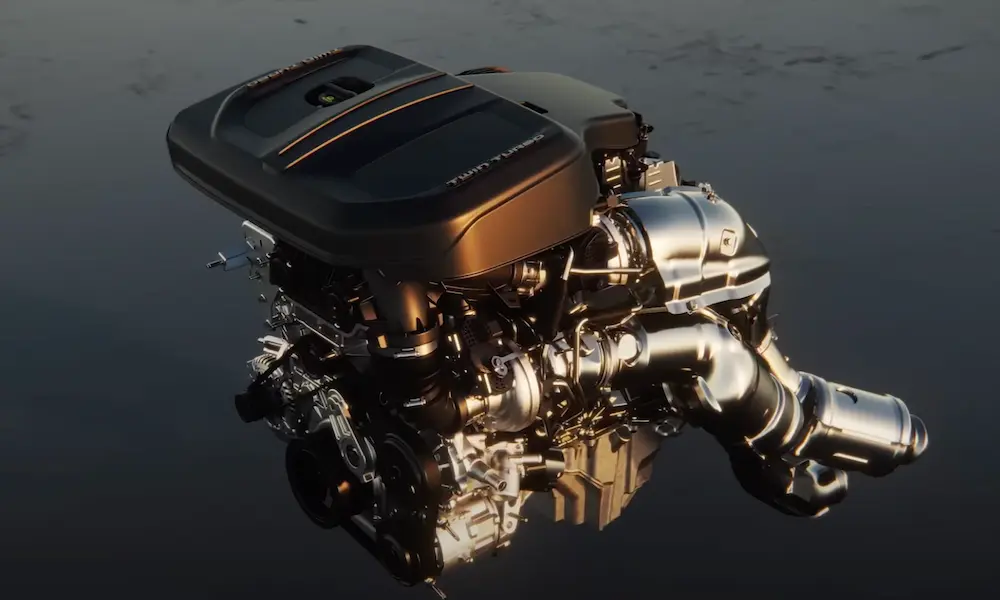
The Grand Wagoneer L leads the entire class with 44.2 cubic feet of cargo space behind the third row — enough for a family of six’s luggage without a single seat fold. For 2026, Jeep swapped the previous 540-hp engine for a 420-hp Hurricane twin-turbo inline-six that still tows up to 10,000 pounds while making the vehicle more accessible to a broader buyer pool.
Ford Expedition MAX: The Legroom Dark Horse
The 2026 Ford Expedition MAX redesign brings something no other gasoline SUV can match: dynamic legroom.
In standard position, third-row legroom sits between 36 and 37 inches — competitive but not extraordinary. But slide the second row all the way forward and that number jumps to over 40 inches. That’s extraordinary for a gas-powered SUV.
| Metric | 2026 Ford Expedition MAX |
|---|---|
| Third-Row Legroom (Seats Back) | ~36–37 inches |
| Third-Row Legroom (Seats Forward) | 40.9–43.5 inches |
| Third-Row Headroom | 37.4 inches |
| Third-Row Shoulder Room | 64.2–64.3 inches |
| Cargo Behind 3rd Row | 36.0–37.4 cu. ft. |
Ford also added the “Ford Split Gate” for 2025 — a power upper and lower tailgate where the lower half holds up to 500 pounds as a bench or table. Practical? Absolutely.
The Expedition also earned the “Car Mom Car of the Year” title, largely because its second row can tilt and slide forward even with a rear-facing car seat installed. For families with young kids, that’s a genuinely big deal.
Standard Full-Size SUVs: Same Third Row, Easier to Park
Here’s a fact that surprises most buyers: the standard-length versions of these SUVs offer virtually identical third-row dimensions to their extended counterparts. The extra length in MAX or L variants goes almost entirely to the cargo area behind the third row.
| Model | 3rd-Row Legroom | 3rd-Row Headroom | Cargo Behind 3rd Row |
|---|---|---|---|
| Chevrolet Tahoe | 34.9–36.7 inches | 38.2 inches | 25.5 cu. ft. |
| GMC Yukon | 34.9 inches | 38.2 inches | 25.5 cu. ft. |
| Ford Expedition | 36.1–37.3 inches | 37.3 inches | 20.9–22.9 cu. ft. |
| Jeep Wagoneer | 36.6 inches | 39.0 inches | 27.4 cu. ft. |
The Jeep Wagoneer leads this group in both headroom and rear cargo space. Its 27.4 cubic feet behind the third row is nearly 25% more than the base Ford Expedition. The Tahoe and Yukon earn praise for car-like steering despite their truck-frame size. The 2025 Nissan Armada was fully redesigned with a stronger engine and more interior room, making it a legitimate contender worth test-driving.
Mid-Size Crossovers: The Goldilocks Zone
Not everyone needs a vehicle that can barely fit in their garage. These mid-size options deliver genuine adult-friendly third rows without the bulk.
Toyota Grand Highlander and Lexus TX: Efficiency Done Right
The Toyota Grand Highlander was built as a direct answer to the original Highlander’s cramped 28-inch third row. Toyota added 6.5 inches of length and significant width, and the result is a genuinely usable back seat.
| Dimensions | Toyota Grand Highlander | Lexus TX |
|---|---|---|
| Third-Row Legroom | 33.5 inches | 33.5 inches |
| Third-Row Headroom | 37.2 inches | 37.2 inches |
| Cargo Behind 3rd Row | 20.6 cu. ft. | 20.2 cu. ft. |
| Max Seating | 8 passengers | 6 or 7 passengers |
What makes the Grand Highlander’s third row stand out isn’t just the number — it’s the elevated seat cushion that gives proper thigh support. No cramped “knee-up” posture here.
The Lexus TX uses the same dimensions but prioritizes acoustic comfort with thick sound-deadening materials and acoustic glass. It’s the quieter, more luxurious version of the same idea. The TX also offers something Toyota doesn’t: a plug-in hybrid TX 550h+ with up to 33 miles of electric-only range. That’s a notable advantage for daily commuters who also need family hauler capability.
The Grand Highlander also holds its value impressively — projecting around 64% residual value after five years — which makes it a smart long-term investment.
Chevrolet Traverse and Volkswagen Atlas: The Practical Picks
The 2026 Chevrolet Traverse offers something surprising: 22.9 cubic feet of cargo space behind the third row. That outperforms several full-size SUVs and comes in a package that actually fits in a standard garage.
The VW Atlas is frequently called the most comfortable third row among mid-size crossovers — not because of big numbers, but because of smart geometry. The seat back angle and window placement make the space feel less claustrophobic than competitors. The Atlas also features a second-row seat that tilts and slides forward with a child seat installed, a practical detail parents notice immediately.
Honda Pilot: The Clever Configuration Option
The Honda Pilot’s standout trick is a removable second-row center seat that stores in a hidden under-floor compartment. In minutes, you go from 8-passenger hauler to a vehicle with a walk-through center aisle. Reviewers do note the third-row seat sits low to the floor, making it less comfortable for adults on longer drives than the Atlas or Grand Highlander.
Electric SUVs: The Future of Third-Row Space
Battery-electric vehicles are quietly rewriting the rules for interior packaging. Without a transmission tunnel or massive engine block, EV designers unlock a flat floor and a “cab-forward” layout. The result is impressive passenger volume relative to exterior size.
Kia EV9 and Hyundai Ioniq 9: The Electric Space Leaders
The Kia EV9 and Hyundai Ioniq 9 share the same E-GMP electric platform but are tuned for different personalities. The EV9 goes bold and angular. The Ioniq 9 goes smooth and aerodynamic.
| Dimension | 2026 Hyundai Ioniq 9 | 2026 Kia EV9 |
|---|---|---|
| Wheelbase | 123.2 inches | 122.0 inches |
| Third-Row Headroom | 39.7 inches | 39.5 inches |
| Third-Row Legroom | 32.0 inches | 30.8–32.0 inches |
| Cargo Behind 3rd Row | 21.9 cu. ft. | 20.2 cu. ft. |
The Ioniq 9’s 39.7 inches of third-row headroom is the highest in the entire SUV market — more than even the Suburban or Wagoneer. Low-profile electric motors and no exhaust system mean the floor stays lower, and headroom shoots up. Both vehicles charge from 10% to 80% in roughly 24 minutes at a 350kW fast charger using their 800-volt architecture.
The 2026 Kia EV9 now comes standard with a NACS port, giving access to over 21,500 Tesla Superchargers across the country. The EV9 GT-Line also offers “Relaxation Seats” with power leg rests in the first two rows — perfect for passengers lounging during a charging stop.
One honest caveat: the EV9 currently projects around 35% residual value after five years compared to the Grand Highlander’s 64%. EVs offer superior packaging, but the depreciation math doesn’t favor short-term ownership yet.
Third-Row Access: Getting Back There Shouldn’t Be a Workout
A cavernous third row means nothing if climbing into it feels like an obstacle course.
Full-size SUVs like the Jeep Wagoneer earn praise for wide rear door openings and easy boarding. Higher trim levels like the Grand Wagoneer L and Suburban High Country include power-retractable running boards that lower automatically when the door opens, cutting the step-in height significantly.
Crossovers like the Grand Highlander sit lower to the ground, making them naturally easier to enter — particularly for children and older passengers.
For second-row access, you’ve got three main options:
- Captain’s chairs with a center aisle — Found in the Lexus TX, GMC Yukon Denali, and Kia EV9 GT-Line. No seat-moving required. Walk straight through.
- Smart-slide technology — The VW Atlas and Ford Expedition feature seats that tilt and slide forward simultaneously, even with car seats installed. Parents love this.
- Power-folding systems — The 2026 Suburban and Hyundai Ioniq 9 let you move the second row via door-jamb buttons or the infotainment screen. No heavy lifting needed.
The Cargo Reality Check: Space With All Seats Up
Here’s where many “spacious” SUVs fall flat. A great third row means nothing if your luggage ends up strapped to the roof.
| Vehicle | Cargo Behind 3rd Row | Max Cargo (All Seats Flat) |
|---|---|---|
| Chevrolet Suburban | 41.5 cu. ft. | 144.5 cu. ft. |
| GMC Yukon XL | 41.5 cu. ft. | 144.7 cu. ft. |
| Jeep Wagoneer L | 42.1 cu. ft. | 130.9 cu. ft. |
| Jeep Grand Wagoneer L | 44.2 cu. ft. | 112.9–117.0 cu. ft. |
| Ford Expedition MAX | 36.0–37.4 cu. ft. | 121.5–123.1 cu. ft. |
| Chevrolet Traverse | 22.9 cu. ft. | 98.0 cu. ft. |
| Toyota Grand Highlander | 20.6 cu. ft. | 97.5 cu. ft. |
| Kia EV9 | 20.2 cu. ft. | 81.7 cu. ft. |
| Hyundai Ioniq 9 | 21.9 cu. ft. | 86.9 cu. ft. |
The Suburban with all seats folded holds more volume than an entire Mini Cooper. The Grand Wagoneer L wins the “seats-up” cargo battle at 44.2 cubic feet. And the Chevrolet Traverse quietly outperforms both the Grand Highlander and EV9 in rear cargo room while costing significantly less.
Keeping Third-Row Passengers Happy: Vents, Ports, and Cupholders
Space gets people in. Comfort keeps them from complaining.
Climate control: The Toyota Grand Highlander and Ford Expedition use ceiling-mounted vents for rear passengers — more effective for cooling than floor vents because hot air rises. The Grand Wagoneer L pairs a rear climate system with available dual 10.1-inch entertainment screens and Amazon Fire TV integration. That handles the “are we there yet” problem pretty decisively.
Charging ports:
- Ford Expedition MAX — 6 smart-charging USB ports, 2 per row
- Lexus TX — 7 USB-C ports throughout the cabin
- Kia EV9 and Telluride — 5–7 USB-C ports, including placement on front seatbacks
- Jeep Grand Wagoneer L — Individual USB ports for every seat
Cupholders and storage: The Toyota Grand Highlander leads its segment with 13–14 cupholders, including holders that fit 32-ounce water bottles. The VW Atlas provides three cupholders per third-row passenger. The Ford Expedition includes dedicated third-row storage bins on select trims for snacks, headphones, and books.
Which Most Spacious 3rd Row SUV Is Actually Right for You?
Here’s the short version, based on your specific situation:
You need maximum adult comfort plus room for luggage with all seats up:
The Jeep Wagoneer L or Grand Wagoneer L is your answer. Best-in-class headroom, over 36 inches of legroom, and 42–44 cubic feet of rear cargo space when all three rows are occupied.
You regularly transport 8–9 people and need maximum total volume:
The Chevrolet Suburban is the undisputed choice. The optional nine-passenger layout and 144.7 cubic feet of total cargo volume make it the ultimate people-and-stuff mover.
You want an adult-friendly third row without full-size bulk:
The Toyota Grand Highlander or Lexus TX delivers genuine comfort in a more manageable package. Better fuel economy, better long-term value retention, and easier daily driving.
You want the most headroom available anywhere:
The Hyundai Ioniq 9 offers 39.7 inches of third-row headroom — the highest in the market. Its flat EV floor and serene electric operation create a genuinely premium rear-cabin experience.
You want strong third-row space without a premium price tag:
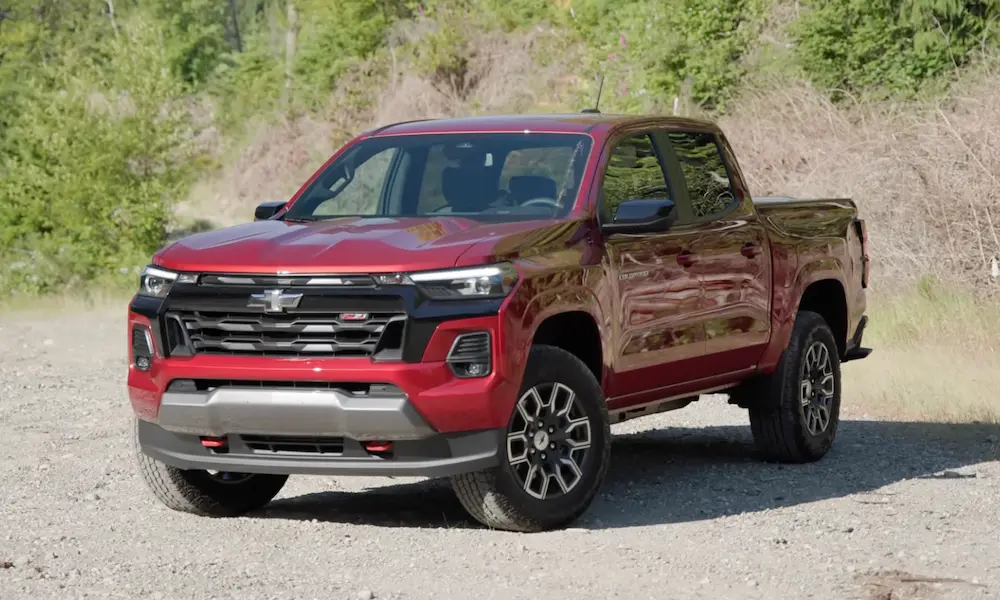
The Chevrolet Traverse punches above its weight with 22.9 cubic feet of rear cargo room and 32+ inches of third-row headroom at a price point well below the full-size competition.
The most spacious 3rd row SUV isn’t just the longest or widest vehicle on the lot. It’s the one that fits your family’s actual needs — whether that means room for eight adults, a mountain of luggage, or simply a back seat your teenagers won’t dread.