Dropping $30,000–$50,000+ on a UTV sets some serious expectations. So when your Polaris Ranger 1500 starts acting up, it stings. This post breaks down the real Polaris Ranger 1500 problems owners face — from fire-risk recalls to transmission quirks — and what you can actually do about them. Stick around, because some of these issues are genuinely dangerous.
Active Safety Recalls You Need to Know About
Let’s start with the stuff that could get you hurt.
The Winch Wiring Fire Hazard
The CPSC issued a recall covering roughly 10,500 Ranger XD 1500 vehicles plus over 1,300 accessory winches. The problem? The main winch ground connection doesn’t seat flush against the chassis grounding stud.
When the winch pulls maximum amperage — say, hauling a stuck truck out of a ditch — that poor ground creates electrical resistance. Resistance at high current means heat. That heat melts the wiring harness insulation and ignites surrounding plastics.
The fix requires a dealership technician to physically enlarge the hole around the grounding stud, creating a proper flush contact. If your 2024 Ranger XD 1500 has a factory or accessory winch, get this checked immediately.
Doors Flying Open Mid-Trail
This one’s scarier than it sounds. A second active recall covers approximately 4,200 model year 2024–2025 Ranger XD 1500 and Crew XD 1500 vehicles. The door handle actuator binds internally and doesn’t fully return after you open the door. The latch never fully engages the striker pin.
Hit a bump, and the door swings wide open. Polaris recorded 20 confirmed incidents before pulling the trigger on this recall. The fix is a full actuator replacement at your dealership. Polaris also offered a $100 parts voucher for owners who completed the repair before May 2025.
Here’s a quick snapshot of both recalls:
| Recall | Affected Units | Hazard | Fix |
|---|---|---|---|
| CPSC 24-374 | ~10,500 vehicles + 1,300 winches | Wiring fire hazard | Enlarge ground stud opening |
| CPSC 25-092 | ~4,200 vehicles | Door ejection/crash hazard | Replace door actuators |
The STEELDRIVE Transmission: Brilliant Idea, Real-World Headaches
The STEELDRIVE CVT dumps the traditional rubber belt in favor of a steel belt running in a sealed, fluid-bathed hydraulic system. No more snapped belts on a steep climb — that’s genuinely great. But it trades one set of problems for another.
Neutral Flare When Shifting Under Load
Early production units showed a nasty habit of “neutral flaring” when shifting from forward to reverse on an incline. You’d apply throttle, the engine would rev freely, and the vehicle would start rolling backward. Not ideal.
Diagnostic teardowns traced this to a tolerance stack-up inside the shift-dog mechanism — essentially, the gear lash between mating teeth fell outside acceptable tolerances. Polaris addressed this with a hardened shift pawl and an ECU software recalibration that adjusts idle speed and hydraulic pressure during shifts. Check your VIN against transmission service bulletins to confirm you have the updated components.
The “Clutch Overtemp” Warning Wall
Without a physical low-range gear, the STEELDRIVE relies entirely on electronic mapping and slipping wet clutches to handle heavy loads at low speed. That continuous slip generates serious heat.
When thermal sensors detect critical fluid temperatures, the dash shows “Clutch Overtemp” and the ECU throttles power way back. Operators hauling heavy trailers or logs regularly hit this ceiling, leaving the vehicle temporarily stuck until the fluid cools.
Polaris programmed a “Torque Boost” workaround: shift into drive, activate Tow/Haul mode, and hold full throttle for 2–3 seconds. The engine revs hard to ~5,000 RPM and forces the clutch to lock up rather than slip. It works, but it creates a violent lurch — so make sure nobody’s standing in front of you.
Fluid Maintenance Is Non-Negotiable
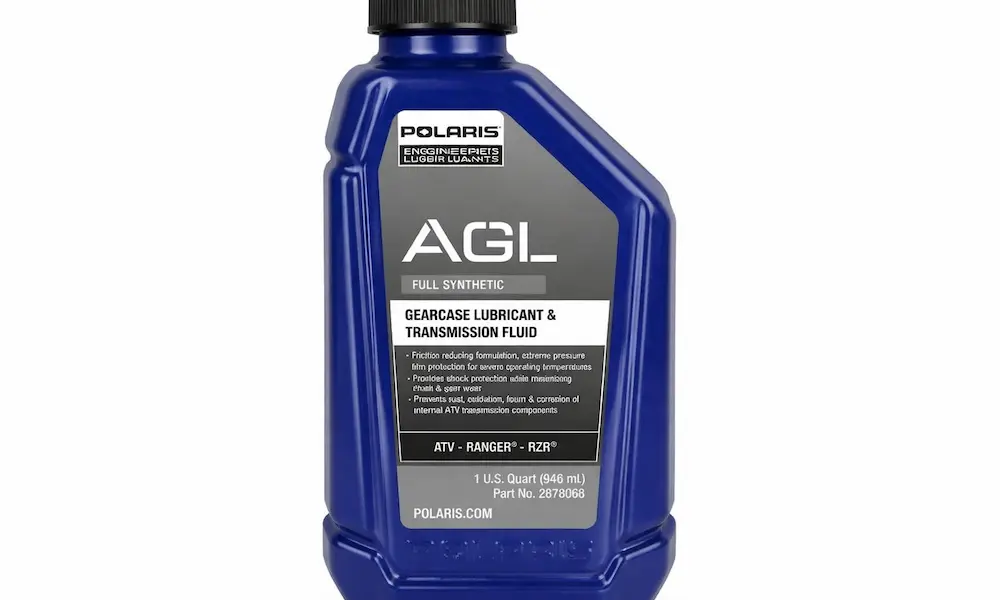
CVT fluid degradation shows up as hesitation, shuddering, and a high-pitched whine that rises with vehicle speed. Under standard conditions, drain and replace STEELDRIVE fluid every 600 hours or 6,000 miles. Under severe duty — meaning mud, heavy loads, or water — cut that to 300 hours or 3,000 miles. Check the magnetic drain plug every time for metallic particles. Shavings mean internal wear.
Neutral Switch Sensor Failures
The transmission’s position sensor has shown a worrying failure pattern. A faulty gear position sensor can trigger an electronic failsafe that abruptly drops the vehicle into neutral mid-climb — with power fully applied. The fix requires replacing the transmission position switch, inspecting the shift selector valve, and recalibrating the shifting harness.
Engine and Cooling System Problems
The 110-horsepower triple-cylinder is a strong engine, but it runs hot and tight in its chassis packaging.
Random Overheating Spikes (That Aren’t Real)
Owners report terrifying temperature spikes — the gauge jumping to 240°F in seconds, then dropping immediately after cycling the ignition. In most cases, the engine isn’t actually overheating. A failing thermistor in the coolant crossover tube sends a false high-resistance signal to the ECU, triggering the thermal failsafe. The updated sensor is identifiable by a green band on the connector. Swap it and the ghost readings stop.
That said, real overheating is also a constant threat. The cooling system has minimal thermal surplus. Even a 20% blockage of the radiator fins from mud or debris can push the engine into limp mode. Back-flush the radiator with low-pressure water after every hard ride.
Alternator Belt Shredding
The accessory serpentine belt — which drives the alternator and AC compressor — fails at an unusually high rate. The root cause is a misaligned idler pulley that lets the belt walk off track, fraying the tension cords against the pulley flanges.
Polaris engineered a revised idler kit and increased belt tension spec from 80 lbs to 95 lbs. Installing the new belt correctly requires a precision billet steel tool — you can’t just yank it over the pulleys by hand without damaging the belt or pulley surfaces.
Oil Viscosity and Engine Timing Sludge
The variable valve timing system depends entirely on hydraulic oil pressure. Use the wrong viscosity — like a 0W-20 from your car — and you don’t get enough hydraulic pressure under heat. The result is camshaft phaser failure, timing codes like P0011 or P0016, stalling at idle, and rough running.
Stick strictly to 5W-50 full synthetic. Short trips that never fully warm the oil also accelerate sludge buildup, clogging the tiny oil supply screens to the cam phasers. Regular oil changes — every 100 hours or 1,000 miles under severe duty — aren’t optional.
Electrical and Power Steering Issues
Intermittent Power Steering Loss
Sudden loss of steering assist on a 3,300-lb machine is a real problem. Two culprits consistently appear:
- Water intrusion into the main steering module connector — pack all steering connectors with dielectric grease every 200 operating hours
- Torque sensor degradation — the module defaults to zero assist when the sensor fails, preventing dangerous over-correction. Pre-2025 vehicles need a firmware update; if the fault persists, the full torque sensor assembly needs replacement under warranty
Battery Drain From Accessory Overload
The NorthStar’s heated seats, climate control, infotainment screen, and lighting place a heavy electrical burden on the factory charging system. Add aftermarket light bars or a winch, and battery drain becomes a regular complaint. Low voltage causes the ECU to run incorrect fuel maps, which leads straight to stalling and sluggish throttle response.
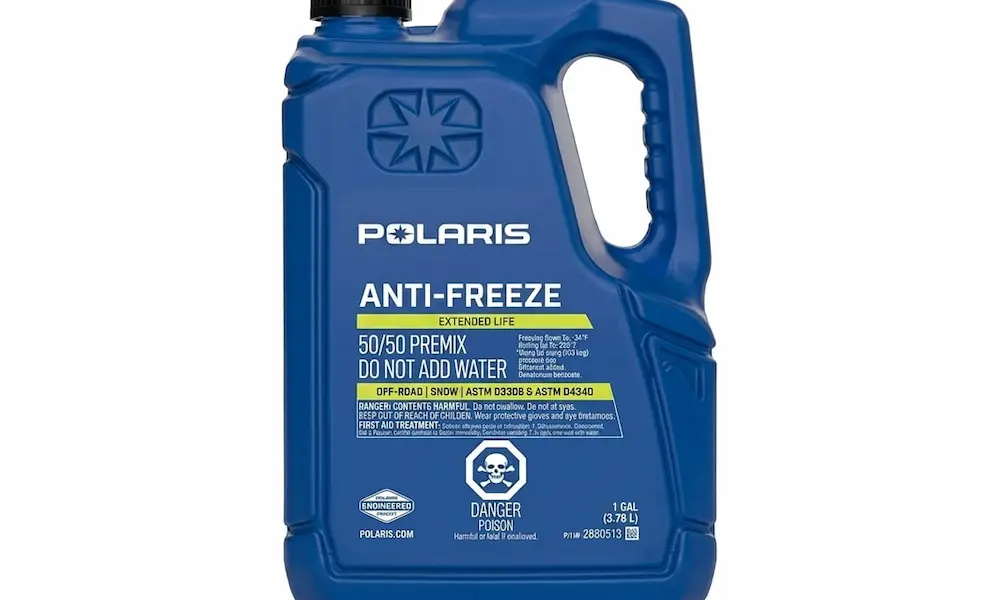
Fix: upgrade to a high-capacity AGM battery, use a dedicated battery maintainer when parked, and wire all aftermarket accessories through relayed fuse blocks — never tap directly into the factory harness.
Cabin and Climate Control Problems
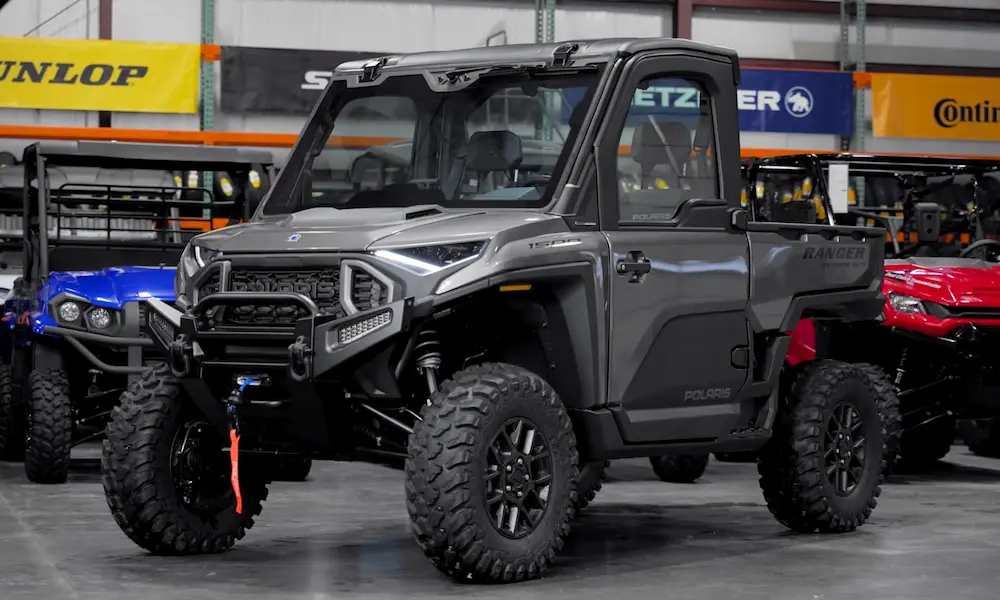
The NorthStar editions command premium prices specifically for enclosed, climate-controlled cabs. When those systems fail, owners understandably lose patience.
Heat Pouring Through the Firewall
First-year models pushed foot-well temperatures past 120°F within minutes of startup. Hot air poured through poorly fitted grommets around the steering column and center console. The engineering fix involves adhesive edge-seals around the steering shaft and reflective thermal matting in the HVAC tunnel. Polaris integrated an updated foam sealing kit into the factory assembly process for vehicles built after February 2025.
AC Blowing Warm Air
Two common causes show up repeatedly. First, factory assembly errors — specifically the hot/cold diverter valve connector left unplugged or loosely seated. When that valve loses power, it defaults to flowing hot coolant through the heater core, overwhelming the evaporator entirely.
Second, the condenser (mounted behind the front grille) clogs with grass, mud, and dust. A blocked condenser can’t shed refrigerant heat, so the high-pressure cutoff switch kills the compressor. Clean the condenser fins with low-pressure air or water only — never use a high-pressure washer. It permanently bends the delicate aluminum fins and ruins condenser efficiency.
Also clean both cabin air filters regularly — one under the dash and one under the hood.
Ride Command Connectivity Problems
Bluetooth Dropping Mid-Ride
The Ride Command system relies on Bluetooth tethering to your smartphone for live data. Users report the connection drops constantly, killing group-ride tracking and live mapping features. The workaround is manually transferring map files via USB — which means navigating clunky import menus mid-trip.
Ride Command+ Activation Failures
The Ride Command+ module needs GPS satellites, cellular signal, and your phone within 10 feet — all simultaneously — to complete its activation sequence. If any signal drops during that window, the whole process fails. You then need to physically unplug the module, wait 30 minutes for capacitors to drain, and start over. Do the activation in an open field, away from metal buildings and tree cover.
Severe-Duty Maintenance Schedule
Most Ranger XD 1500 owners fall under the “severe duty” classification — mud, water, heavy loads, and sustained low-speed work. That cuts every maintenance interval in half.
| Component | Standard Interval | Severe Duty Interval | Key Spec |
|---|---|---|---|
| Engine Oil & Filter | 200 hrs / 2,000 mi | 100 hrs / 1,000 mi | 5W-50 full synthetic, 4.25 quarts |
| Air Filter | 200 hrs / 2,000 mi | 100 hrs / 1,000 mi | Replace entirely — never blow out with compressed air |
| STEELDRIVE Fluid | 600 hrs / 6,000 mi | 300 hrs / 3,000 mi | Check magnetic drain plug for metallic shavings |
| Brake Fluid | 24 months | 12 months | DOT 4 full flush; min rotor thickness 0.150 inches |
| Suspension Zerks | 12 months | Monthly | Waterproof grease — prevents axle cold-welding |
| Alternator Belt | 4,000 mi | 2,000 mi | 95 lbs tension; check idler alignment |
One thing worth emphasizing: never blow out a paper air filter with compressed air. High pressure tears the filter media and separates the pleat seams. Airborne silica then enters the engine and destroys cylinder walls. Replace the filter entirely.
The Bottom Line on Polaris Ranger 1500 Problems
The Ranger XD 1500 is a genuinely capable machine — 110 horsepower, 1,500-lb payload, 3,500-lb tow rating. Those numbers are real. But so are the documented issues that come with first-generation engineering at this complexity level.
The STEELDRIVE transmission eliminates rubber belt failures, but demands active thermal management and strict fluid maintenance. The electrical system handles serious power loads, but the margin for poor connections or water intrusion is razor thin. The NorthStar cabin is genuinely comfortable when everything works, but firewall sealing and AC reliability needed work straight out of the factory gate.
If you own one, check your VIN against both active recalls immediately. Stay on top of the severe-duty maintenance schedule. And treat those transmission fluid intervals like they matter — because they absolutely do.