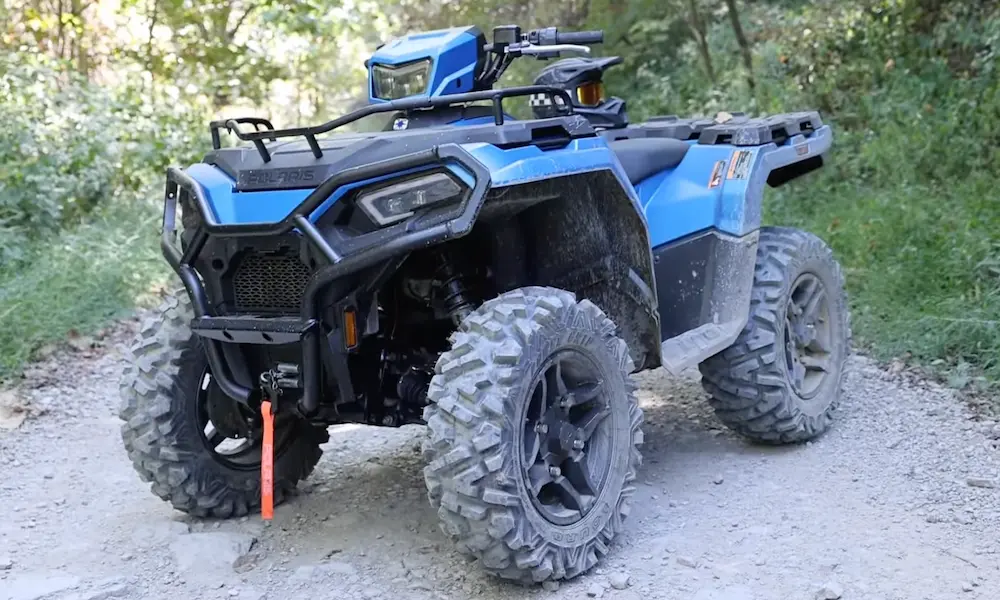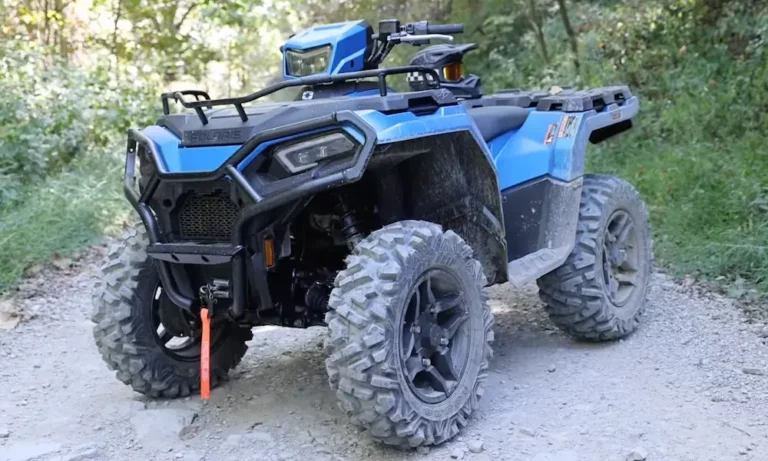
The Polaris Sportsman 570 is a genuinely capable ATV — but it has some real weaknesses that can catch you off guard. Whether you’re already dealing with a frustrating issue or you want to stay ahead of trouble, this guide covers the most common Polaris Sportsman 570 problems in plain language. Stick around, because knowing what to watch for could save you thousands in repairs.
Engine Problems: Compression Loss and Valve Trouble
Why Your 570 Loses Compression
Low compression is one of the most common reasons a Polaris Sportsman 570 cranks but won’t fire up. When compression drops, the engine can’t squeeze the air-fuel mixture enough to ignite it.
The usual culprits are:
- Worn piston rings from dust bypassing a neglected air filter
- Scored cylinder walls caused by abrasive sand acting like sandpaper inside your engine
- Valve seat recession — the valves sink deeper into the head after thousands of heat cycles, eventually eliminating the clearance they need
That last one is sneaky. When the valve clearance disappears completely, the valves hang slightly open during combustion. Compression escapes, power drops, and backfiring starts. According to the official Polaris maintenance schedule, valve clearances need inspection and adjustment every 500 hours or 5,000 miles — most owners skip this entirely.
What Valve Repairs Actually Cost
Ignoring valve issues turns a $169 cylinder head service into something far uglier. A complete master engine rebuild kit — covering pistons, gaskets, timing chains, and a pre-assembled head — runs between $1,000 and $2,300. Upgrading to diamond-like carbon coated forged valve and shim bucket kits drastically reduces ongoing wear and is worth serious consideration.
Fuel System Problems: Pumps, Pressure, and Vapour Lock
Fuel Pump Failure Signs
A failing fuel pump on the Sportsman 570 gives you clear warnings before it quits completely. Watch for:
- A high-pitched whining from the fuel tank
- Engine surging at steady throttle
- Power loss under heavy loads like towing or hill climbing
Here’s a quick test: turn the key to the “on” position without cranking. A healthy pump buzzes for 3–4 seconds as it pressurises the fuel rail. No buzz? You’ve likely got a dead pump.
The real cause of premature failure is often the internal rubber seals. Ethanol in modern fuel causes these seals to swell and crack. Once they fail, fuel bleeds back into the tank instead of reaching the engine. The pump works at maximum capacity trying to keep up, overheats, and burns out.
Vapour Lock: The Heat-Related Fuel Nightmare
In hot weather or after hard riding, liquid fuel inside the lines can literally boil and turn to vapour. The fuel pump can’t push gas — it’s a hydraulic pump, not an air pump. The result is sudden stalling, sputtering, or a complete refusal to restart after a hot shutdown.
Early 570 models ran a pressure regulator rated at only 40 PSI — not enough to suppress fuel boiling under extreme heat. The fix involves upgrading to a 58 PSI regulator and reflashing the ECU with an updated fuel map that holds the injectors open longer during hot restarts.
| Fuel System Symptom | Likely Cause | What to Do |
|---|---|---|
| Cranks but won’t start | Fuel pump not priming | Listen for pump buzz when key turns on |
| Surging at steady throttle | Erratic fuel rail pressure | Test fuel pressure — target 39–49 PSI |
| Stalls in hot weather | Vapour lock or degraded seals | Upgrade pressure regulator, consider ECU reflash |
| Power loss at high RPM | Clogged fuel filter screens | Inspect inline and in-tank screens for blockage |
Electrical Problems: Battery Drain, Charging Failures, and Sensor Gremlins
Battery Drain and Where the Battery Lives
On 2014–2020 models, Polaris placed the battery inside the left front wheel well — directly in front of the CVT cover. Mud, water, and trail debris constantly attack it there. Worse, the front driveshaft can physically rub against the battery casing, creating dangerous short circuits. Polaris fixed this by moving the battery to a safer spot under the front storage box on 2021 and newer models.
Regardless of model year, a dead battery after sitting for a few days is a classic Polaris Sportsman 570 problem. The usual cause is a corroded ignition key switch. Moisture corrodes the internal contacts, which never fully cut power when you switch off. The gauge cluster, EPS module, or ECU slowly drain the battery over days.
Diagnose it with a multimeter in series with the battery terminal. Pull fuses one at a time until the current draw drops to zero.
Always disconnect the negative (black) cable first using a 10mm socket. Torque terminal fasteners to 5 ft-lbs and coat them with dielectric grease to prevent corrosion.
Stator and Voltage Regulator Failure
When the voltage regulator fails from heat stress, it either undercharges (dead battery, vehicle won’t start) or overcharges (boiled battery acid, fried ECU, destroyed wiring). Watch for:
- Flickering dashboard displays
- Headlights dimming and brightening with engine speed
- Intermittent unexplained stalling
Test it by running the engine and putting a multimeter on the battery terminals. A healthy charging system holds 13–14.5 volts at above-idle RPM.
Upgrading to a MOSFET voltage regulator is the smart move. These run much cooler than the factory shunt-type units and last significantly longer. Complete kits with conversion harnesses run $150–$350.
The Brake Pressure Switch Problem
This one frustrates a lot of owners. The 570 requires brake pressure before the starter will engage. A small hydraulic switch inside the brake line detects when you squeeze the lever and sends a signal to the solenoid.
When that switch corrodes from trail mud and water exposure, it stops recognising brake application. The result? The dash lights up perfectly, the pump primes normally, and turning the key produces absolute silence. Many owners mistakenly buy a new battery or starter before figuring this out.
The replacement switch costs $24–$38. In a pinch on the trail, bridging the two wires at the switch will bypass the sensor temporarily, but replace it properly as soon as you’re home.
Drivetrain Problems: CVT, Shifting Issues, and AWD Failures
Hard Shifting and the Creeping Problem
If your 570 creeps forward at idle or fights you when shifting out of gear, the one-way bearing inside the primary clutch has likely seized. This bearing’s job is to let the belt spin free at idle. When dust, mud, or belt debris kill its lubrication, it grabs the belt constantly — and a transmission under constant load simply won’t shift cleanly.
The fix requires removing and rebuilding the primary clutch with a fresh one-way bearing. If the clutch bearing is fine, check the shift linkage rod geometry. A bent rod or loose jam nut throws off the shifter’s travel and prevents full gear engagement. Loosen the 10mm jam nuts, centre the bellcrank into neutral, and readjust the rod length until everything moves cleanly.
Belt Slippage and Water Damage
Water in the CVT housing instantly kills drive belt traction. The engine revs high while the ATV goes nowhere. When this happens:
- Stop immediately
- Drain the housing via the bottom drain plug
- Let the belt dry — use gentle throttle in neutral to spin off moisture
- Don’t blast the throttle — high-speed slipping on a wet belt creates enough heat to glaze and destroy the belt permanently
A glazed belt gets a shiny, hard surface that never grips properly again. Replacement is your only option at that point.
The Plastic Sprague Carrier Disaster
The Sportsman 570’s AWD system uses an electromagnetic front differential with a sprague carrier — the component that locks the front axles when the rear wheels slip. The factory carrier is made from injected moulded plastic.
Under hard torque loads — rock crawling, big mud tyres, or violent traction events — that plastic carrier shatters. Steel rollers and plastic shards scatter through the differential, completely disabling AWD.
The permanent fix is a billet aluminium sprague carrier. These kits run $120–$299 and include new hardened steel rollers. It’s one of the best proactive upgrades you can make before it fails on a remote trail.
| Component | Failure Mode | Symptoms | Fix |
|---|---|---|---|
| Primary Clutch One-Way Bearing | Seizes from debris contamination | Creeping at idle, can’t shift gears | Rebuild clutch, install new bearing |
| Shift Linkage | Bent rod or loose jam nuts | Grinding shifts, binding selector | Re-centre bellcrank, adjust rod length |
| CVT Drive Belt | Water intrusion and thermal glazing | High revs, no forward movement | Drain housing, replace glazed belt |
| Front Differential Sprague Carrier | Plastic cage fracture | Loss of AWD, metallic grinding | Rebuild with aluminium carrier and new rollers |
Suspension and Chassis Problems
A-Arm Bushings Wear Out Fast
The factory A-arm bushings on the 570 use soft rubber or basic nylon — materials that wear quickly when constantly hit with sand, mud, and grit. Once they’re gone, you get:
- A wandering, unstable feel at speed
- Metallic clunking over rough ground
- Sloppy steering that feels disconnected
Field data shows factory bushings often need replacement every 1,500–2,000 miles. Switching to UHMW polyethylene bushings is the smart upgrade — they’re self-lubricating, far more abrasion-resistant, and complete kits cost $84–$174.
For ball joints, lift the front end and use a pry bar under the tyre to check for vertical play. A failed ball joint at speed causes the entire wheel assembly to fold under the chassis — that’s a rollover, not just a breakdown.
Exhaust Heat Melting Plastic Panels
This is one of the most widespread Polaris Sportsman 570 problems that owners talk about constantly. Under a lean fuel condition, the exhaust pipe on the right side can glow red-hot. That heat radiates directly into adjacent plastic body panels and the seat underside, melting and warping them until they contact the pipe.
Early models had almost no factory heat shielding to deal with this. The remedy involves reflective foil insulation on body panels combined with bolted metal heat shields on the exhaust pipe — creating a critical air gap between the exhaust flow and your plastics. There’s even an active Change.org petition demanding a permanent fix from Polaris on this exact issue.
Federal Safety Recalls You Need to Know About
The Sportsman 570 has been hit with multiple mandatory CPSC recalls. If you own one, check your VIN against each of these immediately.
| Recall ID | Model Years Affected | Hazard | Required Fix |
|---|---|---|---|
| CPSC 17-061 | 2014–2017 | Air intake duct rubbed against fuel rail, spraying fuel onto the hot engine block | New intake duct and fuel rail inspection/replacement |
| CPSC 17-190 | 2014 | Fuel leaked into sealed headlight pod, creating ignition risk from bulb heat | Fuel line rerouting and headlight pod sealing |
| CPSC 17-740 | 2017 | EPS unit malfunctioned at speed, causing sudden total loss of steering | EPS module replacement or software reprogramming |
| CPSC 23-734 | 2021–2023 | Wiring harness rubbed against frame and brake lines, causing shorts, brake failure, and fires | Wiring harness rerouting with protective shielding |
These aren’t minor issues — fire hazards, brake failures, and steering loss are serious. Contact a Polaris dealer immediately if your machine falls within any of these ranges.
The Preventative Maintenance Schedule That Actually Protects Your Investment
Skipping maintenance on a 570 gets expensive fast. A neglected air filter alone can destroy your piston rings within hours of riding in dusty conditions. Here’s what the Polaris maintenance documentation and real-world field data both support:
| Interval | System | What to Do |
|---|---|---|
| Every ride | Air filter and coolant | Check pre-filter for dust; confirm coolant level |
| 25 hours / 1 month | Engine and gearcases | Change break-in engine oil, front differential fluid, and rear gearcase oil |
| 50 hours / 6 months | Suspension and CVT | Grease all chassis fittings; inspect drive belt for glazing, cracking, or missing cogs |
| 100 hours / 12 months | Fuel and electrical | Check fuel lines for wear; apply dielectric grease to all major electrical connectors |
| 200 hours / 24 months | Brakes and all fluids | Flush brake fluid; change all drivetrain fluids; inspect clutch bushings and rollers |
| 500 hours / 5,000 miles | Valve train | Remove valve cover, check clearances with feeler gauges, adjust shim buckets as needed |
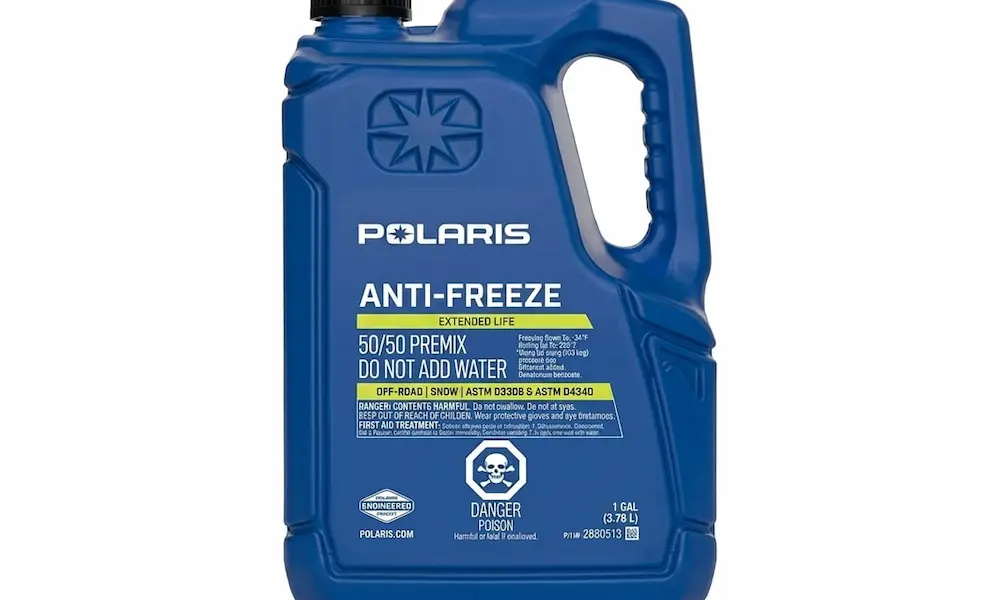
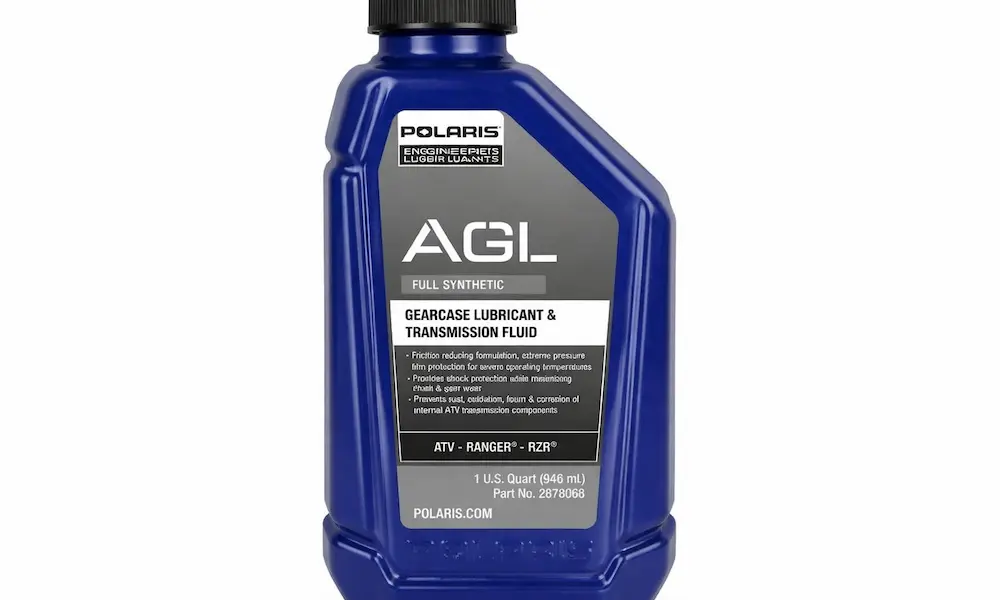
The front differential fluid, transmission fluid, and demand drive fluid all need regular changes to keep metallic shavings and moisture from destroying the electromagnetic AWD system. Grease the suspension fittings after every muddy or wet ride — that small step keeps your bushings alive far longer than the factory spec suggests.
The Polaris Sportsman 570 is a genuinely tough machine when it’s properly maintained and proactively upgraded in the right places. The plastic sprague carrier, soft factory bushings, and vulnerable battery location are all known weak points — and all three have affordable, permanent fixes available right now. Don’t wait for them to fail on the trail.