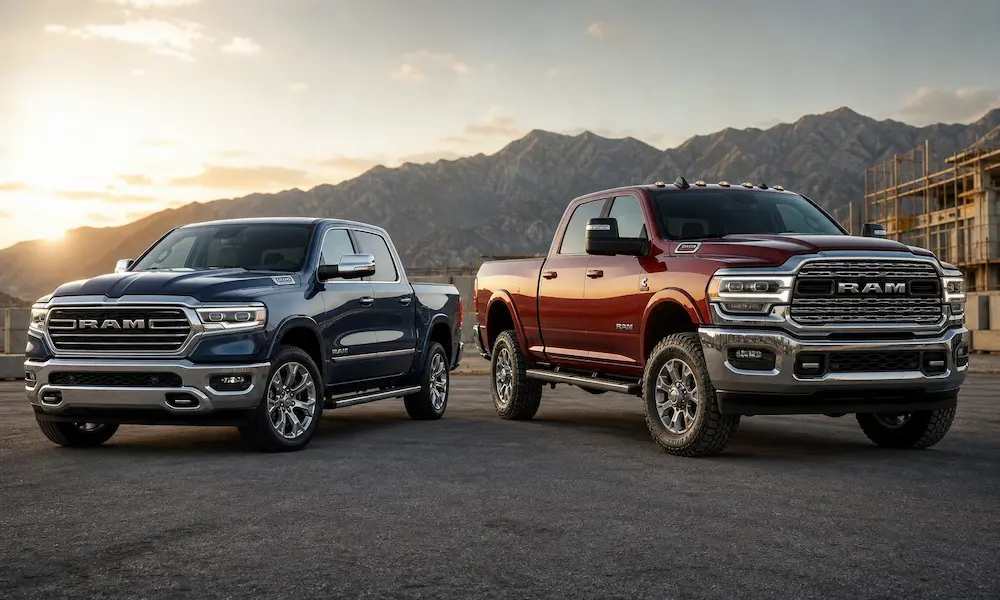
Wondering about the correct ram 1500 gas type for your truck? Whether you’re a new Ram owner or considering a purchase, understanding the right fuel for your vehicle is crucial for performance, efficiency, and engine longevity. Let’s break down everything you need to know about fueling your Ram 1500.
Ram 1500 Engine Options and Their Fuel Requirements
Ram trucks come with different engine options, and each has specific fuel needs. Here’s what you should know about the main powerplants:
3.6L Pentastar V6
The 3.6L Pentastar V6 engine, available in base trims like the Tradesman and Big Horn, has straightforward fuel requirements:
- Required Fuel: Regular unleaded gasoline (87 octane)
- Fuel Economy: Approximately 20 MPG city/25 MPG highway in rear-wheel-drive models
- Notes: This engine pairs with a 48-volt mild hybrid system for improved efficiency
The Pentastar’s design allows it to run smoothly on regular fuel, making it a cost-effective option for daily driving and light work. Pre-2019 models with this engine were also flex-fuel capable, supporting E85 (85% ethanol).
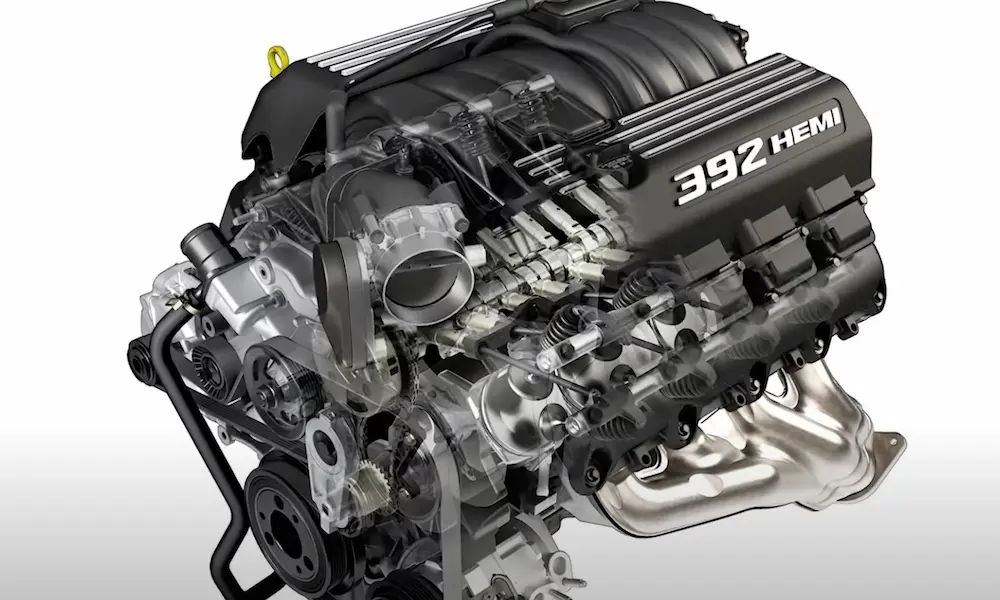
5.7L Hemi V8 (Pre-2025 Models)
The iconic 5.7L Hemi V8, which was standard in Ram 1500s until 2024, has slightly more nuanced fuel requirements:
- Minimum Required Fuel: Regular unleaded (87 octane)
- Recommended Fuel: Mid-grade unleaded (89 octane)
- Performance Impact: Using 87 octane may reduce fuel economy by approximately 1 MPG and cause minor performance losses
While the Hemi can technically run on 87 octane thanks to its knock sensors, many owners report smoother operation with mid-grade fuel, especially when towing or hauling.
3.0L Hurricane Inline-Six Engines (2025+ Models)
For 2025, Ram replaced the Hemi V8 with two turbocharged 3.0L Hurricane inline-six engines:
Standard Output Hurricane (SO)
- Minimum Accepted Fuel: Regular unleaded (87 octane)
- Optimal Performance Fuel: Premium unleaded (91 octane)
- Power Output: 420 hp, 469 lb-ft torque
- Fuel Economy: 17 MPG city/24 MPG highway (4×4)
High-Output Hurricane (HO)
- Required Fuel: Premium unleaded (91 octane)
- Power Impact: Using 87 octane reduces power by approximately 10%
- Power Output: 540 hp, 521 lb-ft torque
- Fuel Economy: 15 MPG city/21 MPG highway (4×4)
The Hurricane engines represent Ram’s shift toward more efficient, turbocharged powertrains. While the SO version can function on regular fuel, maximum performance requires premium, especially under heavy loads or high temperatures.
How Octane Choice Affects Performance and Costs
Your fuel choice impacts more than just performance—it affects your wallet too. Here’s what to consider:
Performance Implications
| Engine Type | Using 87 vs. Recommended Octane |
|---|---|
| 3.6L V6 | No impact (87 is recommended) |
| 5.7L Hemi V8 | 1-2% power loss, slight MPG decrease |
| Hurricane SO | 3-5% power loss, especially under load |
| Hurricane HO | 8-10% power loss, reduced towing capacity |
Cost Considerations
Using higher octane fuel increases your operating costs. For a typical driver covering 15,000 miles annually:
| Engine | Fuel Grade Change | Annual Cost Increase |
|---|---|---|
| Hemi V8 | 87 to 89 octane | $150-$225 |
| Hurricane SO | 87 to 91 octane | $300-$400 |
| Hurricane HO | Required 91 octane | $400-$500 over V8 |
Consider these costs when choosing your Ram 1500 model. The Hurricane HO’s premium fuel requirement, combined with lower fuel economy, significantly increases long-term ownership costs compared to previous V8 models.
Special Considerations for Ram 1500 Fueling
Beyond basic octane requirements, there are several special situations Ram owners should know about:
High Altitude Driving
If you drive in mountainous regions like Colorado or Utah, the lower atmospheric pressure affects how your engine handles fuel:
- For naturally aspirated engines (Hemi V8, Pentastar V6), you may safely use lower octane fuel at elevations above 5,000 feet
- Turbocharged Hurricane engines maintain sea-level boost pressures and still require their recommended octane ratings regardless of altitude
Towing and Heavy Hauling
When putting your truck to work, fuel choice becomes more critical:
- Light towing (under 5,000 lbs): Manufacturer’s minimum octane rating is generally sufficient
- Heavy towing (over 5,000 lbs): Stepping up to the recommended higher octane improves performance and can prevent engine stress
- Extreme conditions (mountain passes, high temperatures): Always use the recommended higher octane rating
Cold Weather Performance
In cold climates, Ram 1500 owners should consider:
- Regular 87 octane performs adequately in most conditions
- The Hurricane engines may benefit from premium fuel during extreme cold starts
- Ethanol blends (like E85) have lower energy content and can worsen cold-start issues in winter
Aftermarket Modifications and Fuel Requirements
Many Ram owners modify their trucks. Here’s how this affects your fuel needs:
Performance Tuners and Programmers
If you’ve installed a performance tuner or programmer:
- Most tuners will specify minimum octane requirements (typically 91+ for performance tunes)
- Running lower octane than specified can cause engine knock and potential damage
- Some tuners offer specific maps for different octane levels
E85 Conversion Options
While factory flex-fuel options are limited, aftermarket solutions exist:
- Companies like eFlexFuel offer conversion kits for the 5.7L Hemi V8
- These kits can provide 7-10% horsepower gains when running E85
- Conversions require regular maintenance due to ethanol’s corrosive properties
Superchargers and Forced Induction
If you’ve added forced induction:
- Premium fuel (91-93 octane) becomes mandatory, not optional
- E85 may be recommended for heavily modified applications due to its higher octane equivalent and cooling properties
- Always follow the supercharger manufacturer’s fuel recommendations
Fuel Economy Comparison Across Ram 1500 Engines
Fuel choice affects not just performance but efficiency. Here’s how the various engines compare:
| Engine | City MPG | Highway MPG | Combined MPG | Recommended Fuel |
|---|---|---|---|---|
| 3.6L Pentastar V6 (2WD) | 20 | 25 | 22 | 87 Octane |
| 3.6L Pentastar V6 (4WD) | 19 | 24 | 21 | 87 Octane |
| 5.7L Hemi V8 (2WD) | 15 | 22 | 18 | 89 Octane |
| 5.7L Hemi V8 (4WD) | 15 | 21 | 17 | 89 Octane |
| 3.0L Hurricane SO (4WD) | 17 | 24 | 19 | 87-91 Octane |
| 3.0L Hurricane HO (4WD) | 15 | 21 | 17 | 91 Octane |
The 3.6L Pentastar remains the efficiency champion, while the Hurricane SO offers a modest improvement over the Hemi V8. The Hurricane HO, despite its modern design, doesn’t improve fuel economy compared to the V8 it replaces.
What Ram 1500 Owners Are Actually Using
Real-world experiences often differ from manufacturer recommendations. Based on user surveys and forum discussions:
- Around 70% of Hemi V8 owners use 87 octane despite recommendations for 89
- Owners of premium trims (Rebel, Limited) more frequently opt for 89-91 octane
- Hurricane SO owners typically use 87 octane for daily driving and 91 for towing
- Hurricane HO owners almost exclusively use 91+ octane due to performance requirements
Most owners report minimal real-world differences with regular fuel in light-duty applications, but notice improvements with premium when pushing their trucks harder.
Preventing Fuel System Issues
To keep your Ram 1500 running smoothly:
Choose Quality Fuel Sources
Not all gas stations maintain the same fuel quality standards:
- Purchase fuel from high-volume stations where fuel turnover is frequent
- Major brands typically have better detergent additives
- Avoid stations receiving fuel deliveries (which can stir up sediment)
Regular Maintenance Practices
Follow these practices to protect your fuel system:
- Replace the fuel filter according to maintenance schedules (typically every 30,000 miles)
- Use a fuel system cleaner every 5,000-10,000 miles
- Keep your gas tank at least ¼ full to prevent sediment from being drawn into the fuel system
Warning Signs of Fuel System Problems
Watch for these indicators of fuel-related issues:
- Hesitation during acceleration
- Rough idle or stalling
- Significant drops in fuel economy
- Check engine light accompanied by misfire codes
Addressing these symptoms early can prevent more serious damage.
Final Thoughts on Ram 1500 Fueling
The right ram 1500 gas type depends on your specific engine, driving habits, and budget constraints. While manufacturers provide clear guidelines, real-world usage often involves compromise between performance and cost.
For most daily driving in newer models:
- Pentastar V6: Regular (87 octane) is perfect
- Hemi V8: Regular (87 octane) works, but mid-grade (89 octane) is ideal
- Hurricane SO: Regular (87 octane) is adequate, premium (91 octane) for maximum performance
- Hurricane HO: Premium (91 octane) is necessary for optimal operation
Remember that following your Ram’s fuel recommendations not only maximizes performance but also protects your engine and ensures the longevity of your truck. When in doubt, consult your owner’s manual or dealership service department for model-specific guidance.