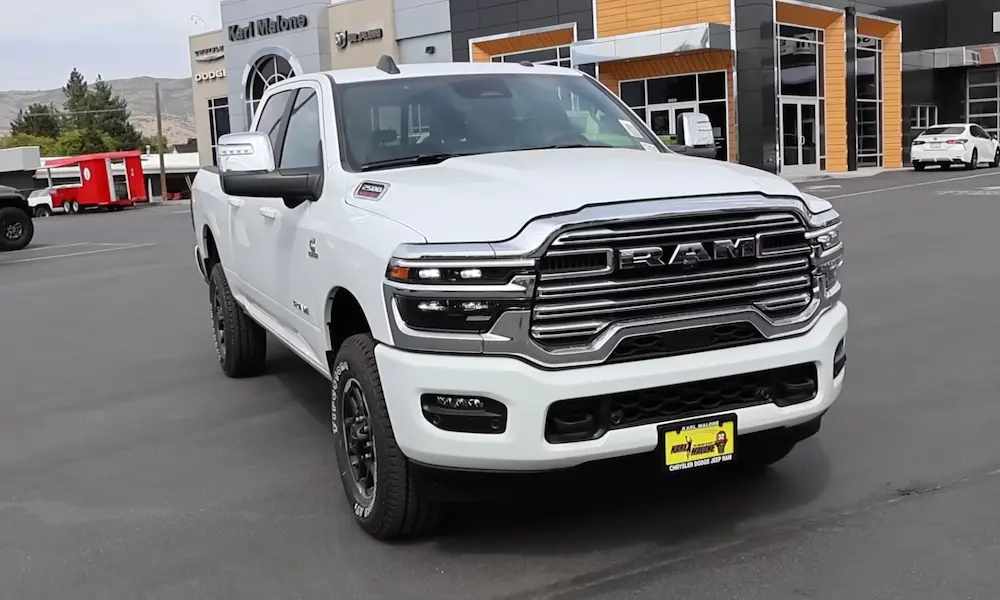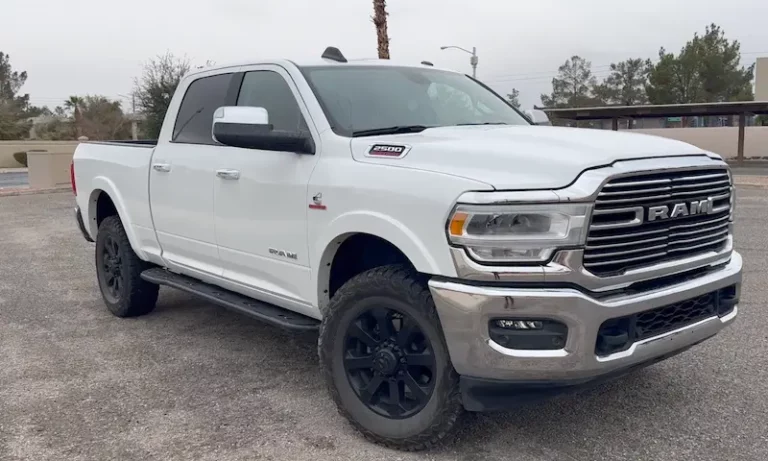
That little “Perform Service” message on your Ram 2500’s dash isn’t screaming at you — but it’s definitely trying to get your attention. Ignore it long enough, and you’re looking at a very expensive repair bill. This guide breaks down exactly what triggers it, what breaks when you skip it, and how to reset it yourself. Stick around — the reset procedure alone is worth reading to the end.
What Does “Perform Service” Actually Mean on a Ram 2500?
It’s not a check engine light. It’s not a random glitch. The “Perform Service” message is a mileage-based maintenance reminder built into your Ram 2500’s engine control module (ECM). It counts down from zero and fires when your truck hits a specific emissions maintenance threshold.
This alert specifically targets two systems:
- The Closed Crankcase Ventilation (CCV) filter
- The Exhaust Gas Recirculation (EGR) valve and cooler
It’s not monitoring those components in real time. The ECM simply tracks odometer miles and triggers the message at a hardcoded interval. Think of it like a countdown timer — not a sensor reading.
When Does the “Perform Service” Light Come On?
The mileage interval depends on your truck’s model year. Here’s a quick breakdown:
| Model Year | Primary Service Required | Mileage Interval | Approx. Time |
|---|---|---|---|
| 2007.5 – 2012 | CCV Filter + Full EGR Valve & Cooler Cleaning | 67,500 miles | 54 months |
| 2013 – 2018 | CCV Filter + EGR Inspection | 67,500 miles | 54 months |
| 2019 – 2024+ | CCV Filter (EGR deferred to second interval) | 75,000 miles | 60 months |
As Ram’s official maintenance documentation confirms, 2007.5 through 2018 models hit this interval at 67,500 miles. Newer 2019–2024 trucks get a slightly longer leash at 75,000 miles, with the EGR cleaning pushed to the second service interval under normal conditions.
Why Your 6.7 Cummins Needs This Service
Here’s the quick physics lesson that makes everything else make sense.
Your 6.7 Cummins builds enormous cylinder pressure when it’s working hard. No piston ring seals perfectly. A small amount of combustion gas always escapes past the rings into the crankcase — that’s called blow-by.
Blow-by gas is nasty stuff. It carries:
- Atomized engine oil mist
- Unburned fuel
- Abrasive soot particles
- Water vapor
If that gas stayed trapped, the crankcase would pressurize and blow out every seal in the engine. So your truck vents it — but federal emissions law says you can’t just dump it into the air. That’s where the CCV filter comes in.
How the CCV Filter Works
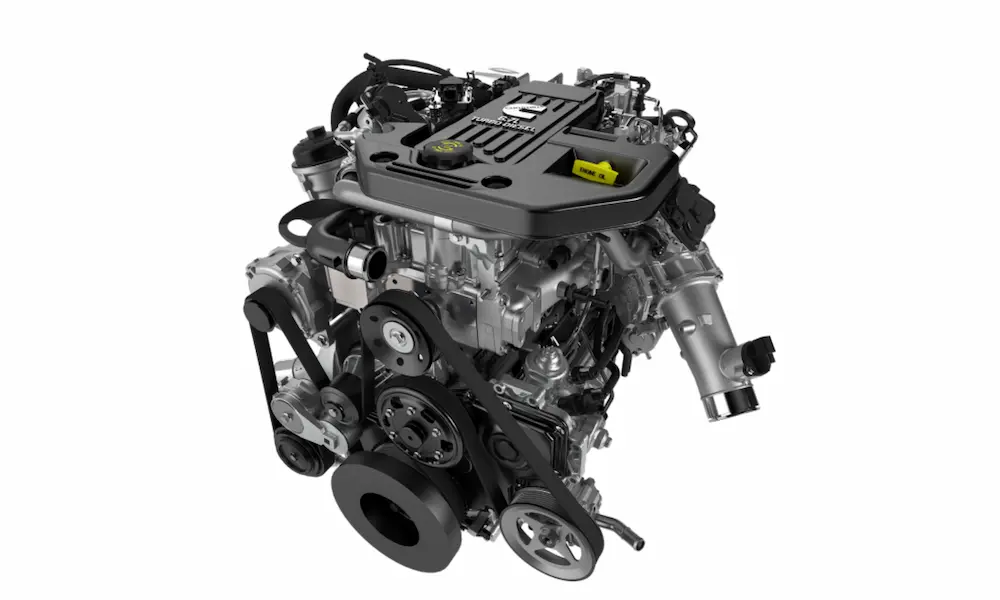
The CCV filter sits on top of the valve cover under that plastic batwing engine cover. It forces blow-by gas through dense porous media, separating the oil mist from the gas. The oil drains back into the sump. The “cleaner” gas routes back into the turbo intake and gets burned off.
Over tens of thousands of miles, that media gets completely saturated with oil sludge, soot, and moisture. When it clogs, crankcase pressure skyrockets — and your engine starts finding other ways to vent.
What Happens When You Skip the CCV Filter Change
A neglected filter triggers a cascade of expensive damage. Here’s what breaks first:
Stage 1 – Seal failure. Elevated crankcase pressure forces oil past the valve cover gasket, front crankshaft seal, and rear main seal. You’ll see oil weeping around the engine bay.
Stage 2 – The dancing oil cap. This is the field test diesel techs use. With the engine warm at idle, loosen (don’t remove) the oil fill cap. If crankcase pressure is too high, the cap bounces or “dances” with an audible chuffing sound. That’s a red flag.
Stage 3 – Dipstick ejection. Severe restriction can literally blow the dipstick out of its tube, spraying oil across the engine bay.
Stage 4 – Intake contamination. This is where it gets really expensive.
The Most Expensive Damage: Intake Tract Contamination
When the CCV filter can no longer separate oil from gas, raw oil mist flows straight into your turbo and intake system. Here’s the damage chain:
Turbocharger compressor wheel: Oil coats the blades. It becomes a sticky trap for dust particles that slip past your air filter. Over time, that abrasive paste erodes the compressor wheel’s leading edges and kills boost efficiency.
Charge air cooler (intercooler): Hot oil-laden air hits the intercooler, cools down, and the oil condenses as liquid inside the cooler. It pools at the bottom.
Intercooler boots: Those silicone couplers aren’t built to sit in hot engine oil. The oil chemically degrades them — they soften, swell, and lose structural integrity. Under heavy towing, a softened boot blows off with a sound like a gunshot, you lose all boost, and the truck goes into limp mode with a P0299 underboost code.
Oil + EGR Soot = Toxic Sludge
Here’s the combination that really kills engines. The EGR system routes burned exhaust gas back into the intake to lower combustion temperatures and reduce NOx emissions. That exhaust gas carries dry, powdery soot.
Under normal conditions, dry soot is manageable. But when CCV oil mist hits that dry soot in the intake manifold, they combine into a thick, sticky, tar-like carbon sludge. That sludge:
- Narrows your intake passages, choking airflow
- Coats the grid heater and intake valves
- Buries the MAP (Manifold Absolute Pressure) sensor, giving the ECM bad data
- Triggers P0106 sensor fault codes and causes black smoke on acceleration
What the Service Actually Involves
Replacing the CCV Filter
This is a straightforward job with basic hand tools — primarily an 8mm socket. The procedure follows these steps:
- Remove the four bolts holding the plastic batwing cover
- Remove the dipstick tube retaining bolt and lift the cover off
- Disconnect the oil drain hose on the passenger side of the filter housing
- Remove the filter mounting bolts and lift the assembly up
- Block the oil fill opening with a clean rag to keep debris out
- Press the new filter in, verify the O-rings and gasket, reassemble in reverse
Cleaning the EGR Valve and Cooler
This is significantly more labor-intensive. The EGR valve requires removing electrical connectors, dipstick brackets, and the V-band clamp on the exhaust crossover tube.
For a thorough clean, the valve needs to be disassembled — using a spring compressor to remove the internal keepers and separate the mechanical valve from the electronic motor. The housing soaks in carbon-dissolving solvent, often overnight, then gets scrubbed clean with a wire brush before reassembly.
The cooler requires removing the air intake snorkel and exhaust crossover pipe, then flushing the internal fins with solvent to clear soot blockages.
Important note for 2019–2024 owners: The EGR valve on these trucks is a permanently sealed unit — it can’t be disassembled for deep cleaning. Technicians clean accessible surfaces with solvent and brushes. If carbon has seized the valve mechanism, the entire unit needs replacement.
How to Reset the “Perform Service” Light Yourself
After you complete the service, the message won’t clear on its own. You need to manually reset the ECM’s maintenance timer. Here’s the exact pedal sequence procedure:
| Step | Action | Critical Note |
|---|---|---|
| 1 | Turn ignition to ON/RUN position | Do not start the engine |
| 2 | Press and release the brake pedal | Exactly two times |
| 3 | Fully depress and release the accelerator pedal | Exactly two times within 10 seconds |
| 4 | Turn ignition to OFF/LOCK | Completes the sequence |
This sequence is notoriously finicky. If it doesn’t work the first time, try again with slow, deliberate pedal movements. Press the accelerator all the way to the floor — the ECM needs to read the full sweep of the pedal position sensor. Moving too fast causes the computer to miss the input entirely. Most failed attempts come down to rushing it or not hitting the floor stop completely.
Severe Duty Means Shorter Intervals
Factory intervals assume light-duty highway use. If your Ram 2500 works for a living, those numbers don’t apply to you. These operating conditions accelerate CCV and EGR wear dramatically:
| Operating Condition | Why It’s Harder on the System |
|---|---|
| Frequent heavy towing | Max boost dramatically increases blow-by volume, saturates CCV filter fast |
| Extended idling | Low combustion temps create wet soot that plugs EGR and CCV simultaneously |
| Cold climates | Condensation mixes with oil vapor, creating a milky emulsion that blinds the filter |
| Stop-and-go urban driving | Prevents exhaust aftertreatment from reaching regeneration temps, increases soot load |
If you regularly tow heavy loads or idle frequently, inspect and potentially replace the CCV filter every 30,000 to 40,000 miles — not at 75,000. Also, pull the intake horn at the 40,000-mile mark and check the MAP sensor. If it’s packed with wet sludge, your EGR valve and cooler are already fouling and need immediate attention.
CCV Reroute Kits: What You Should Know
A strong aftermarket industry exists around CCV reroute and delete kits. The concept is simple — remove the factory filter, block the turbo inlet port, and route blow-by gases out through a billet plate with large-diameter fittings.
The mechanical upside: Oil never reaches your turbo or intercooler again. The intake stays clean. Boost components stay dry. You also eliminate the risk of a clogged filter causing crankcase pressure spikes.
The real-world downsides:
- Venting blow-by to atmosphere violates federal EPA emissions regulations for on-highway use in the United States — full stop
- Open breather systems produce a persistent, noxious oil smell inside the cab at idle
- Oil mist coats the undercarriage, frame, and suspension components
- If you use a catch can instead, you must drain it regularly — skip that, and you recreate the exact crankcase pressure problem you were trying to avoid
The “Perform Service” timer also still counts down regardless of whether you’ve installed a reroute kit. You’ll still need to perform the pedal reset sequence when it fires.
Frequently Asked Questions
Does an active “Perform Service” message disable remote start?
Yes, it often does. Many Ram 2500 models abort the remote start sequence when the “Perform Service” message is active. The engine may briefly crank and immediately shut down, or the lights and horn acknowledge the key fob command but nothing starts. Clearing the message after completing the service typically restores remote start functionality.
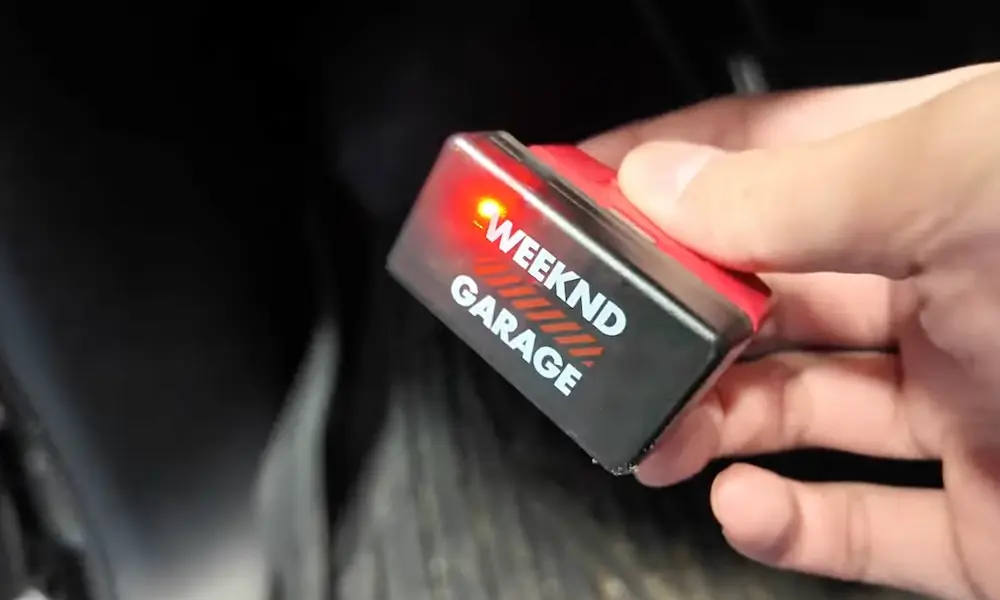
Can an OBD-II scan tool reset the “Perform Service” message if the pedal sequence keeps failing?
Yes. Professional-grade bi-directional scan tools can access the ECM’s maintenance sub-menu and directly overwrite the timer. Basic consumer code readers generally can’t do this — they read fault codes but can’t write data to the module. If the pedal sequence frustrates you after several attempts, a shop with the right diagnostic hardware can reset it in under a minute.
Do you need special tools to clean the EGR valve?
No proprietary dealership tools are required for the physical teardown. You’ll need precision picks for the brittle harness clips, a valve spring compressor for the internal keepers, and industrial carbon-dissolving solvent that won’t etch aluminum. Basic hand tools cover everything else.
Does running biodiesel affect how quickly the CCV filter clogs?
Yes, it does. Biodiesel blends have a higher tendency for fuel dilution — unburned fuel slipping past the rings into the crankcase oil. More fuel dilution means more volatile, higher-volume blow-by, which saturates the CCV filter faster. Ram’s official guidance mandates shortening oil change intervals to a maximum of 12,500 miles for chassis cab models running above a five-percent biodiesel blend. If you run high biodiesel percentages, plan for more frequent CCV inspections.