If you’re dealing with Ram eTorque problems, you’re probably frustrated and worried about repair costs. The mild hybrid system that Ram introduced in 2019 has created headaches for thousands of truck owners nationwide. From sudden engine stalling to expensive component failures, these issues aren’t going away quietly. Let’s break down what’s actually happening and what you can do about it.
What Is Ram’s eTorque System?
Ram’s eTorque system replaces your traditional alternator with a Motor Generator Unit (MGU) that works alongside a 48-volt lithium-ion battery. This setup was supposed to improve fuel economy and provide smoother performance.
The MGU does double duty as both starter and generator. It delivers up to 130 lb-ft of extra torque on V8 engines and 90 lb-ft on V6 models. The 48-volt battery sits behind the rear seats and stores 430 watt-hours of energy.
Unlike full hybrids, eTorque doesn’t drive the wheels directly. Instead, it assists your engine through the crankshaft via a serpentine belt. The system handles six main jobs: stop-start operation, acceleration assistance, regenerative braking, transmission smoothing, electronic power management, and cylinder deactivation support.
Sounds great on paper. Reality? Not so much.
Engine Stalling: The Biggest Safety Issue
Here’s where things get scary. The most serious Ram eTorque problem involves sudden engine stalling while driving.
Ram issued a major recall (23V-265) in April 2023 covering 131,700 2021 Ram 1500 trucks with 5.7-liter eTorque engines. The culprit? Faulty Powertrain Control Module (PCM) software that creates an incorrect air-fuel mixture.
Before the recall, Ram documented nearly 900 stalling incidents, including one crash. That’s nearly 900 times someone’s truck just quit on them unexpectedly.
The problem doesn’t stop with recalled vehicles. The National Highway Traffic Safety Administration (NHTSA) launched an investigation into roughly 150,000 additional vehicles after receiving 80 complaints about engine stalling and power loss. Many 2022 models face similar issues.
What makes this particularly dangerous? After stalling, vehicles often automatically engage the emergency brake and shift into park. Imagine that happening in heavy traffic or on a highway.
Motor Generator Unit Failures: The Expensive Headache
MGU bearing failures rank as the second most common eTorque problem. These typically show up between 40,000 and 70,000 miles.
You’ll first notice a high-pitched whining or grinding noise. Sounds similar to power steering problems. That noise gradually gets worse as the bearings deteriorate.
Eventually, the MGU stops charging your 12-volt battery. Once that battery drains, you’re stuck wherever you happen to be.
Here’s the kicker: the MGU contains non-replaceable bearings. That means the entire unit gets replaced when it fails. Some mechanically inclined owners have successfully rebuilt MGUs by replacing individual bearings for about $30, but this requires serious mechanical knowledge and voids your warranty.
The rear bearing seems most likely to fail. Poor cooling or manufacturing tolerances might be to blame.
| MGU Failure Symptoms | Typical Mileage Range |
|---|---|
| High-pitched whining noise | 40,000-50,000 miles |
| Grinding sounds | 50,000-60,000 miles |
| Battery not charging | 60,000-70,000 miles |
| Complete failure | 70,000+ miles |
48-Volt Battery Pack Disasters
The 48-volt battery pack typically fails between 50,000 and 80,000 miles, often without warning. When it goes, the entire eTorque system shuts down. Your truck might not start or maintain electrical operation.
Unlike your standard 12-volt battery, you can’t just swap in a new one. The 48-volt pack requires complete system replacement because of integrated cooling and control electronics.
Water intrusion causes many battery failures. The battery’s location behind the rear seats makes it vulnerable, especially if you’ve got rear window leak problems. Ram’s decision to put critical electrical components where water can reach them hasn’t won fans among owners or technicians.
The Parts Shortage Nightmare
Buckle up. This part gets frustrating.
Ram owners nationwide face unprecedented parts shortages for eTorque components. Wait times stretch from 60 to 270 days. That’s up to nine months without your truck.
The shortage stems from multiple factors. Stellantis initially decided to discontinue eTorque in 2026 models (though they’ve since reversed course). Production capacity got reduced. Failure rates exceeded original projections by a wide margin.
Dealerships report having 10 or more vehicles waiting for MGU replacements. Some customers have been waiting since November 2024.
Industry observers estimate over 5,000 vehicles currently sit at dealerships waiting for eTorque repairs. The shortage has become so severe that some dealerships suggest trading your vehicle rather than waiting for repairs.
Think about that. Dealerships would rather see you buy a different truck than wait for Ram to fix the problem.
What About Warranty Coverage?
Here’s some good news: eTorque components fall under the Federal Emissions Warranty. That provides coverage for 8 years or 80,000 miles.
This extended warranty covers the MGU, 48-volt battery pack, and associated control modules. However, warranty coverage varies by model year. Some 2022 and newer vehicles show conflicting documentation about eTorque coverage.
When your warranty expires, you’re looking at serious money. MGU replacements cost approximately $1,500 for parts plus $500-800 in labor. The 48-volt battery pack runs $2,500 with additional labor costs. Complete system replacements can exceed $6,000.
That makes eTorque repairs among the most expensive truck maintenance outside of engine or transmission work.
| Component | Parts Cost | Labor Cost | Total |
|---|---|---|---|
| MGU Replacement | $1,500 | $500-800 | $2,000-2,300 |
| 48V Battery Pack | $2,500 | $500-700 | $3,000-3,200 |
| Complete System | $4,000+ | $2,000+ | $6,000+ |
Cold Weather Makes Everything Worse
If you live in a cold climate, you’ve got extra reasons to worry about Ram eTorque problems.
The 48-volt battery struggles to maintain charge and provide adequate power below freezing. Owners in northern states report frequent system failures during winter months. Some vehicles become completely inoperable in extreme cold.
The system relies on precise electronic controls that don’t handle temperature extremes well. Traditional alternator systems don’t have these issues.
Cold weather problems show up as extended cranking times, failure to restart from auto-stop mode, and complete electrical system shutdowns. The 48-volt battery’s lithium-ion chemistry performs poorly in cold conditions, and the system lacks adequate thermal management for extreme temperatures.
Software Glitches and Electronic Problems
Hardware failures aren’t the only issue. eTorque systems suffer from various software glitches and electronic malfunctions.
The Hybrid Control Processor (HCP) sits inside the MGU and requires specific programming when replaced. Flash programming failures can brick the entire system. The process is temperature-sensitive and requires careful handling during service.
Electronic problems include incorrect battery voltage readings, malfunctioning auto-stop systems, and various dashboard warning lights. These issues often appear and disappear intermittently, making diagnosis challenging for technicians who might not catch problems during brief inspections.
Ram’s Official Response
Ram has issued several recalls and Technical Service Bulletins addressing eTorque problems. The most significant, recall 23V-265, tackles PCM software issues causing engine stalling.
Earlier, Ram issued Customer Satisfaction Notification V87 for 2019 models, replacing MGUs with defective flex cables that could disconnect from the Printed Circuit Board.
These recalls provide free repairs for affected vehicles. But many problems fall outside recall scope, leaving owners responsible for expensive repairs once warranties expire.
The company’s response has been reactive rather than proactive. They address problems only after widespread complaints and safety investigations.
Can You Disable the eTorque System?
Complete eTorque system removal isn’t practically feasible because it’s integrated into engine management functions. But you can disable the auto-start/stop feature.
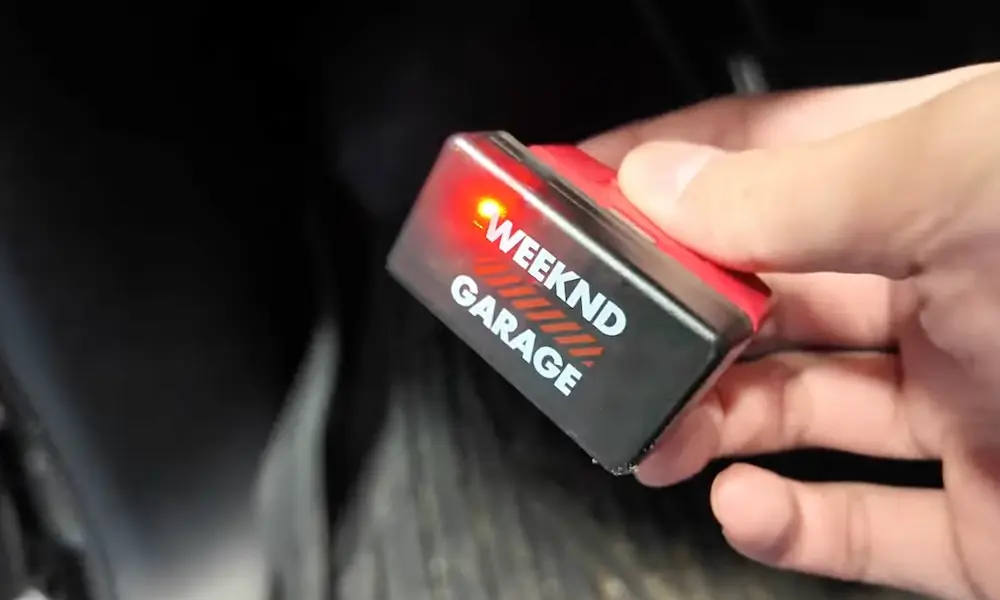
Aftermarket devices like the AutoStop Eliminator provide permanent start/stop disabling without affecting other eTorque functions. These devices work on 2019-2024 models but aren’t compatible with 2025 vehicles due to encrypted CAN bus systems.
Disabling auto-start/stop won’t fix underlying hardware problems. It just makes the system less intrusive during daily driving.
What You Can Do to Prevent Failures
Regular maintenance can extend eTorque system life, though it can’t prevent inherent design flaws.
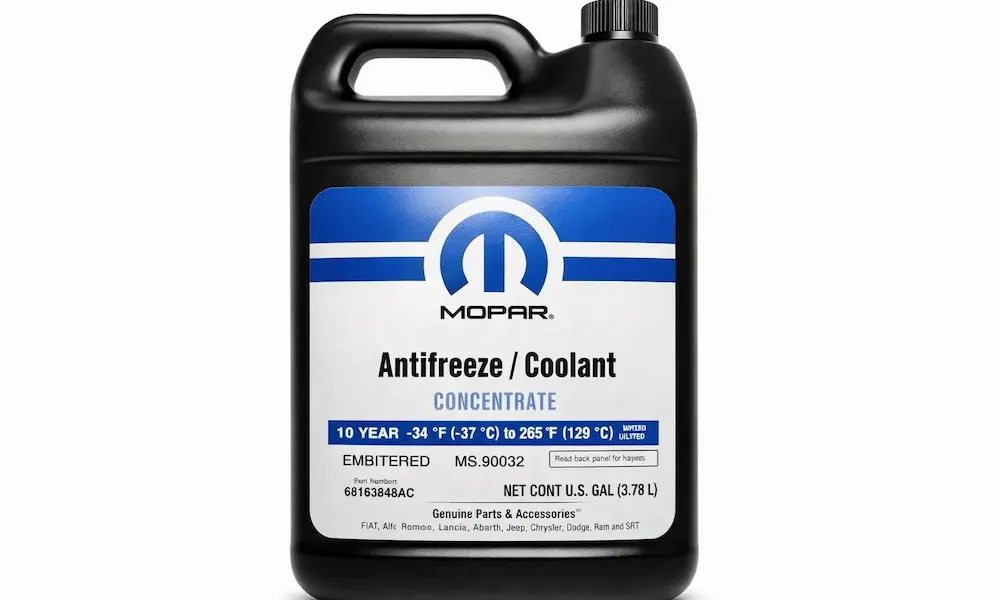
Use high-quality 12-volt batteries. Maintain proper coolant levels for MGU cooling. Address any unusual noises immediately before they become bigger problems.
Regular software updates through dealership visits can resolve some electronic glitches before they cause system failures. Don’t skip these updates.
If you’re still under warranty, document everything. Keep detailed records of every problem, no matter how minor it seems. Take videos of unusual noises. Save all service records.
This documentation becomes crucial if you need to pursue lemon law claims later.
Lemon Law Claims and Legal Options
For owners experiencing repeated failures, lemon law claims might be your best option. Multiple repair attempts that fail to resolve problems can qualify your vehicle as a lemon under state consumer protection laws.
Different states have different lemon law requirements. Generally, you need:
- Multiple repair attempts for the same problem
- Extended time out of service (often 30 days or more)
- Problems occurring within warranty period
- Problems that substantially impair vehicle use, value, or safety
Lemon law attorneys often work on contingency, meaning you don’t pay unless they win your case. Manufacturers typically pay attorney fees when owners prevail.
Long-Term Reliability: What the Data Shows
Owner reports reveal significant variation in eTorque reliability. Some trucks run trouble-free beyond 100,000 miles. Others face multiple failures before 50,000 miles.
Vehicles that survive the first 60,000 miles generally perform more reliably. This suggests early failure modes affect poorly manufactured components.
However, the bearing failure pattern indicates inherent design limitations that may eventually affect all units. It’s not if, but when.
Service department personnel report that MGU failures often occur early if they’re going to fail. Most problems appear within the first 10,000 miles or remain stable until bearing wear begins around 40,000-60,000 miles.
This bimodal failure pattern suggests both manufacturing defects and design limitations contribute to system problems.
Should You Buy an eTorque-Equipped Ram?
For prospective buyers, avoiding eTorque-equipped vehicles eliminates these problems entirely.
The 2025 Ram 1500 offers non-eTorque Hurricane engines with superior performance and reliability. If you’re shopping used trucks, carefully inspect eTorque systems and verify warranty coverage before purchase.
Current eTorque owners should document all problems thoroughly and maintain regular service records. Consider extended warranty coverage while vehicles remain under basic warranty.
Those experiencing repeated failures may benefit from consulting lemon law attorneys, particularly in states with strong consumer protection laws.
The Future of eTorque
Ram’s announcement that eTorque will return in 2026 models following customer backlash creates uncertainty about long-term parts availability.
While 2026 models will feature eTorque, questions remain about continued support for 2019-2025 vehicles experiencing failures. The current parts shortage suggests Stellantis underestimated failure rates and didn’t plan adequate long-term component supply.
Will they fix the underlying bearing and software issues? Or just reintroduce the same problematic system?
Time will tell. But based on their track record, don’t hold your breath.
The Bottom Line on Ram eTorque Problems
The Ram eTorque system represents what happens when manufacturers rush complex technology to market without adequate long-term reliability testing.
The performance benefits? Modest at best. The financial and practical consequences of failures? Severe.
Engine stalling poses real safety risks. Parts shortages leave thousands of trucks sitting inoperable. Repair costs exceed $6,000 for out-of-warranty failures.
Until Ram addresses fundamental design issues causing bearing failures and dramatically improves parts availability, eTorque remains a significant liability for truck owners seeking reliable transportation.
If you’re shopping for a Ram, skip the eTorque option. If you already own one, document everything and stay on top of maintenance. And if you’re facing repeated failures, talk to a lemon law attorney.
Your truck should be a reliable workhorse, not a source of constant stress and expense.