Lost your Ford key and can’t turn the ignition? You’re staring down a problem that’s fixable with the right approach. This guide walks you through four proven methods for removing a Ford ignition cylinder without a key, from basic tools to pro techniques. Let’s get your Ford running again.
What You Need to Know About Ford Ignition Cylinders
Ford uses a pretty standard ignition lock setup across most models. There’s a retention pin that normally needs the key turned to “Run” or “Accessory” position before you can pull the cylinder out. Inside, you’ve got wafers or tumblers that line up when you insert the correct key.
Here’s the catch: when you don’t have the key or the cylinder’s damaged, you need to work around this retention system. The retention pin sits in a small hole on the cylinder housing, which you’ll see once you remove the steering column covers.
The cylinder needs to rotate to the accessory position so you can press that pin and slide it out. No key? You’ll need to force the issue mechanically.
Different Ford Models, Different Challenges
Not all Ford ignition cylinders are created equal. Your Focus might have the retention pin positioned differently than an F-150. Some years put the pin on top instead of underneath the cylinder.
Ford F-Series trucks typically follow the standard setup, but they’re built tougher. You’ll need stronger drill bits or more aggressive techniques. Police Interceptors and Crown Vics? Those things are reinforced to resist tampering, so expect a harder fight.
Recent Ford models (2015-2024) sometimes have additional security features that complicate removal. Check your specific model year before diving in.
Safety First: Prep Your Workspace
Before you start wrenching, disconnect your negative battery terminal. This prevents electrical shorts and keeps your airbag from deploying in your face. Not fun.
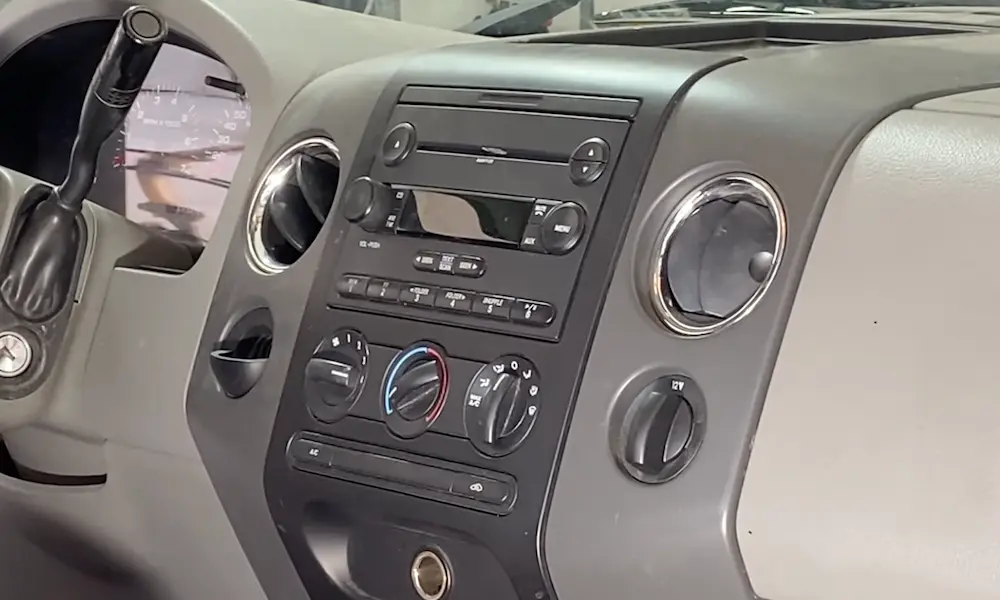
Engage the parking brake and make sure you’re on level ground. Remove all steering column covers and dashboard panels around the ignition cylinder. You need clear access to see what you’re doing.
Good lighting matters here. You’re looking for a small retention pin in a tight space. A headlamp or magnetic worklight saves frustration.
Method 1: Progressive Drilling (Most Reliable)
Drilling is your nuclear option, but it’s the most reliable method for seized or completely damaged cylinders. You’ll destroy the internal wafer system, which lets the cylinder rotate freely.
Tools You’ll Need
- High-speed steel (HSS) or titanium drill bits (1/8″ to 3/8″)
- Electric drill with variable speed
- Masking tape
- Flat-head screwdriver
- Small punch or pick
- Safety glasses
Don’t cheap out on drill bits. Standard hardware store bits break against the hardened metal in Ford ignition cylinders. HSS or titanium bits are non-negotiable.
Step-by-Step Drilling Process
- Mark your drill bit with tape about one inch from the tip. This stops you from drilling too deep into the steering column housing.
- Start small with a 1/8″ bit. Aim for the center of the keyway where you’d normally insert the key. Keep the drill perpendicular to avoid slipping.
- Apply steady pressure while drilling. You’re breaking or damaging the internal wafers that prevent rotation. This takes time—expect 30-60 minutes.
- Progressively increase to larger bit sizes (1/4″, then 3/8″). Each size destroys more of the wafer mechanism.
- Test rotation frequently by inserting a flat-head screwdriver into the damaged keyway. Try turning it gently.
- Once it rotates, turn the cylinder to the accessory position with your screwdriver.
- Find the retention pin beneath the cylinder. Depress it with a small punch while pulling the cylinder out.
Here’s something most guides skip: collect all the metal debris. Those shavings can jam up your new cylinder installation or damage the steering column if they fall inside.
Method 2: Retention Pin Depression (Less Destructive)
If your cylinder still rotates a bit but the key doesn’t work, this method preserves more of the original parts. You’re forcing rotation to reach the retention pin without completely destroying the cylinder.
Forcing the Cylinder to Turn
Grab a sturdy flat-head screwdriver that fits the keyway. Insert it fully and apply moderate rotational pressure. Tap the screwdriver handle with a hammer—not hard, just firm taps.
You’re trying to align enough internal wafers for partial rotation. Some Ford cylinders with internal wear respond to this hammering technique when normal keys fail.
Another trick: use any old Ford key (doesn’t have to match) and work it back and forth rapidly while applying rotational pressure. Sometimes worn wafers temporarily align enough to let you turn it.
Success rates vary wildly based on how damaged the cylinder is internally. You might get it in 10 minutes, or it might never work.
Accessing the Retention Pin
Once you achieve rotation to the accessory position, locate that retention pin on the cylinder housing. Use a small punch, straightened paperclip, or specialized pick tool to press the pin down.
Pull on the cylinder body simultaneously. When the retention mechanism disengages properly, the cylinder slides right out.
This method’s great when you want to preserve the housing and surrounding components. But it only works if you can get enough rotation.
Method 3: Hammering and Impact Force
Don’t have a drill handy? The hammering method uses impact to break internal components. It’s faster than drilling but riskier for surrounding parts.
How to Hammer It Out
Pick a flat-head screwdriver matching your keyway width. Shove it fully into the keyway and deliver controlled hammer blows to drive it deeper. You’re physically destroying or displacing those internal wafers.
Apply rotational pressure with a wrench on the screwdriver handle while you hammer. The combination of impact plus rotation often breaks the mechanism free.
This needs significant force. There’s higher risk of damaging the steering column casting or dashboard components around it. Go carefully.
Using Mechanical Advantage
Some mechanics use slide hammers or prying tools for extra leverage. I don’t recommend this unless you really know what you’re doing. It’s easy to crack the steering column housing.
The straight hammering method typically takes 20-45 minutes. Success rate sits around 85% when you execute it properly.
Method 4: Lock Picking (Advanced Skill Required)
Lock picking is the only non-destructive option, but it’s tough. Ford ignition cylinders use wafer tumbler systems, not standard pin tumblers. That means you need specialized automotive lock picks.
What Makes It Difficult
Ford cylinders typically have 5-8 wafers depending on the model year. You need to apply rotational tension while manipulating each wafer to its correct position. That requires serious tactile feedback through your picks.
Standard residential lock picks don’t fit automotive keyways well. You’ll need specialized tension wrenches designed for wider automotive applications.
Reality Check on Picking
Even skilled lock pickers rarely exceed 60% success rates on automotive cylinders. Time requirements range from 10 minutes for experts to several hours for beginners.
Most repair situations favor destructive methods because you’re replacing the cylinder anyway. Picking only makes sense if you specifically need to preserve the original cylinder or have no other tools available.
Professional Locksmith Services
Professional automotive locksmiths achieve 99% success rates across all cylinder conditions and Ford models. They’ve got specialized tools and experience you don’t have.
Cost vs. DIY Comparison
| Method | Cost | Time | Success Rate | Risk Level |
|---|---|---|---|---|
| DIY Drilling | $15-30 (tools) | 30-60 min | 90% | Medium |
| DIY Hammering | $10-20 (tools) | 20-45 min | 85% | High |
| Professional Locksmith | $95-300 | 15-30 min | 99% | Low |
| DIY Lock Picking | $25-50 (picks) | 30-240 min | 40-60% | Low |
Locksmith costs range from $95 to $300 depending on your location and complexity. That includes warranty coverage for the work. Many offer mobile services, coming to your vehicle’s location.
PATS Programming Advantage
Professional locksmiths handle Ford’s Passive Anti-Theft System (PATS) requirements during cylinder replacement. This ensures your new cylinder works with programmed transponder keys, eliminating extra dealership visits.
They can cut and program keys as part of the package. If you’ve got a newer Ford with anti-theft systems, this alone justifies the professional route.
Installing Your Replacement Cylinder
Removing the old cylinder is only half the job. You need to install a replacement properly to get your Ford running again.
Keying Your New Cylinder
New Ford ignition cylinders must match your existing door and trunk locks, or you’ll carry multiple keys. Ford sells complete lockset packages that include ignition, door, and trunk cylinders with matching keys.
Installation reverses the removal process. Make sure the retention pin engages the cylinder’s groove properly. The cylinder must seat fully in the housing.
Test all key positions before buttoning everything up:
- Off
- Accessory
- Run
- Start
Each position should click firmly into place.
Programming Transponder Keys
Ford vehicles with PATS require transponder key programming. Normally you need two functional programmed keys to add a third. No working keys? You’ll need professional programming equipment.
Dealerships charge $150-300 for PATS programming. Locksmiths often do it cheaper as part of cylinder replacement packages.
Common Mistakes to Avoid
Don’t skip disconnecting the battery. Airbags can deploy during steering column work. That’s a $1,000+ mistake plus potential injury.
Don’t use cheap drill bits. They break against hardened cylinder metal, potentially lodging fragments deeper into the mechanism.
Don’t force the retention pin. If it’s not depressing easily, the cylinder isn’t rotated to the correct position. Forcing it damages the housing.
Don’t forget to collect metal debris. Shavings inside the steering column jam up new cylinder installation.
Model-Specific Tips
Ford Focus (2000-2011)
The Focus positions its retention pin differently than other Ford models. Check the upper portion of the cylinder housing rather than underneath. Steering wheel position affects pin accessibility, so turn it to find the best angle.
F-Series Trucks (All Years)
F-150, F-250, and F-350 trucks follow standard Ford retention pin configurations. The cylinders are built tougher, though. You’ll need more aggressive drilling or stronger impact techniques. Part numbers vary significantly between model years and trim levels.
Crown Victoria and Police Interceptor
These vehicles feature reinforced ignition systems designed to resist tampering. The drilling method works best. Expect to spend more time and use higher-quality drill bits.
Final Thoughts on DIY vs. Professional
Removing a Ford ignition cylinder without a key is doable with basic tools and patience. Drilling offers the highest success rate for completely seized cylinders. Retention pin depression works when the cylinder retains some function.
If you’re comfortable with hand tools and have a few hours, DIY saves money. But if you’ve got a newer Ford with anti-theft systems, professional locksmith services eliminate headaches with programming and warranty coverage.
The method you choose depends on your cylinder’s condition, available tools, and comfort level with automotive work. Whichever route you take, proper preparation and understanding Ford’s retention mechanism are essential for success.