Dealing with a “shift to park” message that won’t go away? You’re facing a widespread problem affecting millions of vehicles across multiple manufacturers. This frustrating issue isn’t just annoying—it can drain your battery, prevent you from turning off your car, and even create dangerous rollaway situations. With major recalls underway, understanding what’s happening and how to handle it might save you from serious headaches (or worse).
What Is the Shift to Park Recall Issue?
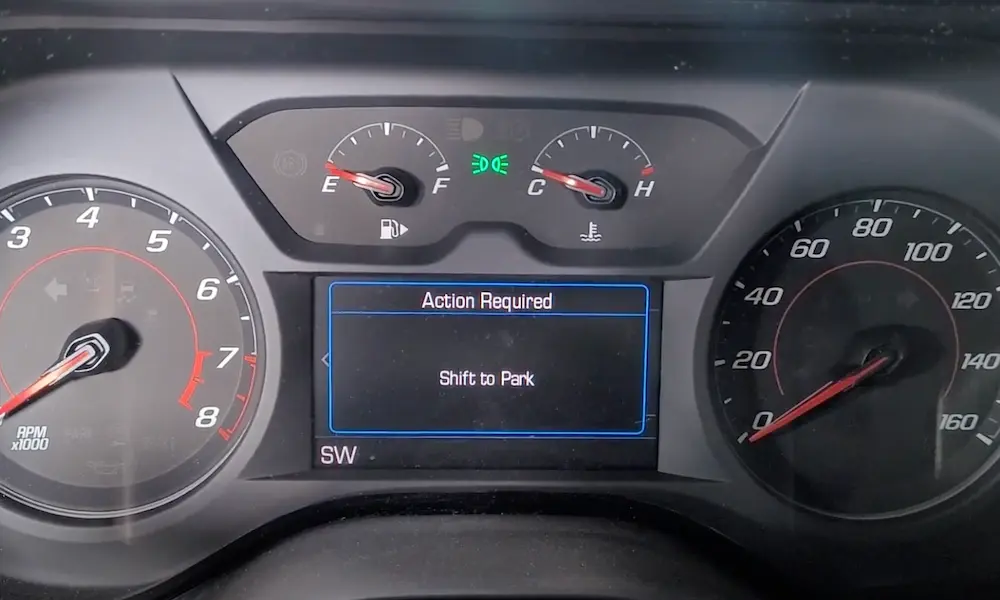
The shift to park problem occurs when your vehicle fails to recognize it’s been shifted into the park position. Even when you’ve correctly moved the gear selector to “P,” the dashboard continues displaying a “Shift to Park” error message. This isn’t just a display glitch—it prevents your car from shutting off properly and can drain your battery completely.
This issue primarily affects newer vehicles with electronic shifter systems rather than traditional mechanical gear selectors. Instead of physical cables connecting your shifter to the transmission, these modern systems use sensors and software to communicate gear position to your vehicle’s computer.
Which Vehicles Are Affected by Shift to Park Recalls?
The shift to park problem has triggered massive recalls across several major manufacturers, with General Motors, Ford, and Chrysler/Stellantis vehicles most heavily affected.
General Motors Vehicles
GM has faced widespread criticism for allegedly knowing about the problem since 2018 but delaying recall actions. A class action settlement was reached in 2025 covering specific vehicles in Ohio and Tennessee.
Affected GM models include:
- 2017-2019 GMC Acadia
- 2019 Chevrolet Blazer
- 2016-2019 Chevrolet Malibu
- 2018-2019 Chevrolet Traverse
- 2016-2019 Chevrolet Volt
- 2021-2023 Chevrolet Trailblazer
- 2020-2022 Chevrolet Traverse
- 2020-2023 Chevrolet Malibu
- 2020-2023 Buick Encore
Ford Motor Company Vehicles
Ford has recalled nearly 3 million vehicles for shift-related issues that could allow vehicles to roll away when drivers believe they’re in park. The massive recall covers multiple model years and vehicle types.
Affected Ford vehicles include:
- 2013-2019 Ford Escape
- 2013-2018 Ford C-Max
- 2013-2016 Ford Fusion
- 2013-2021 Ford Transit Connect
- 2022-2023 Ford Explorer
- 2025 Ford Mustang Mach-E
Chrysler/Stellantis Vehicles
Chrysler faced significant scrutiny following high-profile incidents, including the tragic death of actor Anton Yelchin in 2016 when his Jeep Grand Cherokee rolled away due to shifter confusion. The company recalled over 1.1 million vehicles for confusing shifter designs.
Affected Chrysler/Stellantis vehicles include:
- 2014-2015 Jeep Grand Cherokee
- 2012-2014 Chrysler 300
- 2012-2014 Dodge Charger
- 2009-2017 Ram 1500, 2500, 3500 pickups
- 2019-2021 Ram ProMaster vans
Other Manufacturers
Nissan: Recalled approximately 177,000 Frontier and Titan vehicles (2020-2022) for parking pawl engagement issues.
Kia: Recalled nearly 500,000 Telluride SUVs (2020-2024) for driveshaft engagement problems that could cause rollaway when in park.
What Causes Shift to Park Problems?
Understanding the technical causes helps explain why this problem has become so widespread in modern vehicles. Three key components are typically involved:
1. The Parking Pawl System
The parking pawl is a small metal pin that engages with a notched wheel attached to your transmission shaft when you shift to park. This physically locks the transmission and prevents your wheels from rotating.
In shift to park defects, either the pawl isn’t properly engaging with the wheel, or the sensors aren’t correctly detecting its engagement. When this happens, your vehicle’s computer thinks it’s not safely in park—even when it is.
2. Electronic Shifter Technology
Unlike traditional shifters that physically move and stay in position, many modern vehicles use electronic shifters that return to a neutral position after selection. These “shift-by-wire” systems depend on sensors and software rather than mechanical linkages.
The shift to park problem often occurs because these electronic shifters fail to properly communicate with the vehicle’s computer system. According to auto industry data, electronic component defects have become a leading cause of vehicle recalls in recent years.
3. Brake Transmission Shift Interlock (BTSI)
The BTSI system prevents shifting out of park without pressing the brake pedal. It involves solenoids, switches, and electronic controls that must work together correctly. When this system malfunctions, it can contribute to shift to park issues and create potentially dangerous situations.
What Are the Dangers of Shift to Park Defects?
The shift to park defect creates several serious safety concerns:
Rollaway Risk
The most dangerous consequence is vehicle rollaways. When your car doesn’t properly engage in park, it can unexpectedly move—even if you’ve turned off the engine and exited the vehicle. The National Highway Traffic Safety Administration (NHTSA) has documented numerous injuries and property damage from rollaway incidents.
| Rollaway Incident Statistics | Impact |
|---|---|
| Annual Injuries in the US | Approximately 2,000 |
| Property Damage Cases | Over 5,000 reported annually |
| Fatalities (2016-2023) | At least 12 confirmed deaths |
Battery Drain
When your vehicle won’t register that it’s in park, you often can’t shut it off completely. This leads to continuous battery drain as electronics remain active. Many owners report returning to completely dead batteries after just a few hours.
Vehicle Lockout Issues
The shift to park defect can prevent your doors from locking properly. In some cases, owners have found themselves unable to secure their vehicles, increasing theft risk.
Key Removal Problems
In vehicles with traditional key ignitions, the shift to park problem can prevent key removal when the ignition cylinder doesn’t receive the proper “park” signal.
How to Tell If Your Vehicle Has a Shift to Park Problem
Beyond receiving an official recall notice, here are key signs your vehicle may have this defect:
- Dashboard Warning Message: The most obvious sign is a “Shift to Park” message that stays on even when your shifter is clearly in the park position.
- Unable to Shut Off Engine: If your vehicle won’t turn off completely despite being in park, this indicates a problem with the park detection system.
- Key Won’t Remove: In vehicles with physical keys, inability to remove the key from the ignition when in park.
- Battery Drainage: Unexplained battery drain even when the vehicle appears to be properly turned off.
- Shifting Difficulty: Unusual resistance when shifting into or out of park.
What to Do If You Experience Shift to Park Issues
If you suspect your vehicle has a shift to park defect, take these immediate steps:
1. Apply Temporary Workarounds
While waiting for a permanent fix, try these temporary solutions:
- Wiggle the Shifter: Sometimes slightly moving the shifter while in park can help the sensors detect proper position.
- Shift Through Gears: Try shifting from park to drive and back to park several times.
- Engage Emergency Brake: Always use your emergency/parking brake as backup protection.
- Disconnect Battery: In emergency situations where the vehicle won’t shut down, carefully disconnect the battery negative terminal (always wear safety gloves and follow proper procedures).
2. Check for Recalls
Verify if your vehicle is subject to a recall by:
- Visiting NHTSA’s recall website and entering your VIN
- Contacting your dealer’s service department
- Calling the manufacturer’s customer service line
3. Document Everything
Keep detailed records of:
- When the problem occurs
- Any dealer or service center visits
- All repair attempts and costs
- Communication with the manufacturer
This documentation is essential if you need to pursue lemon law claims or join class action lawsuits.
4. Report to NHTSA
If your vehicle is experiencing shift to park issues, file a complaint with NHTSA to help build their case file. Your report might help push for expanded recalls and faster solutions.
How Manufacturers Are Fixing Shift to Park Problems
As these recall campaigns progress, manufacturers have implemented various solutions:
Software Updates
Many shift to park issues can be resolved with software updates that improve how the vehicle’s computer detects and processes gear position information. In some newer vehicles, these updates can happen over-the-air without requiring a dealer visit.
Component Replacement
For vehicles with hardware failures, manufacturers typically replace:
- Shifter assemblies
- Transmission range sensors
- Electronic control modules
- Wiring harnesses
Enhanced Safety Features
In response to these issues, some manufacturers have implemented additional safety features, including:
- Automatic Park Engagement: Systems that automatically shift to park when doors open or ignition is turned off
- Enhanced Warning Systems: More effective alarms when park isn’t properly engaged
- Auxiliary Brake Activation: Automatic parking brake engagement as backup protection
GM’s Shift to Park Recall: A Deeper Look
Since General Motors vehicles have been at the center of many shift to park complaints, let’s look more closely at their specific issue and response.
Technical Problem in GM Vehicles
In GM vehicles, the primary cause is a failure in the transmission range selector microswitch. This component sends signals to the Body Control Module (BCM) about shifter position. When the microswitch degrades or fails, the BCM doesn’t register that the vehicle is in park—even when it physically is.
GM’s Official Fix
GM has advised dealers to replace either:
- The transmission range selector microswitch assembly
- The entire shifter assembly in some vehicles
The repair typically takes 1-2 hours to complete and should be covered under recall provisions.
Consumer Frustrations with GM’s Response
Many owners have criticized GM for:
- Initially refusing to acknowledge the widespread nature of the problem
- Delaying recall actions despite thousands of complaints
- Only covering repairs under warranty rather than issuing a formal safety recall for some affected vehicles
- Charging owners as much as $400-600 for out-of-warranty repairs before recall coverage
Legal Rights for Owners Affected by Shift to Park Recalls
If you’re dealing with a shift to park defect, you have several legal protections:
Recall Coverage
Recall repairs should be performed at no cost to you, regardless of your vehicle’s warranty status. Manufacturers are required by law to fix safety defects identified in recalls.
Lemon Law Claims
If your vehicle has had multiple unsuccessful repair attempts for the same issue, you may qualify for lemon law protection. Lemon laws vary by state but typically provide for replacement or buyback of defective vehicles.
Class Action Participation
Several class action lawsuits have been filed against manufacturers for shift to park issues. In 2025, GM reached a settlement for certain vehicles that provides:
- Reimbursement for past repairs
- Extended coverage for future repairs
- Compensation for diminished value
How Electronic Shifting Changed Safety Dynamics
The transition from mechanical to electronic shifting systems fundamentally changed how vehicles operate and created new safety considerations:
Traditional Mechanical Shifters
In older vehicles, shifters connected directly to the transmission via cables or linkages. When you moved the shifter to park, it physically moved components in the transmission to lock the wheels. This system was simple but reliable—the shifter position clearly showed the transmission state.
Modern Electronic Shifters
Today’s electronic shifters don’t physically connect to the transmission. Instead, they send electronic signals through the vehicle’s computer system. This design offers benefits like reduced weight and more flexible interior layouts but introduces new points of potential failure.
Checking If Your Vehicle Has an Open Recall
Every vehicle owner should regularly check for open recalls, not just for shift to park issues. Here’s how:
- Locate your 17-digit Vehicle Identification Number (VIN) on your dashboard near the windshield or driver’s door jamb
- Visit NHTSA’s Safety Issues & Recalls page and enter your VIN
- Contact your manufacturer or dealer directly with your VIN
- Sign up for automatic recall notifications through your manufacturer’s owner portal
Remember that recalls can be issued years after a vehicle is manufactured, so checking periodically is important even for older vehicles.
Why Shift to Park Recalls Matter for All Drivers
Even if you don’t own an affected vehicle, understanding shift to park recalls is important for several reasons:
- You might drive rental cars or borrow vehicles that have these issues
- Future vehicles you purchase could have unresolved recall issues
- Shared roadways mean shared risk—other vehicles with these defects create hazards for everyone
- Education leads to safer choices when selecting your next vehicle
The shift to park recall situation highlights the complex balance between technological advancement and basic safety in modern vehicles. While electronics have made our vehicles smarter and more efficient, sometimes the simplest functions—like making sure a car stays parked—require the most careful engineering.
By staying informed about recall issues, promptly addressing any problems with your own vehicle, and following safe parking practices, you can protect yourself and others from the potentially serious consequences of shift to park defects.