Is your Subaru leaving you stranded with a dead battery? You’re dealing with one of the most widespread issues affecting Subaru vehicles from 2015 through 2025. Don’t worry – I’ve got answers that cut through the confusion and get to the heart of these frustrating battery problems.
This guide breaks down exactly why your Subaru’s battery keeps dying, which models are affected, and what you can do about it today – whether you’re facing the dreaded DCM parasitic drain or other electrical gremlins.
Why Subaru Batteries Keep Dying
Subaru’s battery problems stem from four main issues that can leave you stranded in your driveway or grocery store parking lot:
The Notorious DCM Problem
The biggest culprit behind Subaru’s battery woes is the Data Communications Module (DCM) that controls the STARLINK telematics system. This component has been creating excessive parasitic drain through two specific failure modes:
- 3G Network Shutdown Issues: When AT&T shut down its 3G network in 2022, many Subaru DCMs got caught in an infinite loop. They repeatedly try connecting to non-existent 3G towers, fail, then immediately retry with increased power consumption. This endless cycle can drain a fully charged battery within 48-72 hours – even on vehicles driven daily.
- Memory Degradation: Later models (2019-2021) suffer from internal memory deterioration that causes continuous cellular network access attempts. Your DCM keeps trying to “phone home” even when it doesn’t need to.
A properly functioning Subaru shouldn’t draw more than 75mA when turned off, but vehicles with DCM problems typically pull 100-120mA constantly, with some showing extreme draws up to 1.7A. This is more than enough to kill your battery overnight.
Alternator Undercharging Programming
Subaru implemented “smart alternator control” software to help with fuel economy and emissions, but it created an unexpected side effect. This system intentionally prevents the alternator from fully charging the battery during certain driving conditions.
If you primarily make short trips, your battery never gets fully charged. Over time, this leads to progressive discharge and eventual failure. Subaru issued Technical Service Bulletin 11-174-17R back in 2017 addressing this with ECM reprogramming, but many vehicles never received this update.
Other Parasitic Drain Sources
Beyond the DCM issues, several other components can drain your battery:
- Security System Issues: The factory security system can create parasitic draws between 0.074A to 0.156A when armed – much higher than the normal 0.009A baseline.
- Lighting Circuit Problems: Interior lights, particularly trunk and glove box lights, frequently remain active due to faulty door switches.
- Aftermarket Accessories: Non-OEM installations including remote start systems and audio equipment often create additional parasitic loads.
Inadequate Battery Specifications
Many Subarus left the factory with batteries that were barely adequate for their electrical demands. As these vehicles age and develop even minor parasitic draws, the marginal batteries can’t keep up. Subaru has since updated their battery specifications, recommending higher capacity replacements.
Affected Subaru Models
These battery problems aren’t limited to just one model – they span across nearly the entire Subaru lineup:
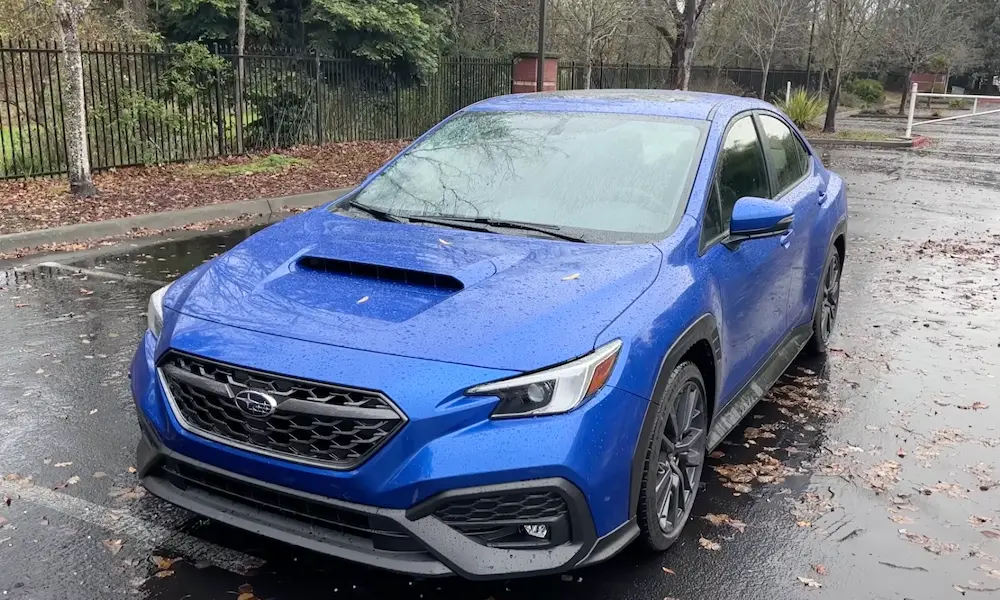
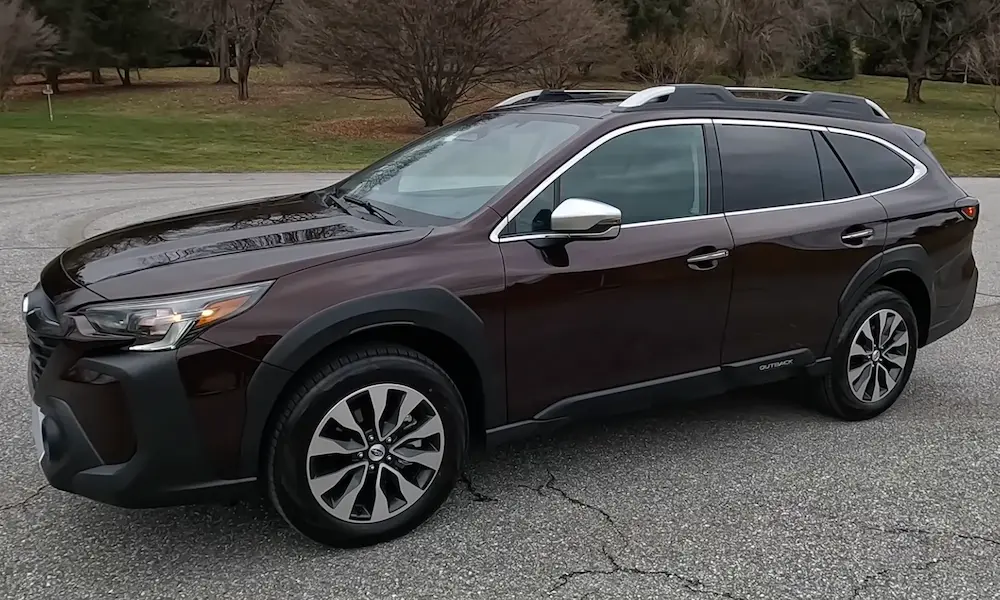
- 2015-2020 Models: Outback, Legacy, Forester, and WRX with 3G DCM systems
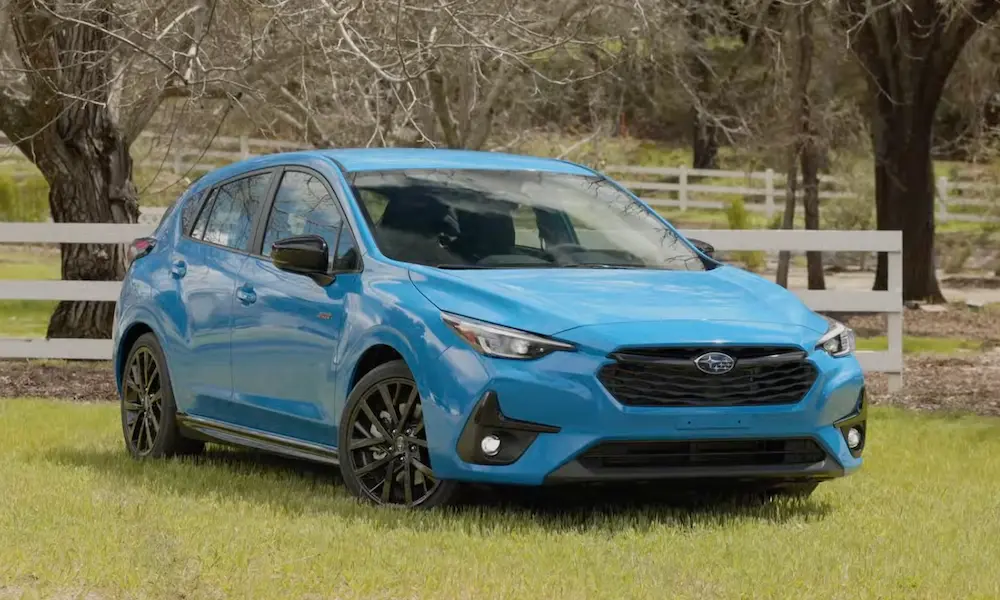
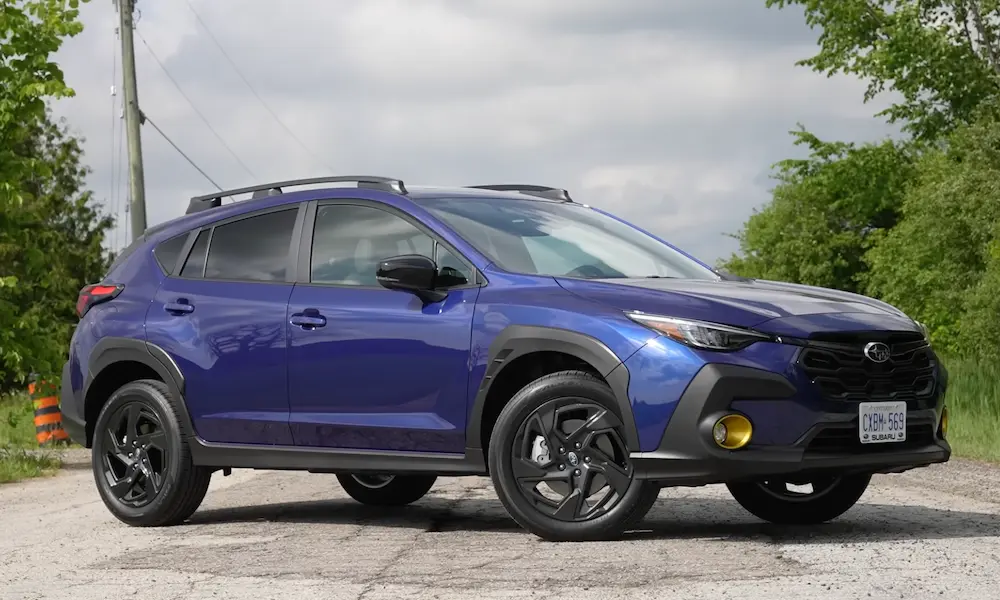
- 2016-2019 Models: Impreza and Crosstrek with cellular telematics
- 2019-2020 Models: Ascent SUV with integrated STARLINK
- 2023-2025 Models: Solterra and Toyota bZ4x EVs with 12-volt battery drain issues
If you’ve experienced multiple dead batteries, your vehicle likely falls into one of these categories.
How to Diagnose Your Subaru’s Battery Problem
Before jumping to conclusions, it’s important to properly diagnose what’s actually draining your battery. Here’s how to identify the real culprit:
Check for DCM-Related Drain
The simplest way to test if your DCM is the problem:
- Start with a fully charged battery
- Park your Subaru and don’t drive it for 24-48 hours
- If the battery dies, try this test: locate fuse #9 (usually labeled “DCM” or “Telematics”) in your fuse box
- Remove this fuse and repeat the same parking test
- If your battery stays charged with the fuse removed, you’ve confirmed the DCM is your problem
This simple test has helped thousands of Subaru owners identify their DCM as the battery drain source.
Measure Parasitic Draw
For a more precise diagnosis, you can measure the actual current draw when your car is off:
- You’ll need a digital multimeter capable of measuring DC current
- Disconnect the negative battery terminal
- Connect your multimeter between the negative cable and battery post (in series)
- Set the meter to measure DC amps
- Let the car sit for 30 minutes to allow all systems to enter sleep mode
- Check the reading – anything consistently above 75mA indicates excessive drain
If you’re seeing high readings, you can systematically remove fuses to isolate which circuit is causing the problem. When you pull the right fuse, the current draw will drop significantly.
Look for Other Warning Signs
Beyond dead batteries, watch for these symptoms of electrical problems:
- Battery warning light on the dashboard
- Dim headlights or interior lights
- Electrical systems behaving erratically
- Difficulty starting that progressively worsens
- Battery that tests good but dies overnight
Solutions for Subaru Battery Problems
Now for the good news – there are several effective solutions depending on what’s causing your specific issue:
DCM Fixes and Options
If your Data Communications Module is the culprit, you have several options:
1. Warranty Coverage
A class action lawsuit filed in 2020 resulted in extended warranty coverage:
- 8 years/150,000 miles for 2019 models
- 8 years/100,000 miles for 2016-2018 models
- Cash reimbursement for previous battery replacements and towing
- Free DCM replacement or bypass for affected vehicles
Contact your Subaru dealer to check if your vehicle qualifies for this coverage. Many owners have received completely free repairs under this extended warranty.
2. DCM Bypass
For vehicles without active STARLINK subscriptions, Subaru can install a bypass harness (part #86229AL400) that disconnects the DCM from constant power. This is often the fastest solution since replacement DCMs have been on national backorder.
The bypass will solve your battery drain but disable:
- STARLINK emergency services
- Remote vehicle access
- Some Bluetooth functionality
- Front speaker operation in certain configurations
3. DIY Solutions
If you’re comfortable with basic automotive electrical work, some owners have implemented these solutions:
- Permanently removing the DCM fuse (simplest but disables functions)
- Installing aftermarket bypass harnesses ($80-300)
- Moving the DCM to accessory power instead of constant power
This YouTube video provides a detailed walkthrough of the DIY bypass approach.
Battery Upgrades
Upgrading to a higher-capacity battery can provide a buffer against minor parasitic drains:
Subaru Enhanced Battery Options:
- SOA821B900: 750 CCA Enhanced Flooded Battery (EFB) technology
- SOA821B950: Alternative high-capacity replacement
These upgraded batteries offer improved deep-cycle tolerance and can better handle the demands of Subaru’s electrical systems. They’re physically larger than the original batteries, so you might need updated mounting hardware (battery tray 82190AN000 and cover 82123AN000).
Software Updates
Several software updates can help resolve charging system issues:
Alternator Control Updates: ECM reprogramming optimizes charging algorithms to ensure adequate battery maintenance, especially for short-trip driving patterns. These updates address the underlying “smart alternator” issues that prevent proper charging.
Ask your dealer specifically about TSB 11-174-17R, which addresses the alternator control software. Many owners report dramatically improved battery life after this update.
Preventive Maintenance Practices
Even after fixing the root cause, these maintenance practices will help prevent future battery problems:
1. Regular Battery Maintenance
- Clean terminals monthly to prevent corrosion
- Check connections for tightness
- Consider a battery tender for vehicles parked for extended periods
2. Driving Pattern Adjustments
- Take occasional longer drives (20+ minutes) to fully charge the battery
- Avoid exclusively making short trips under 10 minutes
- If possible, drive your vehicle at least once every 5-7 days
3. Battery Testing
- Have your battery and charging system tested annually
- Use a battery tender when parking for extended periods
- Consider investing in a portable jump starter as backup
Subaru’s Official Response
Subaru has acknowledged these problems through multiple channels:
- Extended warranty coverage for DCM-related issues
- Technical Service Bulletins for dealers
- Battery capacity upgrades for new production vehicles
- Settlement with affected owners through class action resolution
If you’re experiencing battery problems, visit the Subaru Battery Settlement website to check if your vehicle qualifies for compensation or repairs.
Battery Issues in Newest Models (2023-2025)
Despite extensive warranty coverage and repair programs, some battery problems persist into 2024-2025 model years. Recent reports from the Subaru forums indicate continuing issues with newer Foresters, Outbacks, and the electric Solterra model experiencing 12-volt battery drain problems.
The newest models show different failure patterns related to:
- Auto stop/start systems drawing excessive power
- Enhanced electrical loads from new features
- Insufficient battery capacity for modern vehicle requirements
If you own a 2023-2025 model experiencing battery issues, document all problems carefully and contact your dealer, as these may qualify for warranty coverage under new TSBs.
Take Action Today
If you’re experiencing battery problems with your Subaru, don’t wait for another frustrating morning with a dead car. The solutions above have helped thousands of owners resolve these issues permanently.
Start by checking if your vehicle qualifies for warranty coverage, then pursue the appropriate fix based on your diagnosis. With the right approach, you can enjoy your Subaru without the constant worry of being stranded with a dead battery.
Remember that proper diagnosis is crucial – what works for one Subaru model might not work for another, so take the time to identify your specific issue before attempting repairs.