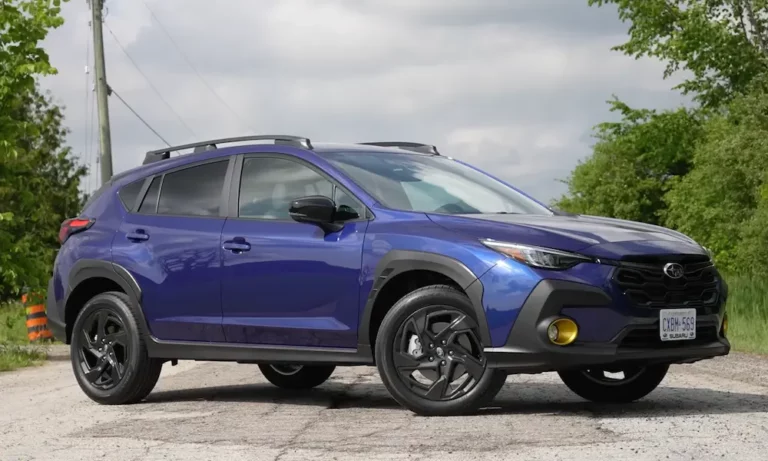
Want to transform your Crosstrek from a capable crossover into a proper trail-ready machine? You’re in the right place. This guide covers every major modification category — from lift kits and skid plates to CVT cooling and EyeSight calibration — so you can build smart, not just bold. Stick around, because the details at the end could save your warranty.
Know Your Generation Before You Modify Anything
Not all Crosstreks are built the same. Before you spend a dollar on Subaru Crosstrek modifications, know which platform you’re working with.
| Platform Generation | Model Years | Key Feature | Ground Clearance |
|---|---|---|---|
| First Gen (GP) | 2013–2017 | Traditional Impreza-based frame | 8.7 inches |
| Second Gen (GT) | 2018–2023 | Subaru Global Platform (SGP) | 8.7 inches |
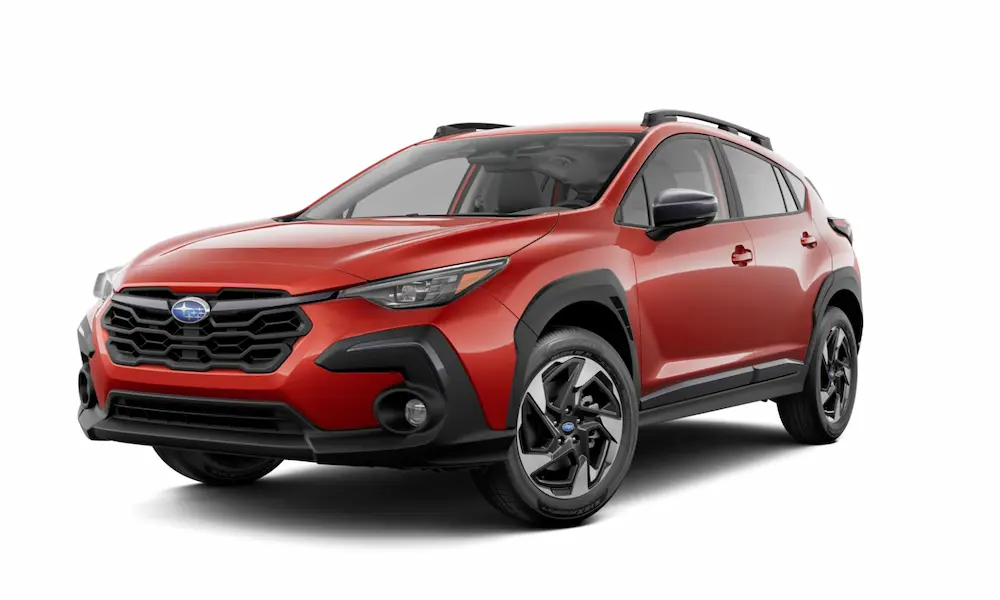
| Third Gen (GU) | 2024–Present | Enhanced SGP + WRX steering rack | 8.7″ (Standard) / 9.3″ (Wilderness) |
The 2018+ SGP platform offers significantly better torsional rigidity — great news for lift kits and heavy armor. The 2024 GU models added a dual-pinion electronic power steering rack straight from the WRX, giving you sharper steering on technical terrain. One catch: 2024+ models dropped the manual transmission entirely, so you’re working with CVT-only dynamics going forward.
The 2021 refresh also swapped the 152-hp 2.0-liter FB20 for the 182-hp 2.5-liter FB25 — a meaningful upgrade when you’re hauling camping gear up a mountain grade.
Lift Kits: Choosing the Right Method for Your Build
Lifting your Crosstrek improves off-road posture and creates clearance for larger tires. But the MacPherson strut front and double-wishbone rear suspension are sensitive to height changes. Push too far without correcting the geometry, and you’ll wreck your CV joints fast.
Strut-Top Spacer Kits
Spacer kits made from 6061-T6 billet aluminum sit on top of your factory struts. They’re affordable, preserve stock ride quality, and work great for light trails and daily driving. Brands like LP Aventure and Crawford Performance include subframe drop spacers to maintain factory CV axle angles — especially critical if you’re going beyond 1.5 inches.
Lift Springs
Spring upgrades replace your factory coils with taller, progressive-rate springs. If you’re running a roof-top tent or a steel front bumper, this is the smarter choice. The Eibach PRO-LIFT-KIT delivers a 1.0 to 1.5-inch lift while actually improving cornering stability — not just ride height.
Full Strut Assemblies
For a dedicated overlanding rig, go full strut replacement. The Ironman 4×4 All Terrain Suspension uses nitrogen-charged shocks and matched springs for a cohesive 2-inch lift. RalliTEK’s assembled strut kits use powder-coated components and grade 10.9 hardware for serious corrosion resistance.
| Lift Method | Height Gain | Best For | Key Consideration |
|---|---|---|---|
| Strut-Top Spacers | 1.0″ – 2.0″ | Daily drivers, mild trails | Needs subframe spacers above 1.5″ |
| Lift Springs | 1.0″ – 1.5″ | Heavy loads, handling focus | Firmer ride; prevents sag |
| Full Strut Assemblies | 2.0″ | Overlanding, high-speed off-road | Full geometry correction included |
Wheels and Tires: The Modification That Changes Everything
Tires are the single most impactful modification you can make. Swapping the factory Yokohama Geolandar G91 highway tires for proper all-terrain rubber changes traction, braking, fuel economy, and how the whole suspension feels.
The Case for 15-Inch Wheel Downsizing
Many Crosstrek owners drop from 17- or 18-inch wheels down to 15-inch options like the Method 502 VT-Spec or Reika Seeker. A 215/75R15 tire fits without rubbing and gives you a taller sidewall for better rock absorption and the ability to air down to 15–20 PSI for sand or snow flotation. More sidewall = more cushion. It’s that simple.
All-Terrain Tire Options and the MPG Trade-Off
Tires like the BFGoodrich All-Terrain T/A KO2 and Yokohama Geolandar A/T G015 deliver reinforced 3-ply sidewalls and self-cleaning tread blocks. But they’re heavy. A full overlanding build can add roughly 3–4 pounds of unsprung weight per corner.
A stock 2024 Crosstrek hits up to 35 MPG on the highway. A lifted, loaded build with oversized tires and a roof rack? You’re looking at around 20–28 MPG depending on conditions. Plan accordingly.
| Tire Size | Effective Diameter | Lift Required | Notes |
|---|---|---|---|
| 225/60R17 (Stock) | 27.6″ | None | Factory standard |
| 215/75R15 | 27.7″ | None | Perfect for 15″ downsized wheels |
| 225/65R17 | 28.5″ | 1.5″ – 2.0″ | Common overlanding choice |
| 235/65R17 | 29.0″ | 2.0″+ | Max size; trimming needed |
Skid Plates: Protect the Vitals First
The Crosstrek’s 8.7-inch ground clearance leaves the oil pan, transmission housing, and rear differential exposed. One bad rock strike can end your trip — or your engine. Protection should come before lifting in any build hierarchy.
Aluminum vs. Steel Plates
Most Crosstrek skid plates use 3/16-inch 5052 aluminum or 1/8-inch high-strength steel. Aluminum wins for most builds — it’s corrosion-resistant, lighter, and easier on your engine’s limited power. An RCI Metalworks aluminum front skid plate weighs around 16 pounds and handles serious impacts. Steel offers better puncture resistance for rock crawling but adds weight that stresses suspension and eats fuel economy.
Features Worth Paying For
When shopping Primitive Racing or RalliTEK skid plates, look for:
- Oil drain access ports — change your oil without removing the entire plate
- Recessed mounting bolts — prevents bolt heads from shearing on rocks
- CVT and differential guards — the CVT overheats fast under technical stress; guard it
CVT Cooling and Powertrain Reliability
The Crosstrek’s boxer engine is smooth and well-balanced, but the Lineartronic CVT is the weak link under sustained off-road stress. Long uphill grades or deep sand can push CVT fluid temps into dangerous territory.
Installing an auxiliary transmission cooler is one of the smartest reliability upgrades you can make. The 2024 Wilderness trim handles this from the factory, including an upgraded transmission oil cooler that doubles towing capacity from 1,500 to 3,500 pounds.
Exhaust Upgrades: Worth It?
Axle-back systems from Nameless Performance, Borla, or Takeda add 1–3 horsepower on a naturally aspirated engine — not life-changing numbers. But they reduce backpressure, improve throttle response, and give you better audible feedback when using manual mode on descents. Go with 304 stainless steel and TIG-welded flanges for long-term durability.
EyeSight Calibration: Don’t Skip This Step
This is the part most people ignore — and it can get you into serious trouble. Subaru’s EyeSight system manages pre-collision braking, adaptive cruise, and lane-keep assist. It assumes the vehicle sits at factory height with a specific camera angle relative to the horizon.
A 2-inch lift changes that angle. After any suspension modification, you need a wheel alignment and — in many cases — a full EyeSight camera recalibration. The 2024+ EyeSight v4 system uses a wider-angle lens and a third monochrome camera, making it even more sensitive to alignment variance.
Here’s the legal side: Subaru’s EyeSight class-action settlement already flagged system reliability concerns across 2013–2024 models. If your aftermarket lift directly interferes with EyeSight’s field of view and causes a failure, the manufacturer can deny your warranty claim under the Magnuson-Moss Warranty Act. Know the risk.
Overlanding and Cargo Setup
The Crosstrek’s 51.9 cubic feet of folded cargo space fits a flat sleeping platform for two — if you’re organized about it.
Simpler Ways and Compass Camper build aluminum and plywood conversion kits that weigh 85–100 pounds and bolt to factory D-rings. High-end setups add pre-wired lithium battery hubs and 12V refrigerators.
For roof-top tents, check your load limits first. The 2024 Crosstrek Wilderness supports a 176-pound dynamic load and 700-pound static limit. Standard models carry lower limits — better suited for kayaks or bikes than heavy hard-shell tents.
Aesthetic Mods That Actually Do Something
Cosmetic Subaru Crosstrek modifications aren’t just about looks. Chrome delete vinyl, for example, protects your trim while modernizing the exterior.
- Window trim chrome delete — pre-cut gloss black vinyl kits work perfectly on 2018–2023 models
- Emblem overlays — precision-cut vinyl badges in World Rally Blue, Solar Orange, or Wilderness Copper with air-release adhesive for a bubble-free install
- Anti-glare hood decals — matte-black film reduces sun glare during mountain ascents; standard on the Wilderness, easy to add on any trim
- Wheel overlays — black out the factory silver alloys without buying new wheels
Your Warranty and the Law
Under the Magnuson-Moss Warranty Act, a manufacturer can’t void your entire warranty just because you added aftermarket parts. They must prove the aftermarket part directly caused the specific failure in question. A lift kit might affect a CV axle claim — it can’t touch a claim for a faulty infotainment screen.
To keep your coverage solid:
- Follow Subaru’s maintenance schedule precisely
- Keep receipts and records for every part and installation
- Work with performance-friendly dealerships that understand modified Subarus
Post-Trail Maintenance for a Modified Rig
A built Crosstrek needs more attention than a stock one. After every trail run, work through this checklist:
- Underbody debris removal — mud packed in skid plates blocks cooling and creates abrasion
- Torque check — suspension bolts on lift kits loosen after rough terrain exposure
- Fluid intervals — shorten CVT and differential fluid change intervals for any vehicle used in overlanding conditions
- Tire rotation — every 5,000 miles keeps aggressive all-terrain tread wearing evenly and keeps road noise manageable
Wheel alignment deserves its own mention. All-terrain tires wear unevenly fast when alignment is even slightly off. Get a professional alignment after every suspension modification — and check it periodically as part of your regular maintenance routine.
Build Smart: The Essential Triangle
The most effective Subaru Crosstrek modifications don’t try to make it something it isn’t. The Crosstrek’s strengths — AWD reliability, nimble size, and solid fuel economy — are worth protecting. The “Essential Triangle” of tires, armor, and a modest lift creates a trail-ready rig that still handles daily driving without drama.
Start with skid plates. Add tires. Lift to match. Calibrate EyeSight. Then layer in the extras. That order keeps your build functional, legal, and covered.