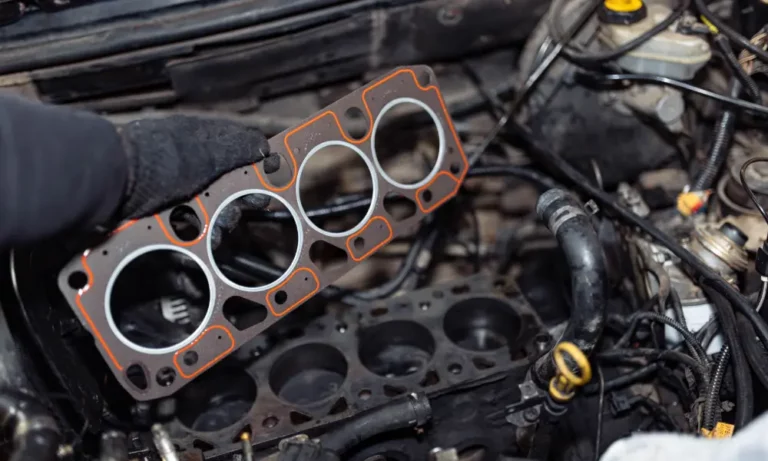
Facing that dreaded engine overheating or seeing puddles of oil under your Subaru? Your head gaskets might be failing. While Subaru builds reliable vehicles, their head gasket issues are well-documented, particularly in older models. Before you panic about repair bills, let’s break down exactly what you’ll pay, which models are most affected, and how you might save money on this significant repair.
What You’ll Pay for Subaru Head Gasket Replacement
Head gasket replacement isn’t cheap, but understanding the cost factors helps you prepare financially and avoid surprises at the repair shop.
Average Cost Breakdown
The total cost for Subaru head gasket replacement typically falls between $1,200 and $5,500, with most owners paying around $1,800 to $2,500 at independent shops. Here’s how that breaks down:
| Service Provider | Typical Cost Range | Notes |
|---|---|---|
| Independent Mechanic | $1,200-$2,500 | Most cost-effective professional option |
| Dealership | $2,000-$3,500 | Higher labor rates, OEM parts |
| DIY Parts Only | $200-$700 | Requires significant mechanical expertise |
| Major City Repair | $3,000-$5,500 | NY, LA, San Francisco command premium pricing |
| Rural Area Repair | $1,500-$3,000 | Lower labor rates significantly reduce total cost |
Labor makes up 70-80% of your total bill, which explains the wide price variation between different repair facilities and locations. The complexity stems from the engine’s boxer design that necessitates extensive disassembly in most cases.
Why Costs Vary So Much
Several key factors determine your final bill:
- Engine damage extent: Simple gasket failure versus warped heads or additional damage
- Vehicle model: Turbo models cost more but fail less often
- Geographic location: Urban shops charge almost twice what rural mechanics do
- Shop type: Dealerships charge 20-40% more than independent shops
- Additional services: Timing belt replacement adds $200-600 when done simultaneously
If your engine has overheated severely, machine shop services for head resurfacing add $500-1,500 to your total. And if you’ve been driving with a leaking head gasket for a while, you might need additional internal repairs that can double or triple your bill.
Affected Subaru Models and Years
Not all Subarus are equally prone to head gasket failure. Understanding which models face higher risks helps with buying decisions and maintenance planning.
High-Risk Models
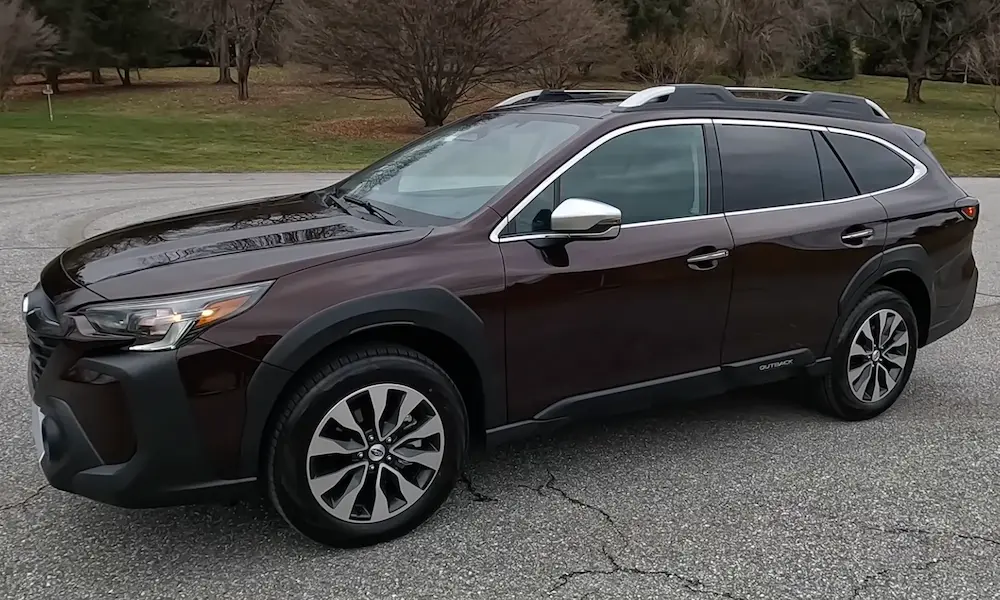
The EJ25 2.5-liter naturally aspirated engine is the main culprit, installed in several popular models:
| Model | Years Affected | Typical Replacement Cost |
|---|---|---|
| Outback | 1996-2009 | $1,500-$2,200 |
| Legacy | 1996-2009 | $1,500-$2,200 |
| Forester | 1998-2010 | $1,600-$2,300 |
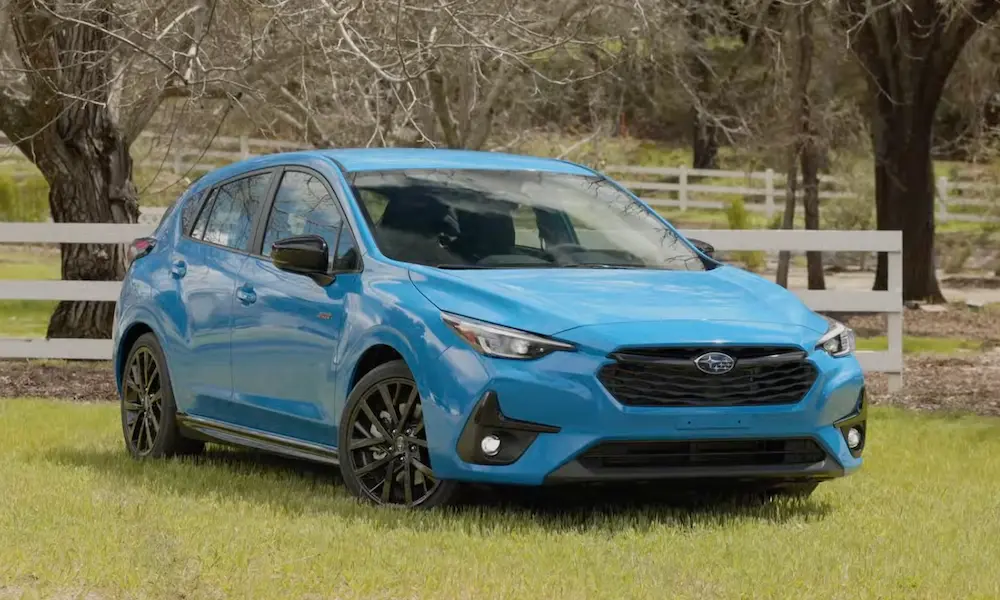
| Impreza (non-WRX) | 1998-2011 | $1,500-$2,400 |
The problem manifested differently across production years:
- 1996-1999 models typically developed internal head gasket leaks
- 2000-2011 models more commonly experience external oil and coolant leaks
Vehicles with higher mileage (over 100,000 miles) face significantly increased risk, especially if cooling system maintenance has been neglected.
Turbo vs. Non-Turbo Engines
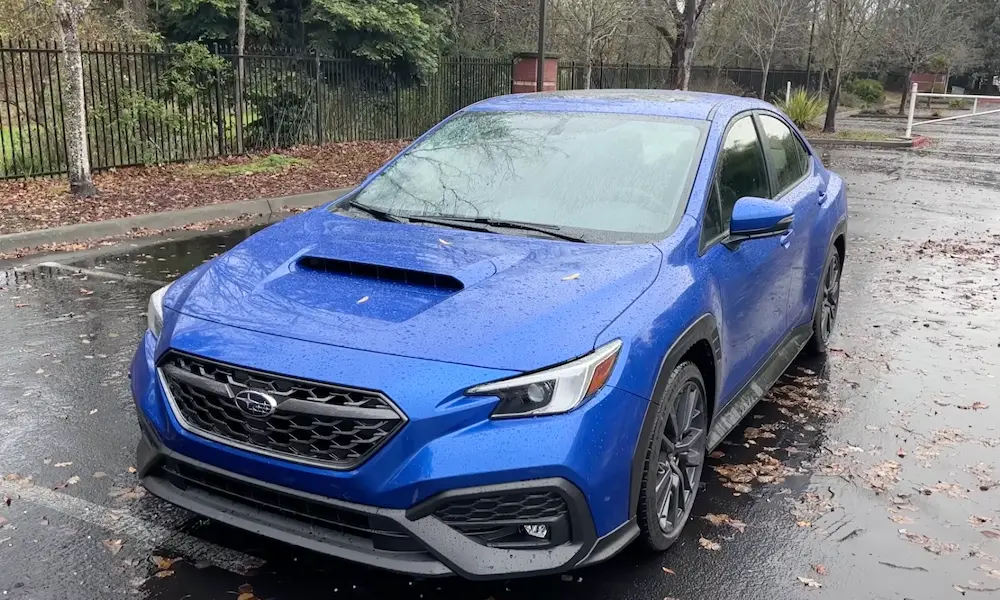
Good news if you drive a turbocharged Subaru! The WRX, STI, and other turbo models experience fewer head gasket failures thanks to their more robust multi-layer steel gaskets installed from the factory.
When turbo models do require head gasket replacement, costs run higher ($2,000-$3,500) due to increased complexity and specialized parts. However, the lower failure rate often makes this a worthwhile tradeoff for performance enthusiasts.
DIY vs. Professional Repair
For mechanically inclined owners, DIY head gasket replacement presents significant savings opportunities—but comes with substantial risks.
DIY Considerations
If you’re considering the DIY route, here’s what you need to know:
- Parts cost: $200-$700 for gasket sets, head bolts, and seals
- Additional expenses: $100-500 for specialty tools, $200-400 for machine shop services
- Time investment: 15-40 hours for inexperienced mechanics (pros need 8-12 hours)
- Skill level required: Advanced mechanical knowledge essential
The boxer engine layout makes this job particularly challenging. You’ll need to remove numerous components, properly handle timing components, and follow precise torque specifications during reassembly.
Many DIY attempts end up at repair shops after owners encounter complications, ultimately costing more than professional repair would have initially.
Finding the Right Professional
If you choose professional repair (recommended for most owners), these tips will help you find the right shop:
- Independent Subaru specialists often provide the best balance of expertise and cost-effectiveness
- Check reviews specifically mentioning head gasket repairs on Subaru models
- Ask about warranty terms – quality shops offer 3-year/36,000-mile warranties on head gasket work
- Request OEM or high-quality aftermarket parts – multi-layer steel (MLS) gaskets provide superior longevity
- Get itemized quotes showing parts and labor separately
Many owners find that specialized independent Subaru repair facilities offer the best value, combining dealer-level expertise with more reasonable pricing.
Warning Signs of Head Gasket Failure
Catching head gasket issues early can prevent more expensive damage and give you time to shop for competitive repair quotes.
Early Symptoms to Watch For
Be alert for these warning signs:
- Milky, mayonnaise-like substance on oil cap or dipstick
- Sweet smell (coolant) from engine area, especially when warm
- White smoke from exhaust, particularly when engine is cold
- Gradual coolant loss with no visible leaks
- Engine overheating, especially during highway driving or hot weather
- Oil in coolant reservoir or bubbling/foaming coolant
Many Subaru owners first notice issues when their temperature gauge begins climbing during highway driving or when they need to add coolant regularly despite no visible leaks underneath the vehicle.
Using Diagnostic Tests
If you suspect head gasket issues, these diagnostic approaches help confirm the problem:
- Pressure testing the cooling system ($50-150 at most shops)
- Block test kit that changes color when exhaust gases enter coolant
- Cylinder compression test to identify pressure loss between cylinders
- UV dye in coolant to detect external leaks
These tests help distinguish head gasket failure from other less expensive cooling system problems like radiator caps, hoses, or water pumps.
Preventive Measures and Maintenance
While existing head gasket issues require repair, proper maintenance significantly reduces your risk of problems or premature failure.
Cooling System Maintenance
Follow these cooling system best practices:
- Change coolant every 30,000-40,000 miles using Subaru Super Coolant or equivalent
- Check coolant chemistry with test strips to maintain proper pH levels
- Clean battery terminals and ensure proper grounding to prevent electrolysis
- Address minor leaks promptly before they cause overheating
- Replace radiator cap every 60,000 miles to maintain proper system pressure
- Never ignore overheating, even temporary spikes
Maintaining clean coolant with the proper chemical composition helps prevent the corrosion that contributes to gasket deterioration in Subaru engines.
Additional Protection Strategies
Some owners and mechanics recommend these additional preventive measures:
- Coolant additives designed to condition gaskets and seal minor leaks
- Slightly modified driving habits to avoid prolonged high-load operation when cold
- Regular oil analysis to detect early signs of coolant contamination
- Aftermarket radiators with increased cooling capacity for older models
While these measures won’t fix existing problems, they may extend the life of borderline gaskets and prevent premature failure in healthy engines.
Timing Belt Considerations
Most professionals recommend combining head gasket replacement with timing belt service when the timing belt is due or approaching its service interval.
Cost Savings with Combined Service
Since the labor for accessing the front of the engine overlaps substantially, combining these services saves money:
- Timing belt service alone: $600-900 at most shops
- Added cost when combined with head gasket work: Only $200-600 extra
- Components typically replaced: Timing belt, water pump, tensioners, idler pulleys
This approach makes financial sense because approximately 60% of the labor for timing belt service is already covered in the head gasket replacement procedure.
When to Combine Services
Consider these timing belt service intervals when planning head gasket repairs:
- 1996-2004 models: Every 105,000 miles
- 2005-2011 models: Every 105,000 miles
- 2012+ models: Varies by engine (many use timing chains with no set replacement interval)
Even if your timing belt isn’t quite due, replacing it during head gasket repair is smart financial planning if you’re within 20,000-30,000 miles of the recommended interval.
Geography and Shop Selection Impact
Where you live and which repair facility you choose dramatically affects your final bill.
Regional Cost Variations
Regional labor rates create substantial variations across markets:
- Major cities: $150-250/hour labor rates, $3,000-5,500 total cost
- Suburban areas: $100-175/hour labor rates, $2,000-3,500 total cost
- Rural areas: $75-125/hour labor rates, $1,500-3,000 total cost
These differences reflect varying overhead costs and market competition, with the same repair potentially costing twice as much in expensive metropolitan markets compared to rural areas.
Dealership vs. Independent Shop
Your choice between dealership and independent repair significantly impacts cost:
| Aspect | Dealership | Independent Shop | Independent Subaru Specialist |
|---|---|---|---|
| Cost | Highest ($2,000-$3,500+) | Moderate ($1,500-$2,500) | Moderate to High ($1,800-$2,800) |
| Parts Quality | OEM | Varies | Often OEM or premium aftermarket |
| Expertise | High on newer models | Varies widely | Often excellent on all models |
| Warranty | Often longest | Varies | Often comparable to dealer |
Independent Subaru specialists frequently offer the best balance of expertise and cost-effectiveness, with technicians who exclusively work on Subaru vehicles and understand their unique quirks.
Repair or Replace Decision
With repair costs potentially reaching thousands of dollars, some owners face the difficult question of whether to repair their Subaru or replace it.
Economic Considerations
Consider these factors when making your repair-or-replace decision:
- Vehicle age and mileage: Newer vehicles with lower miles justify higher repair investments
- Overall vehicle condition: Multiple pending repairs may tip the scales toward replacement
- Current market value: Repair makes less sense if it exceeds 75% of the vehicle’s value
- Replacement costs: Consider not just purchase price but taxes, fees, and potential financing
- Expected future reliability: Post-repair Subarus often deliver another 100,000+ reliable miles
Many owners find that properly performed head gasket repair is often more economical than vehicle replacement, particularly given Subaru’s strong resale values and long-term reliability.
Warranty Coverage Options
Factory warranty rarely covers head gasket failures on older models, but you do have options:
- Factory warranty: Typically covers only within 3-year/36,000-mile period
- Goodwill repairs: Some owners successfully negotiate partial coverage with Subaru of America
- Used car warranties: Most exclude head gasket coverage as a “known issue”
- Repair facility warranties: Quality shops offer 1-3 year warranties on their work
If your Subaru is relatively new with low mileage, contact Subaru customer relations – some owners report receiving goodwill assistance, especially with well-documented maintenance records.
Choosing Quality Parts for Lasting Repair
The parts and procedures used during head gasket replacement significantly impact how long the repair lasts.
Essential Quality Components
These components are worth investing in during head gasket replacement:
- Multi-layer steel (MLS) gaskets provide superior longevity over composite gaskets
- OEM or equivalent head bolts with proper torque specifications
- Professional head resurfacing ensures optimal sealing surface
- Complete cooling system refresh including thermostat, radiator cap, and hoses
- Quality coolant matching Subaru specifications
Many head gasket failures recur because of inadequate parts or incomplete repairs that don’t address contributing factors like cooling system components.
What to Demand in a Quality Repair
A properly executed head gasket replacement should include:
- Pressure testing after repair to verify complete sealing
- Fresh coolant meeting manufacturer specifications
- New head bolts (never reuse old ones)
- Thoroughly cleaned mating surfaces with no gasket residue
- Complete timing belt service (if applicable)
- Written warranty covering both parts and labor
Don’t hesitate to ask repair facilities about their specific procedures and warranty terms before committing to the repair.
Common Questions About Subaru Head Gasket Issues
Here are direct answers to the most common Subaru head gasket questions:
How long do Subaru head gasket repairs last?
Quality repairs typically last 100,000+ miles when performed correctly with premium parts and proper cooling system maintenance.
Can I drive with a failing head gasket?
Not recommended. Continuing to drive can cause overheating, leading to warped heads or severe engine damage that significantly increases repair costs.
Did Subaru fix the head gasket problem in newer models?
Yes, most models built after 2012 use redesigned engines with significantly improved head gasket reliability.
Will adding head gasket sealer fix my Subaru?
No, chemical sealers provide only temporary relief for minor leaks. They cannot repair the type of failure common in Subaru engines and may cause additional problems.
Is head gasket repair covered under warranty?
Rarely. Standard warranties cover it only during the initial 3-year/36,000-mile period, and extended warranties typically exclude it as a known issue.
How much more do dealerships charge for head gasket replacement?
Typically 20-40% more than independent shops, with total costs often $2,000-$3,500 versus $1,200-$2,500 at independent mechanics.
Head gasket replacement represents a significant but worthwhile investment for many Subaru owners. With proper repair and maintenance, your Subaru can deliver many more years of the reliable, capable performance that made the brand popular in the first place.