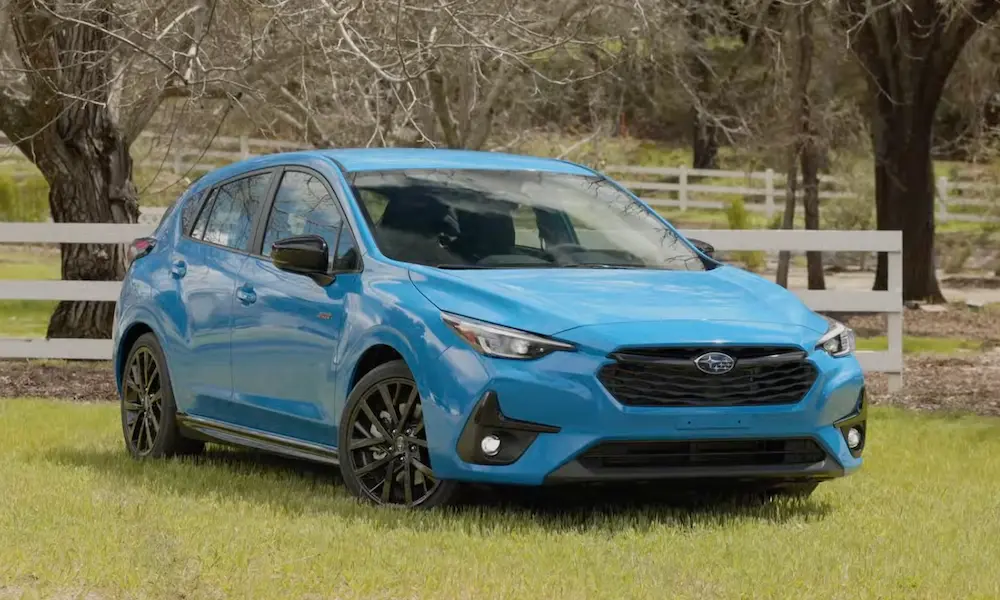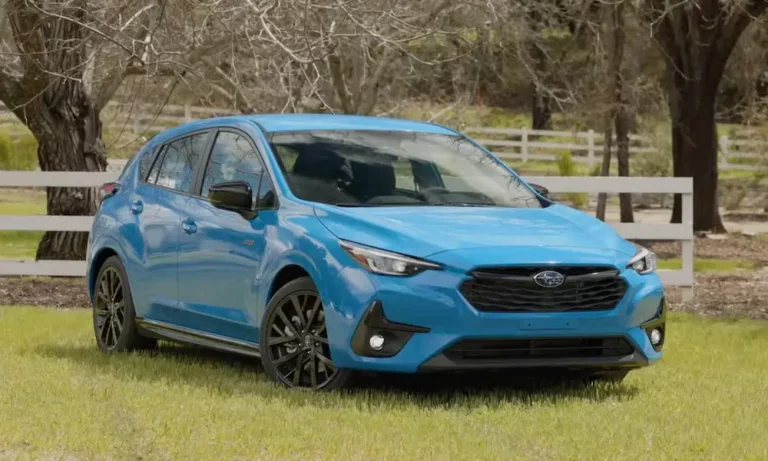
Wondering how to keep your Subaru Impreza running smoothly for years to come? A well-maintained Impreza can easily reach 200,000+ miles, but only if you follow the right service schedule. The boxer engine and AWD system that make your Subaru special also require specific maintenance to stay in top shape. Let’s break down exactly what needs doing and when, so you can protect your investment and avoid those unexpected repair bills.
The A-B-C-D Service Classes: What You Need to Know
Subaru organizes maintenance into four repeating service classes that build on each other. This system makes it easy to track what your car needs and when.
| Service Class | Interval | What’s Included | Builds On |
|---|---|---|---|
| A | Every 6,000 miles/6 months | Oil & filter change, battery check, fluid top-offs, tire inspection | — |
| B | Every 12,000 miles/12 months | All A tasks plus tire rotation, brake inspection/cleaning, coolant test | A |
| C | Every 36,000 miles/36 months | All B tasks plus brake fluid replacement, fuel injector service, PCV valve check | B |
| D | Every 60,000 miles/60 months | All C tasks plus spark plug replacement, transmission & differential fluid changes | C |
This schedule follows Subaru’s official maintenance guidelines for North American Impreza models 2012 and newer.
Why Following This Schedule Matters
Your Impreza’s boxer engine sits lower and flatter than conventional engines, creating unique maintenance needs. The standard AWD system also distributes power to all four wheels, generating more heat and drivetrain load than typical front-wheel-drive cars.
Regular maintenance:
- Prevents premature wear on expensive drivetrain components
- Maintains optimal fuel economy (saving you money at the pump)
- Preserves resale value with documented service history
- Retains warranty protection
- Reduces the chance of unexpected breakdowns
Skipping scheduled maintenance might save money short-term, but studies show it leads to significantly higher repair costs down the road.
The Complete Mileage-Based Maintenance Checklist
6,000 Miles (Service A)
This is your basic service that focuses on engine health:
- Synthetic oil and filter change
- Battery load test
- Fluid level check (coolant, brake, washer, transmission, differentials)
- Visual inspection of tires and pressure adjustment
- Check all lights and accessories
Consistent 6,000-mile oil changes are crucial for Subaru’s boxer engines, as they tend to run hotter than inline engines.
12,000 Miles (Service B)
At this point, you’ll add:
- Everything in Service A
- Tire rotation (front-to-rear)
- Remove wheels to clean and measure brake pads/rotors
- Inspect axle boots, steering, and suspension bushings
This service helps ensure even tire wear, which is especially important for AWD systems. Uneven tire wear can damage your Impreza’s center differential.
18,000 Miles
Return to Service A basics.
24,000 Miles
Repeat Service B, with special attention to:
- Brake wear patterns
- Cooling system hoses
- Exhaust system integrity
30,000 Miles
Service A plus:
- Battery service (cleaning terminals)
- Lubrication of door hinges and hood latches
- Check for any fluid leaks developing
36,000 Miles (Service C)
This is your first major service:
- All Service B items
- Flush and replace brake fluid (it’s hygroscopic, meaning it absorbs moisture)
- Service fuel injectors
- Inspect all emission control hoses
- PCV valve check or replacement to prevent oil seal leaks
42,000 / 48,000 / 54,000 Miles
Continue the A-B rotation as before.
60,000 Miles (Service D)
This is the first “major” service and includes:
- All Service C tasks
- Replace spark plugs (iridium for 2.0L engines, platinum for WRX/STI turbo models)
- Drain and fill CVT or manual transmission fluid
- Drain and fill both front and rear differential fluids
- Comprehensive cooling system pressure test
This service is critical for long-term drivetrain health. The 60,000-mile mark is where neglected maintenance often starts causing expensive problems.
72,000 Miles
Return to Service C.
90,000 Miles
Service A, typically includes cabin filter replacement, especially if you drive in dusty conditions.
100,000 Miles (Second Service D)
- Repeat all 60,000-mile tasks
- Timing belt inspection for older models
Note that naturally-aspirated EJ engines require timing belt replacement at 105,000 miles, while newer FB engines use a maintenance-free timing chain.
Normal vs. Severe Duty: Do You Need More Frequent Service?
Subaru defines “severe duty” as any of the following conditions:
- Frequent short trips under 5 miles (oil never reaches full operating temperature)
- Stop-and-go urban commuting or extended idling
- Regular driving on unpaved, dusty, or salted roads
- Repeated towing or mountain driving
If even one of these describes your driving habits, you should shorten your service intervals by about one-third. For example, oil changes every 3,750 miles instead of 6,000 for turbocharged models.
Severe duty conditions affect about 70% of urban Impreza owners, though many don’t realize it.
Beyond 100,000 Miles: Keeping Your Impreza Running Long-Term
Higher-mileage Imprezas need special attention in these areas:
Timing Belt (If Equipped)
- Replace at 105,000 miles or 7 years
- Include idlers, tensioner, and water pump
- Newer FB engines use a timing chain that doesn’t require replacement
Coolant System
- Subaru long-life coolant is rated for 11 years/137,000 miles
- Most dealers recommend flushing at 10 years to remove scale
- Watch for any signs of coolant loss
Suspension Components
- Inspect wheel bearings and suspension bushings at every Service B after 100k
- Listen for clunking or rattling over bumps
- Check for uneven tire wear patterns
Transmission Fluid
- Subaru initially labeled CVT fluid as “lifetime”
- Current dealer technical bulletins now recommend changes at 60,000 miles for vehicles that tow or operate in hot climates
Valve Clearance
- FB engines use shim-style valves
- Inspection recommended at 120,000 miles
- Adjustment rarely needed unless you notice ticking noises
What to Expect for Maintenance Costs
| Period | Dealer Service Cost* | What’s Included |
|---|---|---|
| Years 0-3 (36k mi) | $1,100-1,400 | Three Service A, one B, one C |
| 60k Major Service | $800-1,300 | Spark plugs and fluid replacements |
| Years 0-10 (120k mi) | $6,000-6,500 | All scheduled maintenance |
*Based on dealer pricing; independent shops typically charge 15-25% less. CarEdge data shows costs rise significantly for WRX/STI models due to pricier plugs, synthetic 5W-30 oil requirements, and intercooler service.
DIY vs. Dealer Service
Many Impreza owners handle basic maintenance themselves. Here’s what you can reasonably DIY:
Good DIY Tasks:
- Oil and filter changes
- Air filter replacement
- Tire rotations
- Battery maintenance
- Cabin filter replacement
Leave to the Professionals:
- CVT/transmission service
- Timing belt replacement
- Major brake work
- Differential fluid changes
7 Owner Best Practices for Maximum Reliability
- Check oil monthly — FB engines can consume up to 0.6 quarts per 1,000 miles during hard driving.
- Use the right oil — 0W-20 full synthetic for 2012+ naturally-aspirated models; 5W-30 synthetic for turbo WRX/STI per Subaru Technical Service Bulletin.
- Rotate tires at every Service B — This equalizes tread wear on the AWD system and prevents center differential binding.
- Document all services in the MySubaru app — Digital logs satisfy warranty requirements and boost resale value.
- Budget for major services — Set aside roughly $75 per month to cover scheduled maintenance and unexpected wear items.
- Address warning lights immediately — Subaru’s warning systems are generally accurate and early indicators of developing problems.
- Use OEM or high-quality parts — The Subaru AWD system is sensitive to component quality, especially for brake pads and clutch components.
Early Warning Signs You Shouldn’t Ignore
Watch for these indicators that your Impreza needs attention:
- Oil consumption increasing suddenly
- New vibrations or sounds when cornering
- Brake pedal pulsation
- CVT “juddering” or hesitation
- Blue tint to exhaust smoke
- Difficulty starting when engine is hot
The Economic Argument for Regular Maintenance
The numbers tell the story: maintaining your Impreza properly costs less than addressing preventable failures. According to Edmunds, Imprezas with documented maintenance histories command 15-20% higher resale values than those with spotty records.
Recent NHTSA data shows that properly maintained Subaru vehicles have fewer safety-related failures, particularly in braking systems and steering components.
Model-Specific Considerations
Different Impreza generations have unique service needs:
2012-2016 Models
- More sensitive to oil quality
- May need valve cover gasket attention after 80,000 miles
- Watch front control arm bushings
2017-2022 Models
- Improved FB engine design with less oil consumption
- CVT programming updates available
- Infotainment system updates important
2023+ Models
- Latest generation with reinforced suspension components
- Updated CVT requires specific fluids
- New electronic brake system with different service procedures
Finding a Good Subaru Specialist
If dealer prices seem steep, consider:
- Independent Subaru specialists
- ASE-certified general shops with Subaru experience
- Asking local Subaru owner groups for recommendations
A good Subaru specialist should be familiar with:
- Boxer engine quirks
- All-wheel drive system adjustment
- CVT maintenance protocols
- Subaru-specific diagnostic equipment
Prevention Is Cheaper Than Repair
Maintaining your Subaru Impreza isn’t just about following a schedule—it’s about protecting your investment. The Centennial Subaru service team reports that Imprezas with consistent maintenance typically limit unscheduled repairs to less than one visit per year in the first decade of ownership.
By combining regular dealer servicing with monthly fluid checks and proactive adjustments for severe-duty driving, your Impreza can reliably deliver 200,000+ miles of all-weather performance. The initial investment in maintenance pays dividends in reliability, safety, and retained value throughout your ownership experience.