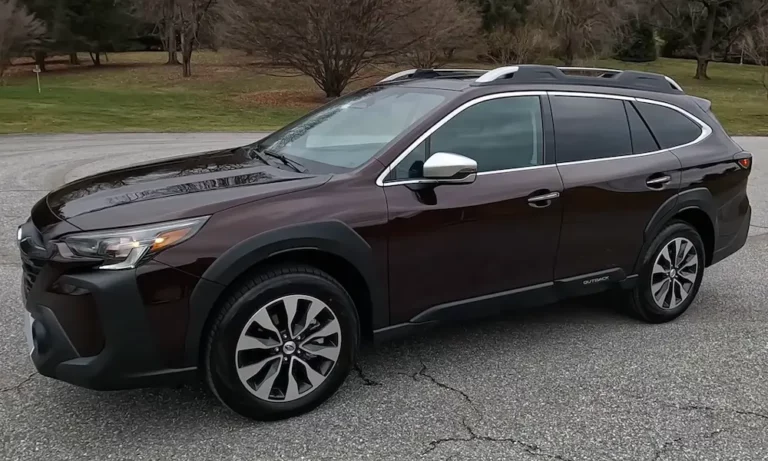
Ever packed up your Outback for an adventure only to wonder if you’re overloading your roof? You’re about to discover exactly how much weight your Subaru Outback roof can safely handle, whether you’re hauling bikes for a weekend trip or mounting a rooftop tent for extended camping. I’ll break down the specific numbers, explain the crucial difference between static and dynamic weight limits, and help you avoid costly mistakes.
What Is the Subaru Outback Roof Rack Weight Limit?
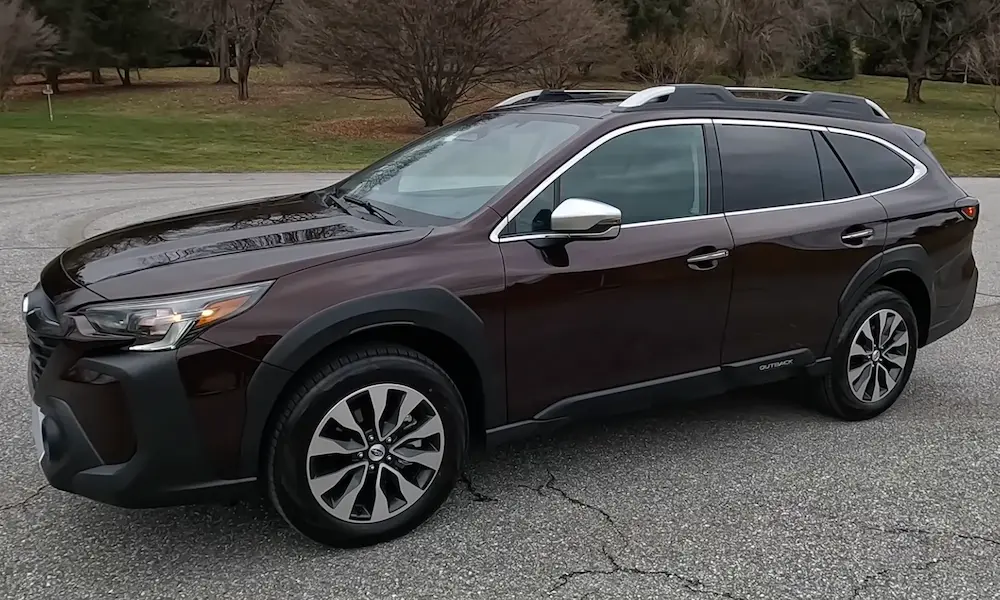
The Subaru Outback roof rack weight limit varies based on your specific model and whether you’re driving or parked. For standard Outback models (2015-2025), you’re looking at a dynamic (driving) weight capacity of 150-176 pounds. This means while your vehicle is in motion, everything on your roof combined—including the rack itself—shouldn’t exceed this limit.
When you’re parked (static loading), that capacity jumps significantly to 650-700 pounds, giving you much more flexibility for camping setups.
The Outback Wilderness model offers upgraded capacity with a 220-pound dynamic limit and the same 700-pound static limit as standard models.
Here’s a quick reference table showing the weight limits across models:
| Model | Dynamic Weight Limit (Driving) | Static Weight Limit (Parked) |
|---|---|---|
| Standard Outback (2015-2025) | 150-176 lbs | 650-700 lbs |
| Outback Wilderness | 220 lbs | 700 lbs |
| With Factory Crossbars Only | 150 lbs | 650-700 lbs |
Dynamic vs. Static Weight Limits Explained
The distinction between dynamic and static weight capacities is crucial but often misunderstood. Let me break it down:
Dynamic weight capacity refers to the maximum weight your roof can safely carry while the vehicle is in motion. This limit is lower because it accounts for additional forces from acceleration, braking, cornering, and road vibrations that can multiply the effective weight on your roof rack.
Static weight capacity applies when your vehicle is parked. With the car stationary, the roof only needs to support the direct downward force of gravity, allowing for much higher weight limits.
For example, if you’re considering a rooftop tent setup, you might need to keep the tent under 130 pounds for driving (considering rack weight too), but once parked, the 650-700 pound capacity could easily support multiple sleepers.
Factory vs. Aftermarket Crossbars: Does It Matter?
Yes, your choice of crossbars significantly impacts your carrying capacity. The factory integrated crossbars that swing out from the Outback’s roof rails have a maximum capacity of 150 pounds. That’s enough for a pair of kayaks or a few bikes, but might limit heavier gear setups.
Aftermarket crossbars can potentially increase your capacity up to your vehicle’s maximum roof limit. For standard Outbacks, properly rated aftermarket crossbars might support up to 176 pounds, while Wilderness models could utilize their full 220-pound dynamic capacity with appropriate aftermarket systems.
Remember: The weakest component in your roof system dictates your real carrying capacity. Even with heavy-duty aftermarket crossbars, you can’t exceed the roof structure’s fundamental limits.
How to Calculate Your Available Cargo Capacity
Many Outback owners make a critical mistake by ignoring the weight of the rack system itself. Here’s how to calculate your actual available capacity:
- Start with your vehicle’s dynamic weight limit (150-220 pounds depending on model)
- Subtract the weight of your roof rack system and crossbars (typically 30-50 pounds)
- The remainder is your available cargo capacity
For example, if your standard Outback has a 176-pound limit and your rack system weighs 46 pounds, you only have 130 pounds remaining for gear while driving.
This calculation becomes especially important for rooftop tents, which often weigh 100-150 pounds before adding occupants.
Can I Put a Rooftop Tent on My Subaru Outback?
Yes, you can mount a rooftop tent on your Subaru Outback, but you need to be strategic about weight management:
For standard Outbacks, look for lighter tents under 130 pounds. When combined with your rack weight, this keeps you within the 150-176 pound dynamic limit for driving safely to your destination.
The Outback Wilderness model can accommodate heavier tents up to the 220-pound dynamic limit, making it a better choice if rooftop camping is your priority.
The good news is that once you’re parked at your campsite, the static weight capacity of 650-700 pounds means you can sleep multiple people in your tent without exceeding limits.
Common Misconceptions About Roof Rack Limits
There’s a lot of confusion about roof rack weight limits, even among Subaru dealers and sales staff. Let me clear up the most common misconceptions:
“The listed weight limits are extremely conservative” – While Subaru’s ratings do include safety margins, they’re established through engineering tests that account for worst-case scenarios like emergency maneuvers and impacts. Exceeding them consistently increases risk and stress on your vehicle’s structure.
“Dynamic and static weight are the same thing” – As we’ve covered, they’re completely different measurements with very different limits. Confusing these could lead to dangerous overloading.
“My friend carries more weight and has no problems” – Just because nothing has broken yet doesn’t mean it’s safe. Structural damage can accumulate over time before suddenly failing, and exceeding manufacturer recommendations could void warranties.
How to Maximize Your Roof Carrying Capacity
Want to safely get the most from your Outback’s roof? Here are practical strategies:
Upgrade to aftermarket crossbars – Quality aftermarket crossbars can provide improved weight distribution and potentially higher capacities up to your vehicle’s maximum limit.
Consider a Wilderness model – If you frequently carry heavy roof loads, the Outback Wilderness with its 220-pound dynamic capacity might be worth the upgrade.
Distribute weight properly – Place heavier items centered and as low as possible. Uneven loading creates additional stress on your rack system.
Use the inside of your vehicle first – Reserve your roof space for bulky, lightweight items that won’t fit inside. Heavier gear belongs inside your vehicle where possible.
Impact of Overloading Your Roof Rack
Exceeding your Subaru’s roof rack weight limit isn’t just about breaking components. The consequences extend to:
Handling changes – A heavy roof load raises your vehicle’s center of gravity, making it more prone to tipping during emergency maneuvers or strong crosswinds.
Fuel economy reduction – Even properly loaded roof racks can reduce fuel efficiency by 2-8%. Overloaded racks make this worse through increased weight and aerodynamic drag.
Roof and structure damage – Consistent overloading can cause gradual deformation of your roof panel, damaged mounting points, and stressed seals that may lead to water leaks.
Safety risks – In a collision or emergency stop, an overloaded roof rack creates additional forces that weren’t factored into your vehicle’s safety design.
Finding Your Specific Model’s Weight Limits
The weight limits provided in this article apply to most recent Outback models, but for absolute certainty:
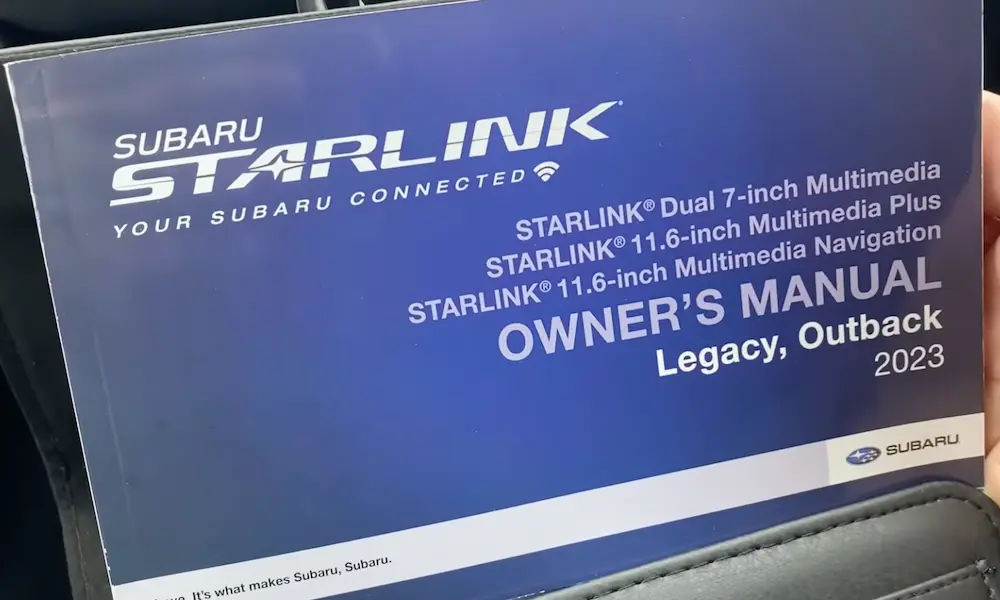
- Check your owner’s manual, which should have the exact specifications for your model year and trim level
- Look for a sticker on the roof rail itself, which sometimes lists weight capacities
- Contact Subaru customer service with your VIN for vehicle-specific information
The official Subaru accessories brochure for your model year can also provide accurate ratings for factory roof rack systems.
Real-World Weight Examples for Common Gear
To give you a better sense of what your Outback can safely carry, here are typical weights for common roof cargo:
- Pair of kayaks with mounting hardware: 80-120 pounds
- Average mountain bike with mount: 30-40 pounds
- Rooftop cargo box: 30-80 pounds (empty)
- Typical rooftop tent: 100-150 pounds (without occupants)
- Roof rack system: 30-50 pounds
This helps explain why many Outback owners need to be selective about their gear combinations to stay within the 150-176 pound dynamic limit.
Signs Your Roof Rack Is Overloaded
Pay attention to these warning signs that might indicate you’re exceeding your Outback’s roof capacity:
- Sagging or visible depression in the roof panel
- Unusual wind noise or whistling from the rack system
- Crossbar or mounting point movement/wiggling
- Changes in vehicle handling, especially during cornering
- Visible strain or bending in crossbars or mounting hardware
If you notice any of these symptoms, redistribute or reduce your load immediately to prevent damage or safety issues.
Can I Increase My Outback’s Roof Weight Limit?
The short answer is no—you cannot increase the fundamental weight limits of your Outback’s roof structure, which are determined by the vehicle’s engineering and materials.
What you can do is ensure you’re utilizing the full capacity by:
- Installing the highest-quality crossbars rated for your vehicle’s maximum
- Using accessories specifically designed for heavy loads
- Upgrading to a Wilderness model if you consistently need the higher 220-pound capacity
Remember that aftermarket modifications claiming to increase your roof capacity beyond factory specifications will likely void your warranty and create potential safety hazards.
The Bottom Line on Subaru Outback Roof Rack Weight Limits
Your Subaru Outback’s roof rack is an incredibly versatile feature that extends your adventure capabilities—when used properly. The dynamic weight limit of 150-176 pounds (220 for Wilderness) allows for carrying essential gear, while the impressive static capacity of 650-700 pounds makes rooftop camping entirely feasible once you’re parked.
By understanding the difference between dynamic and static loads, accounting for the weight of your rack system, and choosing appropriate gear, you’ll get the most from your Outback’s roof capacity while preserving your vehicle’s integrity and your warranty coverage.
Whether you’re planning a weekend getaway or a cross-country expedition, staying within these established limits ensures your adventures remain safe and your Outback remains reliable for years to come.