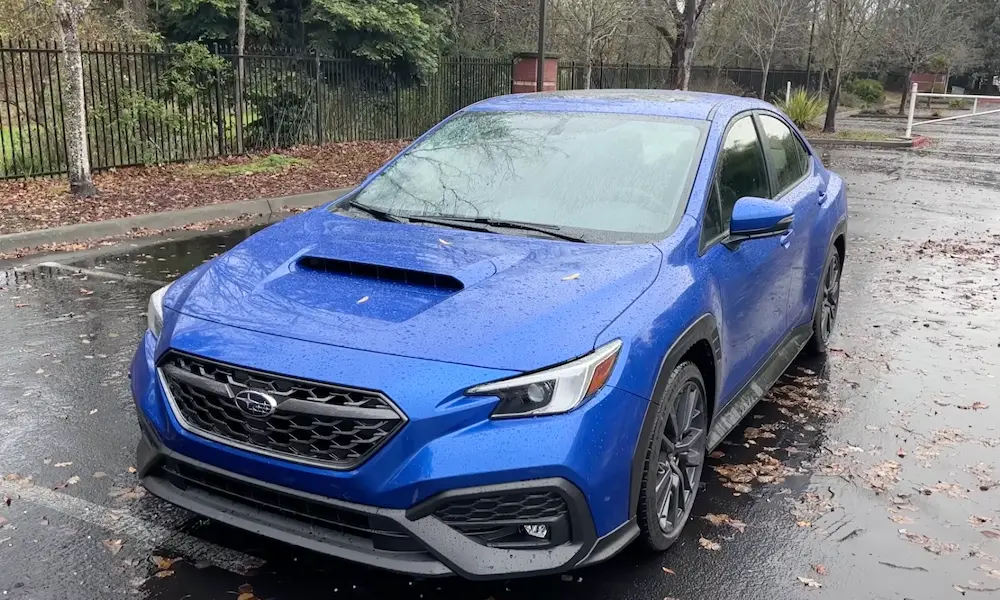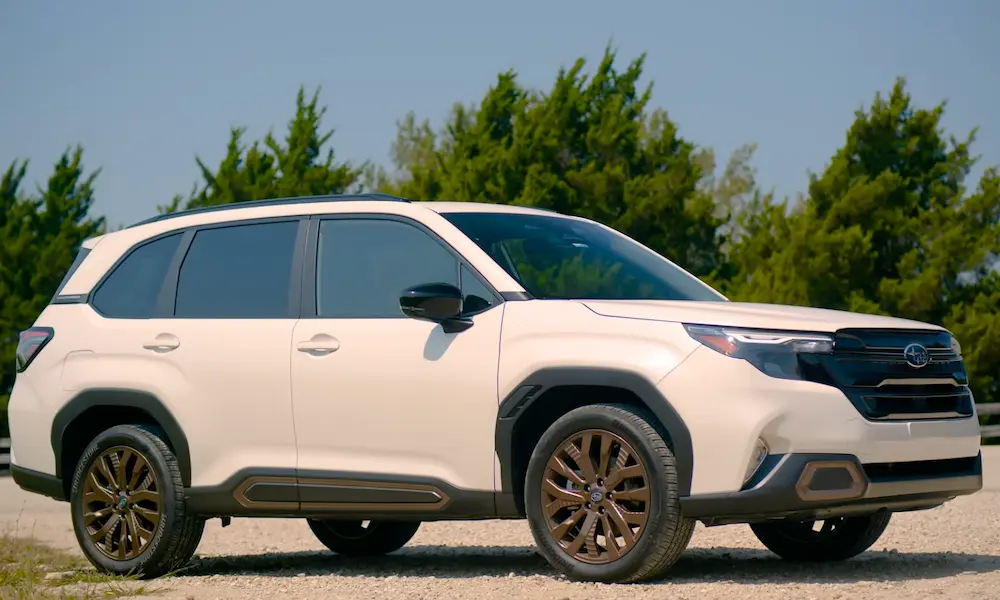
Tired of high mechanic bills just to change your Subaru’s spark plugs? The boxer engine design makes this maintenance task uniquely challenging, but with the right tools and know-how, you can tackle it yourself. This guide walks you through the entire process of replacing spark plugs on different Subaru models, helping you save hundreds while keeping your car running smoothly.
Why Subaru Spark Plug Replacement Is Different
Subaru’s signature boxer engine layout creates unique challenges when it comes to maintenance. Unlike conventional engines where spark plugs sit on top, Subaru positions them horizontally within the valve covers.
This design offers fantastic benefits for handling and balance, but creates a headache when it’s time for spark plug service. The horizontal layout means you’ll be working from the sides of the engine bay rather than from above.
Different Subaru models present varying difficulty levels:
| Engine Type | Difficulty | Time Required | Average Cost Savings |
|---|---|---|---|
| FB20/FB25 (2012+) | Moderate | 1-2 hours | $175-250 |
| EJ25 Non-Turbo | Challenging | 2-3 hours | $200-300 |
| EJ257/EJ255 Turbo | Very Challenging | 3-4 hours | $300-500 |
| H6 (EZ30/EZ36) | Mixed | 2-3 hours | $250-350 |
Tools You’ll Need for Success
The right tools make all the difference when working on a boxer engine. Here’s your essential toolkit:
- 5/8″ or 14mm spark plug socket with rubber insert
- Ratchet with various extension bars (3″, 6″, and flexible)
- Torque wrench (crucial for proper installation)
- 10mm and 12mm sockets for coil pack removal
- Magnetic retrieval tool (for the inevitable dropped parts)
Pro tip: The ARES 5/8-inch spark plug socket with built-in extension is highly recommended by Subaru enthusiasts for its effectiveness in tight spaces.
Choosing the Right Spark Plugs
Selecting the correct spark plugs is critical for your Subaru’s performance:
For Naturally Aspirated Engines:
Most non-turbo Subarus use NGK spark plugs with a 0.044-inch (1.1mm) gap. Common OEM part numbers include 22401AA781 for FB25 engines in 2011-2017 Foresters and 22401AA880 for newer Impreza and Crosstrek models.
For Turbocharged Engines:
Turbo models typically require different specifications, such as 22401AA670 (NGK SILFR6A) for EJ257/EJ255 applications. Many performance enthusiasts opt for iridium plugs with finer electrodes for better ignition and longer life.
When to replace? Most naturally aspirated Subarus need new spark plugs every 60,000 miles, while turbocharged models benefit from replacement every 30,000-45,000 miles due to higher operating temperatures and stresses.
FB20/FB25 Engine Spark Plug Replacement
The FB engines found in modern Imprezas, Crosstreks, Foresters and some Legacy models are the most DIY-friendly for spark plug replacement.
Step-by-Step Process:
- Prepare the vehicle: Ensure the engine is completely cool. Disconnect the negative battery terminal.
- Access the plugs:
- Driver’s side: Remove the battery and battery tray
- Passenger side: Remove portions of the air intake system
- Remove the coil packs: Each spark plug has an individual ignition coil secured by a 12mm bolt. Disconnect the electrical connector by pressing the tab and gently pulling. Then remove the bolt and carefully pull the coil straight up.
- Extract the spark plugs: Use your spark plug socket with extensions to carefully remove each plug. Turn counterclockwise and make sure the rubber insert in the socket grips the plug to prevent it from falling.
- Inspect old plugs: Check for abnormal deposits or damage that might indicate other engine issues.
- Install new plugs: Hand-start each plug to prevent cross-threading, then tighten with a torque wrench to manufacturer specifications (typically 13-18 ft-lbs or 18 Nm).
- Reinstall components: Replace coil packs, ensuring the rubber boots seal properly. Reconnect electrical connectors and reinstall the intake components and battery.
The entire process should take 1.5-2 hours for first-timers, with experienced DIYers completing it in under an hour.
EJ25 Non-Turbo Engine Spark Plug Replacement
These engines, found in 2005-2012 Subarus, present moderate difficulty due to tighter clearances.
Key Differences:
- Requires more extensive disassembly, including complete removal of the air cleaner assembly
- May need to raise the engine slightly using a jack for better access (especially on passenger side)
- Expect to spend 2.5-3 hours due to accessibility challenges
- Follow the same basic process as FB engines, but with more components to remove
The toughest plugs to reach are cylinders #2 and #4 on the passenger side. A flexible extension or universal joint adapter will prove invaluable here.
EJ257/EJ255 Turbo Engine Spark Plug Replacement
Turbocharged models like the WRX, STI, and Forester XT present the greatest challenge, but also offer the biggest cost savings.
Special Considerations:
- Extensive component removal required, including air pump, various sensors, and heat shields
- 2004-2008 Forester XT models are notoriously difficult, sometimes requiring partial engine lifting
- Professional installation costs can reach $600-900
- Takes 3-4 hours for most DIYers the first time
- Many performance enthusiasts opt for one-step colder plugs for modified applications
The cramped engine bay of these models makes proper tool selection critical. A set of swivel sockets and thin-wall extensions makes the difference between success and frustration.
Six-Cylinder (H6) Engine Spark Plug Replacement
Subaru’s six-cylinder engines present a unique access pattern:
- Spark plugs positioned at 90-degree angles from the top
- Front four cylinders offer relatively straightforward access
- Rear two cylinders require careful navigation around frame rails
- Typically follow a 30,000-mile replacement interval
Cost Comparison: DIY vs. Professional
The financial benefits of DIY spark plug replacement are substantial:
| Subaru Model | DIY Cost | Professional Cost | Potential Savings |
|---|---|---|---|
| Legacy | $40-80 | $280-350 | $200-270 |
| Crosstrek | $80-110 | $350-414 | $240-334 |
| Forester | $60-100 | $300-380 | $220-280 |
| WRX/STI | $36-90 | $344-600 | $254-510 |
Your actual costs will depend on which spark plugs you choose. Premium iridium plugs cost more upfront but offer extended service life and improved performance, making them worth the investment—especially for turbocharged applications.
Warning Signs Your Subaru Needs New Spark Plugs
Don’t wait until you’re stranded. Watch for these telltale symptoms that your Subaru needs new spark plugs:
- Engine misfires (rough idle, stuttering acceleration)
- Check engine light illumination
- Decreased fuel economy (often 10-20% reduction)
- Difficulty starting, especially in cold weather
- Engine knocking or pinging sounds under load
These symptoms typically appear gradually as plugs wear, giving you time to plan your replacement.
Common Mistakes to Avoid
Even experienced DIYers make these errors when replacing Subaru spark plugs:
- Cross-threading: Always hand-start new plugs before using a socket wrench.
- Improper torque: Under-tightening leads to poor sealing and possible plug ejection; over-tightening can damage threads or crack the ceramic insulator.
- Damaged coil boots: The rubber boots on ignition coils must seal completely against moisture—handle with care.
- Wrong gap setting: Verify the gap on new plugs matches Subaru’s specifications (typically 0.044″ for naturally aspirated engines).
- Working on hot engines: Always allow your Subaru to cool completely before attempting spark plug replacement.
Advanced Tips for Enthusiasts
If you’re looking to maximize performance from your Subaru:
- Consider NGK Iridium IX plugs for improved ignition efficiency in naturally aspirated engines
- Turbocharged models often benefit from one-step colder plugs if you’ve done performance modifications
- Document your plug condition with photos to track engine health over time
- Use anti-seize compound sparingly on plug threads (a tiny amount on the first threads only)
- Consider changing one plug at a time to avoid mixing up firing order
Tools That Make the Job Easier
Invest in these specialized tools if you plan to maintain your Subaru long-term:
- Wobble socket extensions for improved access in tight spaces
- Low-profile spark plug socket
- Magnetic LED inspection light
- Plug wire puller tool to avoid damaging ignition coils
- Engine support bar for better access on turbo models
The Real Value of DIY Spark Plug Replacement
Beyond the immediate cost savings of $200-500, learning to replace your own Subaru spark plugs offers several additional benefits:
- Deeper understanding of your vehicle’s unique boxer engine design
- Early detection of potential engine problems visible on old plugs
- Confidence to tackle other maintenance tasks
- Satisfaction of maintaining your vehicle yourself
- Convenience of performing maintenance on your schedule
The technical knowledge you gain from this process transfers to other maintenance tasks, making you a more capable Subaru owner overall.
When DIY Isn’t Worth It
While most Subaru spark plug replacements are DIY-friendly with the right tools, consider professional installation if:
- You lack the specialized tools and don’t want to invest in them
- Your vehicle has aftermarket modifications that complicate access
- You have physical limitations that make working in tight spaces difficult
- You’re dealing with an extremely high-mileage engine with potentially seized plugs
Making Your New Spark Plugs Last Longer
Extend the life of your newly installed spark plugs with these practices:
- Use high-quality fuel from reputable stations
- Maintain regular oil changes with manufacturer-recommended oil
- Address check engine lights promptly
- Allow your engine to fully warm up before hard acceleration in cold weather
- Consider fuel system cleaning every 30,000 miles
With proper installation and maintenance, quality iridium spark plugs can deliver optimal performance throughout their entire service interval.
Spark Plug Replacement Schedule by Model
Keep your Subaru running smoothly by following these replacement intervals:
- Impreza, Legacy, Outback (non-turbo): Every 60,000 miles
- Forester (non-turbo): Every 60,000 miles
- WRX, STI, Forester XT (turbo): Every 30,000-45,000 miles
- BRZ/FR-S/86: Every 60,000 miles
- H6 models: Every 30,000-60,000 miles depending on year
These intervals should be shortened if you frequently drive in severe conditions (extreme temperatures, short trips, dusty environments) or if you’ve modified your engine for increased performance.
By following this guide, you’ll save hundreds of dollars while gaining valuable mechanical skills and keeping your Subaru running at peak performance. The boxer engine design may make spark plug replacement more challenging, but with patience and the right tools, it’s a rewarding DIY project within reach of most Subaru owners.