Looking for a Jeep Wrangler that won’t leave you stranded on the trail or drain your bank account with repairs? You’re making a smart move by researching reliability first. While Wranglers are legendary for their off-road capability, some model years are definitely more dependable than others. I’ve analyzed reliability data, owner reports, and expert ratings to help you find the Wrangler that offers the best blend of adventure and peace of mind.
How Jeep Wrangler Reliability Is Measured
Before diving into specific years, it’s helpful to understand how experts determine which Wranglers stand above the rest:
- Owner complaint data: The number of reported issues to NHTSA and CarComplaints shows real-world problems at specific mileages
- J.D. Power scores: Their Quality & Reliability rating (0-100 scale) measures both factory defects and long-term durability, with 78 considered “Average” and 80+ “Great”
- Recall severity: Not all recalls are created equal—steering and engine issues are weighted more heavily than minor bugs
- Engineering improvements: Model years that fixed known problems earn higher reliability marks
The Three Most Reliable Jeep Wrangler Generations
The Jeep Wrangler has evolved through several generations, each with its own reliability profile. Three generations stand out as particularly noteworthy:
The TJ Generation (1997-2006)
The TJ Wranglers brought the classic Jeep look with modern coil spring suspension, making them both capable and more comfortable than their predecessors.
Most Reliable Year: 2004
The 2004 TJ stands tall as what many Jeep enthusiasts call the “old-school tank.” This model year offers:
- The legendary 4.0L inline-six engine at its most refined state
- Only 3 NHTSA recalls (far below average for the era)
- Under 300 documented owner complaints
- Common issues like exhaust manifold cracks are inexpensive and well-documented fixes
The 2004 model year also introduced the first Wrangler Unlimited (LJ), which added 10 inches to the wheelbase for better stability and interior space.
The JK Generation (2007-2018)
The JK generation brought the Wrangler into the modern era with more creature comforts and the popular four-door Unlimited model.
Most Reliable Years: 2015-2016
By 2015-2016, Jeep had worked out most of the kinks that plagued earlier JK models:
- Engineers redesigned the Pentastar 3.6L cylinder heads to fix overheating issues
- Electrical problems with the Totally Integrated Power Module (TIPM) were addressed
- Stronger steering dampers helped reduce the infamous “death wobble”
- J.D. Power awarded a 78/100 reliability score—the highest of any JK model
- Only three recalls, all related to air bags rather than major mechanical components
These later JKs offer modern amenities without the headaches of the early production years.
The JL Generation (2018-Present)
The current JL Wrangler delivers improved on-road comfort while maintaining its off-road prowess.
Most Reliable Years: 2021-2022
While the early JL models faced several teething problems, the 2021-2022 Wranglers show impressive reliability:
- J.D. Power awarded the 2022 model an outstanding 86/100 reliability score
- Fewer than 150 NHTSA complaints for 2022 (compared to 1,600+ for the launch-year 2018)
- Structural improvements addressed early frame weld and steering concerns
- Added safety technology without compromising overall dependability
Jeep Wrangler Years to Avoid
Just as important as knowing the best years is understanding which Wrangler model years have poor reliability records:
-
2012 JK: This year marks the peak of cylinder-head failures, TIPM electrical issues, and steering “death wobble” problems. With over 1,400 complaints and 10 recalls, it’s easily the most problematic JK.
-
2018 JL (first year): As the launch year of the new generation, 2018 models suffered from steering system complaints, frame weld recalls, and clutch plate fire risks in manual transmissions.
-
2007-2008 JK: The early JKs came with an underpowered 3.8L V6 prone to oil consumption issues, plus brake line routing problems that led to recalls.
| Generation | Years | Best For Reliability | Common Issues | J.D. Power Score |
|---|---|---|---|---|
| YJ | 1987-1995 | 1995 | Rust, outdated safety | n/a |
| TJ | 1997-2006 | 2004 | Frame rust in salt regions | n/a |
| JK | 2007-2018 | 2015-2016 | Early engine problems, electrical gremlins | 78 (2015) |
| JL | 2018-present | 2021-2022 | First-year steering issues | 86 (2022) |
Reliability Tips When Shopping for a Used Wrangler
Finding a reliable year is just the first step. Here’s what else to look for when shopping:
- Check the front end: Inspect suspension bushings and track bar brackets, as worn components trigger the dreaded wobble in all solid-axle Wranglers
- Run the VIN for open recalls: Some serious recalls like Takata airbag inflators (2007-2016) and clutch fire risks (2018-2023) remain active
- Be wary of extreme modifications: Heavily lifted Wranglers need proper geometry correction to avoid premature wear and handling issues
- Budget for maintenance: Even the most reliable Wranglers still average $645-700 in annual repairs—higher than typical SUVs but lower than other serious off-roaders
Generation-Specific Reliability Insights
TJ Wrangler (1997-2006) Reliability
The TJ generation has developed a strong reputation for mechanical simplicity and durability:
- The 4.0L inline-six engine regularly runs 250,000+ miles with basic maintenance
- Manual transmissions tend to be more reliable than automatics
- Rust is the biggest enemy, particularly on frames and floor pans
- Lower electrical complexity means fewer electronic failures
A well-maintained 2004 TJ represents the sweet spot of mechanical refinement and simplicity before the more complex JK era.
JK Wrangler (2007-2018) Reliability
The JK generation shows a clear reliability improvement curve:
- Early models (2007-2011) with the 3.8L engine had higher complaint rates and poorer reliability scores
- The mid-run models (2012-2014) introduced the better 3.6L Pentastar V6 but still suffered from design flaws
- Later models (2015-2016) benefited from engineering fixes that addressed most chronic issues
The 2015-2016 JKs offer the best balance of modern features and proven reliability within this generation.
JL Wrangler (2018-Present) Reliability
The current JL generation shows the benefits of Jeep’s learning curve:
- The problematic 2018 launch year had nearly 8 recalls including serious frame and steering issues
- By 2021-2022, complaint volumes dropped dramatically as production stabilized
- The 2022 model’s 86/100 J.D. Power score represents the highest reliability rating in Wrangler history
- New engine options like the 2.0L turbo and 4xe hybrid maintain similar reliability to the standard V6
Long-Term Ownership Costs by Generation
Reliability isn’t just about avoiding breakdowns—it’s also about cost of ownership:
- TJ Generation: Lowest parts costs but requires more frequent maintenance; expect $450-550 annually after 100,000 miles
- JK Generation: Mid-range repair costs with more expensive electronic components; averages $600-700 annually
- JL Generation: Highest initial quality but more complex systems; early data suggests $650-750 annual costs
Finding Your Perfect Reliable Wrangler
Depending on your priorities, one of these trustworthy Wranglers might be your ideal match:
- For classic Jeep simplicity: A rust-free 2004 TJ with the bulletproof 4.0L inline-six offers mechanical reliability with easy DIY maintenance.
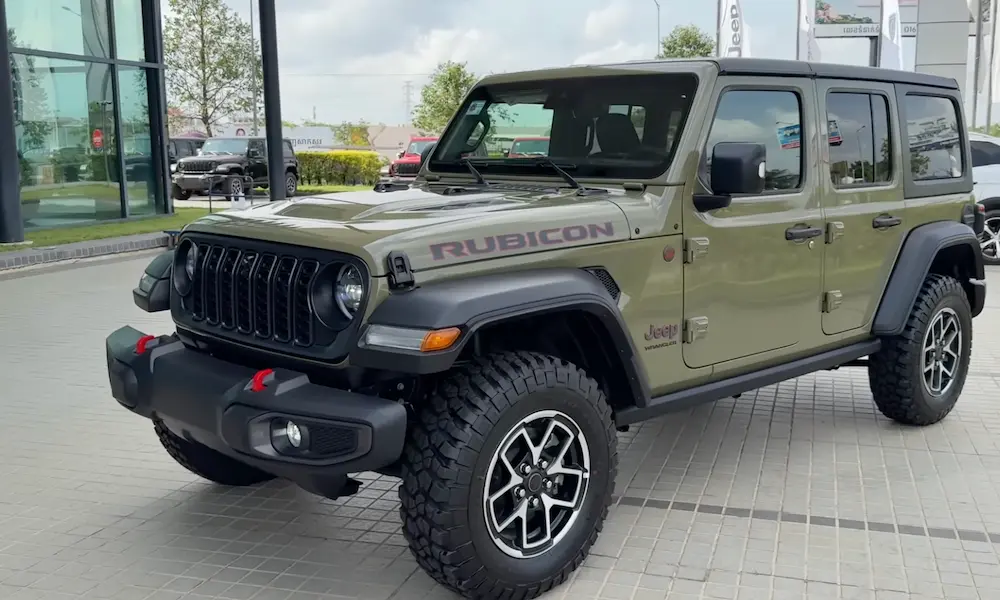
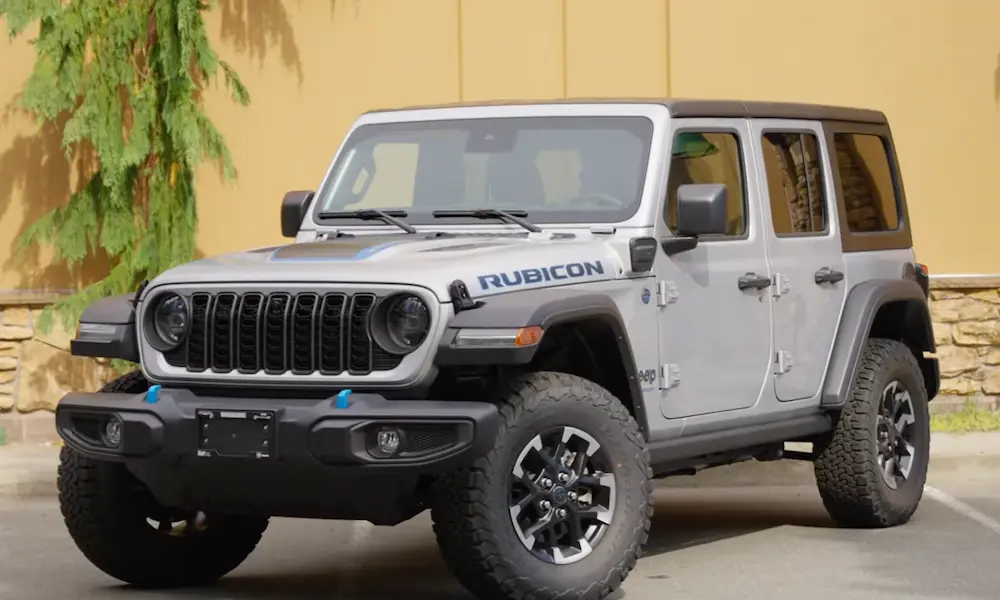
- For modern features with proven durability: A 2015-2016 JK Wrangler (especially Rubicon or Sahara trims) provides electronic conveniences with most bugs worked out.
- For latest technology and safety: The 2021-2022 JL combines modern amenities and the best reliability metrics the Wrangler has ever achieved.
Each reliable Wrangler generation represents a different approach to the same legendary capability. By focusing on these proven model years, you’ll enjoy the freedom of the Jeep lifestyle with fewer visits to the repair shop.
Remember that even the most reliable Wrangler requires proper maintenance. Regular oil changes, suspension inspections, and addressing small issues before they grow will help ensure your Jeep remains a dependable trail companion for years to come.