Got a Chevy Trax, Trailblazer, or Buick Encore GX with the 1.2L Ecotec turbo? You’ve probably heard whispers about engine trouble — and some of those whispers are worth taking seriously. This post breaks down every major 1.2L Ecotec turbo engine problem, what causes it, and exactly what you can do about it before a small issue becomes a $7,000 repair bill.
What Is the 1.2L Ecotec Turbo Engine?
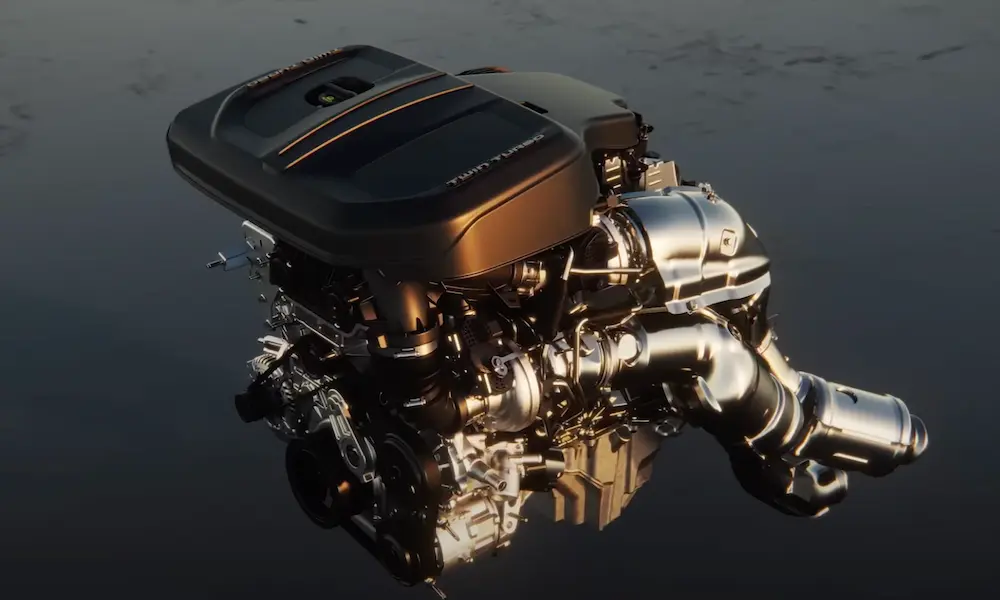
The 1.2L LIH Ecotec is GM’s three-cylinder turbocharged engine. It sits inside the Chevrolet Trax, Trailblazer, Buick Encore GX, and Buick Envista. GM built it to squeeze big torque — 162 lb-ft at just 2,500 RPM — out of a tiny package while keeping fuel costs low.
It’s clever engineering. An aluminum block, dual overhead cams, direct injection, a variable valve timing system, and a turbocharged setup that’s active almost constantly. But “clever” and “bulletproof” aren’t the same thing.
Here’s what you’re working with under the hood:
| Spec | Detail |
|---|---|
| Engine Type | Inline 3-Cylinder Turbocharged |
| Displacement | 1,199 cc / 1.2L |
| Horsepower | 137 hp @ 5,000 rpm |
| Torque | 162 lb-ft @ 2,500 rpm |
| Oil Capacity | 4.2 quarts with filter |
| Required Oil | Full Synthetic SAE 5W-30 (dexos1 Gen 3) |
| Valvetrain | DOHC, 4 valves per cylinder, VVT |
| Fuel System | Spark Ignition Direct Injection (SIDI) |
Now let’s talk about what goes wrong.
The Wet Timing Belt: The Biggest 1.2L Ecotec Turbo Engine Problem
This is the one that keeps mechanics up at night. The 1.2L LIH uses a wet timing belt system — meaning the rubber timing belt lives inside the engine, bathed in oil continuously.
GM claims this reduces friction and noise. That’s true. But it comes with a serious catch.
How the Belt Destroys Itself (and Your Engine)
The failure chain looks like this:
- Fuel dilutes the oil. Short city trips don’t let the engine fully warm up, so unburnt fuel slips past the piston rings into the crankcase
- Acid forms. That fuel-contaminated oil turns acidic
- The belt degrades. Acidic oil attacks the rubber and nylon belt, causing it to soften and shed fibers
- Debris clogs the oil pump pickup. Those fibers migrate to the oil pump screen and form a clog
- Oil pressure drops. The turbo bearings, cam phasers, and crankshaft journals starve for oil
- Engine dies. Often catastrophically
GM published TSB PIP5692A instructing dealers to swap the entire long block — not rebuild — when they find internal noise or oil consumption tied to belt debris. That tells you everything about how seriously GM takes this failure.
What the Symptoms Look Like
| Symptom | What It Means |
|---|---|
| High-pitched whining | Belt fraying or tensioner bearing wear |
| Ticking or clicking | Tooth separation — timing jump risk |
| Rough idle or misfires | Belt stretch throwing off cam/crank timing |
| Low oil pressure warning light | Oil pump pickup is clogged — stop driving immediately |
The owner’s manual says the belt lasts 150,000 miles. Independent technicians strongly disagree, recommending replacement at 60,000 to 80,000 miles to avoid total engine loss. City drivers who take lots of short trips face the highest risk.
Turbocharger Problems: P0299 Underboost and Oil Coking
Because this engine’s displacement is so small, the turbocharger works hard under nearly every driving condition — including light highway cruising. That constant load creates specific failure patterns.
The P0299 Underboost Code
A P0299 “Turbocharger Underboost” code means the engine isn’t hitting its commanded boost target. You’ll feel a noticeable power loss — the kind that makes highway merging genuinely stressful.
The main causes in the 1.2L LIH:
- Cracked turbine housing — Heat from the integrated exhaust manifold causes hairline cracks that let exhaust gases bypass the turbine wheel
- Electric wastegate actuator failure — Thermal stress or moisture causes the actuator to bind or fail electronically
- Oil coking in feed lines — High heat turns oil into carbon sludge inside the turbo’s feed lines, starving the shaft bearings and causing excessive shaft play and eventual seizure
Oil Consumption Through the Turbo
Failed turbo seals leak oil into the intake tract or exhaust stream. You’ll see blue or gray smoke from the tailpipe, fouled spark plugs, or a mysterious drop in oil level between services.
That last one matters more than it sounds. This engine only holds 4.2 quarts total. Losing one quart means you’re running on 75% of your full oil volume — and that accelerates wear on everything else, especially the timing belt.
Cooling System Problems
The 1.2L LIH uses what GM calls “Active Thermal Management” — a complex network of valves and sensors that control coolant flow to help the engine warm up faster. It works well when everything’s healthy. When parts start failing, it’s a headache.
Coolant Flow Control Valve (DTC P26BB)
GM TSB 21-NA-256 specifically addresses the Coolant Flow Control Valve and DTC P26BB. This valve replaces the traditional thermostat in E-Turbo applications. When it fails, the engine either can’t shed heat under load or takes forever to reach operating temperature — neither is good.
Plastic Parts That Don’t Age Well
The cooling system uses plastic for the reservoir, water pump housing, and various fittings. All of that plastic lives near the turbocharger and integrated exhaust manifold — a brutally hot neighborhood.
Over time, these parts become brittle and crack, creating slow leaks that are tricky to diagnose but dangerous to ignore.
| Cooling Component | Common Failure | Consequence |
|---|---|---|
| Coolant reservoir | Hairline cracks from heat cycles | Constant low coolant, air in system |
| Water pump | Bearing or seal failure | Puddles under car, overheating |
| Flow control valve | Binding or electronic failure | Incorrect temperature, P26BB code |
| Plastic turbo fittings | Heat degradation | Sudden, complete coolant loss |
One important note: this engine uses an aluminum block and head. It has almost zero tolerance for overheating. Even a brief temperature spike into the red can warp the cylinder head or blow the head gasket — which typically means an engine swap, not a patch job.
Direct Injection Carbon Buildup
Direct injection sprays fuel straight into the combustion chamber. That sounds great for efficiency, and it is — but it means fuel never washes over the back of the intake valves.
Instead, oil vapors from the PCV system bake onto the hot valve surfaces. The result is hard carbon deposits that build up over time.
The problems this causes:
- Power loss — Restricted airflow cuts horsepower, especially at higher RPMs
- Rough idle — Carbon disrupts the careful intake airflow design
- Cold start misfires — Large deposits absorb fuel during startup and cause stumbling
The fix is a walnut shell blasting service or professional air induction clean every 50,000 to 75,000 miles. City drivers who never push the engine hard should stick to the shorter interval, since low valve temperatures allow deposits to accumulate faster.
LSPI, Connecting Rod Failures, and the Class-Action Lawsuit
This is the most serious item on the list. A class-action lawsuit covering 2021–2023 models alleges that the 1.2L LIH suffers from defective pistons and connecting rods.
What Is LSPI?
Low-Speed Pre-Ignition (LSPI) is a phenomenon in small turbocharged direct-injection engines where fuel ignites before the spark plug fires. It generates extreme cylinder pressure — enough to shatter a piston or snap a connecting rod.
A thrown rod in this engine means a connecting rod punches through the aluminum block. That’s not a repair — it’s a replacement. These failures typically happen under load at highway speeds.
GM issued emission recall A242435780-01 for 2024 models, updating spark timing to address engine knock after auto-stop events — widely seen as a proactive move to reduce LSPI-related failures.
If your engine develops a knock that a dealer diagnoses as rod bearing wear, tie it to your oil change history immediately. Running this engine even slightly low on oil accelerates bearing clearance wear fast.
Vibration, Turbo Lag, and the “Turbo Lurch”
These aren’t catastrophic failures, but they affect daily driving quality.
Three-cylinder vibration is a built-in characteristic of the I3 design. GM uses a stiffer crankshaft, retuned harmonic balancer, and active noise cancellation to manage it — but owners still report vibration at idle, especially when the A/C is running or the engine is cold. Worn motor mounts make it worse.
The “turbo lurch” is that jerky surge you feel during acceleration. The engine has very little torque before boost builds. When you press the accelerator, there’s a brief pause — then 162 lb-ft arrives all at once. In the 6-speed automatic used in the 2024 Trax, this often coincides with a downshift, making the jerk worse. Calibration updates help, but physics wins in the end.
Throttle Body Issues and the “Reduced Engine Power” Warning
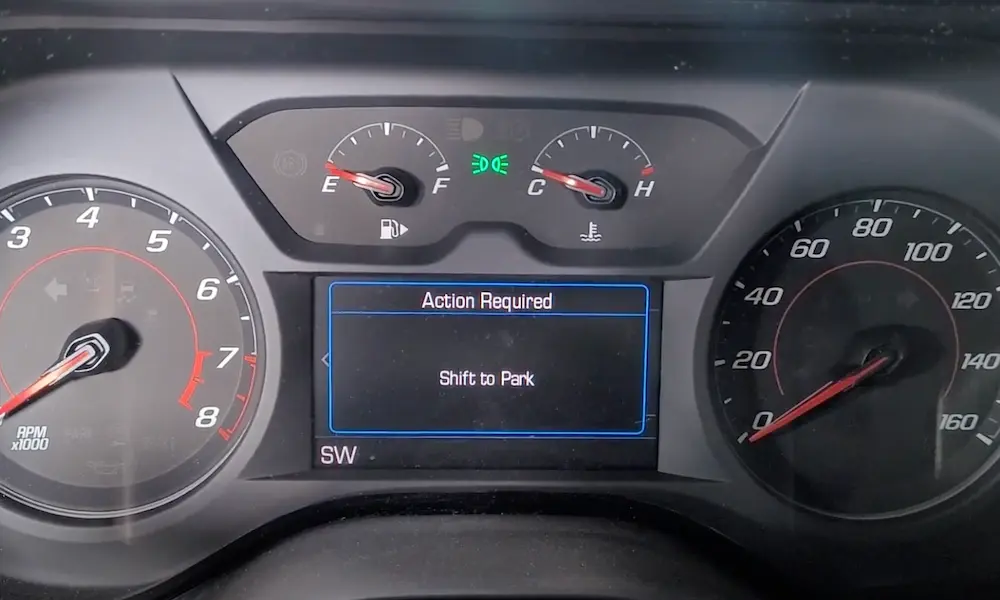
The 1.2L LIH’s throttle body is sensitive to carbon buildup. A sticky butterfly valve typically triggers a “Reduced Engine Power” message before anything else fails.
Replacing the throttle body requires an idle relearn procedure — let the engine idle in Park through several 3-minute cycles so the ECM can calibrate the new plate position. Skip this step and the idle will hunt or stall.
Maintenance Schedule That Actually Protects This Engine
The standard Oil Life Monitor isn’t aggressive enough for this engine if you plan to keep it past 100,000 miles. Here’s what the data actually supports:
- Oil changes every 3,000–5,000 miles or every 6 months — This is the single most effective way to protect the wet timing belt from fuel dilution damage
- Use only dexos1 Gen 3 certified full-synthetic 5W-30 — Generic oils can weaken the belt’s tensile cords
- Inspect the timing belt annually through the oil filler cap — Look for swelling, cracking on the back of the rubber, or unusual color change
- Coolant flush every 60,000 miles — Fresh Dex-Cool protects the aluminum head and complex flow control valves from scale buildup
- Replace spark plugs at 40,000–50,000 miles — Not the 100,000-mile interval some suggest. Fresh plugs reduce misfires that can trigger LSPI events
What Repairs Actually Cost
| Repair | Estimated Cost | Notes |
|---|---|---|
| Wet timing belt service | $900 – $1,800 | Requires internal engine access |
| Turbocharger replacement | $1,500 – $2,500 | Professional equipment required |
| Coolant flow control valve | $400 – $700 | Moderate difficulty |
| Throttle body | $300 – $600 | DIY possible with relearn |
| Full engine replacement | $5,000 – $8,000 | Common outcome of belt failure |
Is the 1.2L Ecotec Worth Owning Long-Term?
For the first 60,000 miles, this engine genuinely impresses. Car and Driver’s 40,000-mile long-term Trax test reported zero unscheduled stops. RepairPal gives the Trailblazer a strong reliability rating in early ownership.
The problems start after the powertrain warranty expires — typically right around 60,000 miles, which is exactly when wet belt degradation, turbo wear, and cooling system fatigue start showing up.
If you want fewer headaches, the 1.3L L3T engine uses a steel timing chain instead of a wet belt. That alone eliminates the most catastrophic failure mode in the 1.2L lineup. It’s worth considering when choosing between trims.
If you already own a 1.2L LIH, aggressive oil changes and proactive timing belt replacement are your best insurance policy. The engine isn’t a time bomb — but it does demand respect.