The 3.0 EcoDiesel has a reputation — and not always the good kind. From engines grenading at 20,000 miles to surprise stalls on the highway, this diesel V6 has kept mechanics busy and owners frustrated. But here’s the thing: most of these failures are predictable. Read to the end, and you’ll know exactly what to watch for and how to stay ahead of it.
What Is the 3.0 EcoDiesel, Exactly?
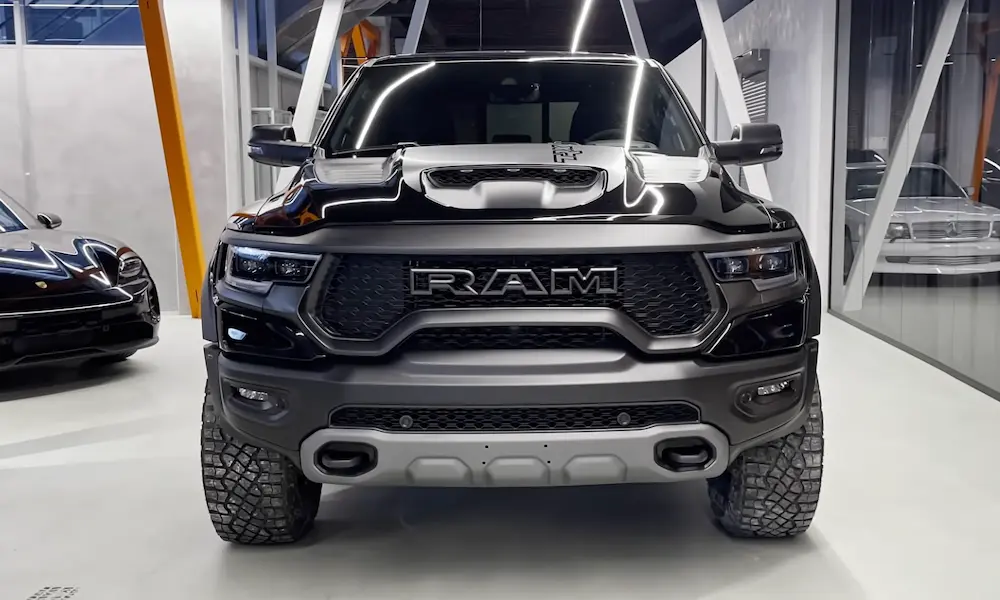
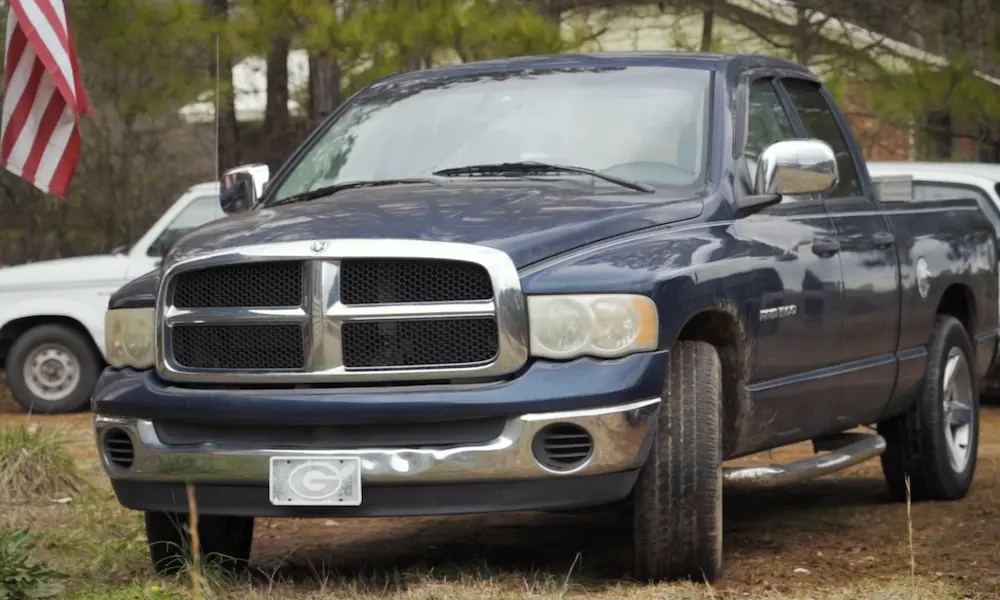
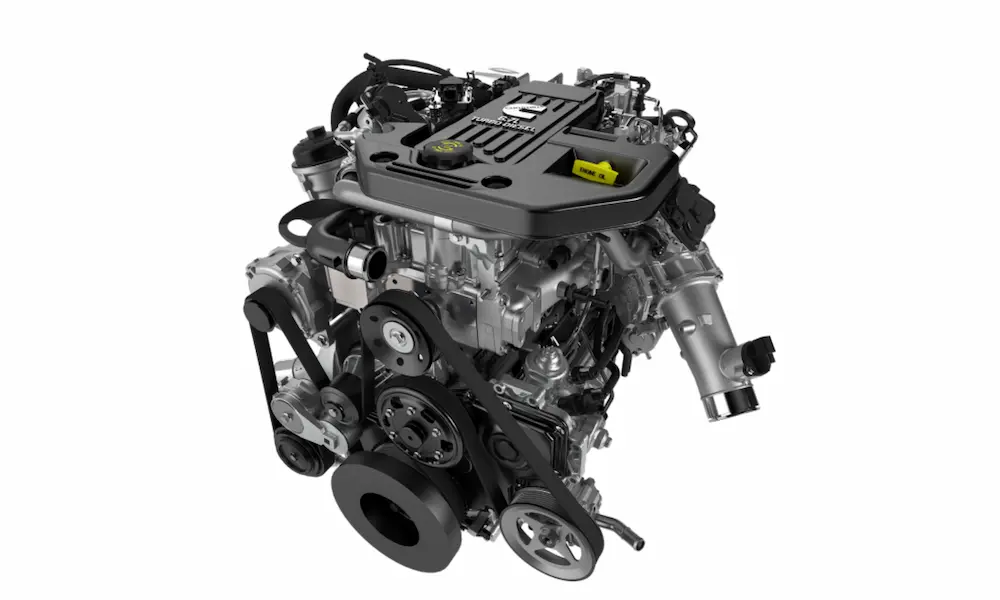
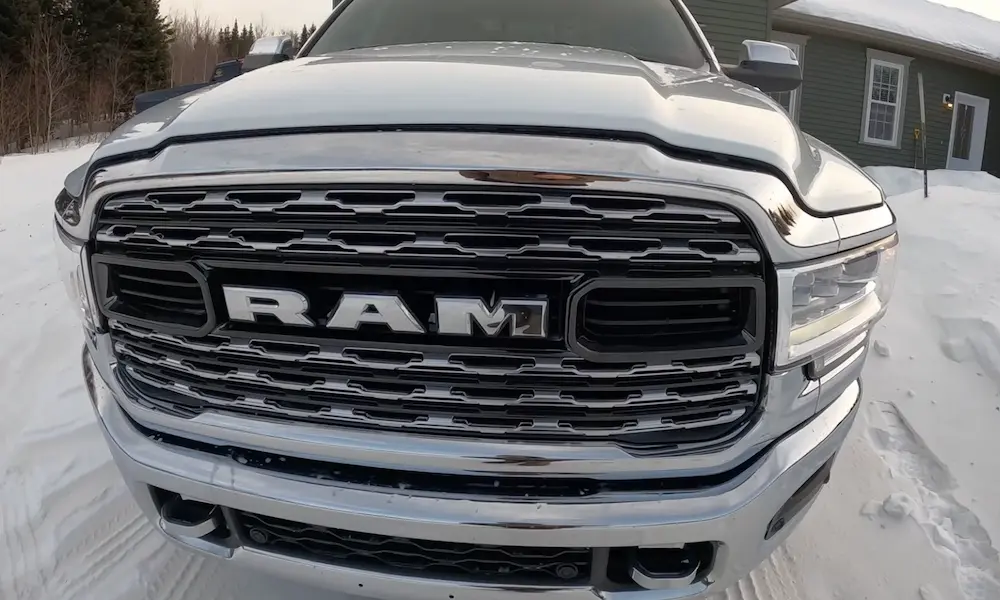
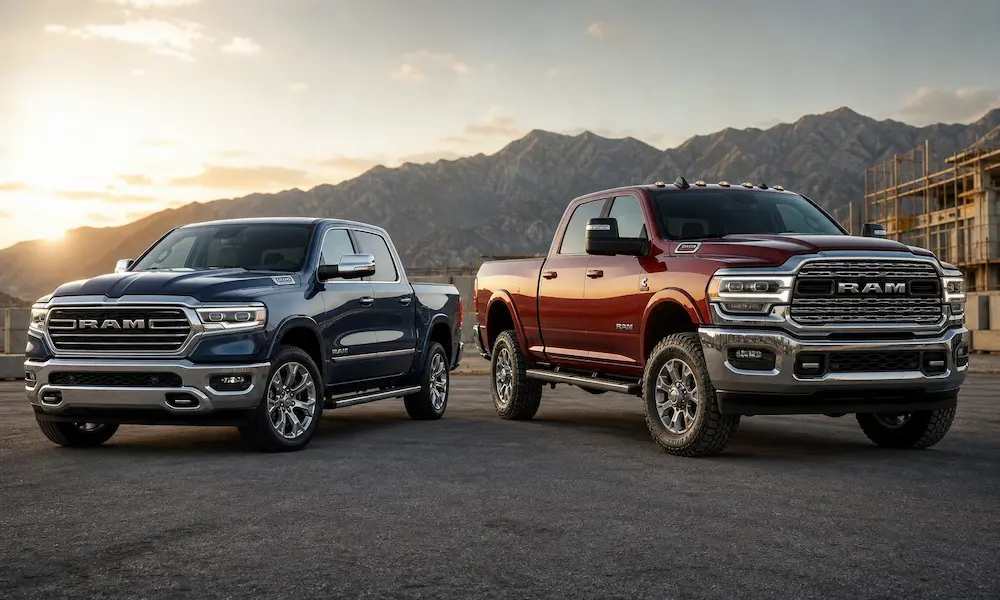
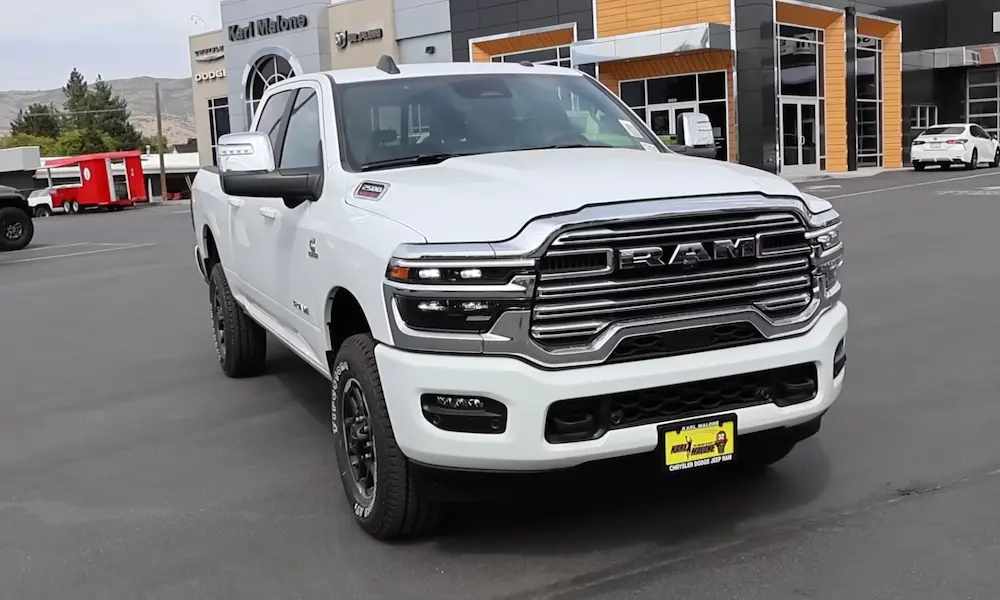
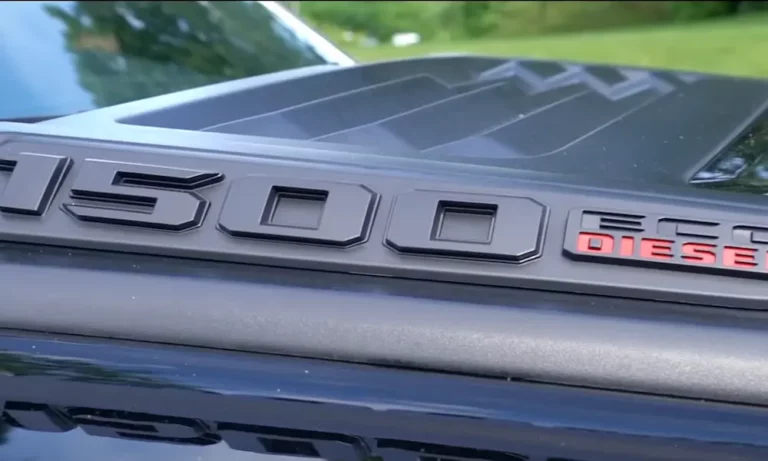
The 3.0 EcoDiesel is a V6 diesel engine built by VM Motori, an Italian company now under Stellantis. It powers the Ram 1500 and Jeep Grand Cherokee (and later the Wrangler and Gladiator). It showed up in North America in 2014 and offered something different — real torque, great fuel economy, and a diesel badge on a half-ton truck.
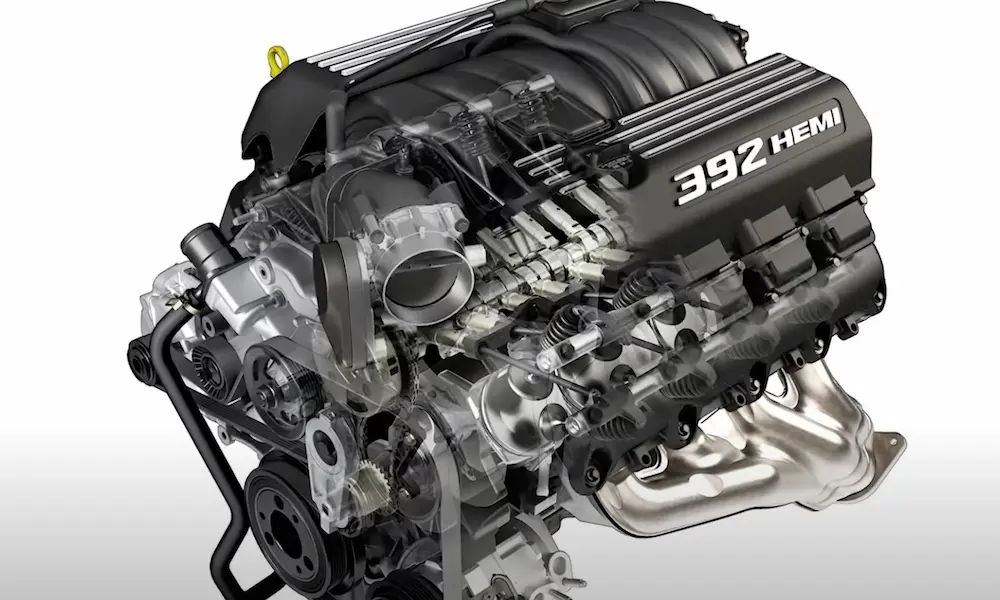
The engine uses a Compacted Graphite Iron block, which is stronger and stiffer than regular cast iron. That’s impressive engineering. But the complexity layered on top — the EGR system, DPF, high-pressure fuel pump, and emissions software — created a long list of 3.0 EcoDiesel problems that owners are still dealing with today.
There are three generations, but only two reached North American buyers:
| Spec | Gen 2 (2014–2019) | Gen 3 (2020–2023) |
|---|---|---|
| Horsepower | 240 hp | 260 hp |
| Torque (Ram) | 420 lb-ft | 480 lb-ft |
| Compression Ratio | 16.5:1 | 16.0:1 |
| EGR System | High-pressure only | Dual-loop |
| Oil Capacity (Ram) | 10.5 quarts | 8.5 quarts |
| Turbocharger | VGT | Water-cooled e-VGT |
The Biggest 3.0 EcoDiesel Problems You Need to Know
1. Bottom-End Bearing Failures
This is the worst one. Some EcoDiesel engines spin or throw a bearing before 20,000 miles. That means catastrophic engine failure — seizure, a thrown rod, the whole nightmare.
Here’s how it happens: The EGR system recirculates exhaust gas back into the intake. That gas carries fine carbon soot. When you drive short trips constantly, the engine never gets hot enough to burn it off properly. That soot bypasses the piston rings, gets into the oil, and turns it into something close to liquid sandpaper. The bearing surfaces erode, and eventually, something gives.
There’s another layer to this. Engine teardown analysis suggests VM Motori’s production facility may not have consistently used torque plates when boring the engine blocks. Without torque plates, the block distorts slightly when the heads are bolted on, which throws off bearing clearances. That manufacturing inconsistency may explain why some engines fail so early.
What to watch for:
- Engine knock at startup or under load
- Oil that turns black and gritty fast
- Sudden drop in oil pressure
2. Crankshaft Tone Wheel Delamination
This one’s sneaky — and dangerous. The crankshaft position sensor reads a magnetic tone wheel (also called a reluctor wheel) to tell the computer where the crank is. In Gen 2 engines (2014–2019), the magnetic coating peels off the metal ring. Once that happens, the engine loses its position reference and stalls instantly.
The scary part? It can happen at highway speed. And once it stalls, the engine often won’t restart because it can’t figure out its own position.
FCA issued Recall 23V-411 for this issue. The fix? Mostly a software update that lets the camshaft sensor act as a backup. It prevents the stall by triggering limp mode instead. But it doesn’t replace the damaged tone wheel, so the physical problem stays.
3. Bosch CP4.2 High-Pressure Fuel Pump Failure
The EcoDiesel uses a Bosch CP4.2 fuel pump running at around 29,000 psi. That pump lubricates itself with diesel fuel. The problem is that North American Ultra-Low Sulfur Diesel has less lubricity than the European diesel this pump was designed for.
When the pump’s internals wear out, they don’t just fail quietly. They shatter and send metal shrapnel through the entire fuel system — rails, injectors, lines, and the tank. Every single component gets contaminated. Fixing a CP4 failure means replacing the pump, all six injectors, the fuel rails, and sometimes the tank. Repair costs can run $10,000 or more.
FCA issued Recall Z46 for 2014–2019 models and Recall 01A for 2021–2023 models. If you haven’t had this recall completed, check it now at the official Mopar recall portal.
4. EGR Cooler Cracking and Fire Risk
The EGR cooler handles exhaust gas that can exceed 1,000°F. The internal steel tubes crack under repeated thermal stress. When they crack, two things can happen:
- Coolant leaks into the exhaust stream, the engine loses coolant, and temps climb fast
- Hot exhaust gas hits the plastic intake manifold, melts through it, and starts a fire in the engine bay
That second scenario is not theoretical. It’s happened to enough owners that FCA issued Recall VB1 requiring EGR cooler replacement across 2014–2019 Ram 1500 trucks.
A separate class-action settlement (Crawford v. FCA US LLC) added five years of warranty coverage on the replacement cooler, reimbursement for towing and rental costs, and a $3,000 payment for anyone whose truck caught fire from a failed cooler.
5. DPF Clogging From Short-Trip Driving
The Diesel Particulate Filter traps soot. It cleans itself through regeneration cycles — either passively during long highway drives or actively when the computer injects extra fuel to spike exhaust temperatures.
If you mostly drive short trips under 15–20 minutes, the DPF never gets hot enough to regenerate properly. Soot builds up. Backpressure rises. The turbo strains. Eventually, the engine goes into limp mode or shows a “Stop-Drive” warning.
The fix is straightforward: take longer highway drives regularly. But if you commute 10 miles each way every day, this engine isn’t the right tool for the job.
The Emissions Scandal and What It Cost FCA
The 2014–2016 EcoDiesel models got caught using undisclosed Auxiliary Emission Control Devices — software that changed how the engine behaved during emissions testing. FCA settled for over $307 million.
Owners who agreed to a mandatory software update called the Approved Emissions Modification (AEM) got:
- $3,075 cash (current owners)
- $990 for former owners and lessees
- A warranty extension to 10 years/120,000 miles from original sale date
The catch? Many owners who got the AEM reflash reported severe throttle lag — three to five seconds of delay between pressing the accelerator and anything happening. The software prioritizes NOx reduction over responsiveness. It’s a real trade-off.
Did the Gen 3 EcoDiesel Fix These Problems?
Mostly, yes. The 2020–2023 Gen 3 engine is an 80% redesign. The biggest change is the dual-loop EGR system. The new low-pressure loop pulls exhaust gas from after the DPF, so the gas entering the intake is much cleaner. That directly cuts soot loading — which was the root cause of the bearing failures.
Other Gen 3 improvements:
- Water-cooled electronic VGT for better boost control
- Redesigned cylinder heads with improved airflow
- Lower compression ratio (16.0:1 vs. 16.5:1)
- Power up to 260 hp and 480 lb-ft of torque
But Gen 3 isn’t perfect. Early reports from owners flag oil pump failures, NOx sensor malfunctions, and coolant temp sensor issues. And the CP4.2 fuel pump stuck around, which is why Recall 01A covers 2022–2023 models too.
EcoDiesel vs. 3.0L Duramax: How Do They Stack Up?
| Metric | 3.0L EcoDiesel | 3.0L Duramax |
|---|---|---|
| Configuration | V6 | Inline-6 |
| Horsepower | 260 hp | 277 hp |
| Torque | 480 lb-ft | 460 lb-ft |
| Block Material | Compacted Graphite Iron | Aluminum with iron liners |
| Oil Pump Drive | Chain (front) | Belt (rear — requires trans removal) |
| Fuel System | Bosch CP4.2 (recalled) | Denso high-pressure |
The Duramax naturally balances better as an inline-6 and holds its torque over a wider RPM range — useful for towing. But it has its own expensive quirk: the rear oil pump drive belt runs wet in oil and requires transmission removal to replace, usually around 150,000–200,000 miles. Neither engine is maintenance-free. Pick your poison.
How to Keep Your EcoDiesel Alive
The factory 10,000-mile oil change interval is too long for real-world driving conditions. Here’s what experienced owners and diesel mechanics actually recommend:
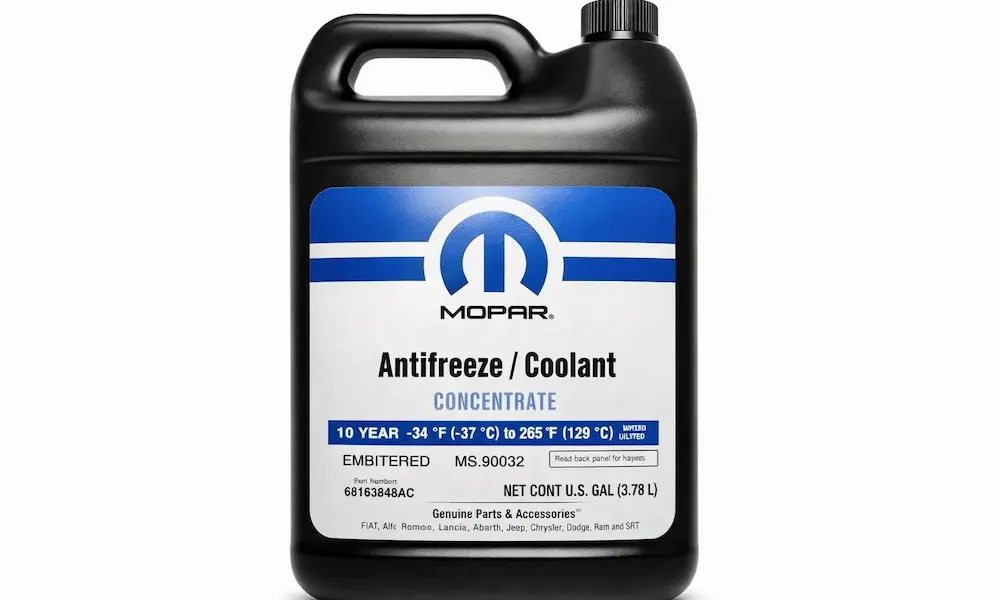
Use the right oil. The original 5W-30 spec was changed to 5W-40 synthetic (Rotella T6 or Mopar MS-10902) after the bearing failures. Don’t use anything lighter.
Change oil every 5,000–7,500 miles. This keeps soot concentration below the threshold where it starts destroying bearings. It’s the single most important thing you can do.
Replace the fuel filter every 15,000–20,000 miles. Clean fuel protects the CP4.2 pump and the injectors. Don’t skip this.
Clean the EGR pressure sensor every 20,000 miles. Soot buildup on this sensor triggers false limp mode events and messes with fueling.
Add a fuel lubricity additive. Products like Hot Shot’s Secret Everyday Diesel Treatment boost fuel lubricity and cetane rating, which reduces soot production and protects the CP4.2 pump from wear. It’s cheap insurance against a $10,000 fuel system replacement.
Consider a performance tune. Companies like Green Diesel Engineering (GDE) offer software that improves throttle response and manages EGR valve behavior to reduce soot intake — without removing any hardware. Owners report oil staying cleaner longer between changes after installing a GDE tune.
Check your recalls. If you haven’t confirmed completion of Recall VB1 (EGR cooler), Recall Z46 or Recall 01A (CP4 fuel pump), and Recall 23V-411 (tone wheel), do it today at the Mopar recall search tool.
Is It Worth Buying a Used EcoDiesel?
It depends entirely on the year and the service history.
2014–2019 models carry real risk. Confirm all recalls are done. Ask specifically about the EGR cooler replacement, CP4 fuel pump recall, and whether the owner used 5W-40 oil and changed it frequently. If they ran 5W-30 on 10,000-mile intervals and did mostly city driving, walk away.
2020–2023 models are meaningfully better. The dual-loop EGR alone eliminates the main cause of bearing failures. Confirm the CP4 recall is complete, verify 5W-40 oil use, and check for any oil pump complaints. These trucks can realistically hit 300,000+ miles with proper care.
The EcoDiesel rewards owners who treat it like a diesel — proactive maintenance, the right fluids, and attention to what it’s telling you. Ignore it, and the repair bills will be memorable.