That soft metallic tap coming from your engine bay isn’t something you can just turn up the radio to ignore. The 3.6 Pentastar ticking is a known, progressive failure — and the longer you wait, the more it costs. Here’s everything you need to know, from the first click to the final repair bill.
What Is the 3.6 Pentastar Tick?
The 3.6 Pentastar ticking is a rhythmic metallic tapping sound that comes from the top of the engine. It runs at half the crankshaft’s speed, which immediately points to the valvetrain.
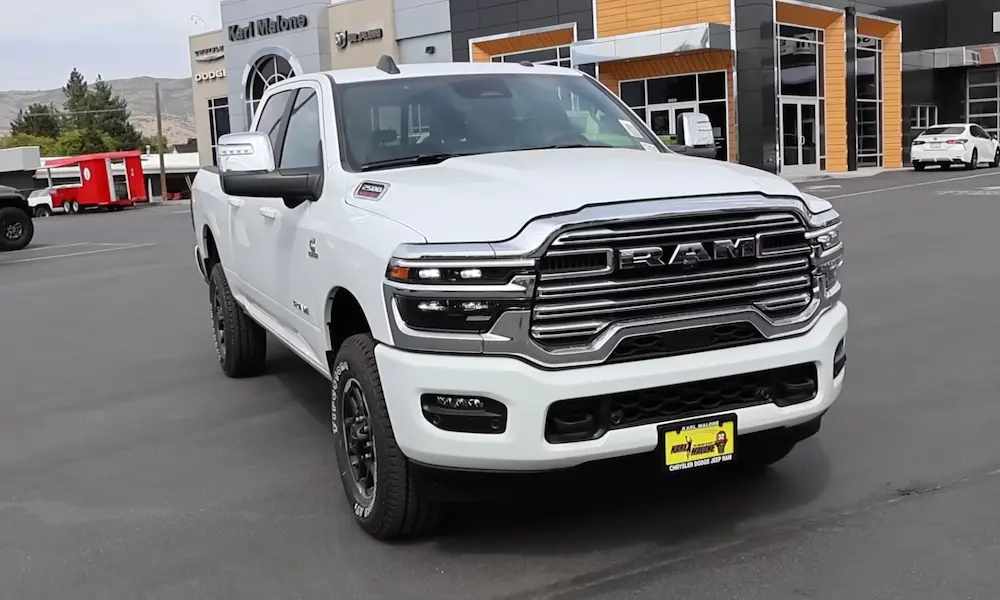
Since 2011, this engine has powered over 15 million vehicles across Jeep, Dodge, Chrysler, and Ram lineups. That’s a lot of engines — and a lot of owners who’ve eventually heard that tap.
The noise isn’t just annoying. It’s your engine telling you something is breaking inside.
Why Does the Pentastar Tick Happen?
The Rocker Arm Is the Weak Link
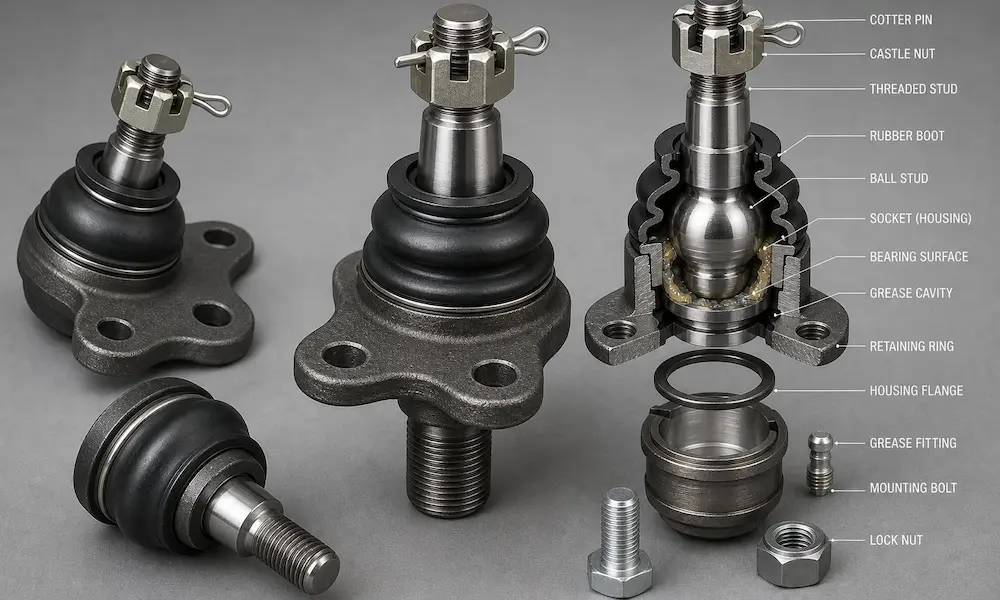
Inside the Pentastar’s dual overhead cam design, each valve is opened by a roller rocker arm. Think of it as a small lever. One end sits on a hydraulic lifter, the other pushes the valve open, and in the middle is a tiny roller wheel supported by needle bearings.
Those needle bearings are the problem.
When they wear out or shatter, the roller loses its support. Instead of rolling smoothly over the camshaft lobe, it wobbles and gets slapped by the spinning cam. Every strike produces that sharp metallic tap you hear at idle.
Oil Starvation Makes It Worse
Here’s the part that makes this issue genuinely frustrating: the engine’s upper valvetrain drains dry roughly 35 to 45 minutes after you shut off the engine. When you start it back up, there’s up to a 3.5-second window where the needle bearings spin metal-on-metal before oil pressure reaches them.
One dry start won’t destroy your engine. But thousands of them over years of ownership? That’s cumulative damage adding up every single morning.
If you also hear a loud rattle for a few seconds on cold starts — that’s your hydraulic lifters gasping for oil before pressure builds. Both symptoms often show up together.
How the Failure Gets Worse Over Time
Ignoring the 3.6 Pentastar ticking is an expensive mistake. Here’s how one failed rocker arm snowballs:
| Stage | What’s Happening | What You Notice |
|---|---|---|
| Early | Needle bearings wear or shatter | Faint tick at idle or cold start |
| Mid | Roller collapses, scrapes cam lobe | Loud rhythmic tapping; constant noise |
| Late | Cam lobe surface pits and loses profile | Rough idle, power loss, hesitation |
| Critical | Metal debris circulates through oil | Misfire codes P0301–P0306; check engine light |
Once the camshaft lobe starts pitting, you’re no longer just replacing rocker arms. You’re replacing camshafts — and that’s a completely different repair bill.
Which Vehicles Are Affected?
The 3.6 Pentastar powers a huge range of vehicles. If you own any of the following, the ticking issue applies to you:
| Brand | Model | Years |
|---|---|---|
| Jeep | Wrangler (JK & JL) | 2012–2024 |
| Jeep | Grand Cherokee | 2011–2023 |
| Jeep | Gladiator | 2020–2024 |
| Dodge | Charger / Challenger | 2011–2023 |
| Dodge | Durango | 2011–2023 |
| Ram | 1500 | 2013–2024 |
| Chrysler | Pacifica | 2017–2024 |
| Chrysler | 300 | 2011–2023 |
| Dodge | Grand Caravan | 2011–2020 |
The full list of affected models spans nearly every vehicle Stellantis sold in the U.S. over the last decade.
What Year 3.6 Pentastar Engines Have the Most Problems?
Not all model years carry the same risk. Here’s a quick breakdown:
2011–2013: Cylinder Head Cracking
The earliest Pentastar engines had a separate but serious issue — the left-side cylinder head (Bank 2) developed cracking around the valve seats. This was bad enough that FCA issued Warranty Extension X56, covering these vehicles for 10 years or 150,000 miles. If you own one of these, check whether your vehicle qualifies.
2014–2020: Peak Rocker Arm Failure Era
The revised cylinder head fixed the cracking issue — but rocker arm needle bearing failures became the dominant complaint. This is the era most associated with the 3.6 Pentastar ticking. TSB 09-002-14 and STAR Case S1309000016 were both issued during this window to guide technicians.
2021–Present: Lower Risk, But Not Zero
Newer engines have fewer miles, so failures are less common — but the core design of the rocker arms and lifters didn’t change significantly. Late-model owners aren’t immune; they’ve just got more time before the wear catches up.
How to Diagnose the Pentastar Tick
Listen First
Grab a mechanic’s stethoscope and probe the valve cover area while the engine idles. A tick from the driver’s side points to Bank 2. Passenger side points to Bank 1.
Pull the Fault Codes
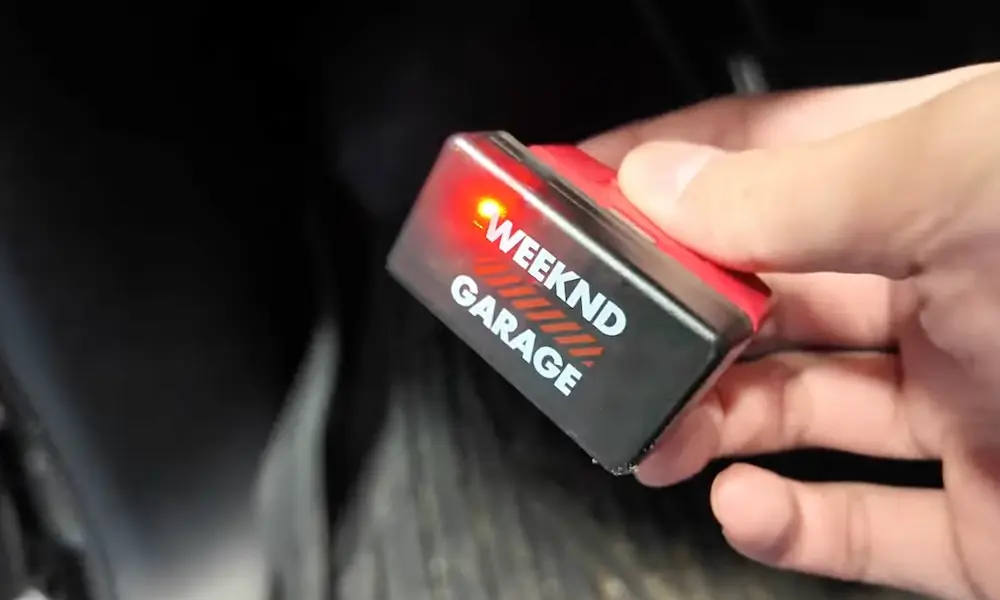
Connect an OBD-II scanner and look for codes. A P0301 through P0306 code tells you exactly which cylinder is misfiring. Pair that with a consistent tick from the same area, and there’s a strong chance the camshaft is already damaged.
Advanced Pressure Testing
Experienced shops use an oscilloscope and intake manifold pressure transducer to check how much vacuum each cylinder pulls. A cylinder with a collapsed rocker arm produces a noticeably weaker pulse — visible on screen without tearing the engine apart.
Visual Inspection
The definitive test: pull the valve covers. A good rocker arm has zero play in the roller. A bad one wobbles with finger pressure — or falls right out. Check the camshaft lobes too. Run a fingernail across each one. If you feel a rough groove or pit, that cam needs to come out.
How to Fix the 3.6 Pentastar Ticking
Replace All Rocker Arms, Not Just the Failed One
This is where people make a costly mistake. Replacing a single rocker arm while leaving the others in place — all of which have experienced the same dry starts and wear — leads to another failure within months.
The current recommended rocker arm is part number 5184296AH. It’s forged from 4140 alloy steel with a hardened roller tip (Rockwell hardness 58–62 HRC). Replace all 12 on the affected bank, or all 24 for the full engine.
Replace the Camshaft If It’s Pitted
Installing a fresh rocker arm onto a scoured camshaft lobe destroys the new part fast. A damaged cam acts like sandpaper on the new roller. If the lobe is pitted, the camshaft has to go too.
Camshaft replacement means pulling the timing chain and cam phasers, which requires specialized cam phaser locking tools. Don’t skip the tools — incorrect timing can cause valves to contact pistons.
What Does It Cost?
Here’s what to expect in the U.S. market:
| Repair Type | Parts Cost | Labor Hours | Total Estimated Cost |
|---|---|---|---|
| Rocker Arms + Lifters (one bank) | $150–$250 | 10–12 hrs | $1,600–$2,200 |
| Camshaft Replacement (one) | $400–$600 | 12–14 hrs | $2,000–$2,800 |
| Full Top-End Rebuild | $1,200–$1,800 | 18–22 hrs | $3,500–$4,800 |
| Engine Replacement (used) | $2,500–$4,000 | 15–20 hrs | $5,000–$7,500 |
Dealerships charge between $140 and $185 per hour. Independent shops run $90 to $130, but confirm they have the proper Pentastar timing tools before handing over your keys.
How to Prevent the Pentastar Tick
Change Your Oil Every 5,000 Miles
Ignore the oil life monitor. Switch to a full synthetic oil and stick to a 5,000-mile interval. Older oil loses its anti-wear additives — specifically zinc and phosphorus — and that’s exactly what protects those needle bearings between starts.
Install the Baxter Performance Anti-Drainback Adapter
If you own a 2014 or newer Pentastar vehicle, this is one of the best things you can do. The Baxter Performance adapter replaces the factory cartridge oil filter housing with a spin-on filter design that includes an anti-drainback valve. Oil stays in the top end when the engine shuts off — so the next startup isn’t a dry one. Reviews from actual owners consistently back this up.
Consider an Oil Additive
Products from Lucas Oil and similar brands can add a layer of protection to low-viscosity oil. They won’t fix a failing rocker arm, but they can slow down wear on engines that still have healthy valvetrains.
Catch It Early
A faint tick at the drive-thru. A cold start rattle that lasts more than a second. These are your warnings. Catching the failure at the single rocker arm stage versus the camshaft damage stage is the difference between a $2,000 repair and a $5,000 one.
The Class Action Lawsuit You Should Know About
In January 2022, a class action lawsuit — Maugain et al. v. FCA US LLC — was filed in the District of Delaware. The plaintiffs claim FCA knew about the valvetrain defect as early as 2013 and kept selling the same faulty design.
The core allegations:
- The needle bearing design can’t handle real-world operating pressures
- The lubrication system is miscalibrated, causing repeated dry starts
- Dealerships replaced failed parts with the same defective components
- The defect creates a safety risk through unexpected power loss while driving
The lawsuit targets 2014 through 2020 model year vehicles. If yours falls in that range, save every repair receipt. The case is still working through the legal system, but documentation of your expenses matters.
Key TSBs and Official Service Documents
| Document | Subject | Vehicles Covered |
|---|---|---|
| TSB 09-002-14 | Left cylinder head replacement for misfires | 2011–2013 models |
| STAR Case S1309000016 | Diagnostic guidance for ticking noise | Most 3.6L applications |
| Warranty Extension X56 | 10yr/150k mile left head coverage | 2011–2013 models |
| TSB 09-008-15 | Oil filter adapter leak diagnosis | Early 2014 build engines |
| Notification ZD2 | Misfire and check engine light resolution | Select 2022 models |
The NHTSA warranty bulletin for the left cylinder head issue is publicly available. If your 2011–2013 vehicle had a left-side misfire, pull that document before paying for any repairs out of pocket.
The 3.6 Pentastar ticking isn’t a death sentence for your engine — but it’s not something to monitor casually either. Shorter oil change intervals, quality synthetic oil, the right aftermarket adapter, and fast action when the tick first shows up will keep this engine running well past 200,000 miles. Wait too long, and you’re shopping for a replacement engine instead.