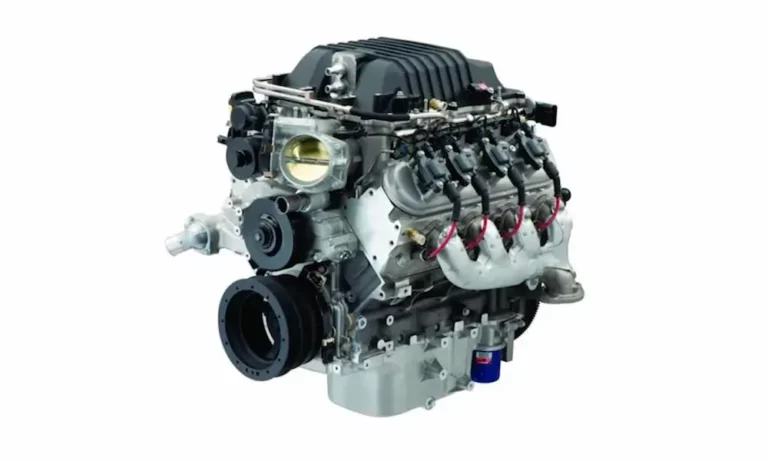
Looking to understand what makes the 6.0L LS engine so popular? Whether you’re planning an engine swap, rebuilding your truck’s powerplant, or just curious about this legendary V8, you’ve come to the right place. The 6.0 LS has earned its reputation as one of GM’s most versatile and robust engines—offering an ideal balance of displacement, power, and reliability that keeps mechanics and enthusiasts coming back for more.
Let’s dive into everything you need to know about the 6.0 LS engine specs and why this powerplant continues to dominate both factory applications and the aftermarket scene.
What Is the 6.0 LS Engine?
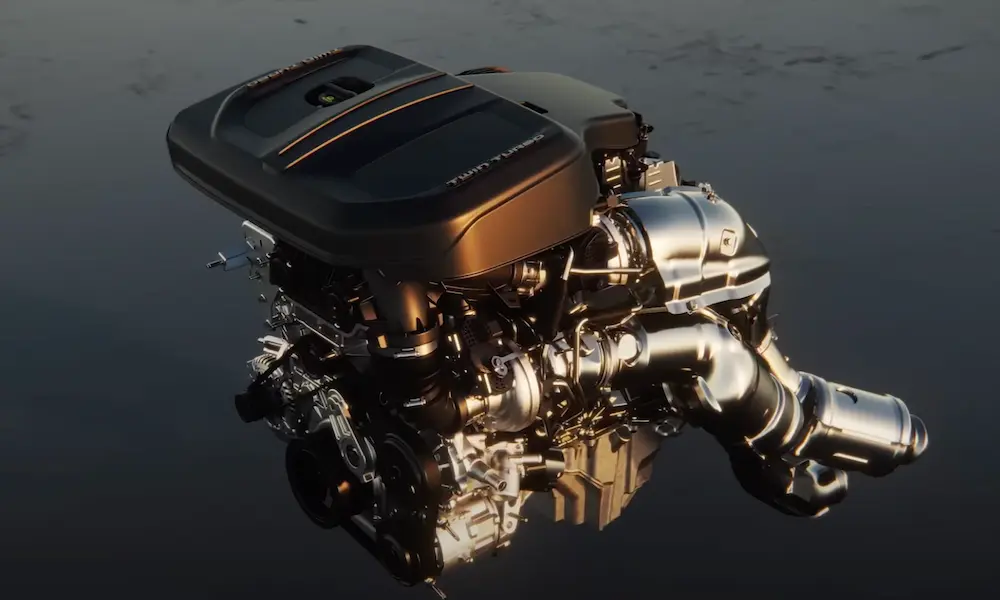
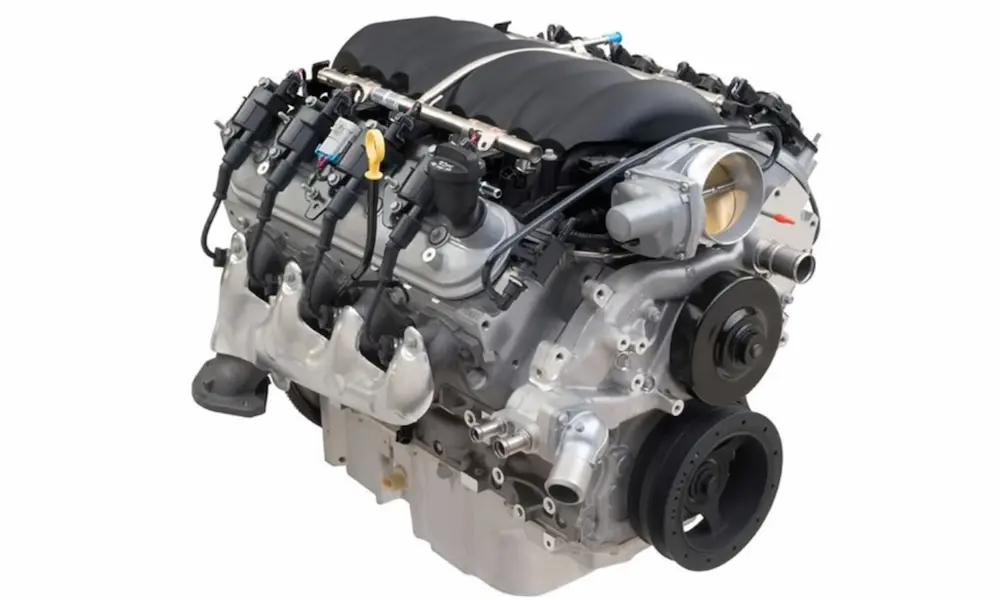
The 6.0 LS engine is part of General Motors’ renowned LS engine family—a clean-sheet design that revolutionized American V8 performance. Despite sharing the “small-block” designation with earlier Chevy V8s, these engines represent a complete reimagining of the pushrod V8 concept that began in 1997.
With a displacement of 364 cubic inches (5.967 liters), the 6.0L variants became workhorses in GM’s lineup, powering everything from heavy-duty trucks to performance vehicles. These engines feature a 4.0-inch bore and 3.62-inch stroke, creating a slightly oversquare design that balances torque production with revving capability.
The 6.0L LS stands out with several distinct advantages:
- Excellent power-to-weight ratio (especially aluminum block versions)
- Compact dimensions due to the pushrod design
- Robust bottom end with six-bolt main bearings
- Excellent cylinder head flow characteristics
- Tremendous aftermarket support
The Different 6.0 LS Engine Variants
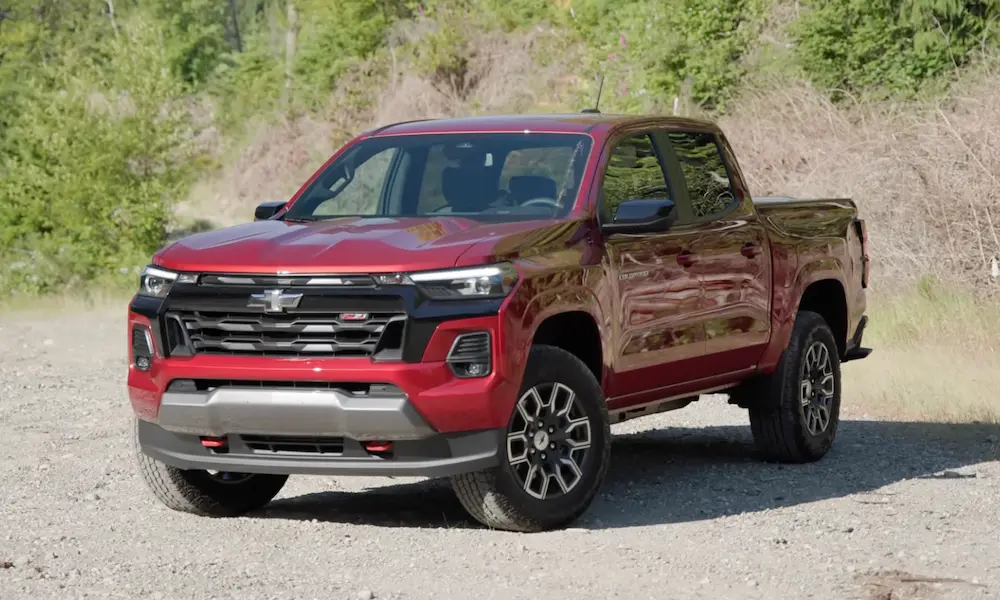
Not all 6.0 LS engines are created equal. GM produced several versions with specific applications and characteristics:
| Engine Code | Years | Block Material | Key Features | Common Applications |
|---|---|---|---|---|
| LQ4 | 1999-2007 | Iron | 9.4:1 compression ratio, cathode cylinder heads | Chevy/GMC trucks, vans, SUVs |
| LQ9 “VortecMAX” | 2002-2007 | Iron | 9.9:1 compression ratio, flat-top pistons | Silverado SS, Escalade, Sierra Denali |
| L76 | 2006-2009 | Aluminum | Variable valve timing, Active Fuel Management | Holden, Pontiac G8, Chevy Caprice |
| LY6 | 2007-2009 | Iron | Variable valve timing, flex fuel capability | HD Trucks, vans |
| L96 | 2010-2019 | Iron | Flex fuel capability, improved emissions | HD trucks, commercial vehicles |
| LC8 | 2010-2014 | Iron | Hybrid applications, modified for AFM | GM hybrid trucks |
Each variant has unique characteristics that make it better suited for specific applications, though they all share the core 6.0L architecture.
6.0 LS Engine Base Specifications
Let’s look at the standard specifications shared across most 6.0L LS engines:
- Displacement: 364 cubic inches (5.967 liters)
- Bore and Stroke: 4.0 inches × 3.62 inches (101.6mm × 92.0mm)
- Valvetrain: Pushrod overhead valve (OHV), 2 valves per cylinder
- Firing Order: 1-8-7-2-6-5-4-3
- Compression Ratio: Varies by model (9.4:1 to 10.0:1)
- Horsepower: 300-400 hp (stock, varies by application)
- Torque: 360-400 lb-ft (stock, varies by application)
- Redline: 5,800-6,000 RPM
- Engine Weight: ~465 lbs (iron block), ~385 lbs (aluminum block)
- Fuel System: Sequential fuel injection
- Engine Oil Capacity: ~6 quarts with filter
These factory specifications represent just the starting point. The 6.0L LS responds exceptionally well to modifications, with builders regularly extracting 500+ horsepower from mildly modified engines and 1,000+ horsepower from heavily built examples.
Block and Bottom End Specifications
The foundation of any engine is its block and rotating assembly. The 6.0 LS uses a deep-skirt block design that extends below the crankshaft centerline for improved rigidity.
Block Features:
- Material: Cast iron (most truck/SUV versions) or aluminum (some performance versions)
- Main Bearing Caps: Six-bolt design (four vertical, two horizontal bolts)
- Deck Height: 9.240 inches
- Cylinder Bore Spacing: 4.4 inches
- Maximum Safe Bore Size: 4.065 inches (aftermarket blocks can go larger)
- Water Jacket Design: Improved cooling around cylinders compared to Gen I/II small blocks
Rotating Assembly:
- Crankshaft: Nodular iron with 58 tooth reluctor wheel
- Connecting Rods: Powdered metal, 6.098 inches
- Pistons: Hypereutectic aluminum (cast) or forged (performance variants)
- Piston Rings: Cast iron top rings, standard tension
- Main Bearing Size: 2.559 inches (2.56 inches)
- Rod Bearing Size: 2.10 inches
The 6.0L block has proven remarkably strong even in high-horsepower applications. Many built engines using the factory iron block can safely handle 800+ horsepower with appropriate supporting modifications. The aluminum blocks typically require additional reinforcement for extreme high-power applications.
Cylinder Head and Valvetrain Specs
The cylinder heads are a key strength of the 6.0 LS engine platform, offering excellent flow characteristics even in stock form.
Cylinder Head Specifications:
- Material: Aluminum (319-T5 or T7 alloy)
- Valve Sizes: 2.00-inch intake, 1.55-inch exhaust
- Combustion Chamber Volume: ~70cc (varies by version)
- Port Style: Cathedral port (early) or rectangular port (later models)
- Valve Angle: 15 degrees (compared to 23 degrees on Gen I/II small blocks)
- Rocker Arm Ratio: 1.7:1
- Valve Springs: Beehive style on later models
Camshaft Specifications:
Camshaft specifications vary significantly between different 6.0L applications, but most truck cams share these approximate specs:
- Lobe Separation Angle: 116-117 degrees
- Duration at 0.050: ~190-200 degrees intake, ~190-200 degrees exhaust
- Valve Lift: ~0.470-0.480 inches
Later 6.0L engines like the LY6 featured variable valve timing, allowing the PCM to adjust camshaft timing by up to 20 degrees for improved performance and efficiency across the RPM range. This technology gives these engines a noticeable advantage in daily driving scenarios.
Performance Potential and Applications
What makes the 6.0 LS truly special is its tremendous versatility and performance potential across a wide range of applications.
Stock Performance:
In stock form, most 6.0L LS engines produce:
- Horsepower: 300-400 hp (depending on variant and application)
- Torque: 360-400 lb-ft
- Fuel Economy: 13-16 MPG city, 18-23 MPG highway (vehicle dependent)
- Reliability: Excellent, with many engines exceeding 200,000 miles with proper maintenance
Modified Performance Potential:
The 6.0L LS responds exceptionally well to modifications:
- Mild Build (500hp): Cam, headers, intake, tune
- Medium Build (600-700hp): Previous mods plus cylinder head work, higher compression, stroker kit
- Serious Build (800hp+): Previous mods plus forced induction (supercharger/turbo)
- Extreme Build (1,000hp+): Built bottom end, aftermarket block, extensive head work, large forced induction
Popular Swap Applications:
The 6.0L has become a favorite for engine swaps due to its:
- Excellent power density
- Relatively compact size
- Huge aftermarket support
- Good balance of power and reliability
Popular swap vehicles include:
- Classic Chevrolet cars (1955-1972)
- Jeep Wranglers and Cherokees
- S10/S15 trucks
- Import performance cars (Nissan 240SX, Mazda RX-7, etc.)
- Hot rods and custom builds
Common Problems and Reliability Issues
Despite its reputation for durability, the 6.0L LS does have a few known issues worth addressing:
Valve Springs:
Early LS engines sometimes suffered from broken valve springs. Later beehive springs improved reliability, but remain a maintenance item in high-mileage engines or those operated at high RPMs.
Active Fuel Management (Some Models):
Versions equipped with Active Fuel Management (cylinder deactivation) can experience oil consumption issues related to the lifters and valley cover. Many owners disable this system for improved reliability.
Oil Pressure Sensor:
The oil pressure sensor located at the rear of the block is prone to leaking on high-mileage engines. Fortunately, this is an inexpensive and straightforward fix.
Cooling System:
The cooling system design, while generally effective, can develop leaks at the water pump and coolant crossover pipe as the engine ages. Regular cooling system maintenance is essential for long-term reliability.
Piston Ring Seating:
Some 6.0L engines, particularly the LQ4/LQ9, can experience oil consumption if the rings don’t properly seat during the break-in period. This is more common in engines that weren’t properly broken in when new.
Maintenance and Longevity Considerations
To maximize the lifespan of your 6.0L LS engine, consider these maintenance guidelines:
Oil Change Intervals:
- Normal Use: Every 5,000-7,500 miles with quality synthetic oil
- Severe Use: Every 3,000-5,000 miles (towing, off-road, extreme conditions)
- Recommended Oil: 5W-30 (some later models specify dexos-approved 5W-30)
Cooling System:
- Flush coolant every 100,000 miles or 5 years
- Inspect water pump at 100,000 miles
- Use DEX-COOL or equivalent extended-life coolant
Spark Plugs:
- Replace every 100,000 miles
- AC Delco iridium plugs recommended (factory spec)
- Gap of 0.040-0.045 inches (application specific)
Additional Maintenance:
- Inspect serpentine belt every 60,000 miles
- Change fuel filter every 100,000 miles
- Clean throttle body every 60,000 miles
- Check for oil leaks around valley cover and oil pressure sensor
With proper maintenance, many 6.0L LS engines exceed 250,000 miles of service before requiring significant overhaul.
Comparing the 6.0L LS to Other LS Engine Displacements
The 6.0L sits in the middle of the LS displacement range, offering a compelling mix of characteristics compared to its smaller and larger siblings:
| Engine | Displacement | Typical Applications | Pros | Cons |
|---|---|---|---|---|
| 4.8L LS | 293ci (4.8L) | Base model trucks | Fuel efficiency, revs freely | Lower torque output |
| 5.3L LS | 325ci (5.3L) | Half-ton trucks, SUVs | Excellent balance, widely available | Smaller displacement than 6.0L |
| 6.0L LS | 364ci (6.0L) | HD trucks, performance vehicles | Strong torque, good aftermarket | Heavier (iron block versions) |
| 6.2L LS | 376ci (6.2L) | Premium trucks, Camaro SS, Corvette | Largest production displacement, strong power | Less common, more expensive |
| 7.0L LS7 | 427ci (7.0L) | Corvette Z06, special editions | Highest factory performance | Expensive, rare, specialized |
The 6.0L hits a sweet spot for many enthusiasts—offering substantially more displacement than the common 5.3L but with greater parts availability and lower cost than the premium 6.2L and 7.0L variants.
Aftermarket Support and Performance Upgrades
Few engines enjoy the level of aftermarket support available for the 6.0L LS. Here’s a breakdown of popular upgrades by category:
Camshafts:
Upgrading the camshaft is often the first major performance modification for the 6.0L LS, offering significant gains.
- Mild Street Cams: 20-40hp gain, smooth idle, good drivability
- Performance Cams: 40-70hp gain, choppy idle, requires supporting mods
- Racing Cams: 70-100hp gain, rough idle, typically needs valvetrain upgrades
Cylinder Heads:
The cylinder heads on the 6.0L respond well to porting, but many enthusiasts opt for aftermarket heads.
- CNC Ported Stock Heads: 20-30hp gain, improved flow
- Aftermarket Aluminum Heads: 30-80hp gain, significantly improved flow
- Racing Heads: 80-100+hp gain, requires extensive supporting modifications
Forced Induction:
The 6.0L LS is extremely popular for forced induction builds:
- Superchargers: 150-250hp gain, immediate throttle response
- Turbochargers: 150-400+hp gain, more efficient but increased complexity
- Nitrous Oxide: 75-200hp gain, most affordable power adder
Engine Control:
Regardless of modifications, proper tuning is essential:
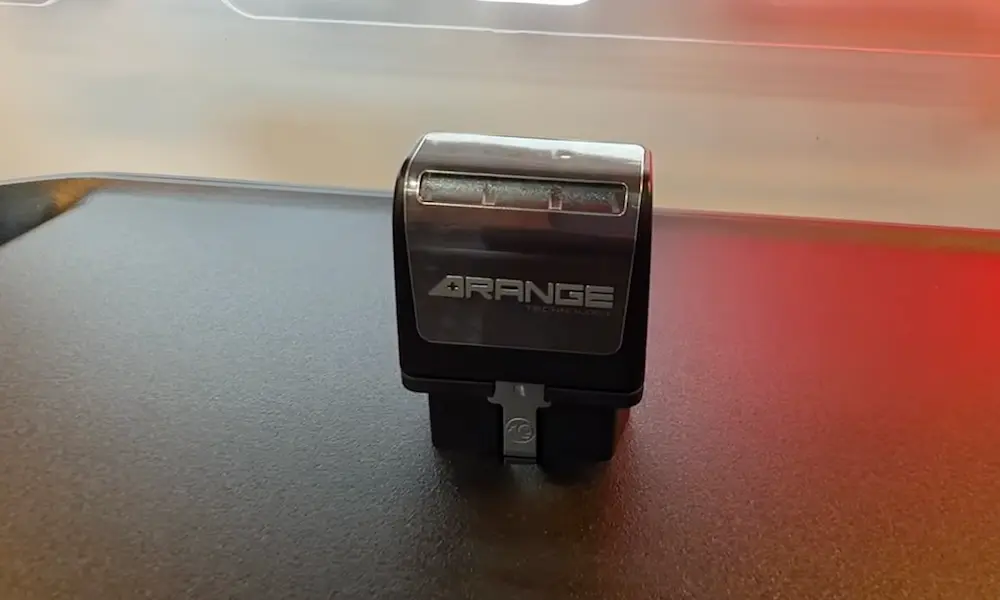
- Handheld Programmers: Basic adjustments, good for mild builds
- Custom PCM Tuning: Optimization for specific modifications
- Standalone Engine Management: Complete control for radical builds
Building a 6.0L LS for Specific Applications
The 6.0L LS can be optimized for various purposes. Here are some common build approaches:
Street/Strip Build:
- Mild camshaft (~220/220 duration, 0.550″ lift)
- Head porting or aftermarket heads
- Long-tube headers
- High-flow intake
- 10:1 compression ratio
- Expected output: 480-520hp naturally aspirated
Towing Build:
- Mild camshaft with focus on torque
- Improved cooling
- Upgraded valvesprings
- Stroker kit to 408ci
- Headers and tune
- Expected output: 450-475hp, 500-520lb-ft torque
Forced Induction Build:
- Forged rotating assembly
- Lowered compression (9:1)
- Mild camshaft suited for boost
- Upgraded fuel system
- Head studs and upgraded gaskets
- Expected output: 650-800hp (depending on boost level)
Maximum Effort Build:
- Aftermarket block
- Stroker kit to 408-427ci
- Fully ported heads or aftermarket racing heads
- Aggressive camshaft
- Twin turbos or large supercharger
- Expected output: 1,000-1,500+hp
The Future of the 6.0L LS Engine
While production of many 6.0L LS variants has ended as GM transitions to newer engine families (like the Gen V LT engines and eventually electric powertrains), the legacy and influence of these engines continues.
The robust aftermarket support ensures that 6.0L LS engines will remain popular for decades. With companies continuing to develop new performance parts and even complete crate engine packages, enthusiasts will be enjoying these engines for many years to come.
The design principles that made the 6.0L LS successful—the compact pushrod layout, excellent flowing heads, and strong bottom end—continue to influence modern engine development, showing that sometimes the best approach isn’t always the most complex or trendy one.
For those looking to build a powerful, reliable V8 with excellent parts availability and a proven track record, the 6.0L LS remains one of the best options available—a testament to the soundness of its fundamental design and the passion it continues to inspire in the performance community.