Ever wondered why car enthusiasts get so excited about the LS1 engine? Whether you’re considering an engine swap or just curious about this legendary powerplant, you’re about to discover what makes the LS1 one of the most significant V8 engines ever created.
This comprehensive guide breaks down everything from horsepower figures to exact technical measurements—all explained in straightforward terms that won’t leave your head spinning.
What Is the LS1 Engine?
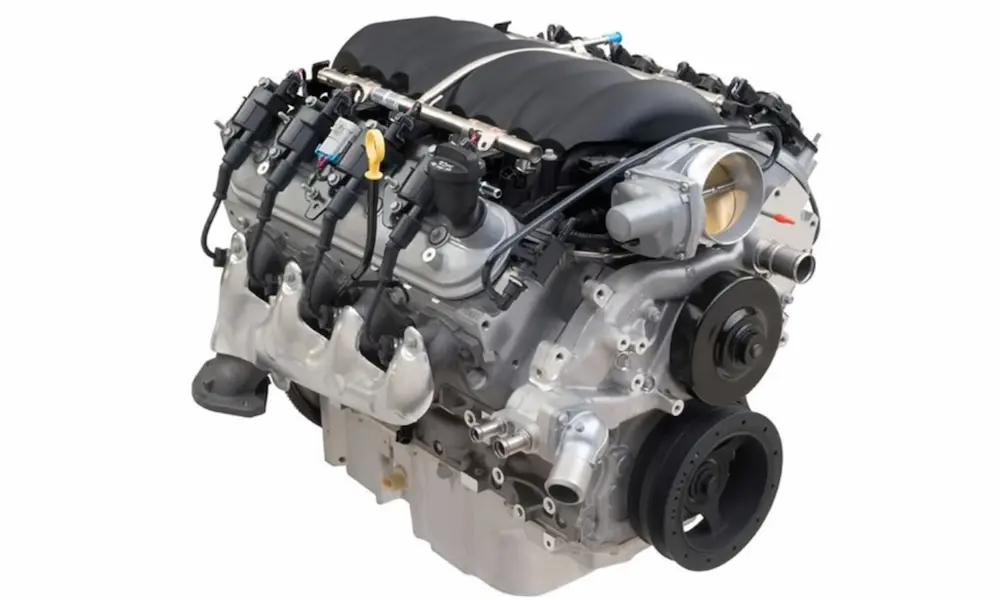
The LS1 is a 5.7-liter (346 cubic inch) V8 engine developed by General Motors that revolutionized American performance when it debuted in 1997. As the first engine in GM’s “LS” family, it featured an all-aluminum design that significantly reduced weight compared to previous cast-iron blocks.
The LS1 first appeared in the C5 Corvette and later powered the Camaro, Firebird, Pontiac GTO, and various Holden vehicles in Australia. Its production ran from 1997 through 2004, establishing the foundation for an entire generation of GM performance engines that continues to influence automotive design today.
LS1 Engine Performance Specs at a Glance
The LS1 delivered impressive performance that varied slightly depending on the vehicle application:
| Application | Years | Horsepower | Torque | Compression Ratio |
|---|---|---|---|---|
| Corvette | 1997-2000 | 345 hp @ 5,600 rpm | 350 lb-ft @ 4,400 rpm | 10.2:1 |
| Corvette | 2001-2004 | 350 hp @ 5,600 rpm | 365 lb-ft @ 4,400 rpm | 10.2:1 |
| Camaro/Firebird | 1998-2000 | 305-310 hp @ 5,200 rpm | 335-340 lb-ft @ 4,000 rpm | 10.2:1 |
| Camaro/Firebird | 2001-2002 | 310-325 hp @ 5,200 rpm | 340-350 lb-ft @ 4,000 rpm | 10.2:1 |
| Pontiac GTO | 2004 | 350 hp @ 5,600 rpm | 365 lb-ft @ 4,400 rpm | 10.2:1 |
Many enthusiasts believe the F-body (Camaro/Firebird) power ratings were deliberately underrated for marketing purposes to position them below the Corvette.
LS1 Engine Block Specifications
The foundation of the LS1’s impressive performance begins with its lightweight aluminum block. Unlike previous small blocks, the LS1 used semi-permanent mold casting technology for its aluminum block, striking an ideal balance between weight reduction and strength.
Key block specifications include:
- Displacement: 5.7L/346 cubic inches
- Material: Cast aluminum (A319-T5 alloy)
- Deck height: 9.240 inches
- Bore spacing: 4.400 inches
- Bore diameter: 3.898 inches
- Stroke: 3.622 inches
- Main bearing diameter: 2.751 inches
- Camshaft bearing bore diameter: 2.307-2.346 inches
- Cam-to-crank centerline: 4.914 inches
The block featured a deep-skirt design that extended below the crankshaft centerline, providing excellent rigidity. Six-bolt main caps (four vertical bolts plus two cross-bolts per cap) secured the crankshaft, dramatically improving bottom-end strength compared to earlier engines.
Cylinder Head Design and Valvetrain
The LS1’s cylinder heads were arguably its most revolutionary feature, with flow characteristics that outperformed previous designs despite their compact size. These aluminum heads featured the distinctive “cathedral port” intake runners that became a hallmark of early LS engines.
Key cylinder head specifications:
- Material: Cast aluminum
- Valve angle: 15 degrees (compared to 23 degrees in previous small blocks)
- Combustion chamber volume: 67cc
- Intake port volume: Approximately 200cc
- Exhaust port volume: 70cc
- Intake valve diameter: 2.000 inches
- Exhaust valve diameter: 1.550 inches
The valvetrain employed several modern design elements:
- Hydraulic roller lifters (0.842-inch diameter)
- 7.385-inch pushrods
- Die-cast aluminum roller rocker arms
- 1.7:1 rocker ratio
- Beehive valve springs (70 lbs seat pressure, 220 lbs open pressure)
Early LS1 heads (1997-1998) featured perimeter valve cover bolt patterns, while later designs (1999-2004) switched to centered valve cover bolt patterns for improved sealing and aesthetics.
LS1 Rotating Assembly Details
The rotating assembly balanced durability with weight considerations, using proven materials and designs:
- Crankshaft: Nodular iron, 3.622-inch stroke
- Main journal diameter: 2.559 inches
- Rod journal diameter: 2.100 inches
- Timing reluctor wheel: 24x pattern
- Connecting rods: Powdered metal, I-beam design
- Rod length: 6.098 inches
- Rod bolts: M9 x 1 x 43
- Pistons: Hypereutectic cast aluminum (M124 alloy)
- Piston design: Flat-top with zero cc volume
- Wrist pin diameter: 0.9449 inches (press-fit)
This combination created an engine that could reliably handle the factory power levels while providing substantial headroom for modifications – a key factor in the LS1’s enduring popularity among performance enthusiasts.
Camshaft Specifications Through the Years
The LS1 used several different camshaft profiles depending on application and model year:
1997-1999 Corvette:
- Intake duration: 199° @ 0.050-inch lift
- Exhaust duration: 207° @ 0.050-inch lift
- Intake valve lift: 0.472 inches
- Exhaust valve lift: 0.479 inches
- Lobe separation angle: 117°
2000 Corvette:
- Intake duration: 198° @ 0.050-inch lift
- Exhaust duration: 209° @ 0.050-inch lift
- Valve lift: 0.500 inches (both intake and exhaust)
- Lobe separation angle: 115.5°
2001-2004 Corvette:
- Intake duration: 196° @ 0.050-inch lift
- Exhaust duration: 208° @ 0.050-inch lift
- Intake valve lift: 0.467 inches
- Exhaust valve lift: 0.479 inches
- Lobe separation angle: 116°
1998-2000 Camaro/Firebird:
- Intake duration: 198° @ 0.050-inch lift
- Exhaust duration: 209° @ 0.050-inch lift
- Intake valve lift: 0.498 inches
- Exhaust valve lift: 0.497 inches
- Lobe separation angle: 119.5°
These specs show GM’s focus on street-friendly performance with moderate duration values that maintained good vacuum and drivability while delivering excellent power.
Intake System and Fuel Management
The LS1’s intake system evolved throughout its production:
- Throttle body: 78mm diameter, 3-bolt mounting pattern
- Throttle control: Electronic (drive-by-wire) in Corvettes; cable-actuated in F-body and GTO
- Fuel injectors:
- 1997-1998: 29.6 lb/hr flow rate
- 1999-2000: 27.3 lb/hr flow rate
- 2001-2004: 30.0 lb/hr flow rate
- Fuel rail: High-pressure, returnless system on later models
- Intake manifold: Two-piece composite design with tuned runners
- Manifold material: Glass-reinforced nylon composite
The composite intake manifold was particularly innovative, reducing weight and heat absorption compared to aluminum while offering manufacturing flexibility for optimized runner designs.
Oil System and Lubrication
The LS1 featured vehicle-specific oil pan designs to accommodate different chassis configurations:
- F-body applications: Rear-sump design
- GTO: Front-sump design
- Corvette: “Batwing” rear-sump design optimized for cornering G-forces
All production LS1 engines used:
- Oil pump: Standard volume (0.8 gallons per minute at 1,000 rpm)
- Oil capacity: Typically 5.5-6 quarts with filter
- Recommended oil: 5W-30 synthetic blend
- Oil filter: AC Delco PF44 or equivalent
The oil system provided adequate lubrication for stock power levels, though high-performance builds often upgrade to a higher-volume pump for added durability.
LS1’s Historical Impact and Legacy
The LS1 didn’t just power some of GM’s most iconic vehicles; it completely transformed the performance landscape. When introduced, it delivered power that rivaled or exceeded far larger displacement engines while maintaining excellent fuel efficiency, reliability, and packaging advantages.
Its impact extended well beyond the original applications. The LS1 established an architecture that would evolve through multiple generations, eventually leading to modern direct-injected LT engines. Its compact dimensions and excellent power potential made it the go-to choice for engine swaps, with enthusiasts installing LS1s in everything from classic muscle cars to imports and even boats.
The aftermarket support for LS1 engines is unparalleled, with virtually limitless options for modifications. From simple bolt-ons to complete forced induction systems, the LS1 responds exceptionally well to modifications – another factor that has cemented its legendary status.
Common LS1 Issues and Considerations
While extremely reliable overall, the LS1 does have a few known issues worth noting:
- Piston ring sealing can degrade over high mileage, leading to increased oil consumption
- Early throttle-by-wire systems sometimes experience erratic response
- Valve spring failure can occur in high-mileage engines, especially with frequent high-rpm operation
- Intake manifold gaskets can leak on higher mileage engines
- Oil pressure sensor failures are common after 100,000+ miles
Most of these issues are easily addressed during regular maintenance, and they don’t detract from the engine’s overall reputation for durability.
LS1 vs. Comparable Engines of Its Era
To fully appreciate the LS1’s impact, it’s worth comparing it to contemporaries:
| Engine | Displacement | Horsepower | Weight | Power Density |
|---|---|---|---|---|
| LS1 | 5.7L/346ci | 345-350 hp | 460 lbs | 60.5-61.4 hp/L |
| Ford 4.6L DOHC | 4.6L/281ci | 305 hp | 505 lbs | 66.3 hp/L |
| Chrysler 5.9 Magnum | 5.9L/360ci | 245-250 hp | 540 lbs | 41.5-42.4 hp/L |
The LS1 delivered an excellent balance of absolute power, power density, and weight. The Ford 4.6L had slightly better power density but less total output and more complex design, while the Chrysler 5.9L was substantially heavier with significantly less power.
Popular LS1 Engine Swaps and Applications
The LS1’s popularity for engine swaps can’t be overstated. Some common swap applications include:
- Classic Chevrolet vehicles (Camaro, Chevelle, Nova)
- Fox-body Mustangs
- Mazda Miatas/MX-5s
- Nissan 240SXs
- Jeep Wranglers
- Toyota pickups and SUVs
The aftermarket offers comprehensive swap kits for most popular applications, including motor mounts, oil pans, headers, and wiring harness adapters. This support network has made LS1 swaps accessible even to moderately experienced mechanics.
Finding and Buying an LS1 Engine
If you’re looking to purchase an LS1 for a project, understanding source options and identification is crucial:
- Salvage yards: Look for complete engines from donor Corvettes, Camaros, Firebirds, or GTOs
- Engine identification: Locate the 8th digit of the VIN on donor cars (G = LS1 in most applications)
- Block casting numbers: Common LS1 numbers include 12550592, 12559846, 12559090, and more
- Typical prices: $1,500-3,000 for complete used engines, depending on mileage and condition
- Complete crate engines: Available from GM and aftermarket rebuilders for $4,000-7,000
When buying used, check for good oil pressure (minimum 40 psi hot at idle), compression (should be consistent across all cylinders), and listen for unusual valvetrain noise.
LS1 Modification Potential and Performance Upgrades
The LS1 responds exceptionally well to modifications:
- Basic bolt-ons (intake, exhaust, tune): +30-50 horsepower
- Camshaft upgrade: +40-70 horsepower
- Cylinder head porting: +20-40 horsepower
- Stroker kits (increases displacement to 383-408ci): +50-100 horsepower
- Forced induction: +150-300+ horsepower (supercharger or turbocharger)
- Nitrous oxide systems: +75-200+ horsepower
Many modified LS1 engines reliably produce 500-600 horsepower with proper supporting modifications while maintaining reasonable street manners. With forged internals and professional tuning, 1,000+ horsepower is achievable.
The Future of LS1 Engines in a Changing Automotive Landscape
Despite being out of production for over 15 years, the LS1’s future remains bright in the enthusiast community. As newer vehicles increasingly move toward electrification, the relatively simple, reliable, and well-supported LS architecture continues to appeal to hobbyists and racers.
The extensive knowledge base, parts availability, and cross-compatibility with other LS-family engines ensure the LS1 will remain relevant for decades to come. With the growing popularity of resto-mod builds that combine classic styling with modern performance, the LS1 is likely to gain even more following as an accessible path to reliable high performance.
Even as emissions regulations tighten, companies are developing solutions to keep LS engines compliant in various applications, ensuring these engines will continue powering enthusiast vehicles well into the future.