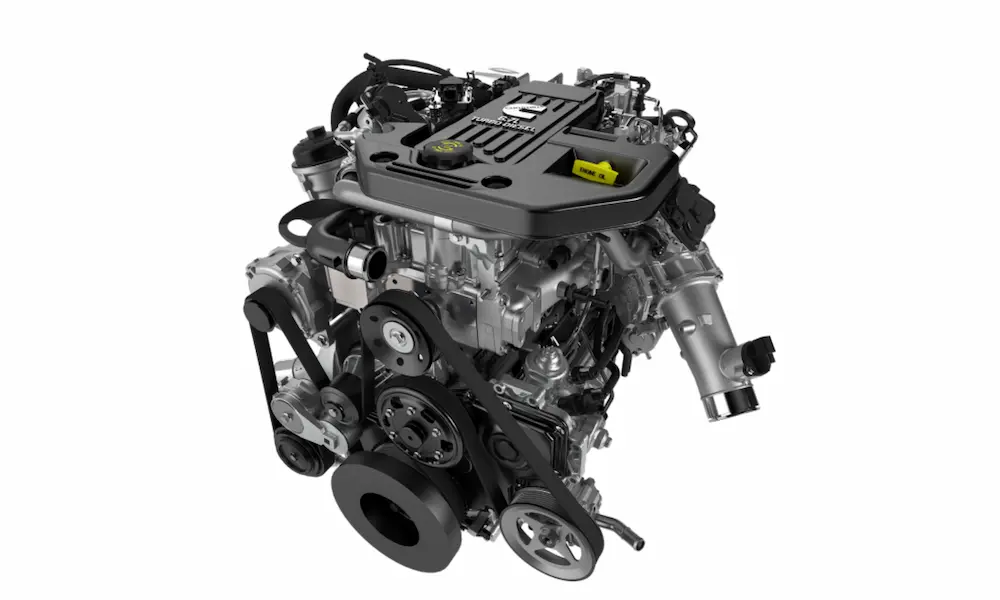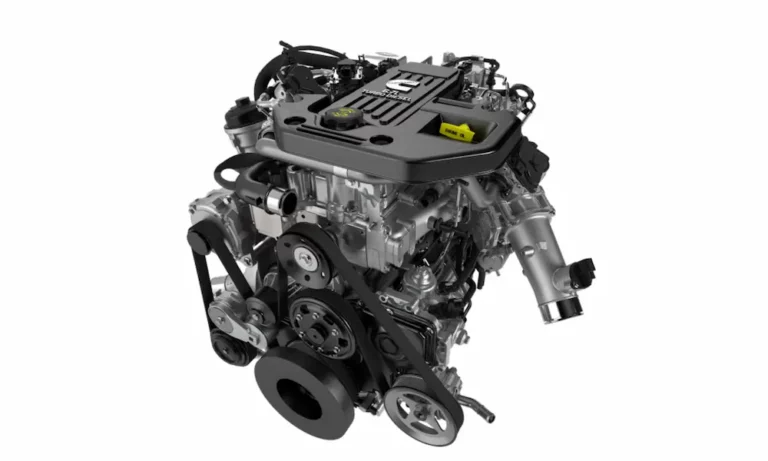
If your 2019 or newer Ram is making a ticking sound that won’t quit, it might not be nothing. The 5th gen 6.7 Cummins has a known hydraulic lifter problem that can quietly turn into a five-figure repair bill. This guide breaks down what’s happening inside your engine, what to listen for, and what you can actually do about it.
What Changed in 2019 (And Why It Matters)
Before 2019, the 6.7 Cummins used a solid flat tappet valvetrain. It was loud, it needed periodic valve lash adjustments, but it was tough as nails. Cummins and Ram switched to hydraulic roller lifters for the 5th gen to reduce cabin noise and eliminate manual maintenance. On paper, that sounds like progress.
The problem? The new hydraulic lifters use a bushing-style roller instead of needle bearings. That bushing depends entirely on a pressurized oil film to survive. Tight oil passages, a stiffer compacted graphite iron block, and a small alignment dowel pin that can back out under stress — it’s a recipe for trouble.
| Feature | 4th Gen (Pre-2019) | 5th Gen (2019–2024) | 5th Gen Refresh (2025+) |
|---|---|---|---|
| Valvetrain | Solid Flat Tappet | Hydraulic Roller Lifter | Enhanced Hydraulic Roller |
| Block Material | Gray Cast Iron | Compacted Graphite Iron | Compacted Graphite Iron |
| Maintenance | Manual Lash Adjustment | Self-Adjusting | Self-Adjusting |
| Max Torque | Up to 930 lb-ft | 1,000–1,075 lb-ft | 1,075 lb-ft |
| High Pressure Pump | CP3 | CP4 (2019-20) / CP3 (21+) | CP3 |
The “Typewriter Tick” — What It Sounds Like and What It Means
The most common early warning sign of 6.7 Cummins lifter failure is a rhythmic ticking noise that owners describe as sounding exactly like an old typewriter. It’s most noticeable on cold starts when cold, thick oil hasn’t reached the upper valvetrain yet.
Here’s the part that trips people up: the tick often fades once the engine warms up. That doesn’t mean it’s fine. It means the lifter is borderline — and it’s getting worse.
A few things can mimic this sound, so don’t panic immediately:
- The DEF injector in the SCR system clicks rhythmically but it’s localized to the exhaust area and doesn’t track with RPM
- The CP4 fuel pump (2019–2020 trucks) has its own acoustic signature at the front of the engine
- A true lifter tick speeds up and slows down directly with engine RPM
| Symptom | Source | When It Happens |
|---|---|---|
| Cold-start tapping | Hydraulic lash adjuster | Below operating temp |
| Rhythmic ticking | Lifter/rocker interface | Increases with RPM |
| Misfire codes | Cam lobe wear | Stage 3–4 failure |
| Metal shavings in oil | Cam/roller spalling | Found during filter inspection |
| Power loss | Reduced valve lift | Late-stage failure |
How 6.7 Cummins Lifter Failure Actually Progresses
The failure doesn’t happen all at once. It moves through four stages, and catching it early is the difference between a $4,000 repair and a $25,000 engine replacement.
Stage 1 — Hydraulic Collapse
Contaminants or air get into the lash adjuster. The lifter can’t maintain zero lash. Impact forces start fatiguing the metal. You might hear a faint tick. Damage is still minimal here.
Stage 2 — Roller Seizure
The bushing fails. The roller stops spinning and converts from rolling contact to sliding contact against the cam lobe. Friction burns the roller black and starts grinding into the hardened cam lobe. This is where the tick gets loud and consistent.
Stage 3 — Oil Contamination
Steel shrapnel from the cam and lifter enters the oil. Your filter catches some of it, but the oil pump and crankshaft bearings are already seeing abrasive metal particles. Secondary damage starts here.
Stage 4 — Total Valvetrain Collapse
The cam lobe is so worn the valve barely opens. Misfires and power loss set in. The lifter can physically break apart in its bore, bending pushrods or dropping a valve. At this point you’re looking at a long-block replacement.
The Oil Weight Issue — This One’s Non-Negotiable
If you’ve been running 15W-40 in your 2019 or newer Cummins, stop. Ram and Stellantis issued a Technical Service Bulletin specifically prohibiting 15W-40 in these engines. It’s too thick when cold and doesn’t reach the hydraulic lifters fast enough during startup — which is exactly when they’re most vulnerable.
The factory spec is full synthetic 10W-30 for standard climates. If you’re in a cold region or doing heavy towing, 5W-40 synthetic is the better call. Using the wrong oil weight also voids your powertrain warranty, so this isn’t just a performance issue.
| Oil Spec | Status | Why |
|---|---|---|
| 15W-40 Conventional | Prohibited | Sluggish cold-start flow, causes deposits |
| 10W-30 Synthetic | Recommended | Factory spec, optimal lifter priming |
| 5W-40 Synthetic | Acceptable | Better for extreme temps and heavy towing |
| TUNAP 955 Additive | TSB-Approved | Diagnostic noise reduction tool |
TSB 09-004-21 and the TUNAP 955 Protocol
When a tick shows up, the current dealer diagnostic path follows TSB 09-004-21, which covers clicking and ticking noises specific to the 5th gen platform.
One newer step in that process involves adding TUNAP 955 Oil System Protection to the crankcase and idling the engine for 15 minutes. TUNAP 955 contains nanostructural alpha boron nitride — it coats worn surfaces and provides a low-friction emergency lubrication layer. If the noise clears up, the issue was likely deposit-related. If it doesn’t, you’ve got mechanical damage and need to pull the valve cover.
Full effectiveness of the additive takes around 1,000 km of driving, so don’t expect instant results.
Your Repair Options — OEM vs. Flat Tappet Conversion
Once you’ve confirmed lifter failure, you’ve got two real paths forward.
OEM Restoration
You replace the failed lifters with new factory hydraulic units and put the engine back to stock spec. It’s the cheaper upfront option, but you’re putting the same design back in. Repair costs typically run $4,000–$7,000 depending on how far the damage spread.
Flat Tappet Conversion
Companies like Hamilton Cams make conversion kits that revert the 5th gen back to a solid lifter design — essentially a modern version of what worked reliably for 30 years. A full kit includes:
- A forged steel camshaft with an optimized lobe profile
- Diamond-like carbon (DLC) coated flat tappets that don’t need high-zinc oil additives
- Heavy-duty pushrods rated for 3,500+ lbs of buckling force vs. the factory ~1,800 lbs
- Adjustable rocker arms for manual valve lash setting
The trade-off is cost ($6,000–$9,000) and the fact that you’ll need periodic valve lash adjustments going forward. But you permanently eliminate the hydraulic roller failure risk.
Most jobs also require pulling the cab to access the engine properly, which is a big chunk of that labor cost.
| Repair Type | Labor | Cost Range |
|---|---|---|
| OEM Restoration | 7–16 hours | $4,000–$7,000 |
| Flat Tappet Conversion | 12–20 hours | $6,000–$9,000 |
| Engine Replacement | 40+ hours | $25,000–$27,000 |
Don’t Skip the Oiling System Cleanup
If your lifter made it to Stage 3 or 4, replacing the valvetrain isn’t enough. Metal shavings settle in the oil pan grooves, pack into the oil cooler passages, and score the oil pump. Put new parts in a contaminated engine and you’ll be doing this again in 20,000 miles.
A proper cleanup means:
- Remove and scrub the oil pan — debris settles in the corners and plastic inserts
- Replace the oil cooler — its passages are too fine to flush reliably
- Inspect and likely replace the oil pump — it sees unfiltered oil first
- Do multiple oil and filter changes after reassembly
- Consider a high-detergent oil for the first few hundred miles to carry residual particles to the filter
What the 2025 Refresh Actually Changed
The 2025 model year brought updated rocker arms and pushrods with a “funnel” design that channels more oil to the rocker ball-and-socket joints. It’s a meaningful improvement to upper valvetrain lubrication, but the hydraulic roller lifter design itself is largely unchanged. Owners are still watching these trucks to see if the oiling improvements are enough to prevent the roller seizures that defined the 2019–2024 era.
Maintenance Habits That Actually Protect Your Engine
The 6.7 Cummins is still a capable, reliable platform. The lifter issue hits a specific subset of owners — and a lot of those cases trace back to maintenance gaps. Here’s what actually moves the needle:
- Run only 5W-40 or 10W-30 full synthetic, every single service
- Change oil at 7,500 miles or less, especially if you tow regularly or idle a lot
- Send periodic oil samples to a lab and watch for rising iron and chromium levels — they’ll show wear before you hear it
- Replace fuel filters every 15,000 miles to keep the high-pressure fuel system clean
- If a rhythmic tick develops, don’t wait — pull TSB 09-004-21 and consider TUNAP 955 before the damage compounds
Catch the tick early, use the right oil, and this engine will go the distance.