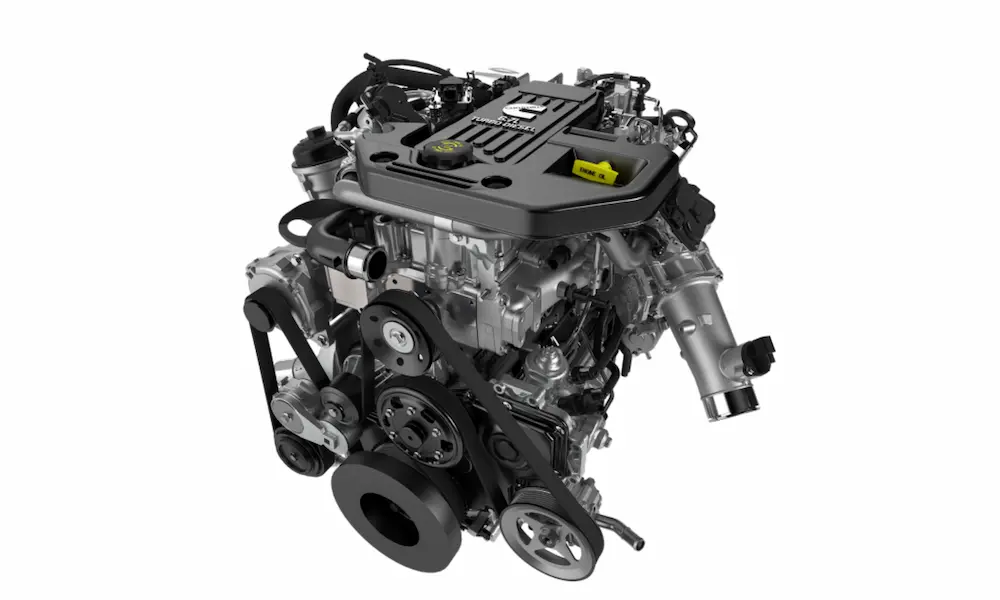
You’ve got a 6.7 Cummins, and you want to know exactly how much oil goes in. Get this wrong, and you’re looking at anything from a messy driveway to a trashed turbo. This guide covers the right capacity by year, the right oil type, and the exact steps to check your level properly. Stick around — the details here genuinely matter.
The Short Answer: 12 Quarts (But Read On)
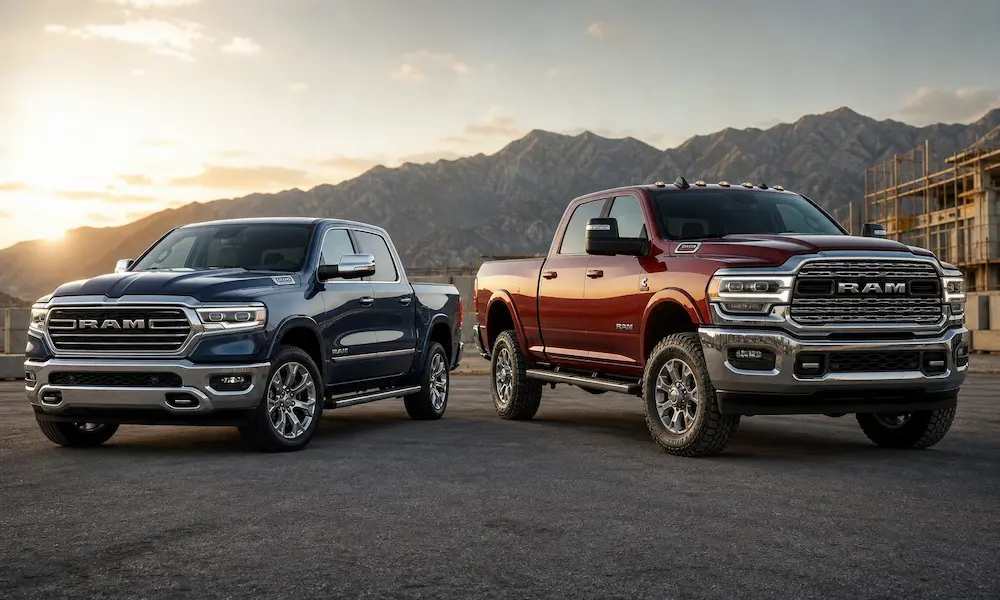
For most Ram 2500 and 3500 trucks built between 2007.5 and 2024, the 6.7 Cummins oil capacity is 12 US quarts with a filter change. That’s 11.4 liters. Without a filter swap, you’re looking at roughly 11 to 11.5 quarts depending on the year.
That said, “just pour in 12 quarts” isn’t quite the full story. There are year-specific variations, chassis-cab differences, and a somewhat confusing shift with the 2019 redesign. Let’s break it all down.
6.7 Cummins Oil Capacity by Year
Here’s the complete breakdown by generation:
| Model Year | Application | Capacity (With Filter) | Capacity (Without Filter) |
|---|---|---|---|
| 2007.5 – 2012 | Ram 2500/3500 | 12.0 qts (11.4 L) | 11.0 – 11.5 qts |
| 2013 – 2018 | Ram 2500/3500 | 12.0 qts (11.4 L) | 11.0 qts |
| 2019 – 2024 | Ram 2500/3500 | 12.0 qts (11.35 L) | 11.4 qts |
| 2019 – 2024 | Chassis Cab (4500/5500) | 12.0 – 13.0 qts | 12.0 qts |
| Aftermarket Deep Pan | Any Year | 14.0 – 15.0 qts | Varies |
The remarkable consistency of that 12-quart spec across nearly 20 years says a lot about how solid the B-series engine architecture really is.
One important note: always treat your dipstick as the final word. Some early 2007–2012 models read “Full” at 11.5 quarts. Pour in 12 blind and you might be slightly over. Check the stick every time.
What Changed in 2019?
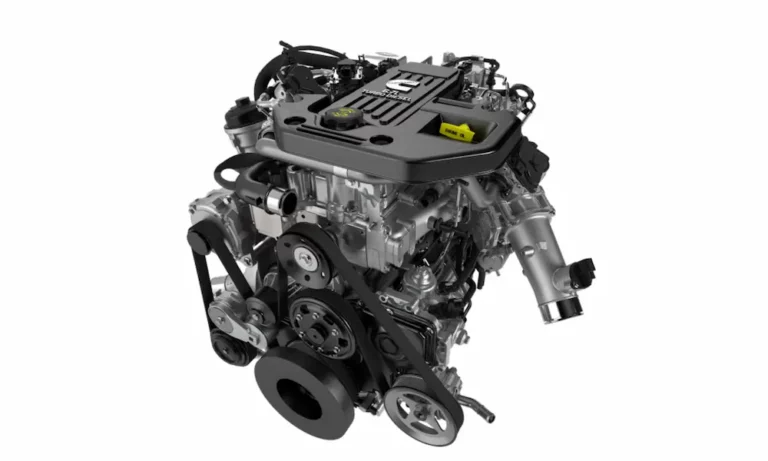
The 2019 model year brought the biggest shake-up to the 6.7 Cummins since it launched. Cummins swapped the traditional gray iron block for Compacted Graphite Iron (CGI), which cut about 60 pounds from the engine while making it stronger.
This redesign also changed the oil pan and the valvetrain. The older engines used manual overhead adjustments. The 2019+ motors use hydraulic lifters, which depend on precise oil pressure and volume to operate correctly.
You might see some third-party guides claim the 2019+ capacity dropped to 10 quarts. That’s a mix-up. The 10-quart figure applies to certain industrial B6.7 configurations, not the consumer Ram pickup. For your truck, 12 quarts remains the verified fill to hit the upper mark on the factory dipstick.
Overfilling a 2019+ Cummins is a real problem. Even 2 extra quarts can cause the crankshaft counterweights to whip through the oil surface, creating foam. Aerated oil can’t maintain the pressure the hydraulic lifters need, and you’ll get valvetrain noise or worse.
What Oil Type Does the 6.7 Cummins Need?
Capacity is only half the equation. The oil you put in must meet the engine’s chemical requirements — especially because of the diesel particulate filter (DPF).
Since 2007.5, the 6.7 Cummins has required low-ash oil. High-ash oils leave metallic deposits during DPF regeneration that can’t burn off. Over time, those deposits permanently clog the DPF. Replacement isn’t cheap.
Here’s how the oil standards have evolved:
| Specification | Role | Applicable Years |
|---|---|---|
| API CJ-4 | Initial low-ash standard | 2007.5 – 2016 |
| API CK-4 | Better oxidation & shear resistance | 2017 – Present |
| CES 20081 | Cummins internal standard | 2007.5 – 2018 |
| CES 20086 | Latest Cummins standard | 2019 – Present |
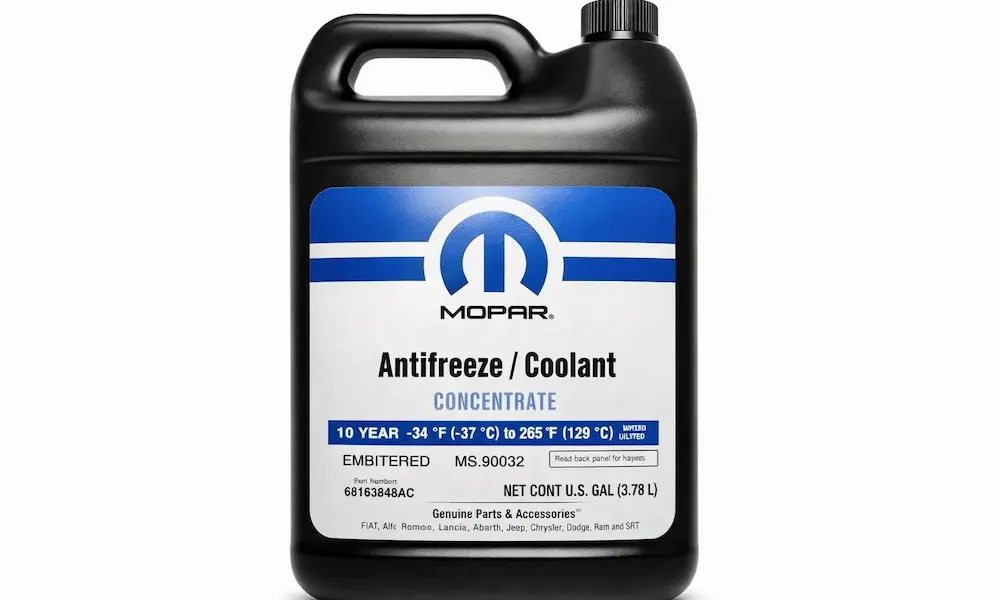
| MS-10902 | FCA/Chrysler material spec | 2007.5 – Present |
The variable geometry turbocharger (VGT) on the 6.7 Cummins uses oil for both bearing lubrication and cooling its actuator. If you run cheap oil that breaks down and cokes inside the turbo, the sliding nozzle ring seizes. You lose boost and exhaust braking. Don’t skip the CK-4 spec.
Viscosity: Which Weight Oil Should You Use?
The right viscosity depends on your model year and the climate you drive in.
| Model Year | Above 0°F | Below 0°F | Notes |
|---|---|---|---|
| 2007.5 – 2018 | 15W-40 | 5W-40 Synthetic | 15W-40 provides strong film strength for towing |
| 2019 – 2024 | 10W-30 | 5W-40 Synthetic | 10W-30 improves cold flow and fuel economy |
| All Years | 5W-40 Synthetic | 5W-40 Synthetic | Best year-round option for heavy-duty use |
The NHTSA Technical Service Bulletin TSB 18-028-19 makes this clear for 2019+ HD trucks: 10W-30 is preferred for general use, but 5W-40 synthetic is mandatory when temps regularly drop below 0°F. In those conditions, thicker cold-flow oil reaches the turbo and upper valvetrain fast enough to prevent metal-on-metal contact during startup.
A separate NHTSA TSB on 6.7L oil usage further clarifies oil selection guidance for newer model years — worth reading if you’re unsure about your specific configuration.
If you tow heavy year-round and want one oil that handles everything, 5W-40 full synthetic is the cleanest choice across all years.
Don’t Ignore the Oil Filter Volume
The oil filter on a 6.7 Cummins isn’t small. A standard Mopar or Fleetguard filter holds roughly 0.7 to 0.95 quarts. That’s why the capacity jumps from 11 to 12 quarts when you swap the filter. Skip the filter and you refill less.
Here’s a quick look at popular filter options for the 6.7 Cummins:
| Filter | Media | Micron Rating | Notes |
|---|---|---|---|
| Mopar / Fleetguard | Cellulose | 25 microns | OEM standard, reliable flow |
| Doc’s Diesel D5335 | Upgraded Synthetic | 25 microns @ 99% | Enhanced materials, strong grip |
| PPE MicroPure XR | Synthetic Microfiber | 5 microns | Neodymium magnet, 15% more surface area |
| Donaldson Blue | Synteq | 15 microns | Full synthetic for extended drain intervals |
Performance filters like the PPE MicroPure XR catch significantly finer particles than stock cellulose units — 5 microns vs 20–25 microns. These filters also hold slightly more oil, so you may need a touch more to hit the “Full” line. Always verify with the dipstick.
One pro tip: pre-fill your filter with fresh oil before installation. It shortens the dry-running period on startup, which protects the turbo bearings before oil pressure builds.
How to Do the Oil Change Right
Precision matters here. Follow these steps every time:
- Warm the engine first. Hot oil flows freely and carries out more suspended contaminants. Let it drain completely — overnight if possible. Extended draining can pull out an extra 8–24 ounces of old oil.
- Inspect the drain plug and gasket. Torque it to exactly 37 ft-lbs (50 Nm). Over-torque strips the threads in the stamped steel pan. Under-torque and it vibrates loose.
- Prep the filter. Wipe the sealing surface clean on the block. Put a light film of fresh oil on the new filter’s rubber seal to prevent galling and future removal headaches.
- Add roughly 10.5 to 11 quarts first. Don’t dump the full 12 in before you check.
- Start it and let it idle for 30–60 seconds. This primes the filter and pushes oil through the full lubrication circuit.
- Shut it off. Wait 15–30 minutes. The 6.7 Cummins has large oil return passages in the cylinder head. They take time to drain back down to the sump. Check too soon and your reading will be off.
- Check the dipstick and top up slowly. The range between “Add” and “Full” is typically 2 quarts. Add in small increments until you hit the upper portion of the safe zone.
Aftermarket Deep Pans: Worth It?
If you regularly tow at capacity or push your truck hard, an aftermarket aluminum oil pan is a legitimate upgrade. Most bump total capacity to 14–15 quarts.
Here’s what that extra volume actually does for you:
- Slower heat buildup during long mountain grades — more fluid mass absorbs more heat
- Less oil aeration — larger sump surface means less foam at high RPM
- Better ambient cooling — finned aluminum construction pulls heat into the air
- Extended additive life — more oil dilutes soot and acids more effectively
The catch? You can’t use the factory dipstick as-is. Most aftermarket pans include a revised dipstick, or you’ll need to recalibrate the factory one. The process is straightforward: drain the engine completely, add the specified volume for your pan, run it, then mark the dipstick yourself where the oil actually sits.
What Happens When You Get the Volume Wrong?
It’s worth spelling out what’s at stake.
Overfilling — even by 2 quarts — puts the crankshaft counterweights in contact with the oil surface. They whip the oil into foam. Aerated oil can’t hold up a hydrodynamic bearing film. The result is accelerated wear on main bearings and the turbocharger, potentially leading to catastrophic failure.
Underfilling — or running too long between changes — lets soot concentrate past the oil’s dispersancy limit. Soot in a 6.7 Cummins is highly abrasive. It can clog the variable geometry turbo actuator passages or polish the cylinder liners, which means increased oil consumption and an engine that burns what it’s supposed to protect itself with.
The normal service interval for 2013 and newer engines is 15,000 miles, 6 months, or 500 hours — whichever comes first. For severe duty like consistent heavy towing, cut that to 7,500 miles.
Quick Reference: 6.7 Cummins Oil Specs
| Parameter | Specification |
|---|---|
| Oil capacity (with filter) | 12.0 US quarts (11.4 L) |
| Oil capacity (without filter) | 11.0 – 11.5 qts depending on year |
| Drain plug torque | 37 ft-lbs (50 Nm) |
| Required API spec | CK-4 (2017+), CJ-4 (2007.5–2016) |
| Required Cummins spec | CES 20086 (2019+), CES 20081 (earlier) |
| FCA material spec | MS-10902 |
| Normal service interval | 15,000 miles / 6 months / 500 hours |
| Severe service interval | 7,500 miles |
The 6.7 Cummins is built to go a million miles. Getting the oil capacity right — and the oil type right — is the single most important thing you can do to make sure it actually does.