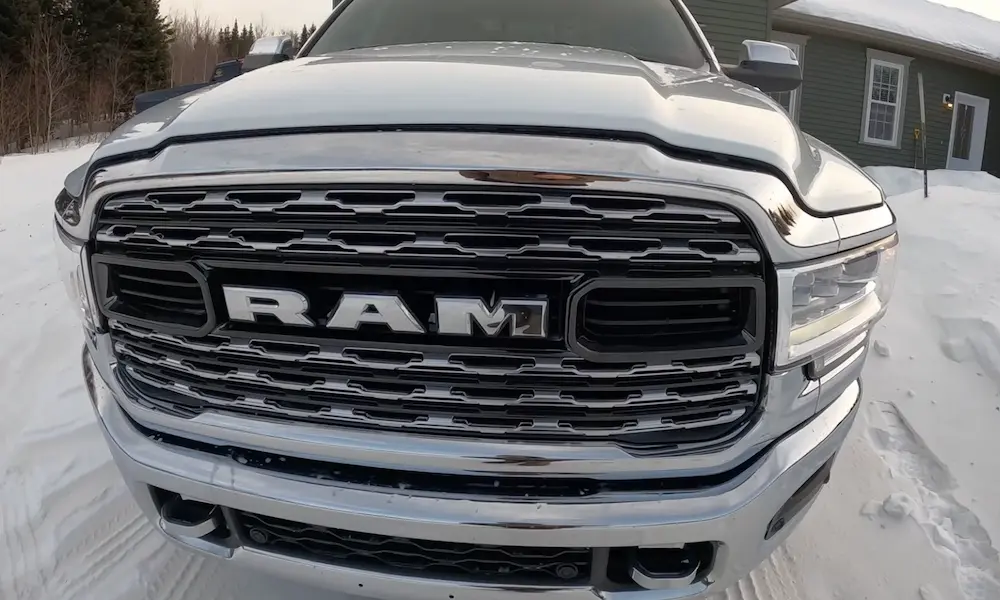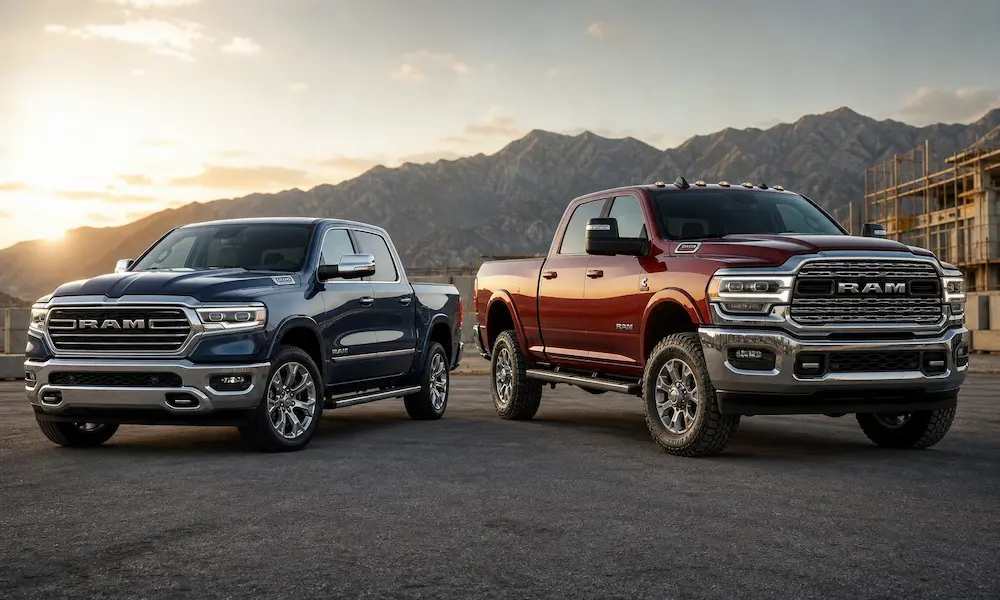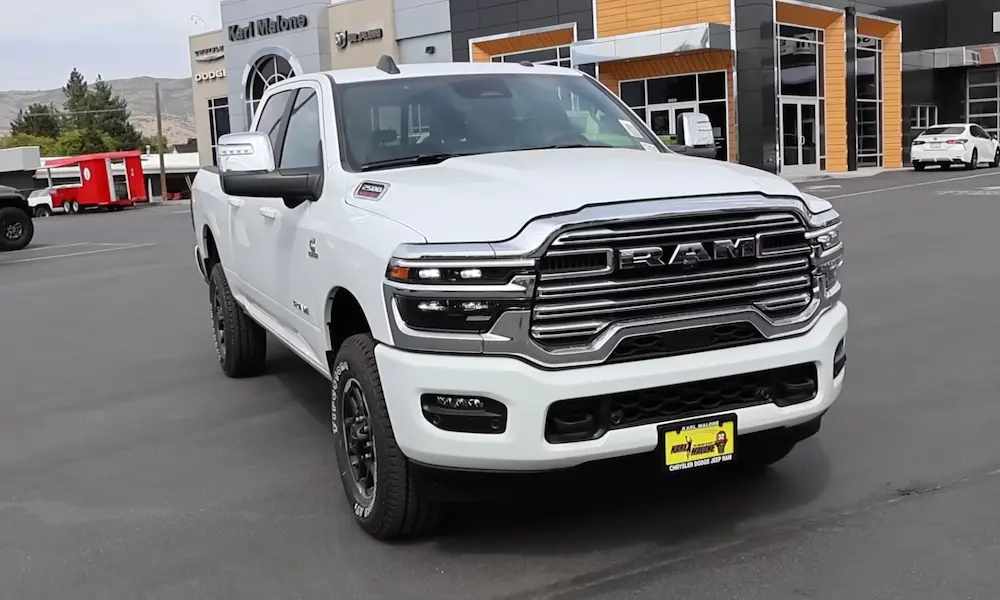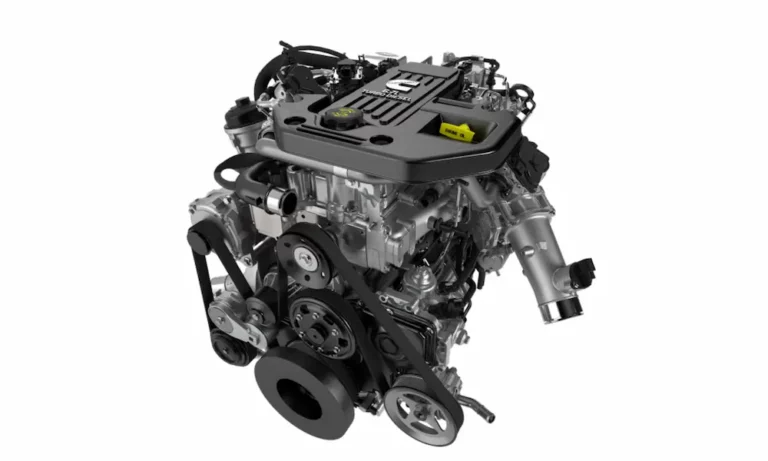
So you want the full breakdown of 6.7 Cummins specs? Whether you’re buying a Ram Heavy Duty, maintaining one, or just geeking out on diesel engineering, you’re in the right place. This guide covers every major spec, generation update, and maintenance detail you need. Stick around — the fuel pump section alone could save you thousands.
What Is the 6.7 Cummins Engine?
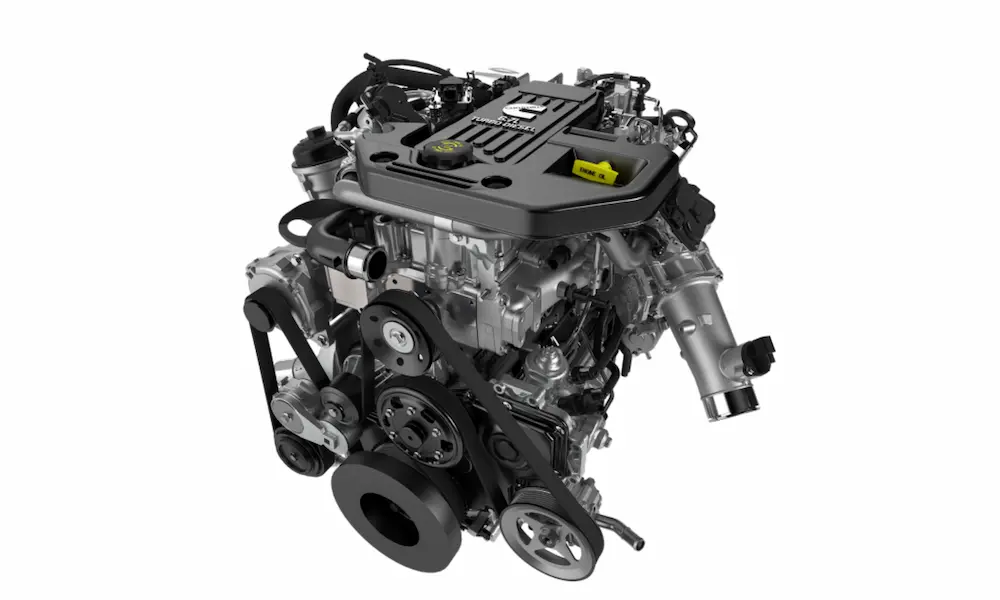
The 6.7L Cummins Turbo Diesel debuted mid-2007, replacing the beloved 5.9L. It wasn’t just a bigger 5.9L — Cummins redesigned the whole platform to meet stricter EPA emissions rules while pushing towing capability further than ever.
Here’s the quick snapshot:
- Configuration: Inline 6-cylinder (I6)
- Displacement: 6.7 liters / 408 cubic inches
- Bore x Stroke: 4.21 x 4.88 inches
- Compression Ratio: 17.3:1
- Length x Width x Height: 49.76 x 35.85 x 33.74 inches
- Dry Weight: ~1,150 lbs
Since 2007, Cummins has built over 3 million of these engines for the Ram platform alone. That’s not a coincidence — it’s a track record.
6.7 Cummins Horsepower and Torque by Year
This is where things get fun. The 6.7 Cummins specs for horsepower and torque have climbed dramatically since 2007.
| Year Range | Horsepower | Torque (lb-ft) | Transmission |
|---|---|---|---|
| 2007.5–2012 | 350 hp | 650–660 lb-ft | G56 6-Speed Manual |
| 2013–2018 | 370 hp | 800 lb-ft | 68RFE / Aisin |
| 2019–2024 Standard Output | 370 hp | 850 lb-ft | 68RFE 6-Speed Auto |
| 2019–2024 High Output | 420 hp | 1,075 lb-ft | Aisin AS69RC |
| 2025 (New) | 430 hp | 1,075 lb-ft | ZF 8-Speed Auto |
| Chassis Cab (Commercial) | 360 hp | 800 lb-ft | Aisin AS69RC |
The jump from 650 lb-ft to 1,075 lb-ft over roughly 15 years is genuinely remarkable. No other consumer diesel has made that leap on the same basic platform.
Block and Internal Specs: What Changed in 2019
The 2007.5–2018 block used deep-skirt gray cast iron with a Siamese bore design. It was heavy but tough. Then in 2019, Cummins made the biggest structural change in the engine’s history.
The Compacted Graphite Iron Upgrade
To hit the 1,000 lb-ft milestone, engineers switched to Compacted Graphite Iron (CGI) for the block. Here’s why that matters:
- CGI is up to 75% stronger than gray cast iron
- The new block weighs 60 lbs less despite being stronger
- Wall thickness decreased because the material handles stress better
| Component | 2007.5–2018 | 2019–Present |
|---|---|---|
| Block Material | Gray Cast Iron | Compacted Graphite Iron |
| Bore | 4.21 in | 4.21 in |
| Stroke | 4.88 in | 4.88 in |
| Head Bolts | 12mm | 14mm |
| Weight Reduction | Baseline | −60 lbs |
| Connecting Rods | Forged Steel / Powder Metal | Forged Steel (HO) |
| Crankshaft Flange | 8-bolt | 10-bolt |
The 14mm head bolts are worth noting — the added clamping force directly addresses head gasket concerns that older tuned engines sometimes experienced.
Valvetrain: Goodbye Valve Adjustments
Pre-2019 engines used solid lifters. That meant a valve lash adjustment every 150,000 miles — something most owners either forgot or dreaded. The 2019+ engines switched to hydraulic roller lifters, which self-adjust automatically. No more scheduled lash checks, and significantly less engine clatter as a bonus.
The Holset Variable Geometry Turbocharger
The 6.7 Cummins runs a Holset Variable Geometry Turbocharger (VGT) — and this technology is a big reason why the engine tows so confidently.
How the VGT Works
Unlike a fixed turbo, the VGT uses movable vanes to change internal geometry based on engine demand:
- At low RPM: Vanes close → smaller effective housing → faster spool-up → instant torque
- At high RPM: Vanes open → maximum exhaust flow → peak horsepower without excessive backpressure
This means you get the best of both worlds: punchy low-end torque for pulling away from stops and strong top-end power for highway passing.
The Built-In Exhaust Brake
Here’s a feature Ram owners love: the VGT doubles as an exhaust brake. When you lift off the throttle, the vanes close and create backpressure in the exhaust manifold. That backpressure resists piston movement and slows the truck without touching the service brakes. If you regularly tow down mountain grades, this feature alone is worth its weight in brake pads.
| VGT Feature | Detail | Benefit |
|---|---|---|
| Control Method | Electronic Actuator | Precise boost across all RPMs |
| Exhaust Brake | Sliding Nozzle Ring | Reduces brake wear; safer towing |
| Compressor Wheel (2019+) | Forged Milled | Higher boost durability |
| Max Factory Boost | ~30–33 PSI | Dense air charge for cleaner combustion |
Fuel System Specs: The CP3 vs. CP4 Story
This section matters — especially if you own a 2019 or 2020 model.
The 6.7 Cummins uses a Bosch High-Pressure Common Rail injection system. From 2007.5 through 2018, it used the Bosch CP3 pump — widely considered one of the most reliable high-pressure pumps ever made.
The CP4 Problem
In 2019, Cummins switched to the Bosch CP4.2 pump. It was lighter and capable of higher pressures. The problem? It was designed for European diesel fuel, which has a lubricity rating around 460 microns. American Ultra-Low Sulfur Diesel runs around 520 microns — less lubricating. The CP4.2 couldn’t handle that consistently.
When it failed, it sent fine metal shavings through the entire fuel system. The fix wasn’t cheap: injectors, lines, the tank — everything needed replacement.
In late 2021, Stellantis issued a recall for 2019 and 2020 Ram trucks to swap the CP4.2 for a reinforced version of the CP3. That solved it. If you own a 2019–2020 Ram with the 6.7 Cummins, verify that recall work has been done.
Fuel Filtration
Modern 6.7 Cummins engines use a dual-filter setup:
- Primary filter + water separator — mounted near the fuel tank
- Secondary fine filter — mounted on the engine
Replace both every 15,000 miles. Given what happens when contaminated fuel reaches the injection system, this is not a maintenance item to skip.
Emissions Systems: EGR, DPF, and SCR Explained
The 6.7 Cummins runs a full aftertreatment stack to meet federal emissions standards.
Exhaust Gas Recirculation (EGR): Routes cooled exhaust gas back into the intake. This lowers peak combustion temperatures, which reduces Nitrogen Oxide (NOx) formation at the source. Inspect the EGR cooler and valve periodically — carbon buildup is common on high-mileage trucks.
Diesel Particulate Filter (DPF): A ceramic honeycomb that traps soot. When it fills up, the engine triggers a “regen” cycle — extra fuel heats the exhaust, burning the trapped soot into fine ash. Let regens complete fully. Interrupting them repeatedly leads to premature DPF clogging.
Selective Catalytic Reduction (SCR): Added to Ram pickups in 2013, this system injects Diesel Exhaust Fluid (DEF) — a urea solution — into the exhaust stream. A catalyst converts DEF and NOx into harmless nitrogen and water vapor. Your DEF tank holds 5.7 gallons and needs a refill roughly every 5,000–7,000 miles.
| System | Function | Maintenance Needed |
|---|---|---|
| EGR | Reduces combustion temperature | Inspect cooler and valve periodically |
| DPF | Traps soot particles | Complete regen cycles fully |
| SCR | Neutralizes NOx emissions | Refill DEF every 5,000–7,000 miles |
6.7 Cummins Fluid Capacities and Maintenance Schedule
Get these right and this engine will run well past 300,000 miles.
Engine Oil
- Capacity: 12 quarts
- 2019+ spec: 10W-30 (API CK-4) for temps above 0°F
- Cold climates (below 0°F): 5W-40 full synthetic
- Change interval: Every 15,000 miles
Cooling System
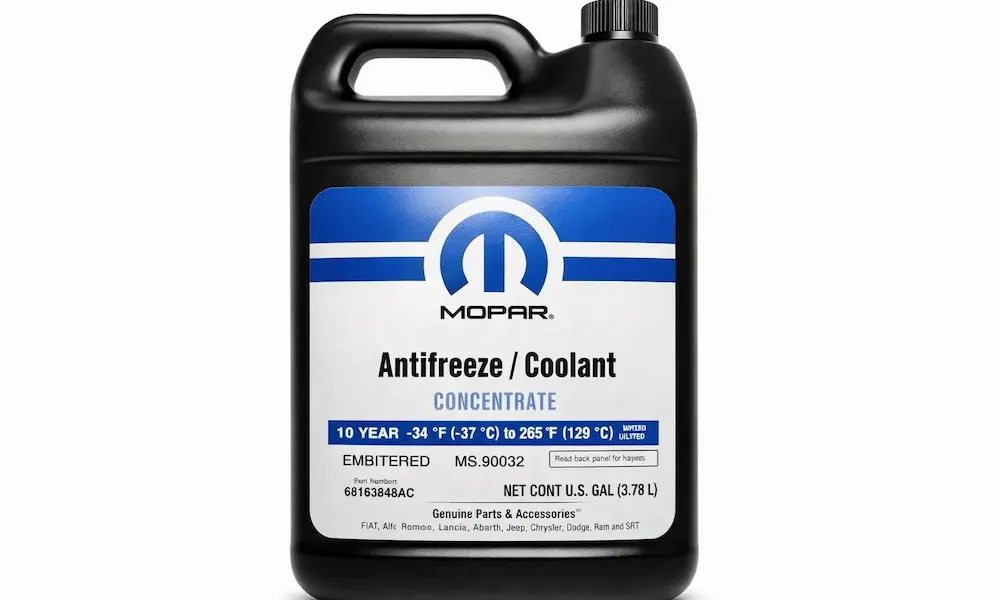
- Capacity: ~22–23.8 quarts
- Fluid type: 50/50 distilled water + OAT antifreeze
- Flush interval: Every 150,000 miles or 10 years (more frequently for heavy towers)
Crankcase Ventilation (CCV) Filter
This one’s easy to overlook. The CCV filter sits on the valve cover and removes oil mist from crankcase gases before they recirculate into the intake. A clogged CCV filter raises crankcase pressure and can push oil past turbo seals, valve cover gaskets, and crankshaft seals.
Official interval: 67,500–75,000 miles. For trucks doing heavy towing or high idle time, change it at 30,000–50,000 miles instead.
Standard Output vs. High Output: Which One Do You Have?
The Standard Output and High Output variants aren’t just numbers on a window sticker — they use different transmissions entirely.
- Standard Output (370 hp / 850 lb-ft): Paired with the 68RFE 6-speed automatic. Available in Ram 2500 and 3500.
- High Output (420 hp / 1,075 lb-ft): Paired exclusively with the Aisin AS69RC 6-speed automatic — a heavier-duty unit with greater heat capacity. Available only in Ram 3500.
The Aisin can handle the torque; the 68RFE was never designed for 1,000+ lb-ft. That’s why the HO variant is locked to the Aisin.
What’s New for 2025
The 2025 6.7L Cummins update brings several meaningful changes:
- Power bump: 430 hp, 1,075 lb-ft
- New ZF 8-speed automatic transmission — better gear spacing, smoother shifts, improved fuel economy
- Helical synchronizing gears in the valvetrain — significantly reduces the mechanical noise characteristic of older gear-driven diesels
- Top-side filter access — oil filter and both fuel filters now accessible from above for faster, cleaner service
- Over-the-air software updates via Cummins Connected Diagnostics
Commercial B6.7 vs. Ram Pickup: Key Differences
The same basic engine powers school buses, delivery trucks, and vocational vehicles under the B6.7 name. Here’s how it compares to the pickup version:
| Feature | Ram 6.7L Pickup | Commercial B6.7 |
|---|---|---|
| Max Horsepower | 420–430 hp | 325–360 hp |
| Oil Capacity | 12 quarts | 16–19.5 quarts |
| Oil Change Interval | 15,000 miles | Up to 30,000 miles / 1,000 hours |
| CCV Filter | Replaceable (owner-serviced) | Maintenance-free (2021+) |
Commercial engines run lower peak power but are built for higher duty cycles and longer service intervals. The larger 19.5-quart oil pan alone is a major factor in why fleet operators can stretch oil changes that far.
The Bottom Line on 6.7 Cummins Reliability
This engine has a well-documented path to 300,000+ miles when maintained properly. The CGI block update in 2019 made an already strong platform stronger. The CP4 recall resolved the biggest reliability concern of the 5th generation. And the 2025 updates move the platform forward without abandoning what made it great.
The key habits that keep a 6.7 Cummins healthy:
- Change both fuel filters at 15,000 miles
- Don’t interrupt DPF regeneration cycles
- Keep the DEF tank filled
- Replace the CCV filter early if you tow hard
- Verify CP4 recall completion on 2019–2020 trucks
Treat it right and this engine will outlast just about anything else you can buy at a Ram dealership.