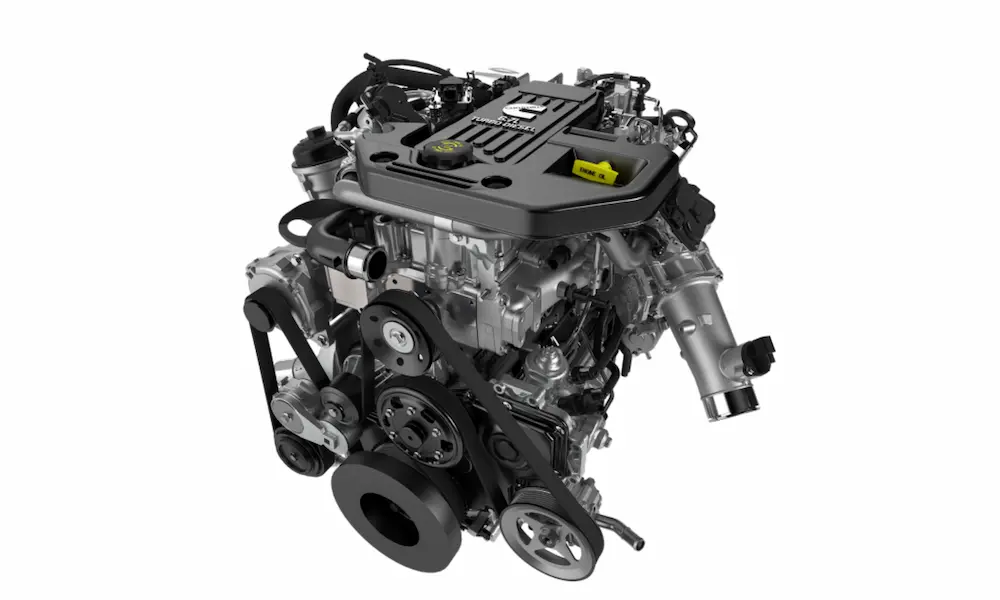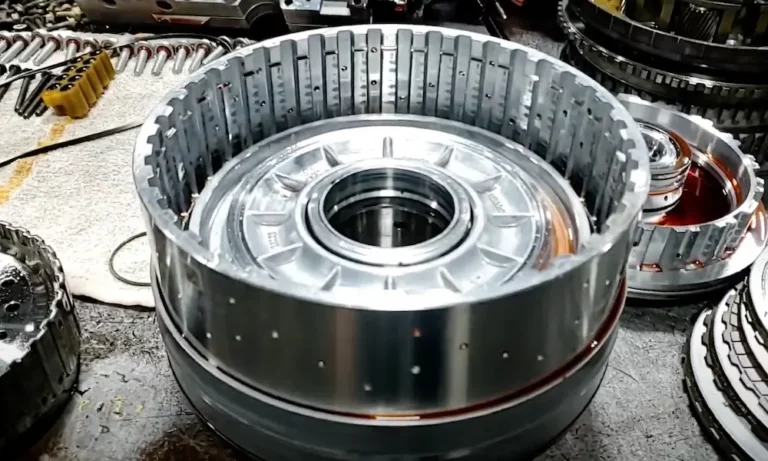
Got a Ram 2500 or 3500 with the 6.7L Cummins? Then you’ve probably heard the horror stories about the 68RFE transmission. Some of them are true. This guide breaks down exactly what fails, why it fails, and what you can do about it — whether you’re trying to keep your stock truck alive or building something that can actually handle the Cummins’ power.
What Is the 68RFE Transmission?
The 68RFE is a six-speed, fully electronic automatic transmission that Chrysler paired with the 6.7L Cummins diesel starting in the 2007.5 model year. The name tells you a lot: six forward gears, heavy-duty torque rating, rear-wheel-drive layout, and fully electronic controls.
It replaced the old four-speed 48RE, and Chrysler built it to compete with Ford’s 5R110 TorqShift and GM’s Allison 1000. Here’s the catch — the 68RFE wasn’t a ground-up design. It evolved from the 45RFE and 545RFE families, which were built with passenger car comfort in mind — not commercial durability.
That design philosophy created a soft-shifting hydraulic strategy that feels smooth on the road but leaves the clutches vulnerable under serious load.
Here’s the gear ratio breakdown:
| Gear | Ratio |
|---|---|
| 1st | 3.23:1 |
| 2nd | 1.84:1 |
| 3rd | 1.41:1 |
| 4th | 1.00:1 |
| 5th | 0.82:1 |
| 6th | 0.63:1 |
| Reverse | 4.44:1 |
The #1 68RFE Transmission Problem: Overdrive Clutch Failure
Ask any diesel tech about 68RFE transmission problems, and they’ll say the same thing — the overdrive clutch pack.
Fourth, fifth, and sixth gears all depend on the overdrive circuit. That’s where you spend most of your highway miles. When it goes, you lose those gears entirely and drop into limp mode.
Why the Overdrive Clutch Fails
The engineering problem is surprisingly simple: the friction plates are too thin. The overdrive clutch steels are only 0.034 inches thick, compared to 0.080 inches in a comparable heavy-duty unit like the 4L80-E.
Thin plates mean low thermal mass. They can’t absorb heat fast enough during hard engagement. Any slippage — even brief — warps the plates. Once they’re warped, the clutch pack clearance goes out of spec, and you get a permanent dragging condition that burns everything up.
On top of that, the overdrive housing itself flexes under high pressure. That uneven piston force speeds up the heat buildup and pushes the failure even faster.
If you tow heavy, run oversized tires, or have added any tune to your truck, the overdrive clutch failure risk goes up dramatically.
Signs your overdrive clutch is going:
- “Flare” sensation during upshifts into 4th or 5th
- Loss of 4th through 6th gear
- Transmission drops into second-gear or fourth-gear limp mode
- Code P0734 or P0871 stored in the TCM
Valve Body Problems and Hydraulic Failures
The valve body is the hydraulic brain of the 68RFE. It routes fluid pressure to the right clutch packs based on TCM commands. When it fails, everything downstream suffers.
Worm Track Erosion
High-velocity fluid wears down the cast aluminum channels inside the valve body over time — especially in tuned trucks with elevated line pressure. This creates cross-leaks between adjacent hydraulic circuits.
A cross-leak is nasty because it can partially apply one clutch while another is active. That creates soft shifts, inconsistent engagement, and accelerated clutch wear across the board.
Solenoid Switch Valve Wear
The solenoid switch valve (SSV) cycles constantly to manage torque converter lockup and the low/reverse circuits. All that cycling wears out the bore. When the bore gets oversized, the valve cocks or sticks.
A stuck SSV triggers codes P1775 or P1776 and prevents proper torque converter lockup. Without lockup, the converter slips, generates heat, and starts contaminating your fluid with metallic debris.
Accumulator Piston Issues
The factory accumulator pistons are plastic. They use only two seals and vent fluid pressure during gear shifts. That soft engagement is what causes the mushy shift feel — and it accelerates clutch wear every single time.
The backing plate holding these pistons is soft metal that can bend under elevated line pressure. In extreme cases, the mounting screws shear off and the pistons leave their bores entirely.
| Component | Failure Mode | Result |
|---|---|---|
| Accumulator plate | Screw shearing or bending | Catastrophic pressure loss |
| Separator plate | Warping from heat | Cross-leaks between circuits |
| Accumulator pistons | Plastic fatigue and seal leakage | Soft shifts, clutch wear |
| Check valves | Debris blockage or splitting | Pump cavitation, lube failure |
Torque Converter Problems
The stock torque converter is widely considered one of the weakest links in the entire 68RFE system, especially in trucks that tow regularly or have any power added.
Lockup Clutch Failure and Shudder
The factory converter uses a single-disc lockup clutch. It doesn’t have enough surface area to stay locked against a high-torque Cummins under load. When it slips, you feel a shudder — typically between 35 and 55 mph under light to moderate throttle.
That slippage dumps heat into the fluid fast. It glazes the friction material, making the shudder permanent.
Worse, a slipping lockup clutch releases metallic debris into the fluid. That debris circulates through the pump, valve body, and solenoids. It scores valve bores, clogs solenoid screens, and triggers secondary failures across the transmission.
In extreme cases, the converter cover physically balloons under load. When that happens, internal components grind together and you’re looking at a complete transmission replacement — plus the cooling system.
The Overheating Problem
Heat kills 68RFE transmissions. It’s that straightforward. The transmission fluid — ATF+4 — has a specific thermal operating window. Go outside it regularly, and you’re shortening the life of every clutch pack and seal inside the unit.
| Fluid Temperature | Risk Level |
|---|---|
| 180–195°F | Optimal — minimal wear |
| 200–215°F | Fluid starts to oxidize |
| 220–235°F | Varnish forms, seals harden |
| 240°F+ | Clutch damage, seal rupture |
The Thermal Bypass Valve Problem
The factory thermal bypass valve is supposed to divert fluid away from the cooler until it warms up in cold weather. The problem is it frequently sticks closed. When it’s stuck, fluid never reaches the cooler — even when you’re towing uphill in summer heat.
Temperatures can spike above 240°F during hard towing with a stuck bypass valve. At that temperature, rubber seals harden and stop holding pressure. Internal leaks develop. Clutches start slipping.
The fix: Replace the bypass valve with a full-flow bypass block. Combined with an aftermarket deep-sump aluminum pan, this is one of the best bang-for-your-buck upgrades for thermal protection.
Electronic Controls and Adaptive Learning
The 68RFE’s TCM uses adaptive learning to maintain shift quality as the transmission wears. It tracks a value called the Clutch Volume Index (CVI) — essentially, how much fluid it takes to fill each clutch piston’s stroke.
As friction material wears, the CVI increases. The TCM adjusts shift timing to compensate. When CVIs go out of range — from excessive wear or a hydraulic leak — the TCM detects a ratio error and triggers limp mode.
| Clutch | Gear Application |
|---|---|
| Underdrive (UD) | 1st, 2nd, 3rd, 4th |
| Overdrive (OD) | 4th, 5th, 6th |
| 2nd Clutch (2C) | 2nd, 6th |
| 4th Clutch (4C) | 3rd, 5th |
| Low/Reverse (LR) | 1st, Reverse, Park, Neutral |
One thing worth knowing: 2019 and newer trucks have a software feature called the Underdrive purge test. This test cycles the underdrive clutch for diagnostic purposes, but it can cause premature wear — especially in tuned or heavily loaded trucks. Many performance tuners recommend disabling it through TCM reprogramming.
68RFE Diagnostic Trouble Codes
When something goes wrong, the TCM stores a DTC. Knowing what these codes actually mean saves you time and money at the shop.
| DTC | Description | Likely Cause |
|---|---|---|
| P0734 | 4th Gear Incorrect Ratio | Slip in OD or UD clutch |
| P0871 | OD Pressure Switch Sense Circuit | Worn SSV bore or warped separator plate |
| P0740 | TCC Control Circuit | Torque converter lockup failure |
| P0868 | Line Pressure Low | Internal leak or pump failure |
| P1776 | SSV Latched in LR Position | Switch valve physically stuck |
| P0944 | Loss of Prime | Split filter, pump can’t draw fluid |
P0871 is a common source of confusion. It sounds electrical, but the root cause is usually mechanical — high pressure bypassing worn valve body seals and partially applying the OD clutches. Techs often use vacuum testing on valve body bores to confirm casting wear before recommending a rebuild.
Safety Recalls You Need to Know About
The 68RFE has been involved in some serious safety recalls. These aren’t minor warranty issues.
Transmission fluid leak and fire hazard — NHTSA Recall 22V-904 covered roughly 250,000 Ram 2500 and 3500 trucks from model years 2020–2023. Pressure and heat could expel fluid from the dipstick tube. If that fluid hit a hot engine component, it could ignite. Check your VIN if you own one of these trucks.
Brake Transmission Shift Interlock failure — NHTSA Recall 17V-821 affected over 1.4 million vehicles including Ram pickups with the 68RFE. A locking pin could stick open, letting the shifter move out of Park without your foot on the brake — or even without a key in the ignition. That’s an unintended rollaway risk.
Chrysler has also issued multiple Technical Service Bulletins for the 68RFE, including TSB 21-008-21, which addresses harsh upshifts and gear ratio errors through a TCM software update.
Aftermarket Upgrades That Actually Work
The 68RFE’s weaknesses are well-documented, and the aftermarket has built real solutions for them.
Billet Components
- Billet channel plates replace the porous cast aluminum valve body housing. Billet resists worm track erosion because it’s non-porous and machines to tighter tolerances.
- Billet accumulator pistons with five seals instead of two eliminate internal pressure venting. Shifts become firmer and more consistent.
- Billet input and output shafts for high-power builds prevent shaft twist or breakage under extreme torque loads.
Triple-Disc Torque Converter
Replacing the factory single-disc converter with a triple-disc billet unit is one of the most impactful upgrades available. Three friction discs mean three times the surface area. The lockup clutch stays locked, shudder goes away, and heat generation drops significantly during highway driving.
Line Pressure Upgrades
The factory TCM caps line pressure at around 160–170 psi. That’s not enough clamping force to prevent slippage during hard towing or aggressive tunes. Electronic pressure control modules can push that to 250 psi, giving the clutch packs the clamping force they need to stay put.
Here’s a quick reference for build stages if you’re planning a rebuild:
| Build Stage | Power Target | Best Use |
|---|---|---|
| Stock Plus | Stock to mild tune | Daily driving, light ag work |
| Stage 1 | Up to 500 HP | Frequent towing, work trucks |
| Stage 2 | Up to 750 HP | Performance street, heavy towing |
| Stage 3 | 900+ HP | Competition, sled pulling |
Post-Service Requirements You Can’t Skip
A rebuilt or replacement 68RFE needs specific setup procedures. Skip them and you’ll damage it within the first few hundred miles.
Quick Learn Procedure
Any time the valve body or entire transmission is serviced, the TCM needs a Quick Learn procedure performed with a capable scan tool. This cycles each clutch pack and records fresh CVI values. Without it, the TCM applies pressures based on old wear data from the previous unit, which glazes clutches almost immediately.
Cooler Cleaning and Flow Testing
When a 68RFE fails, the torque converter often releases metallic debris that gets trapped in the transmission cooler and lines. Standard aerosol flushing doesn’t remove it. A proper hot flush with flow reversal is required.
The cooler needs to flow approximately 1.5 gallons per minute at idle. If it can’t hit that number, replace it. Putting a fresh transmission behind a contaminated cooler is one of the most expensive mistakes you can make.
Torque Specs That Matter
| Fastener | Torque |
|---|---|
| Bellhousing to block | 50 ft-lb |
| Converter to flexplate | 65 ft-lb (with threadlocker) |
| Transfer case nuts | 26 ft-lb |
| Deep pan bolts | 88 in-lb |
Using converter bolts that are too long can punch through the back of the converter clutch. That’s an immediate failure. Always verify bolt length before installing.
Fluid Maintenance Is Non-Negotiable
Don’t trust the extended drain interval from the factory. Change your ATF+4 and both internal filters every 25,000 to 30,000 miles — more often if you tow heavy in hot weather.
Only use full-synthetic ATF+4 that meets Chrysler’s spec. Universal fluids don’t provide the correct friction coefficients for the 68RFE’s thin overdrive clutches. Using the wrong fluid is a slow death sentence for the OD pack.
Fresh fluid removes wear particles before they become abrasives. It maintains the friction properties the clutches depend on. It’s the cheapest insurance you can buy for a transmission that costs thousands to rebuild.
The 68RFE isn’t a bad transmission if you understand what it needs. It’s thin clutch plates, a soft valve body, a marginal torque converter, and a heat sensitivity problem — all with documented fixes. Address those weak points proactively, keep the fluid fresh, and manage operating temperatures, and this transmission will hold up to everything the Cummins throws at it.