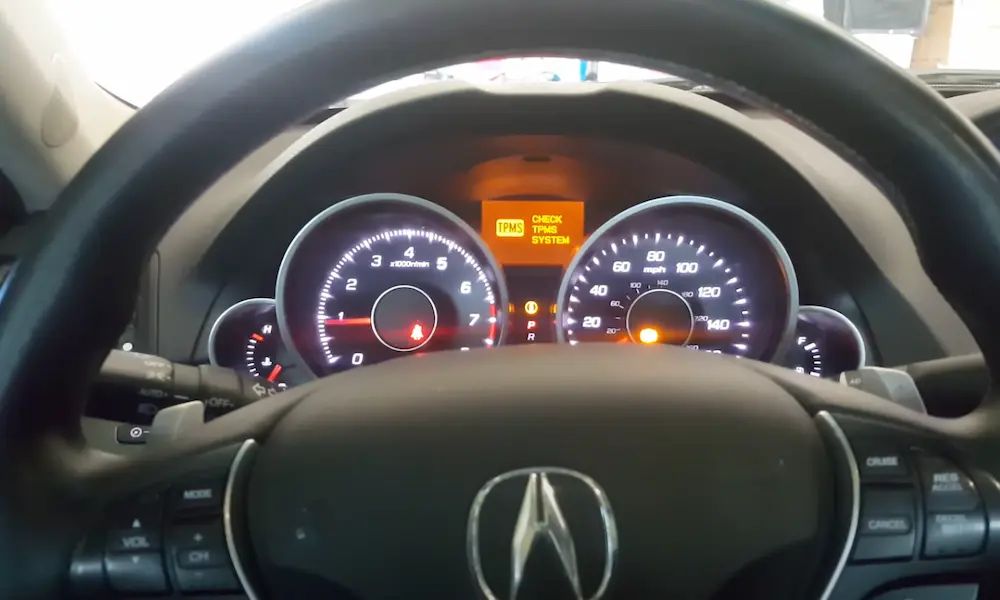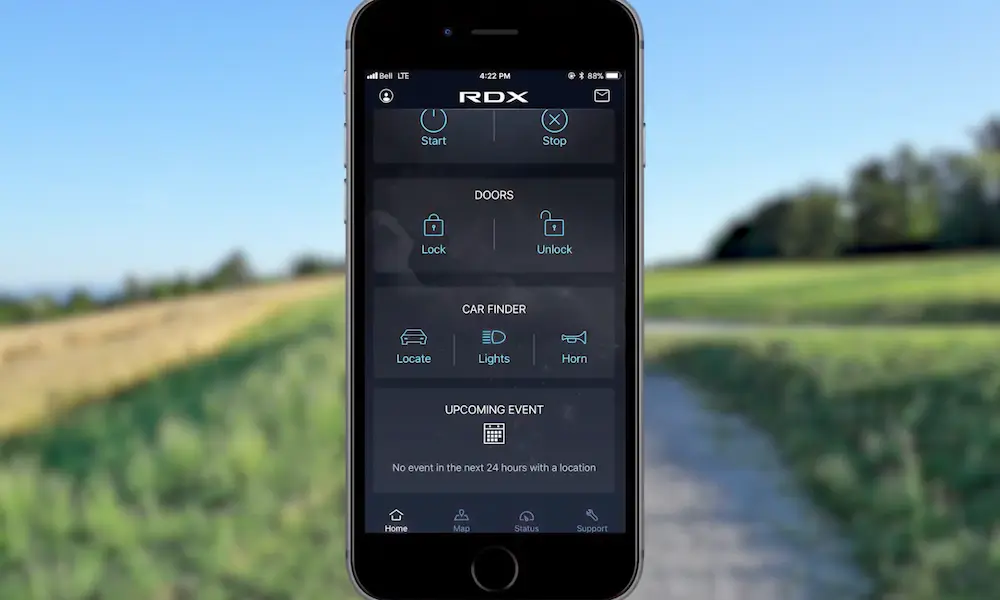
Your dashboard just flashed “A13” and you’re not sure what to do next. Here’s the thing — this isn’t just a routine oil change reminder. It’s a signal that three specific things need attention, and ignoring it can cost you thousands. Read through this, and you’ll know exactly what to do.
What Is the Acura A13 Service Code?
The A13 code comes from Acura’s Maintenance Minder™ system — a smart onboard computer that tracks over 200 operating parameters in real time. It doesn’t just count miles. It watches your driving habits, engine temperatures, trip lengths, and more. Then it tells you precisely when your car needs service.
The A13 code breaks down into three parts:
- A → Engine oil change
- 1 → Tire rotation
- 3 → Transmission fluid replacement (plus transfer case fluid on AWD models)
Think of it as three services rolled into one alert. Each letter and number is a specific job, and they all matter.
How the Maintenance Minder Decides When to Trigger A13
The system starts with fresh oil at 100% life. As you drive, it subtracts from that percentage based on how hard your car is working.
| Condition | Effect on Service Interval |
|---|---|
| Highway cruising in mild weather | Longer interval — up to 10,000+ miles |
| Frequent short trips (engine never fully warms up) | Shorter interval — moisture builds in oil |
| Stop-and-go city traffic | Accelerated wear calculation |
| Towing or mountain driving | Can trigger service as early as 5,000 miles |
| Extreme heat or cold | Speeds up fluid oxidation |
Here’s how the alerts appear on your dashboard:
| Oil Life % | Message | What You Should Do |
|---|---|---|
| 15% | Service Due Soon | Start booking an appointment |
| 5% | Service Due Now | Get it done immediately |
| 0% | Service Past Due | You’ve gone beyond the safe window |
At 0%, the system actually starts tracking negative mileage. That data matters for warranty claims and resale value — it’s a paper trail of how you treated your car.
Breaking Down Each Part of A13
Code A: Engine Oil Change
The “A” means your engine oil needs replacing. Acura recommends full synthetic motor oil — typically 0W-20 or 5W-30 depending on your engine. A 2.0L turbocharged RDX uses different specs than a 3.5L V6 MDX, so always confirm your model’s requirement.
Most authorized shops also swap the oil filter during an “A” service, even though it’s technically not required by the code. That’s smart practice. Genuine Acura filters carry about 60% more filter paper than many aftermarket options, and they include a silicone anti-drainback valve that prevents dirty oil from contaminating your fresh fill between starts.
One more thing shops should replace: the crush washer on the drain plug. This single-use aluminum or copper gasket creates a custom seal every time. Reusing it is a leading cause of slow oil leaks — and over-tightening to compensate can strip your aluminum oil pan. New washer every time, no exceptions.
Sub-Code 1: Tire Rotation
Sub-code “1” tells you it’s time to rotate your tires. On the surface, that sounds basic. But on an Acura with Super Handling All-Wheel Drive (SH-AWD), it’s critical.
The SH-AWD system is sensitive to differences in tire diameter across all four wheels. If one tire wears more than the others, its rotational speed changes slightly. The computer reads that as wheel slip and unnecessarily engages the torque-vectoring clutches — which causes premature drivetrain wear over time.
The correct rotation pattern depends on your drivetrain:
| Drivetrain | Rotation Pattern | Why |
|---|---|---|
| Front-Wheel Drive | Forward Cross | Rears move to front, switching sides |
| Rear-Wheel Drive | Rearward Cross | Fronts move to rear, switching sides |
| All-Wheel Drive (SH-AWD) | X-Pattern | All four tires switch axle AND side |
AWD models need rotation every 3,000 to 5,000 miles — more frequently than FWD models — for exactly this reason.
Sub-Code 3: Transmission Fluid (and Transfer Case on AWD)
This is the most involved part of the A13 service. Sub-code “3” signals that your transmission fluid has degraded to the point where it can no longer protect the clutch packs and hydraulic components inside your gearbox.
Transmission fluid doesn’t touch combustion byproducts like engine oil does, but it still breaks down. The friction modifiers — chemicals that let clutches engage smoothly — wear out over time. When they’re gone, you might notice shuddering or harsh shifts.
Acura’s current lineup uses three main transmission types, each with specific fluid requirements:
| Transmission | Models | Fluid Required |
|---|---|---|
| 8-Speed DCT | ILX, TLX (2.4L) | ATF Type 2.0 |
| 9-Speed ZF Automatic | MDX (2016–2020), TLX (3.5L V6) | ATF Type 3.1 |
| 10-Speed Automatic | RDX (2019+), MDX (2022+), TLX (2021+) | ATF Type 2.0 |
For AWD models, sub-code “3” also includes a change of the transfer case fluid (Hypoid Gear Oil HGO-1, GL-5 75W-85). The transfer case holds only about 0.45 to 0.5 quarts of fluid. That small volume gets contaminated with metal particles quickly, and a minor leak can cause a catastrophic dry-running failure. A new OEM transfer assembly runs $1,750 to $2,900 — so keeping that fluid fresh is cheap insurance.
The “Transmission Judder” Problem — and Why A13 Prevents It
If you own a 2013–2017 RDX or MDX, this section matters a lot. Acura issued Technical Service Bulletins TSB-16-045 and TSB-17-017 addressing a condition called “transmission judder” — a shuddering or vibration felt between 20 and 60 mph during light acceleration or steady cruising.
Engineers traced the real cause to degraded transmission fluid under specific heat profiles. The fix isn’t a machine flush. Acura’s official solution is a Triple Drain and Fill protocol:
- Drain the old fluid, refill with fresh ATF
- Drive through all gears to circulate it into the torque converter
- Drain and refill two more times to remove at least 95% of old fluid
After that, a software update adjusts how the lock-up clutch engages to manage heat better. Sticking to your A13 schedule is what prevents you from needing this fix in the first place.
How Much Does the Acura A13 Service Cost?
Pricing varies significantly depending on who does the work:
| Provider | Oil Change + Tire Rotation | Transmission Fluid | Total |
|---|---|---|---|
| Acura Authorized Dealer | ~$145 | $325–$360 | $470–$505 |
| Honda Dealer | ~$90 | ~$290 | ~$380 |
| Independent Shop | ~$135 | $175+ | $310+ |
| DIY (parts only) | $50–$80 | $60–$220 | $110–$300 |
One important tip: always request the A13 service by name rather than a mileage-based “package.” Some dealerships bundle add-ons like fuel system flushes and evaporator treatments into a “30,000-mile service,” which can push the bill past $1,500 for work Acura doesn’t actually require.
Honda dealerships are worth considering too. Many mechanical systems are shared between brands, Honda techs use the same OEM fluids, and you’ll often save 15–20% on the final invoice.
DIY A13 Service: Tools and Torque Specs
Experienced DIYers can handle this with the right setup. You’ll need:
- Floor jack + four 3-ton jack stands (vehicle must be level for an accurate transmission fluid check)
- 17mm socket for the engine oil drain plug
- 8mm hex (Allen) socket for the ZF 9-speed transmission bolts
- 3/8″ square drive extension for transfer case plugs
- 10-quart drain pan, long funnel, and a hand pump for the transfer case
- Torque wrench (10–100 ft-lbs range)
For transmissions without a dipstick (10-speed and 9-speed units), use the thermal level check method: warm the car to operating temperature, run it until the radiator fan kicks on, then remove the level bolt with the engine still running. Fluid should drip steadily. If nothing comes out, add more.
Critical torque specs to follow exactly:
| Fastener | Location | Torque |
|---|---|---|
| Engine oil drain plug | Oil pan | 29–33 lb-ft |
| Transmission drain plug | Gearbox | 36 lb-ft |
| Transmission fill bolt | Upper casing | 32 lb-ft |
| Transfer case drain/fill | AWD unit | 32 lb-ft |
| Lug nuts | Wheels | 80 lb-ft |
What Skipping A13 Actually Costs You
The A13 service isn’t just about keeping your car running today. It protects you financially in three ways:
Warranty protection: If a component fails while under warranty, a documented service history backs your claim. Without it, the manufacturer can deny coverage.
Resale value: Luxury car buyers pay close attention to maintenance records. A consistent Maintenance Minder reset history — documented through receipts or dealer records — can command a 10–15% higher resale price compared to a car with gaps in its service history.
Avoiding catastrophic repairs: A neglected 10-speed transmission or SH-AWD rear differential doesn’t just fail quietly. Replacement costs run $4,000 to $7,000. The A13 service, even at dealer prices, costs a fraction of that.
The math is simple. Do the service when the car tells you to, keep your receipts, and your Acura will give you what you paid for — a reliable, high-performance machine that holds its value.