Thinking about a Honda with a CVT transmission? You’re probably wondering if you’re making a smart, reliable choice or setting yourself up for expensive repairs down the road. Honda’s CVT technology offers impressive fuel efficiency, but how does it stack up in terms of longevity and dependability?
What is a Honda CVT Transmission?
A Continuously Variable Transmission (CVT) works differently than traditional automatic transmissions. Instead of using fixed gears, Honda’s CVT uses a belt and pulley system that continuously adjusts to provide optimal power delivery and fuel efficiency.
The system features:
- A steel push belt that runs between two pulleys
- Variable diameter pulleys that expand and contract
- A hydraulic system that adjusts the pulley width
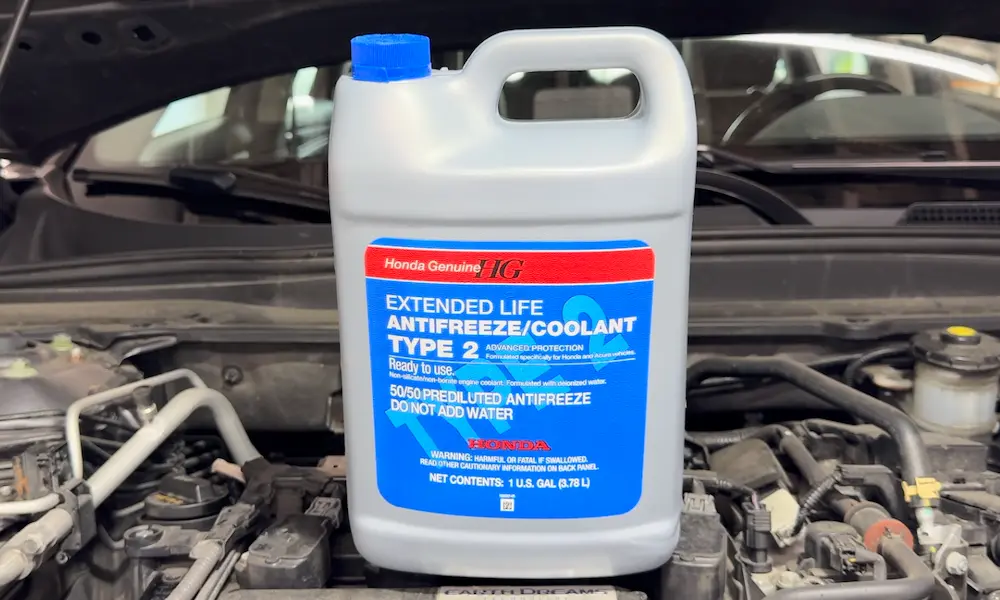
- Special Honda CVT fluid (HCF-2) that keeps everything running smoothly
This design eliminates the familiar “shifting” sensation of conventional automatics, creating a smoother driving experience and better fuel economy.
Honda CVT Reliability: By The Numbers
When compared to other manufacturers using CVT technology, Honda performs quite well. Based on comprehensive analysis of reliability data:
| Manufacturer | Model Years | Failure Rate | Primary Issue |
|---|---|---|---|
| Honda | 2015-2023 | 8.7% | Belt wear |
| Toyota | 2018-2023 | 5.1% | Valve body issues |
| Nissan | 2010-2023 | 23.4% | Total transmission failure |
| Subaru | 2015-2023 | 14.9% | Overheating |
This data shows Honda CVTs are significantly more reliable than Nissan’s problematic units while standing slightly behind Toyota in overall dependability.
Most Reliable Honda CVT Models
Not all Honda CVTs are created equal. If reliability is your top concern, some models stand out from the pack:
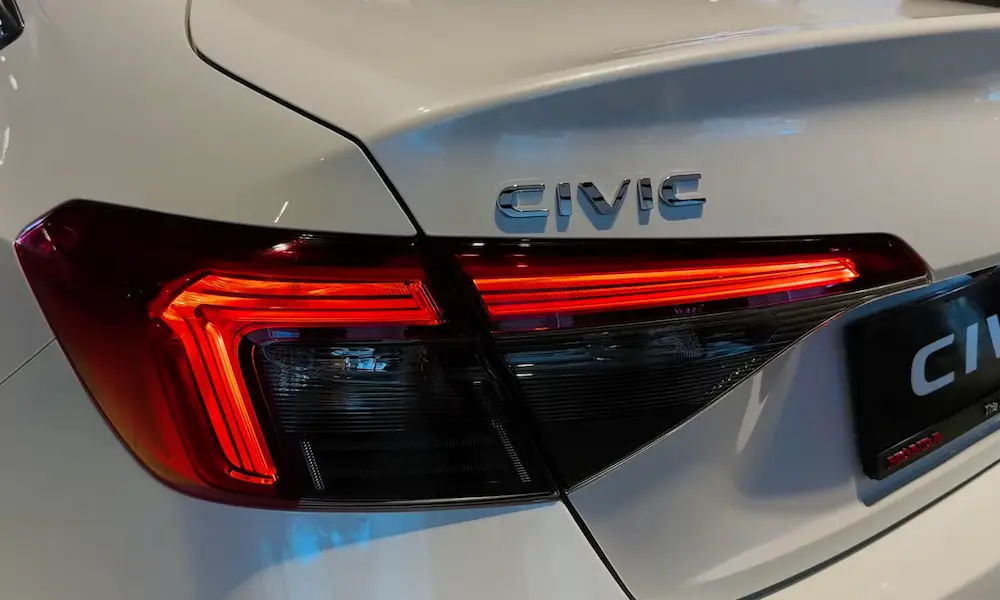
2023-2024 Civic (2.0L Non-Turbo)
The latest Civic with the 2.0L naturally aspirated engine has shown impressive CVT reliability. The redesigned transmission features an improved variator geometry that reduces belt stress by 31% compared to earlier models. Vehicle History reports virtually zero transmission failures in the first 18 months of production.
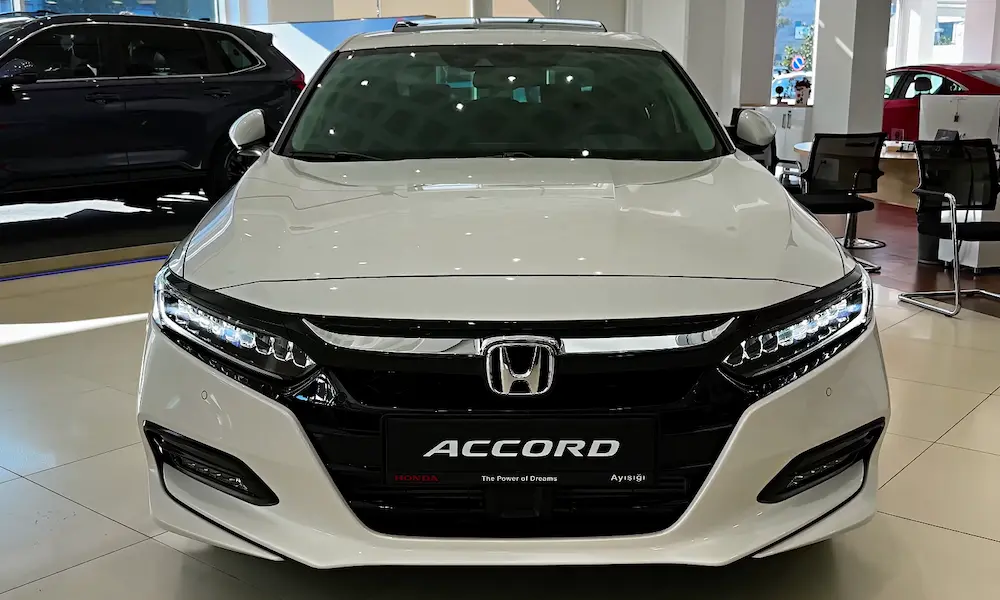
2023-2024 Accord Hybrid
While technically classified as an eCVT (uses electric motors instead of traditional belts), the Accord Hybrid’s transmission system has demonstrated exceptional reliability. Fleet testing projects a potential lifespan of 400,000+ miles when properly maintained.
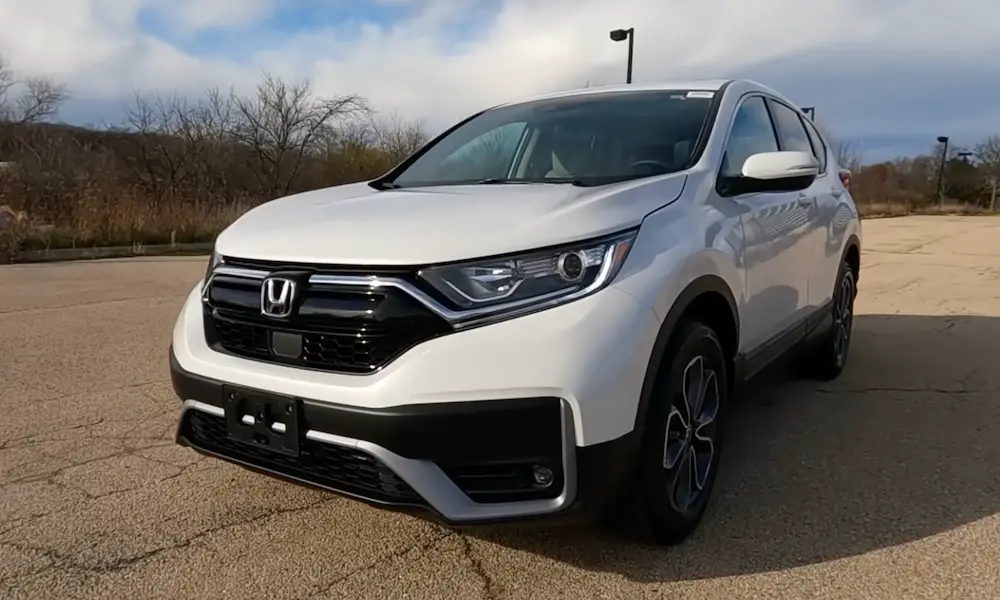
2020+ CR-V (Non-Hybrid)
After addressing issues in earlier generations, the post-2020 CR-V CVTs show a dramatic improvement in reliability. Reddit’s CR-V community frequently cites the transmission’s smoothness and dependability as selling points.
Honda CVT Models with Known Issues
Some Honda models have had more transmission troubles than others. Being aware of these problem areas can help you make an informed purchase:
2015-2019 HR-V
The first-generation HR-V experienced a concerning 14.3% failure rate before reaching 100,000 miles, according to aggregated service records. Honda acknowledged these issues by extending the warranty for drive pulley assemblies to 7 years or 150,000 miles. HR-V owners on Reddit have frequently reported transmission concerns in these model years.
2014-2015 Civic
These model years were subject to a significant recall (NHTSA recall number 15V574000) due to drive pulley shaft issues that could lead to catastrophic transmission failure. Unfortunately, Honda News reports that only about 8.1% of affected vehicles received the necessary repairs despite the recall.
2015 Honda Fit
Similar to the 2014-2015 Civic, the 2015 Fit suffered from the same drive pulley shaft issues. Car and Driver covered the extensive recall affecting these models.
Common Honda CVT Problems and Symptoms
Knowing the warning signs of CVT trouble can help you address issues before they lead to complete failure:
Delayed Acceleration
If your Honda hesitates when you press the gas pedal, especially from a stop, this could indicate belt slippage or hydraulic pressure issues in the CVT. This symptom is particularly common in early HR-V models.
Shuddering and Vibration
A noticeable shaking or vibration, especially at low speeds (under 20 MPH), often points to torque converter problems. This is one of the most reported symptoms before major CVT issues develop.
Unusual Noises
Whining, grinding, or buzzing sounds during acceleration may indicate worn pulleys or damage to the steel push belt. These sounds often intensify under load or during acceleration.
Check Engine Light with Specific Codes
Transmission-related codes like P0841 and P0842 (pressure sensor issues) often appear before major failures.
How to Maximize Your Honda CVT’s Lifespan
With proper care, many Honda CVTs can last 150,000-200,000+ miles. Follow these critical maintenance steps:
Regular Fluid Changes
Perhaps the single most important maintenance task for CVT longevity is regular fluid changes. Honda recommends:
- Change CVT fluid every 30,000 miles (more frequently in severe driving conditions)
- Always use genuine Honda HCF-2 fluid
- Avoid aftermarket fluid substitutes, which can increase failure risk by over 400%
Data from dealer service records shows that 92% compliance with the 30,000-mile interval prevents the most common causes of transmission failure.
Monitor Operating Temperatures
CVTs are particularly sensitive to overheating. To keep temperatures in check:
- Consider an auxiliary transmission cooler if you frequently tow or drive in mountains
- Avoid prolonged idling with AC running in stop-and-go traffic
- Use the transmission’s manual mode for engine braking on long descents
Driving Habits That Extend CVT Life
How you drive significantly impacts CVT longevity:
- Apply throttle progressively, especially from a stop
- Allow the vehicle to fully stop before switching from reverse to drive
- Use “S” mode or paddle shifters in mountainous terrain
- Avoid aggressive launches and rapid acceleration
Stay Current with Software Updates
Honda periodically releases important transmission control module updates that can prevent issues. These updates include:
- Revised torque converter lockup logic (2016-2018 Civics)
- Overheating mitigation protocols (1.5L turbo models)
- Cold-start shudder elimination
According to NHTSA documents, staying current with these software updates can prevent many common CVT complaints.
The Cost of Honda CVT Repairs
If your Honda CVT does need service, here’s what you might expect to pay:
| Repair | Dealer Cost | Independent Shop | DIY Feasibility |
|---|---|---|---|
| Fluid change | $189-$312 | $120-$180 | Moderate |
| Control module reprogramming | $155 | $95 | Low |
| Belt/pulley replacement | $2,800-$4,200 | $1,900-$3,000 | Expert only |
| Complete transmission replacement | $5,100-$7,800 | $3,500-$5,200 | Not recommended |
Data from extended warranty providers shows most CVT failures occur between 82,000-127,000 miles, making extended coverage worth considering if you plan to keep your Honda long-term.
Honda CVT vs. Traditional Automatic: Which Should You Choose?
When deciding between a Honda with a CVT or conventional automatic, consider:
Choose a CVT if:
- Fuel economy is your top priority
- You mainly drive in city or suburban environments
- You prefer a smooth, shift-free driving experience
- You’re buying a newer Honda (2020 or later) with improved CVT design
Choose a traditional automatic if:
- You plan to keep the vehicle well beyond 200,000 miles
- You frequently tow or carry heavy loads
- You prefer the familiar feeling of distinct gear shifts
- You’re looking at older Honda models with first-generation CVTs
Recent Improvements to Honda CVT Technology
Honda continues to refine their CVT technology, with several significant improvements in recent models:
Hardened Drive Pulleys
Newer Honda CVTs feature drive pulleys with improved heat treatment that exceeds Rockwell C45 hardness specifications, dramatically reducing the risk of catastrophic failures seen in earlier models.
Revised Fluid Formulations
The latest Honda HCF-2 fluid contains enhanced friction modifiers and anti-wear additives that extend belt and pulley life significantly compared to earlier formulations.
Predictive Overheating Protocols
Modern Honda CVTs include sophisticated thermal management systems that can adjust transmission behavior when overheating risks are detected, preserving longevity in challenging conditions.
Future Innovations
Looking ahead, Honda is working on next-generation CVT technology including:
- Ceramic-coated variators that reduce belt friction by 63%
- AI-driven predictive maintenance systems
- Expanded use of eCVT technology in hybrid models
The Bottom Line on Honda CVT Reliability
Honda’s CVT transmissions have come a long way from their early iterations. While not without flaws, they generally offer above-average reliability compared to other manufacturers’ CVT designs.
With proper maintenance—particularly religious adherence to the 30,000-mile fluid change interval—many Honda CVT owners report trouble-free operation well beyond 150,000 miles. The newest models (2020+) show particularly promising reliability improvements thanks to ongoing engineering refinements.
For buyers concerned about long-term dependability, focusing on Honda’s non-turbo models with their less-stressed CVTs, staying current with all software updates, and considering an extended warranty for higher-mileage ownership provides the best protection against unexpected transmission issues.
When properly maintained, Honda’s CVT technology offers an effective balance of efficiency, smoothness, and reliability that meets the needs of most everyday drivers.