Picking the best year for a Chevy Suburban is trickier than it sounds. Buy the wrong year and you’re staring at a $4,000 repair bill before the first oil change. Buy the right one and you could be driving it past 300,000 miles. This guide breaks down every generation’s strengths, weak spots, and hidden landmines so you can make a smarter call. Stick around — the answer might surprise you.
Why the Year You Buy Actually Matters
The Chevrolet Suburban has been in continuous production since 1935 — the longest-running nameplate in automotive history. That’s impressive. But it also means there are nearly 90 years of model years to sort through, and not all of them were created equal.
Each time GM moved to a new platform, early production years carried fresh bugs that hadn’t been worked out yet. Late-run years of each platform, on the other hand, typically hit a reliability sweet spot. That pattern repeats itself across every generation, and knowing it saves you real money.
The Best Year for a Chevy Suburban Overall: 2006
If you want one clear answer, it’s the 2006 Chevrolet Suburban.
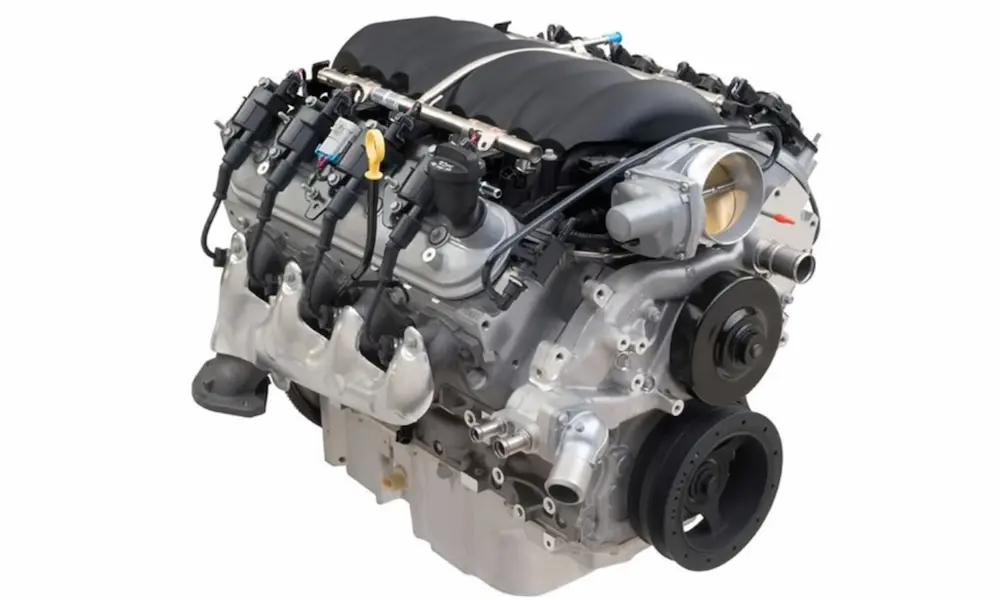
It’s the final year of the GMT800 platform — which means it got every refinement GM made over six years of production — without picking up the problems that came with the next generation. It runs the iron-block 5.3L Vortec V8 with no Active Fuel Management (AFM), a system that would go on to cause major lifter failures in later models.
The 2006 also features four-wheel disc brakes (introduced in 2000), a bulletproof 4L60-E transmission in 1500 models, and a level of mechanical simplicity that modern versions just can’t match.
Here’s why the 2006 stands apart from other GMT800 years:
| Feature | 2000–2005 Suburban | 2006 Suburban |
|---|---|---|
| AFM Cylinder Deactivation | No | No |
| Four-Wheel Disc Brakes | Yes (from 2000) | Yes |
| Platform Refinement | Improving | Fully Mature |
| Known Issues Resolved | Partially | Most corrected |
| Engine (1500) | 5.3L Vortec LM7 | 5.3L Vortec LM7 |
Want even more capability? The 2006 Suburban 2500 is another level entirely. It came with either a 6.0L or the massive 8.1L big-block V8, paired with a 4L80-E transmission that could handle up to 12,000 lbs of towing. That transmission is essentially a modernized version of the legendary TH400 — a near-indestructible unit.
GMT800 Engine Specs at a Glance (2000–2006)
| Spec | Suburban 1500 | Suburban 2500 |
|---|---|---|
| Standard Engine | 5.3L Vortec V8 (LM7) | 6.0L Vortec V8 (LQ4) |
| Optional Engine | — | 8.1L Vortec V8 (L18) |
| Horsepower | 285–295 hp | 300–325 hp |
| Torque | 325–335 lb-ft | 360–370 lb-ft |
| Transmission | 4L60-E (4-Speed) | 4L80-E / 4L85-E |
| Max Towing | 8,400 lbs | 12,000 lbs (8.1L) |
The LM7 5.3L engine shows up frequently in “million-mile” vehicle stories. It’s not a coincidence. No AFM hardware means no collapsing lifters, no oil consumption issues, and no complicated valve-train failures.
Years to Avoid: The Early GMT900 (2007–2009)
The 2007 Suburban debuted on the GMT900 platform — and it brought Active Fuel Management with it. That decision became one of the costliest engineering choices in the Suburban’s history.
AFM works by collapsing certain lifters using oil pressure to deactivate cylinders and save fuel. The problem? Those lifters fail. Carbon builds up inside them, they stick, oil consumption rises, and eventually the camshaft and lifter assembly can fail completely.
The 2007, 2008, and 2009 Suburban are the years most buyers should skip. Add to that:
- High rates of interior dashboard cracking
- Early adoption bugs from a brand-new platform
- Takata airbag recalls affecting multiple model years
By 2010, GM had issued several technical service bulletins and hardware updates that addressed the worst of these issues. The 2010–2014 models are meaningfully more reliable than the 2007–2009 versions — but they still carry AFM hardware, so frequent oil changes using full synthetic aren’t optional. They’re mandatory.
| Reliability Factor | 2007–2009 | 2010–2014 |
|---|---|---|
| AFM Lifter Issues | High risk | Reduced with TSBs |
| Dashboard Cracking | Very common | Still present |
| Transmission | 4L60-E / 6L80 | 6L80 (6-speed) |
| Oil Consumption | Frequent complaints | Improved |
| Overall Rating | Avoid | Acceptable |
Best Modern Used Suburban: 2017–2020
If you want a Suburban built in the last decade, the 2017 to 2020 models hit the sweet spot of the K2XX (eleventh) generation.
The 2015 Suburban launched this generation with a significant problem: leaking A/C condensers that were so widespread they triggered class-action litigation. The 2016 improved on this, but by 2017, GM had sorted the issue and added standard Apple CarPlay, advanced safety tech, and the fold-flat second and third-row seats that make the Suburban so much more livable for families.
The 2019 and 2020 models are especially desirable. The 2019 introduced the RST package with a 6.2L V8 and 10-speed automatic. The 2020 refined that further and stayed clear of the major recall that hit the 2021+ generation.
Key features across the 2017–2020 range:
- Apple CarPlay standard from 2017
- Standard safety suite (automatic emergency braking, lane keep assist, forward collision alert)
- Fold-flat seating in rows two and three
- 5.3L EcoTec3 V8 as the base engine; optional 6.2L in 2019–2020
- 10-speed automatic available in RST and higher trims from 2019
The 2021–2024 Problem: A Recall You Can’t Ignore
The twelfth-generation Suburban (2021–present) brought the biggest mechanical redesign in the vehicle’s history: an independent rear suspension (IRS) that lowered the rear floor and dramatically improved third-row legroom. It’s genuinely impressive.
But the early years of this generation were hit with a serious problem. GM issued a recall covering approximately 721,000 vehicles due to defects in the 6.2L V8’s connecting rod bearings. These bearings could fail suddenly, causing complete engine seizure — sometimes with catastrophic results, including connecting rods punching through the engine block.
If you’re shopping for a 2021–2024 Suburban with the 6.2L engine, verify the recall status before purchasing. NHTSA’s recall database lets you check any VIN for open recalls — use it.
The 5.3L engine in the same generation carries a much lower risk profile. And the optional 3.0L Duramax diesel, which delivers up to 460–495 lb-ft of torque, sidesteps the AFM/DFM concerns entirely — though it does bring its own diesel-specific maintenance requirements like DEF and DPF service.
| Engine Option (2021–2024) | Horsepower | Recall Risk | Notes |
|---|---|---|---|
| 5.3L EcoTec3 V8 | 355 hp | Low | DFM equipped |
| 6.2L EcoTec3 V8 | 420 hp | High (recall) | Check VIN before buying |
| 3.0L Duramax Diesel | 277–305 hp | Low | Best torque and fuel economy |
The 2025 Suburban: Is It the New Best?
The 2025 refresh is a significant upgrade. GM updated the interior with a standard 17.7-inch infotainment screen and an 11-inch digital driver display — a genuine step up from the outgoing setup.
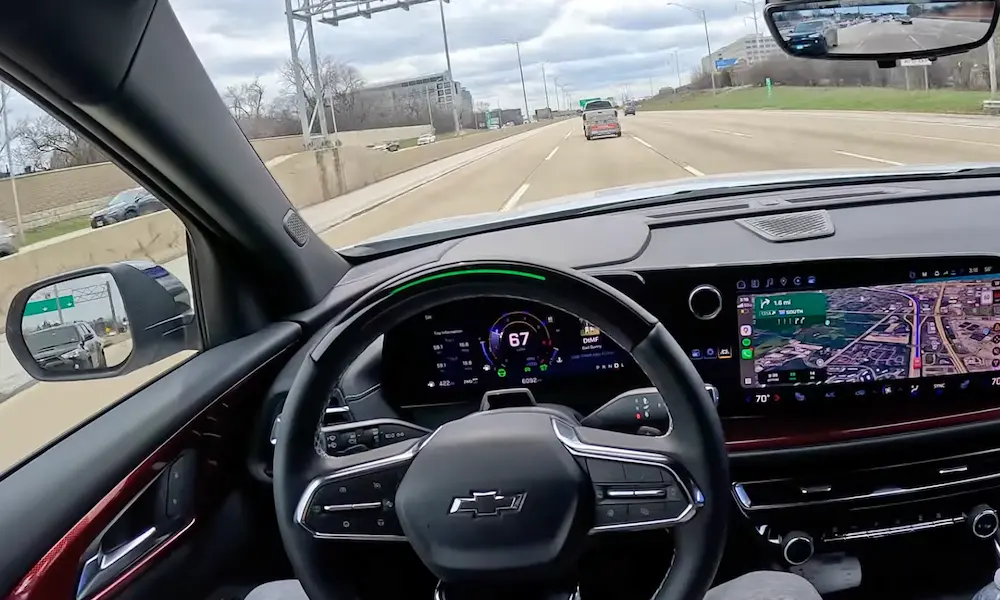
More importantly, the 2025 models don’t carry the 6.2L connecting rod bearing recall that plagued 2021–2024. GM addressed the manufacturing defect, which makes the 2025 6.2L a safer choice. Super Cruise — GM’s hands-free highway driving system — also expanded to more trim levels in 2025, including RST and Premier.
For buyers who want a brand-new Suburban with full warranty protection and no open recalls, the 2025 is the best new Suburban you can buy right now.
Best Suburban by Use Case
Not every buyer needs the same thing. Here’s a direct breakdown:
For maximum long-term reliability:
👉 2006 Suburban (1500 or 2500) — no AFM, proven iron-block engine, simple and repairable
For the best modern family hauler:
👉 2019 or 2020 Suburban — Apple CarPlay, fold-flat seats, solid reliability, optional 6.2L
For heavy-duty towing:
👉 2010–2013 Suburban 2500 — 6.0L V8, 6L90 transmission, 3/4-ton frame and axles
For luxury and tech:
👉 2025 Suburban — largest screens, Super Cruise, recall-resolved 6.2L engine
For the best used-market value:
👉 2-to-3-year-old Suburban — Suburbans lose roughly 36% of their value in the first three years, so you pick up a near-new truck at a significant discount
Transmission: What Generation You Buy Determines What You’re Maintaining
The Suburban’s transmission history is worth understanding before you sign anything.
- 4L60-E (GMT800 1500 models): Simple, repairable, but can strain under heavy towing without an upgraded cooler
- 4L80-E (GMT800 2500 models): Legendarily tough, handles 12,000 lbs with ease
- 6L80 (2009–2019): Improved gear spacing, but the torque converter clutch is a known weak point — heat kills it over time; change fluid every 45,000 miles if you tow
- 10L80 (2019–present): Smooth, efficient, complex — use only approved Dexron-HP fluid and don’t skip services
Maintenance Intervals That Actually Protect Your Investment
The factory “Normal” oil life schedule doesn’t account for the real world most Suburban owners live in. Towing, dusty roads, and stop-and-go traffic all qualify as GM’s “Severe Service” category.
| Component | Factory Interval | Real-World Recommendation |
|---|---|---|
| Engine Oil (AFM/DFM) | 7,500 miles | 5,000 miles — full synthetic Dexos1 |
| Transmission Fluid | 90,000 miles | 45,000 miles if towing regularly |
| Transfer Case Fluid | 100,000 miles | 45,000 miles for 4WD health |
| Spark Plugs | 100,000 miles | 97,500 miles for efficiency |
| Fuel Filter (Diesel) | 30,000 miles | 22,500 miles |
Over 10 years, Suburban maintenance costs average around $10,061 — about 23% above the average SUV. That’s the price of running something this capable. Stay on top of oil and transmission fluid and you’ll stay out of the expensive end of that number.
What the Suburban’s History Actually Teaches You
The pattern is consistent across every generation: avoid the first two years of any new platform, and target the final two or three years before the next redesign.
- Early GMT900 (2007–2009) = avoid
- Late GMT900 (2010–2014) = acceptable to good
- Early K2XX (2015–2016) = avoid
- Late K2XX (2017–2020) = buy confidently
- Early T1XX (2021–2024) = check the VIN, avoid the 6.2L without recall confirmation
- 2025 refresh = best new option available
The Suburban earned its reputation through decades of mechanical over-engineering. The models that best preserve that legacy are the ones where GM had time to refine the platform — and where engineers weren’t forced to introduce complex fuel-saving tech before it was ready. The 2006 remains the gold standard for durability. But the 2019–2020 and the 2025 are the strongest choices if you want a modern truck with all the tech that comes with it.