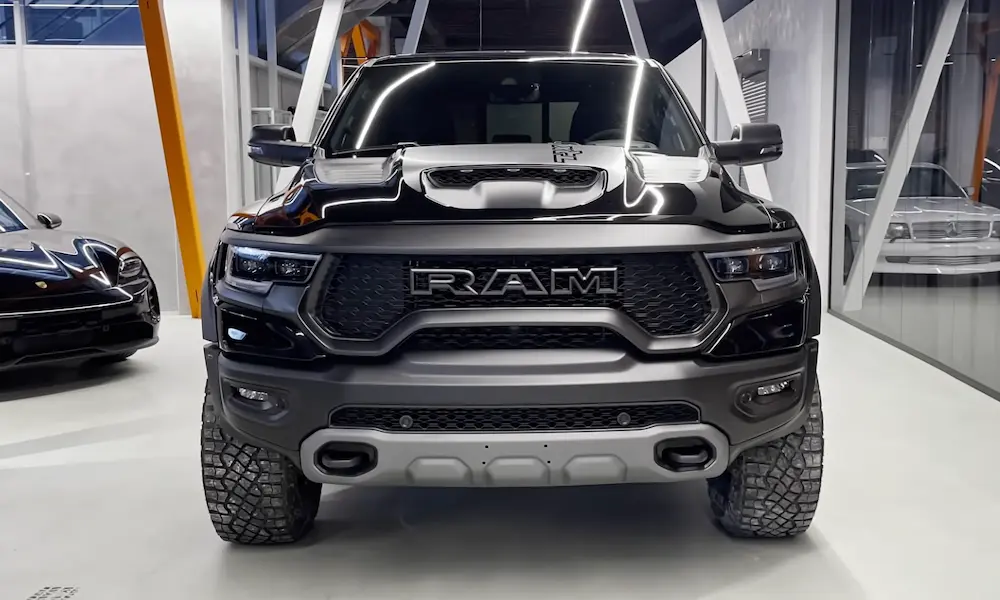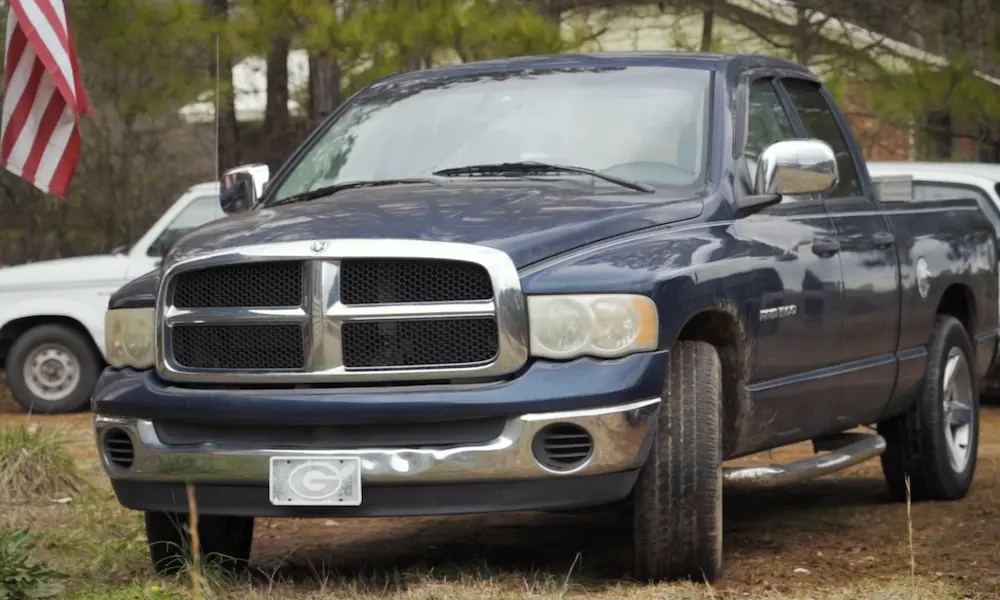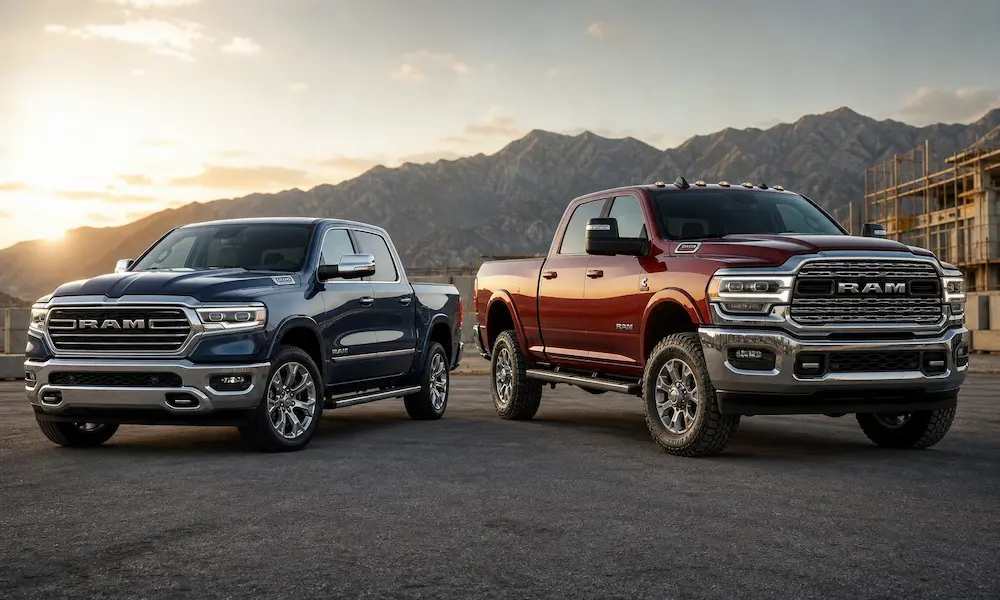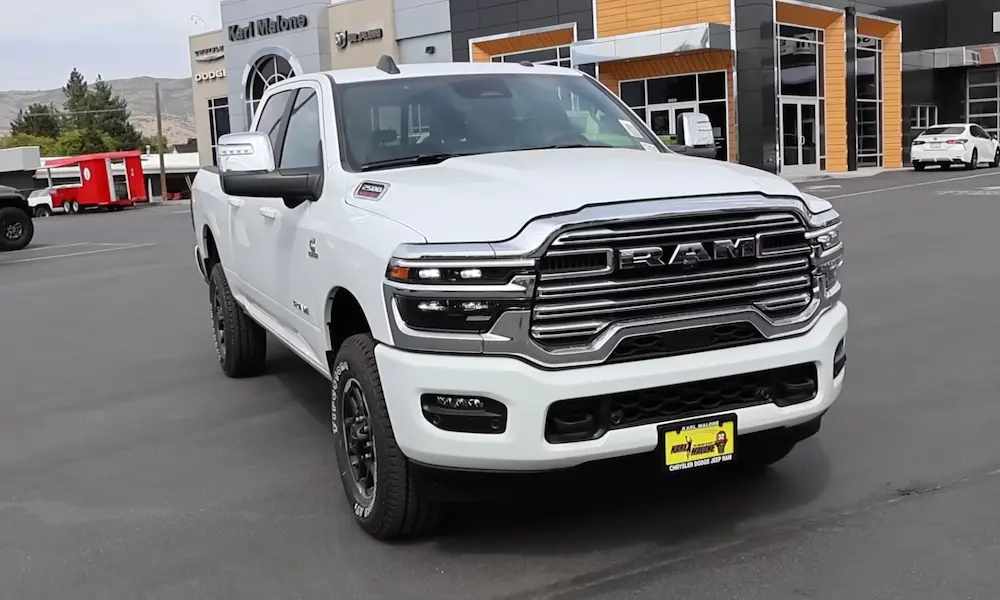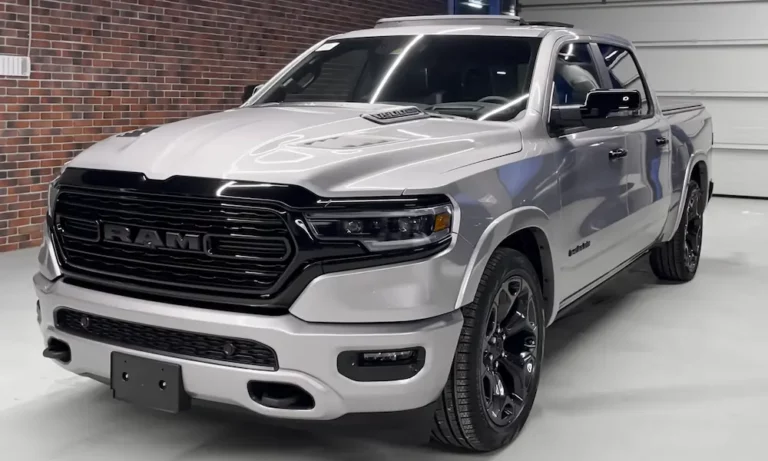
Shopping for a used Ram 1500 but drowning in conflicting opinions online? You’re in the right place. Some model years are genuinely great trucks. Others will eat your wallet alive. This guide cuts through the noise and tells you exactly which years to buy — and which ones to run from.
What Makes One Ram 1500 Better Than Another?
Not all Ram 1500s are built equal. The same nameplate covers five distinct generations, each with different engines, suspensions, and technology. A 2017 Ram 1500 and a 2014 Ram 1500 share a badge — and almost nothing else worth comparing.
The best year for Dodge Ram 1500 depends on three things:
- Powertrain maturity — Has the engine been debugged?
- Platform stability — Are the electronics and suspension sorted?
- Value retention — Are you getting a fair deal for the money?
Get all three right, and you’ll own a truck that can push past 200,000 miles without drama.
Ram 1500 Generations at a Glance
Before diving into specific years, here’s the full generational map. Each shift brought real mechanical changes — not just styling updates.
| Generation | Years | Key Innovation |
|---|---|---|
| First | 1981–1993 | Basic leaf-spring utility |
| Second | 1994–2001 | Big-rig styling, Magnum V8 |
| Third | 2002–2008 | Independent front suspension, 5.7L Hemi |
| Fourth | 2009–2018 | Coil-spring rear suspension, 8-speed auto |
| Fifth | 2019–Present | High-strength steel frame, eTorque mild hybrid |
The fourth and fifth generations are where the modern Ram 1500 story really begins. That’s where most buyers should focus their attention.
The Best Years for Dodge Ram 1500
2017: The Sweet Spot Nobody Argues About
If you ask any experienced mechanic or seasoned truck buyer which single year to buy, most point to the 2017 Ram 1500. It’s the best year for Dodge Ram 1500 for one clear reason: it’s a fully mature platform with almost nothing left to prove.
By 2017, Ram had spent nearly a decade refining the fourth-generation DS platform. The 8-speed TorqueFlite transmission — rocky when it launched in 2013 — was now smooth, durable, and well-calibrated. The 5.7-liter Hemi had its early bugs sorted, and the Uconnect 4C system delivered stable Apple CarPlay and Android Auto without the freezing complaints that plague newer Uconnect 5 units.
J.D. Power scored the 2017 Ram 1500 at 81 out of 100 for quality and reliability — the top spot in its segment that year. That’s not marketing copy. That’s verified owner data.
Why buy a 2017:
- Refined 8-speed transmission with no software quirks
- Hemi valvetrain issues largely resolved
- Uconnect 4C is stable and modern enough for daily use
- Available coil-spring rear suspension for a car-like ride
- Strong resale value without the new-truck price premium
2020–2021: Best of the Modern Generation
The fifth-generation Ram 1500 launched in 2019 with a stunning interior, a massive 12-inch touchscreen, and an eTorque mild-hybrid system. It was impressive. It also had first-year growing pains — wiring durability issues and transmission software that needed settling.
The 2020 and 2021 model years are where those issues got fixed. If you want a truck that feels genuinely premium — think heated everything, wireless charging, and a cabin quieter than most SUVs — these years deliver without the 2019’s teething troubles.
The 2021 model earned Motor Trend’s Truck of the Year and is widely called the “reliability sweet spot” of the fifth generation. These years also introduced the updated third-generation EcoDiesel engine, which fixed the cooling and emissions problems that plagued earlier diesel models.
Why buy a 2020 or 2021:
- Initial production bugs resolved
- Third-gen EcoDiesel is the best diesel Ram ever offered
- Top-tier interior quality in the segment
- Strong safety ratings following the 2019 redesign improvements
- Wireless smartphone integration (select trims)
2013: The Budget Pick That Still Feels Modern
The 2013 Ram 1500 punches well above its price. It was the first year for the high-strength steel chassis, the 8-speed automatic transmission, the 3.6-liter Pentastar V6, and optional air suspension. That’s a lot of modern technology for a truck you can often find for under $20,000.
Its J.D. Power initial quality score hit 86 out of 100 — a number that many newer years haven’t matched. Yes, it was the first year for several systems, but the data shows those systems launched cleanly.
Who should buy a 2013:
- Buyers on a budget who still want modern features
- Drivers who don’t need heavy towing above 8,000 pounds
- Anyone who wants a comfortable daily driver without a luxury price tag
Ram 1500 Years to Avoid
2014: Skip It Entirely
The 2014 Ram 1500 is the worst year in the nameplate’s modern history. Full stop. The engine complaints alone make it a liability. Camshaft and lifter failures hit around 117,300 miles with an average repair cost of $6,830 — often more than the truck’s remaining market value.
The 2014 also suffered from serious suspension problems that compromise ride quality and safety on uneven roads. This isn’t a “it might have issues” situation. It’s a “statistically likely to strand you” situation.
Avoid the 2014 because:
- Camshaft and lifter failures cost nearly $7,000 to fix
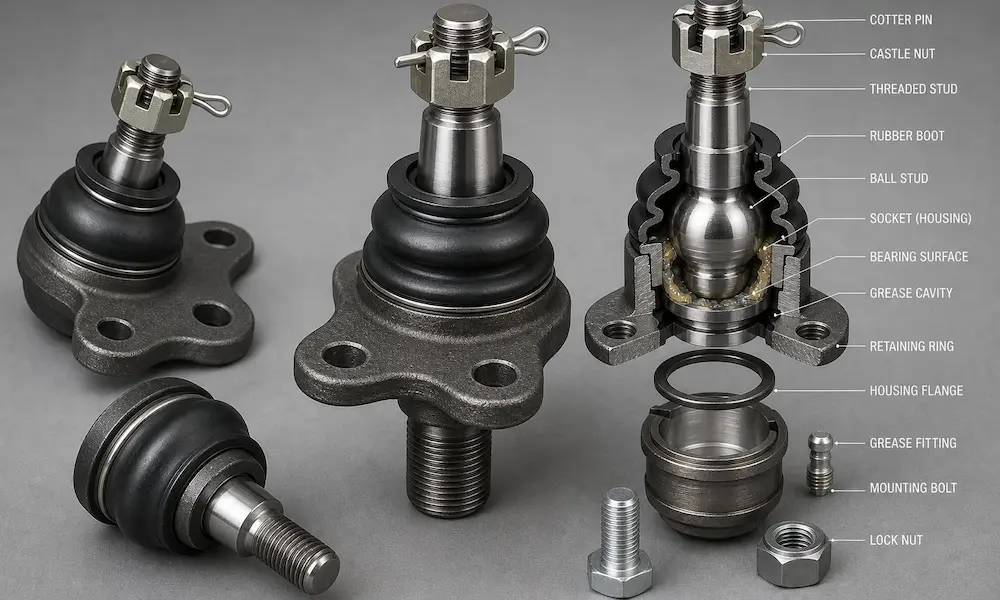
- Suspension issues affect safety and handling
- Repairs frequently exceed the truck’s resale value
2011–2012: Electrical Nightmares
These years are notorious for Totally Integrated Power Module (TIPM) failures. When the TIPM goes, it triggers a chain reaction: fuel pumps that won’t shut off, headlights that fail without warning, and airbags that may not deploy in a crash.
The 2011 and 2012 models also saw the “Hemi tick” become widespread as the cylinder deactivation system was rolled out across more trims. These trucks aren’t hopeless, but the risk-to-reward ratio makes better years easy to justify choosing instead.
2003–2004: Dashboard Dust and Engine Failures
Early third-generation trucks looked great. They drove terribly in the long run. The 2003 model’s dashboard cracked and disintegrated under normal sun exposure — a defect widespread enough to raise legitimate airbag safety concerns. On top of that, fuel system failures caused rough idling and unexpected stalling. These are trucks better left at the dealership.
Which Engine Should You Choose?
The Ram 1500’s reliability isn’t just about the year — it’s about the engine. Here’s the honest breakdown:
| Engine | Best Years | Strength | Watch Out For |
|---|---|---|---|
| 3.6L Pentastar V6 | 2016–2024 | Low maintenance cost, mechanically simple | Oil filter housing leaks |
| 5.7L Hemi V8 | 2017–2021 | Best towing power, strong throttle response | Exhaust manifold bolts, lifter failures |
| 3.0L EcoDiesel V6 | 2020–2023 | Best fuel economy for highway driving | EGR cooling issues, oil dilution |
| 3.0L Hurricane I6 | 2025–2026 | Impressive horsepower on paper | No long-term reliability data yet |
The Pentastar V6: Reliable and Boring (In the Best Way)
If you don’t regularly tow over 8,000 pounds, the Pentastar V6 is the safer long-term bet. It’s a naturally aspirated engine with no cylinder deactivation complexity. Parts are cheap. Every mechanic knows it. Early models had minor oil consumption issues, but post-2016 versions are rock-solid for everyday driving and light hauling.
The 5.7L Hemi V8: Great Power, Real Maintenance Demands
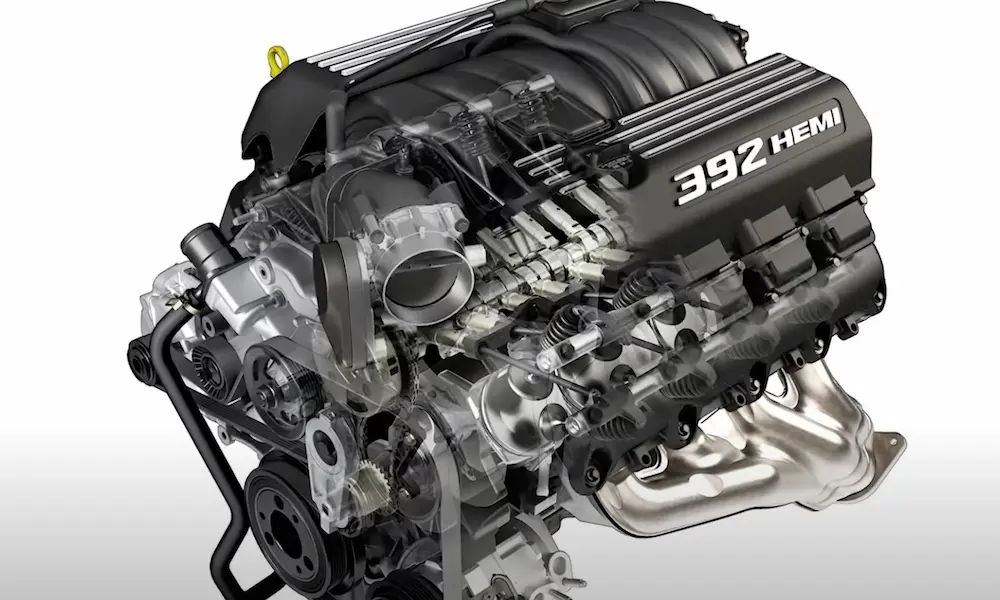
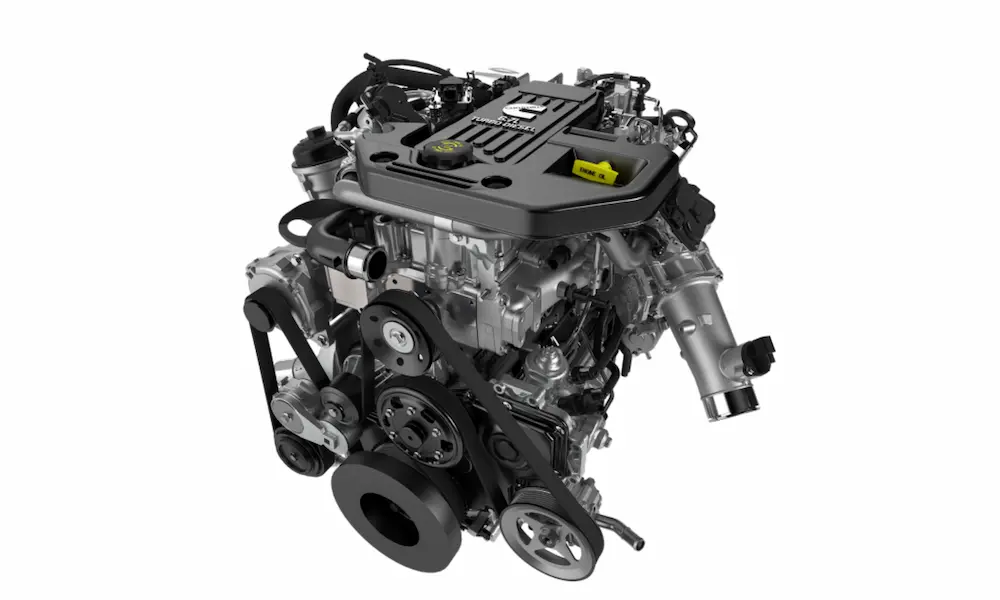
The Hemi delivers 395 horsepower and over 400 lb-ft of torque. It’s the engine most people picture when they think “Ram 1500.” But it demands respect. The Hemi tick comes from two sources: exhaust manifold bolts that warp from heat cycles and lifter needle bearings that seize when oil flow to the top end is insufficient. High-quality synthetic oil changed on schedule is non-negotiable with this engine.
The EcoDiesel: Only in Its Third Generation
The first-generation EcoDiesel (2014–2018) had EGR cooler cracks, emission system failures, and bottom-end bearing problems. Avoid those entirely. The third-generation version in 2020–2023 models is significantly better — but diesel maintenance is always more specialized and more expensive than gasoline engines.
What It Actually Costs to Own a Ram 1500
The Ram 1500 isn’t the cheapest truck to keep on the road. Average 10-year maintenance and repair costs hit approximately $19,201 — roughly $9,576 more than the industry average for popular pickups. By year 10, there’s a 56.6% chance you’ll face a repair topping $500.
| Ownership Year | Projected Maintenance Cost | Major Repair Probability |
|---|---|---|
| Year 1 | $762 | 5.6% |
| Year 3 | $1,127 | 10.4% |
| Year 5 | $1,753 | 26.5% |
| Year 7 | $2,557 | 32.1% |
| Year 9 | $2,790 | 45.9% |
| Year 12 | $3,380+ | Recurring |
The air suspension — when equipped — can run $200 to $1,500 for minor repairs. A full transmission overhaul sits between $1,000 and $3,500. Budget for these before you buy, not after.
Depreciation: The Smart Buyer’s Angle
A new Ram 1500 loses roughly 33% of its value in year one. That’s a painful drop for whoever buys new — and a significant opportunity for anyone buying used.
The smartest financial move? Buy a two-year-old Ram 1500. You dodge the biggest depreciation cliff while still owning a truck with most of its useful life ahead of it. The 2023 model year currently ranks as the best-value used Ram, available at roughly 54% of its original sticker while retaining 83% of its projected lifespan.
Safety: How the Generations Stack Up
The fourth-generation Ram (2009–2018) drew criticism from the IIHS for marginal roof strength and poor performance in driver-side small overlap crash tests. The 2019 redesign corrected both issues, making the fifth-generation Ram one of the first full-size pickups to earn IIHS Top Safety Pick and Top Safety Pick+ awards.
The 2025 and 2026 models show some regression. Rear-seat passenger protection in moderate overlap crashes has been downgraded, and forward collision avoidance received a “Marginal” rating compared to the 2022 and 2023 versions. If safety ratings drive your decision, the 2021–2023 window is the current sweet spot.
The Maintenance Schedule You Need to Follow
Skipping service is the fastest way to turn a great Ram into an expensive problem. Heavy-duty use — towing, extreme heat, cold winters — shortens recommended intervals. Here’s the baseline:
| Mileage | Service Required | Why It Matters |
|---|---|---|
| 8,000 miles | Oil/filter change, tire rotation | Critical for Hemi valvetrain health |
| 32,000 miles | Air filter, spark plugs | Restores fuel economy and idle quality |
| 80,000 miles | Coolant system flush | Prevents EGR and oil cooler failures |
| 100,000 miles | Full valvetrain inspection | Essential for 5.7L Hemi owners |
| 120,000 miles | Transmission fluid, belt service | Keeps the TorqueFlite shifting clean |
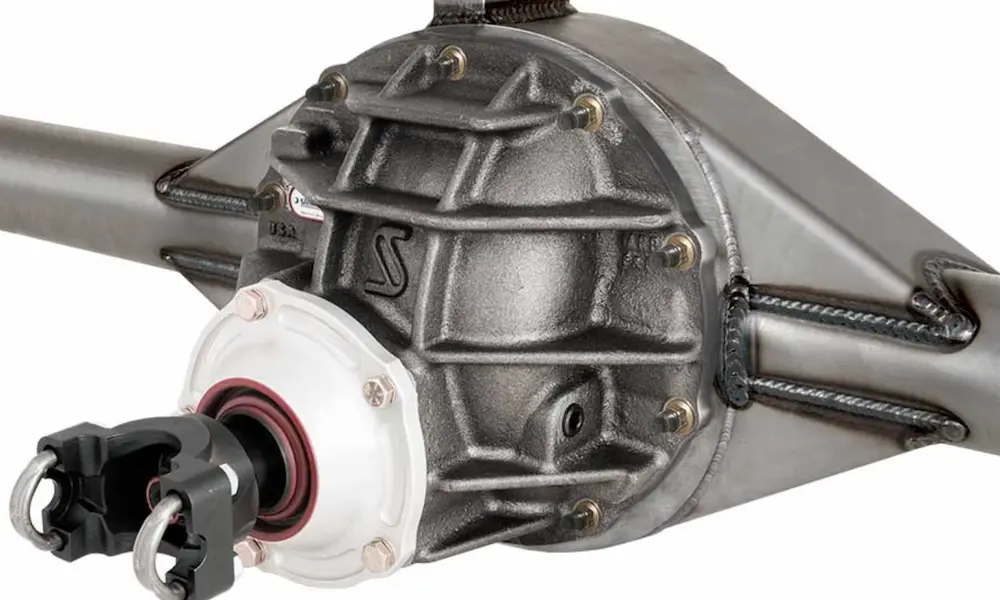
| 144,000 miles | Differential and transfer case fluids | Protects 4WD components |
Ram 1500 vs. The Competition: Honest Comparison
The Ram 1500 earned J.D. Power’s top spot for initial quality in 2024, and its long-term dependability ranking reflects that progress. But where does it actually stand against Ford and Chevy?
- Ram vs. Ford: Ford has lower routine maintenance costs and higher tow ratings, but EcoBoost engines carry real turbocharger and cam phaser risks.
- Ram vs. Chevy: The Silverado depreciates slower and has fewer electrical gremlins, but the interior and ride quality don’t compete with the Ram’s coil-spring setup.
- Ram vs. Toyota: The Tundra wins on long-term reliability, but owners consistently call out its dated tech and harsher driving experience compared to the Ram.
The Ram 1500 gives you the most comfort and technology per dollar in the segment. You just have to pick the right year.
The Final Verdict on the Best Year for Dodge Ram 1500
Here’s the short version:
- Best overall used buy: 2017 — fully refined platform, strong reliability scores, great value
- Best modern truck: 2021 — fifth-generation maturity, luxury features, solid safety ratings
- Best budget pick: 2013 — modern bones, reasonable price, strong initial quality score
- Absolute avoid: 2014 — expensive engine failures, suspension problems, not worth the risk
The Ram 1500’s luxury-level ride and class-leading interior make it one of the most satisfying trucks to own — when you buy the right year. Stick to the proven model years above, keep up with your oil changes, and this truck will serve you well past the 200,000-mile mark.