Shopping for a used Honda CR-V feels overwhelming when you’re staring at 25+ model years. Some are genuinely excellent. Others will drain your wallet faster than you’d expect. This guide breaks down the best years for Honda CR-V ownership — and the ones you should walk right past.
Why the Honda CR-V Has Such a Loyal Following
The Honda CR-V has defined the compact SUV segment since its 1997 debut. It wasn’t built on a truck frame like other SUVs of the era — Honda used a car-based unibody platform, which gave it a smoother ride and better fuel economy right out of the gate.
That foundation of smart engineering is exactly why these vehicles regularly cross 200,000 miles. But not every year hits that mark equally.
The Best Years for Honda CR-V at a Glance
Before diving deep, here’s a quick reference table showing which years consistently earn top marks for reliability, safety, and overall value.
| Model Year | Generation | Why It Stands Out | Best For |
|---|---|---|---|
| 2005–2006 | 2nd Gen | 5-speed auto, four-wheel disc brakes, VSA standard | Budget buyers wanting max longevity |
| 2016 | 4th Gen | Fixed CVT vibration issues, 29 mpg, proven powertrain | Balance of modern features and reliability |
| 2022 | 5th Gen | Resolved oil dilution, full Honda Sensing suite standard | Late-model used car buyers |
| 2024–2026 | 6th Gen | Hybrid option, 204 hp, class-leading cargo space | New car buyers |
2005–2006 Honda CR-V: The Budget Reliability Champion
If you want a CR-V that’ll run forever without costing a fortune to maintain, the 2005 or 2006 model is your answer.
The second generation launched in 2002 with Honda’s 2.4-liter K-series engine — a huge upgrade over the earlier B-series. This engine uses a timing chain instead of a timing belt, which means no expensive belt replacements and no catastrophic engine failure if you forget one.
The 2005 mid-cycle refresh made a good generation even better:
- Upgraded to a 5-speed automatic transmission for smoother, more efficient driving
- Added side curtain airbags and Vehicle Stability Assist (VSA) as standard equipment
- Switched to four-wheel disc brakes from the old disc/drum combination
- Bumped wheel size to 16 inches
One thing to watch with early 2002–2004 models: they suffered from a notorious problem called “AC Black Death.” The air conditioning compressor would fail internally, sending metal shards through the entire HVAC system. Repairs often topped $3,000. Honda fixed the compressor design by 2005, so stick to those later years.
A clean 2006 CR-V with regular maintenance can realistically reach 250,000 miles. That’s hard to beat at used car prices.
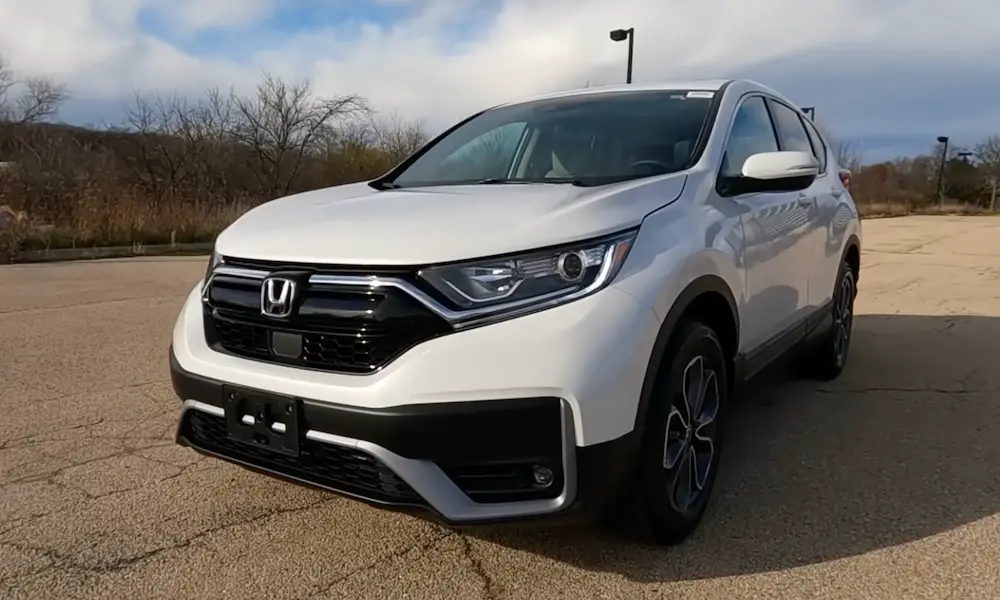
2016 Honda CR-V: The “Gold Standard” of the Fourth Generation
The 2016 Honda CR-V is widely considered the gold standard of its generation — and it earned that title by fixing a genuinely annoying problem.
In 2015, Honda introduced its “Earth Dreams” direct-injection engine paired with a Continuously Variable Transmission (CVT). Great idea in theory. In practice, the 2015 model shook badly at idle stops. Drivers sitting at red lights reported feeling the whole car vibrate. That’s not something you want to live with daily.
Honda’s engineers addressed this in 2016 through revised engine mounts and software recalibration. The result is a vehicle that delivers everything the 2015 promised — 29 mpg combined, smooth acceleration, modern tech — without the shake.
The 2016 also brought:
- Rearview camera standard across all trims
- Bluetooth and Eco Assist system for fuel economy optimization
- 185 horsepower from the naturally aspirated 2.4-liter engine (no turbo, no oil dilution risk)
- Strong resale value — clean examples still command a premium because buyers know what they’re getting
If you want a modern, fuel-efficient CR-V without the complexity of a turbocharged engine, the 2016 is the sweet spot.
2022 Honda CR-V: The Best Used CR-V You Can Buy Right Now
For buyers who want something newer, the 2022 model represents the best years for Honda CR-V in the fifth generation.
The fifth gen launched in 2017 with a 1.5-liter turbocharged engine producing 190 horsepower. It was genuinely more powerful and more efficient than the old 2.4-liter. But the first two years came with a serious catch.
The 2017–2018 Oil Dilution Problem
In cold climates, the 2017 and 2018 turbocharged CR-Vs developed fuel mixing into the engine oil. Short trips in winter meant the engine never fully warmed up, allowing unburned gasoline to slip past the piston rings and thin out the oil. Thin oil means inadequate lubrication. That’s bad news for engine longevity.
Honda issued software updates and hardware tweaks, but those early model years remain a question mark for long-term reliability — especially in Canada or the northern U.S.
Why 2022 Is Different
By 2022, Honda had years of iterative fixes behind them. The result:
- Minimal oil dilution risk — the software and hardware solutions had been refined multiple times
- Honda Sensing suite standard on every trim — this includes collision mitigation braking, road departure mitigation, and adaptive cruise control
- Lowest complaint volume of the entire fifth generation
- Strong resale value — clean 2022 EX-L AWD models hold $24,000–$26,000 on the used market
The 2020 and 2021 models are solid too, but the 2022 represents the final, most polished version of the generation.
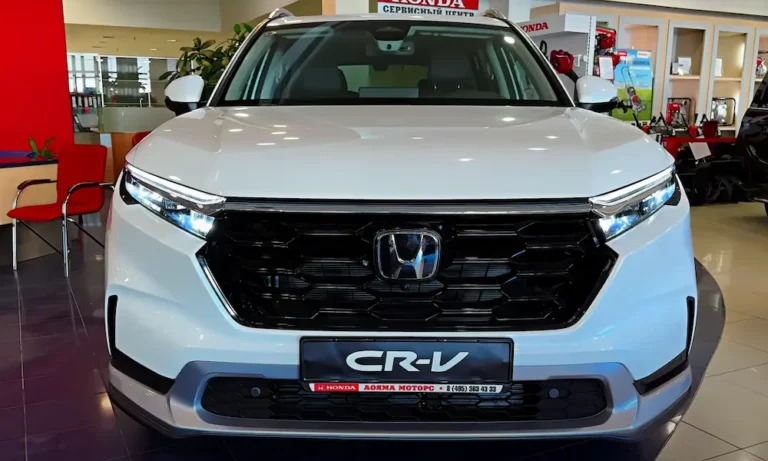
2024–2026 Honda CR-V: Why the Hybrid Is the Future-Proof Choice
If you’re buying new, the sixth-generation CR-V deserves serious attention — especially the hybrid.
The sixth generation launched in 2023 with a longer wheelbase, more aggressive styling, and a sharp interior upgrade. Honda leaned hard into the hybrid powertrain, which now accounts for roughly half of all CR-V sales.
The hybrid system delivers:
- 204 horsepower from a two-motor setup
- 247 pound-feet of torque — noticeably stronger than the base turbo
- 36.3 cubic feet of cargo space behind the second row (previous hybrid models lost significant cargo room due to battery placement — Honda fixed this)
The 2026 model adds a TrailSport trim with all-terrain tires and a revised all-wheel-drive system that can send up to 50% of power to the rear wheels. It’s not a dedicated off-roader, but it brings back some of the outdoorsy personality that made the original CR-V popular.
For new car buyers, the hybrid powertrain is the smarter long-term investment. Kelley Blue Book projects the CR-V will retain nearly 71% of its value after five years — the best in its class.
Honda CR-V Years to Avoid
Knowing the best years for Honda CR-V means nothing without knowing which ones to skip.
2007–2008: Early Third-Gen Teething Problems
The third generation looked sleeker but introduced real problems. Door lock actuators failed frequently, cycling randomly or refusing to engage. In salt-belt states, rear subframe corrosion could cause the trailing arm to separate from the body entirely — a serious safety issue.
2010–2011: Piston Ring Defects
The 2010 facelift brought 180 horsepower but also a widespread piston ring defect that caused excessive oil consumption. Honda eventually extended the warranty coverage to eight years or 125,000 miles on affected components. Any used example should come with verified service records showing the piston rings were inspected or replaced.
2015: The Vibration Year
This was the first year of the CVT and Earth Dreams engine. The idle vibration issue is well-documented and was never fully resolved for this model year. Skip it — the 2016 fixes everything the 2015 got wrong.
2017–2018: Oil Dilution Risk
As mentioned above, the early turbocharged models carry fuel contamination risk in cold climates. If you drive short trips in winter weather, these years aren’t worth the gamble when the 2020–2022 versions solved the problem.
How CR-V Safety Standards Evolved Over the Years
Safety is part of the best years for Honda CR-V conversation, and it’s worth knowing how much the standards improved.
In 2007, Honda launched its “Safety for Everyone” initiative, making side curtain airbags and VSA standard across all trim levels. That same year, the CR-V earned its first IIHS Top Safety Pick award.
Starting in 2020, Honda Sensing became standard on every CR-V regardless of trim. The suite includes:
- Collision Mitigation Braking — detects unavoidable collisions and applies brakes automatically
- Road Departure Mitigation — reads lane markers and steers you back if you drift
- Adaptive Cruise Control with Low-Speed Follow — maintains safe following distance and can bring the vehicle to a full stop
The 2022 and 2023 models earned the IIHS’s Top Safety Pick+ designation after passing updated side-impact and night-time pedestrian detection tests. That’s the highest rating IIHS awards.
Resale Value: Why This Matters More Than You Think
A CR-V isn’t just reliable — it holds its value better than almost anything in its class.
The CR-V has won KBB’s Compact SUV Best Buy award more than any other vehicle in its segment. That means when you sell or trade in, you’re losing less money than you would with most competitors.
Here’s a quick look at current used market values for the top recommended years:
| Model Year | Current Market Value (Clean AWD) | 5-Year Depreciation |
|---|---|---|
| 2016 EX-L AWD | $13,000–$15,000 | Already fully depreciated |
| 2022 EX-L AWD | $24,000–$26,000 | ~29% |
| 2025 EX AWD | $29,000–$31,000 | ~30% |
The 2016’s depreciation curve has already flattened — you get a proven vehicle at a price that won’t drop much further. The 2022 sits in a sweet spot where it’s modern enough to feel current but discounted enough to make financial sense.
The Quick Answer: Which Year Should You Buy?
Here’s the straightforward breakdown:
- Tight budget, want maximum lifespan → 2005 or 2006
- Modern features without turbo complexity → 2016
- Late-model used with full safety tech → 2022
- Buying new, want best long-term value → 2024–2026 Hybrid
The best years for Honda CR-V share one thing in common: they all come from the tail end of their respective generations, after Honda’s engineers had time to fix the early production issues. That pattern has held true across nearly three decades of CR-V production. Buy accordingly.